Kickboxing Basics: What First-Time Adult Students Should Expect
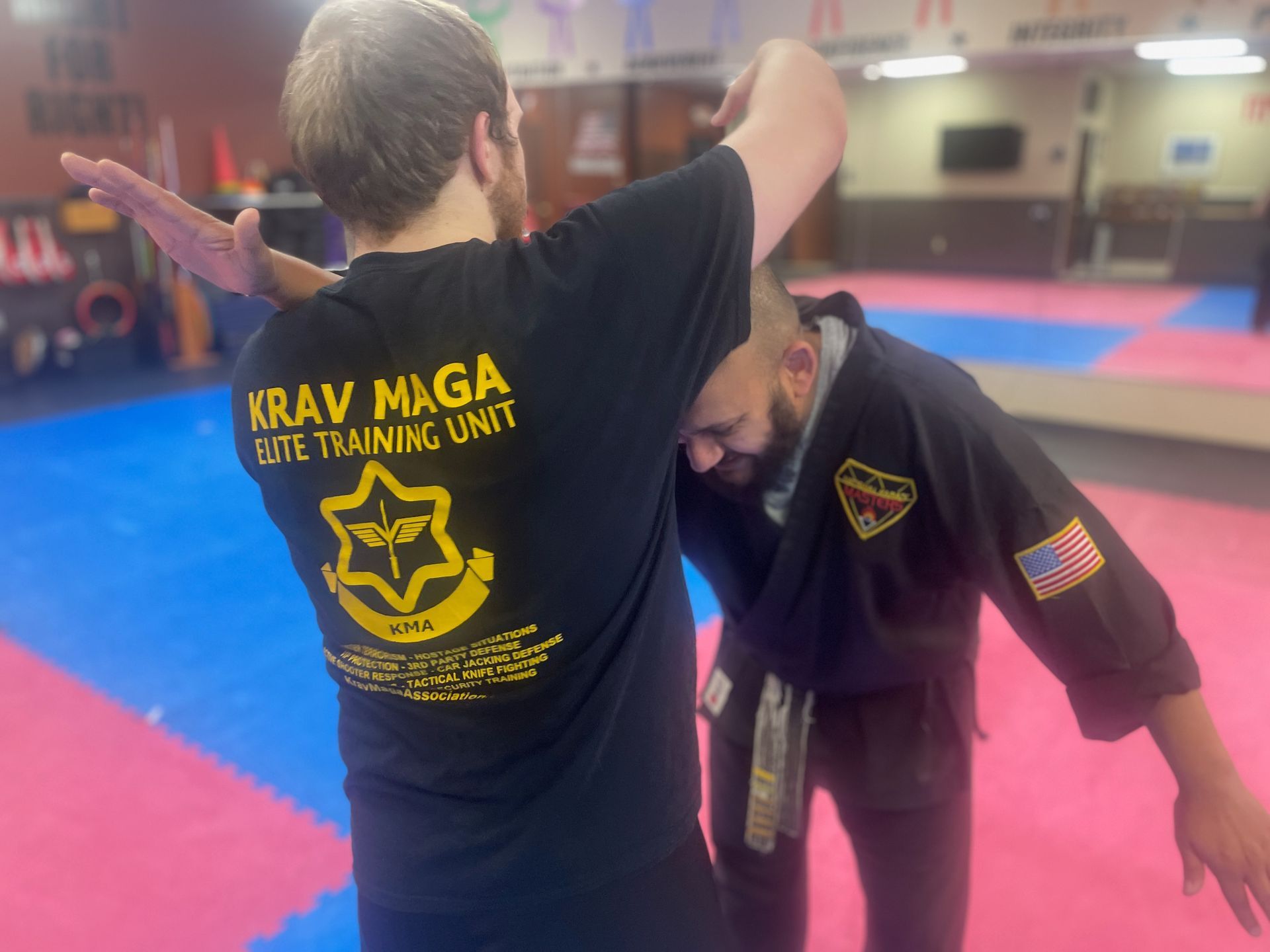
Your first kickboxing class should feel welcoming, coached, and surprisingly doable, even if you have not worked out in a while.
Starting Adult Kickboxing can feel like a big step, especially if your last “class” was years ago or if a typical gym routine never really stuck. We get it. Most adults are not looking for an intimidating room full of people who already know what they are doing, they are looking for structure, coaching, and a workout that actually holds their attention.
In our Adult Kickboxing Classes in New Berlin, WI, we focus on giving you a clear on-ramp: what to do with your hands, where your feet go, how hard to push, and how to leave class feeling better than when you walked in. Kickboxing is a unique fit for adult beginners because it blends cardio, coordination, strength, and stress relief in one hour, and it scales to your current fitness level.
This guide breaks down what you can expect in your first class, what to bring, how we keep training safe, and how kickboxing fits alongside skill-building goals like confidence and practical self-defense.
Why Adult Kickboxing Works So Well for Beginners
Adult Kickboxing is one of those workouts that hits multiple goals at once. You are moving your whole body, you are learning real technique, and you are getting that “I did something today” feeling that can be hard to find after a long workday.
A typical kickboxing workout can burn roughly 350 to 450 calories per hour depending on intensity and your body size, and it supports improvements in balance, flexibility, coordination, endurance, and stress management over time. Research summaries also connect consistent kickboxing training with better cardiovascular fitness, strength, muscle tone, and coordination. In other words, you are not just sweating, you are building usable athletic skills.
And there is another benefit that people do not always expect: focus. When you are learning how to throw a jab cross or time a round kick, your brain has to be present. That mental engagement is a big reason many adults stick with kickboxing longer than they stick with a treadmill.
What Happens in a First-Time Adult Kickboxing Class
A first class should not feel like being thrown into the deep end. We coach from the ground up, and we explain what matters most so you can move safely and confidently.
Warm-up: Getting Your Body Ready to Move
We start with a warm-up that raises your heart rate and prepares your joints for striking. Expect light footwork, mobility work for hips and shoulders, and simple movements that “wake up” coordination. If you are tight from sitting at a desk all day, the first few minutes often feel like a reset.
Stance and Footwork: The Foundation You Will Use Every Class
Before we worry about power, we build a stable stance. Your stance is how you protect your balance and your knees while you punch and kick. You will learn where your feet go, how to keep a slight bend in the knees, and how to move without crossing your feet or tipping forward.
This is also where Adult Kickboxing starts to feel different from general cardio workouts. You are not just moving fast, you are moving with purpose.
Basic Punches: Jab, Cross, and Simple Combinations
We typically teach a small set of punches first, then build short combinations. You will practice the jab and cross with attention to form: hands up, chin tucked, and hips helping generate power. If you have never punched anything before, that is normal. The goal is clean technique, not max effort.
Basic Kicks: Front Kicks and Round Kicks (Scaled to You)
Kicking is where many first-time students worry about flexibility. The good news is that you do not need high kicks to get value from Kickboxing Classes in New Berlin. We coach kicks to a comfortable height so you can keep good posture and protect your lower back.
Most beginners start with controlled front kicks and round kicks. Over time, as hips loosen and balance improves, range of motion increases naturally.
Pad Work or Bag Work: Where It Gets Fun
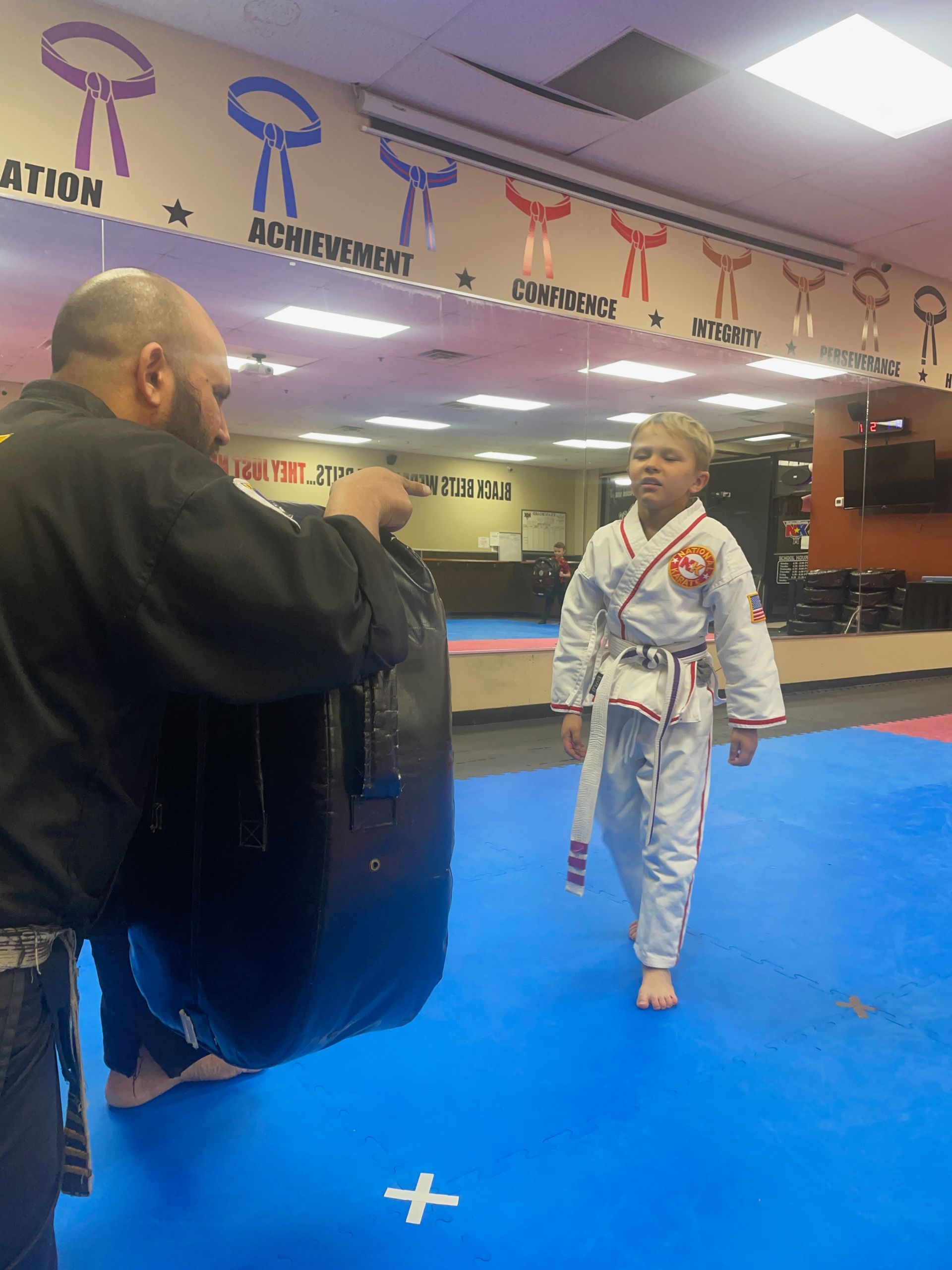
Many beginner classes include light pad work or bag work, because it helps you feel what correct technique is supposed to do. Hitting a target also makes training more engaging, and it is a great stress release after a long day.
We guide intensity closely here. If you are brand new, your first goal is rhythm and accuracy, not exhaustion.
Cooldown: Breathing, Stretching, and Coming Down Smoothly
We finish with a cooldown to lower your heart rate and reduce soreness. This often includes stretching for hips, hamstrings, and shoulders, plus breathing that brings your nervous system back to calm. You should leave feeling worked, not wrecked.
What to Bring to Your First Class
You do not need a closet full of gear to start Adult Kickboxing. A few basics make the experience smoother, and we can guide you from there as you continue.
• Comfortable workout clothes that let you lift your knees and rotate your hips without restriction
• A water bottle, because kickboxing tends to make you sweat more than you expect
• Hand wraps if you already have them, or a plan to get fitted so your wrists feel supported
• A small towel, especially if you are coming straight from work and want to freshen up
• A beginner mindset, meaning you are willing to learn one skill at a time without rushing ahead
If you are unsure about gloves or wraps, ask us before class or check the website for guidance. Getting the right fit matters, and we would rather help you set it up correctly than have you guess.
Do You Need to Be “In Shape” Before Starting?
No. You build fitness by showing up, not by waiting until you feel ready.
A lot of adults hesitate because they think Adult Kickboxing is only for people who already have strong cardio or athletic coordination. In real life, many beginners start because they want to improve stamina, lose weight, reduce stress, or feel more confident in their body again.
We can scale intensity in a few simple ways: shorter rounds, lower kick height, more rest, lighter contact on pads, and technique-first pacing. You still get a real workout, but it is a workout that meets you where you are.
Is Kickboxing Safe for Beginners or Older Adults?
Kickboxing is safe when it is coached well and progressed gradually. That is the whole point of a beginner-friendly class structure.
For older adults especially, kickboxing-style training is often discussed as helpful for preserving fitness and functional movement when it is scaled appropriately. Balance and coordination work, in particular, can be a quiet game-changer over time. You are training your legs, your core, and your reaction time in one session.
Safety also comes from smart habits: learning how to pivot on kicks, keeping your wrists aligned on punches, and stopping before fatigue turns technique sloppy. We coach those details early, because they are what keep your body feeling good as weeks turn into months.
If you have prior injuries or limitations, tell us before class. We can modify movements so you can train consistently without aggravating problem areas.
How Hard Is the Workout, Really?
Adult Kickboxing is a challenge, but it is the kind of challenge you can adjust. Some days you will push intensity. Other days you will focus more on technique, timing, and smooth movement.
As a general benchmark, many students feel their heart rate climb quickly during combinations and pad rounds, which is why kickboxing is often associated with strong cardio conditioning. Over time, you will likely notice better endurance, better coordination, and a stronger “engine” for everyday life, like stairs, yard work, or chasing kids around.
A structured approach also matters. A study highlighted by TIME reported measurable gains in power, agility, and balance after kickboxing training, which lines up with what we see when adults train consistently and progressively.
Fitness Kickboxing vs Skill-Building Kickboxing: What Is the Difference?
Some people sign up thinking kickboxing is only a cardio class with punches and kicks. Others want practical skill development. We design our training to support both, but it helps to understand the difference.
Fitness-forward kickboxing prioritizes continuous movement, calorie burn, and conditioning. Skill-building kickboxing prioritizes technique, mechanics, and the ability to execute under pressure. In our program, you will feel the fitness benefits right away, but we also coach fundamentals so you are not just “flailing fast” for an hour.
That technique focus is what makes Adult Kickboxing so satisfying long-term. You can measure progress in ways that go beyond the scale: cleaner footwork, sharper combinations, better balance, and more control.
How Kickboxing Complements Krav Maga and Karate for Adults
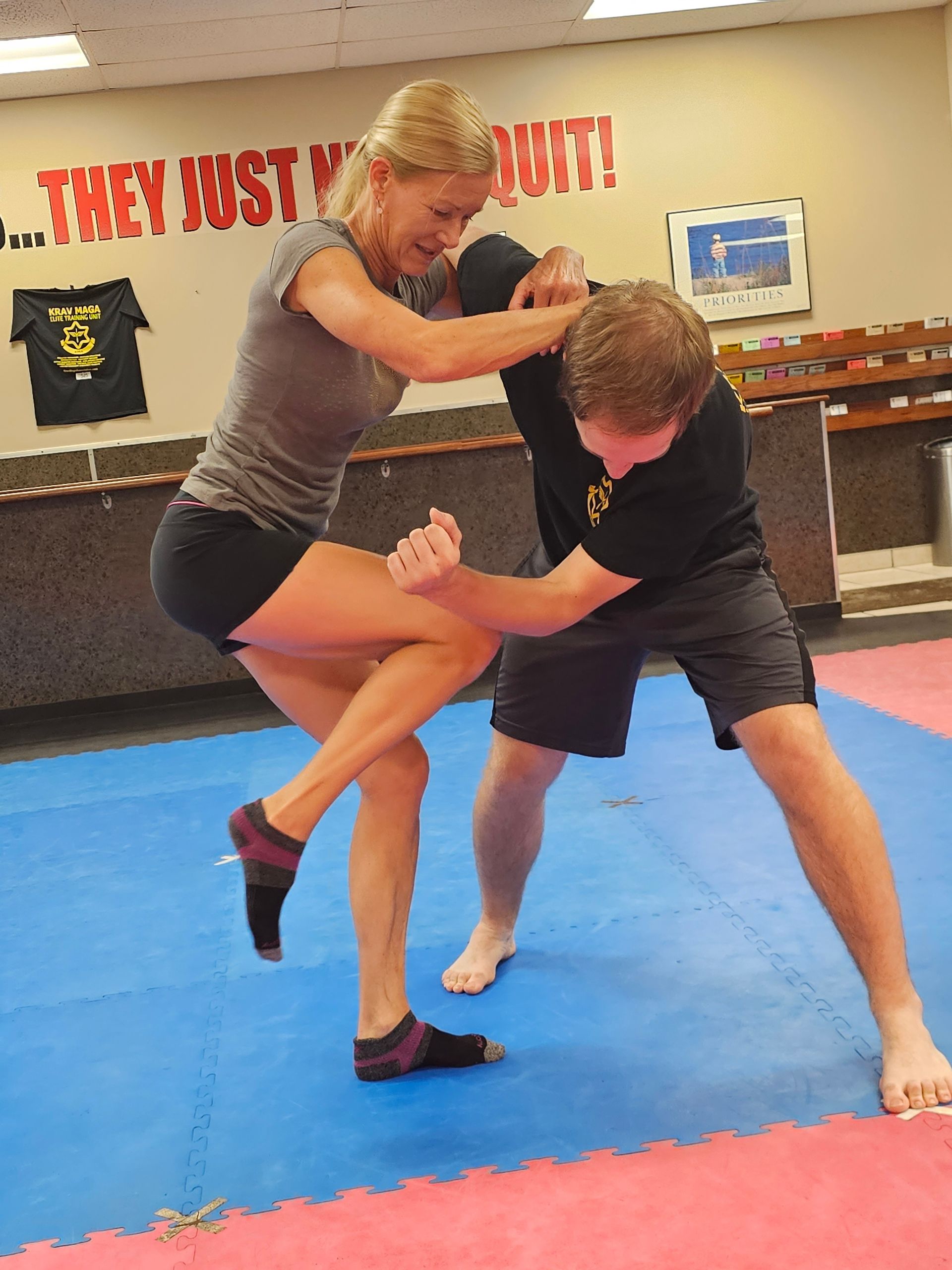
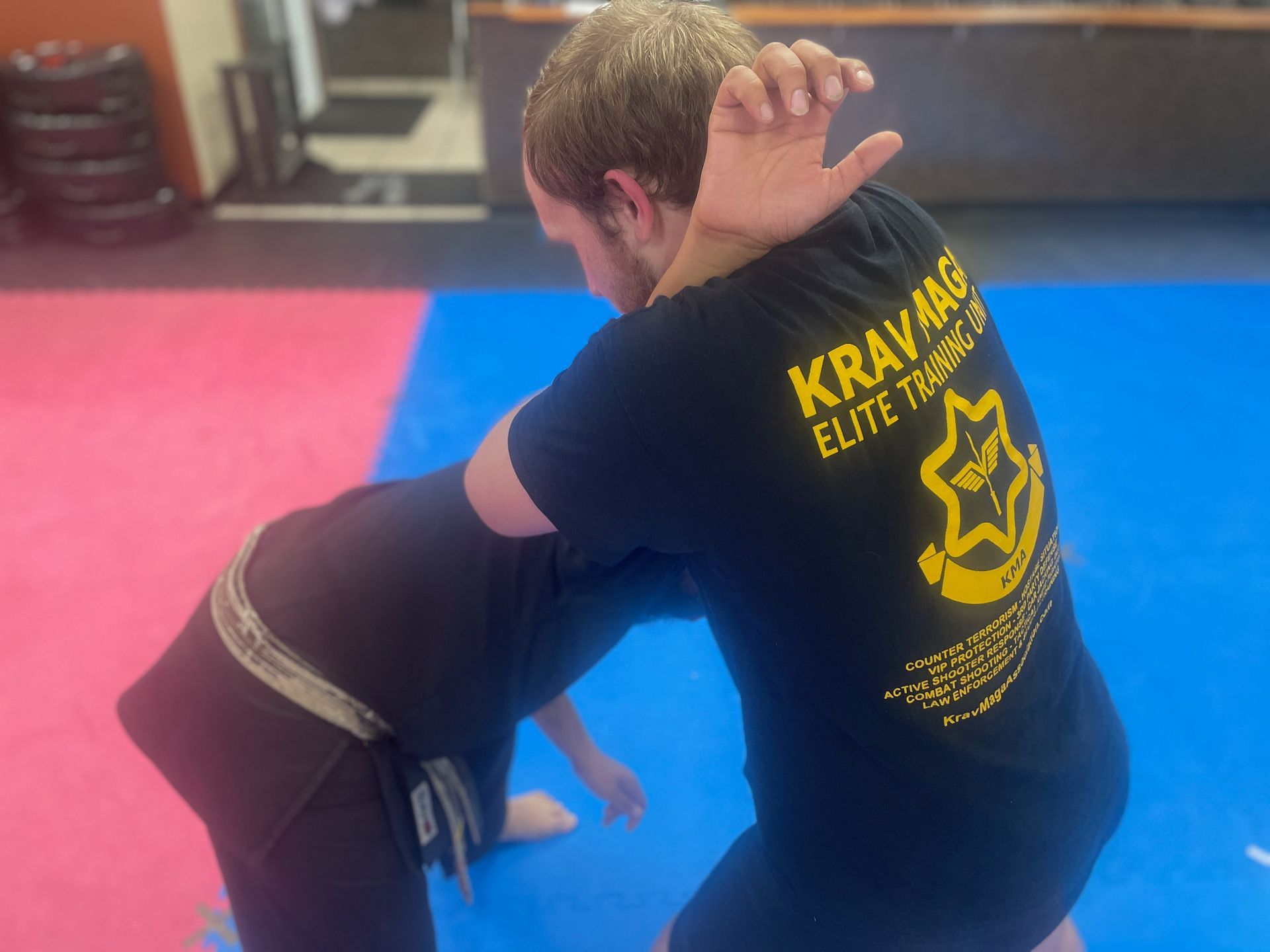
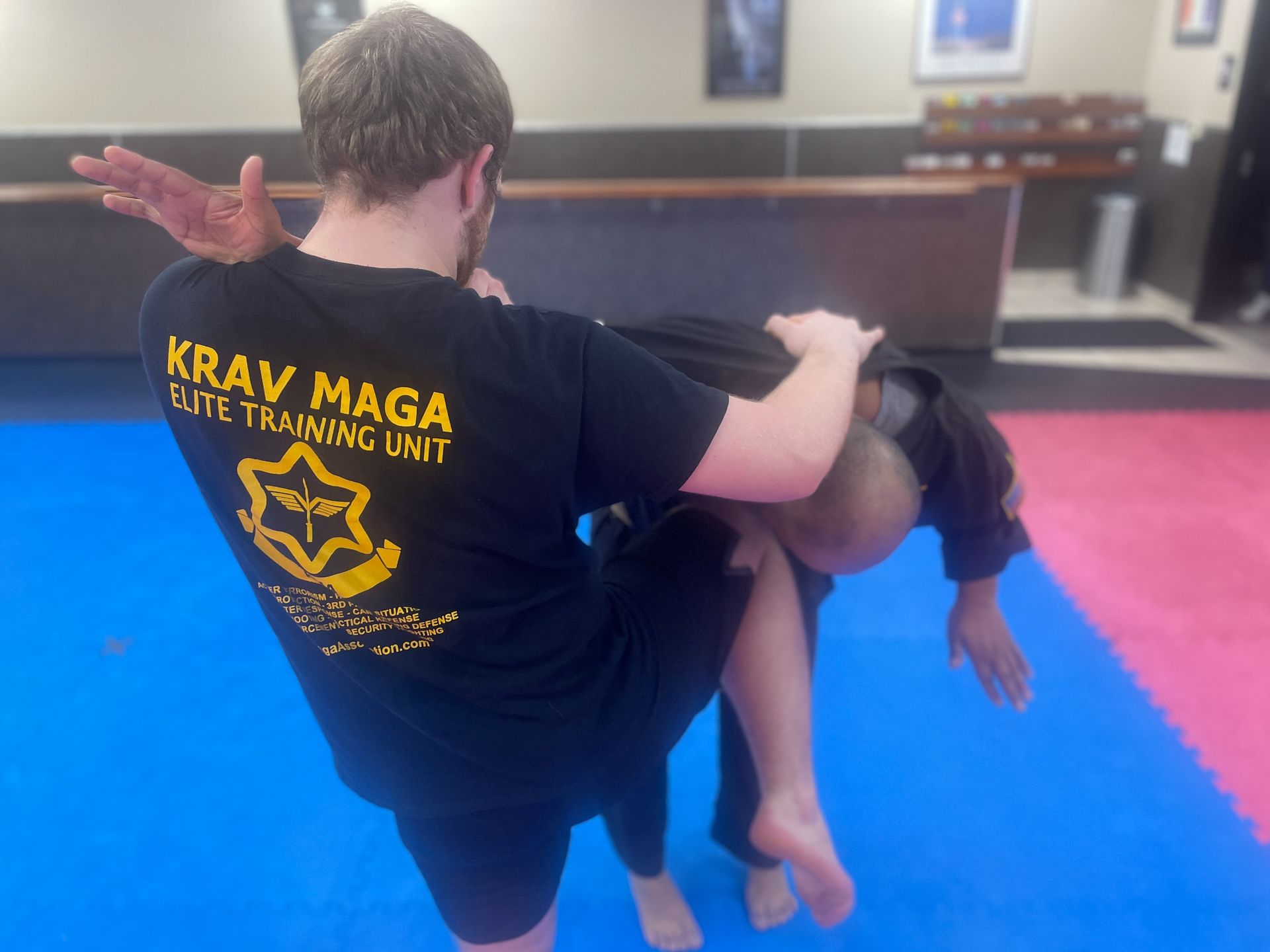
Many adults like that kickboxing is a direct path to better striking fundamentals, and that those skills can complement other training goals. Kickboxing gives you a strong base in punches, kicks, distance, and timing. Krav Maga adds self-defense context and scenario-based decision-making. Karate can deepen discipline, precision, and traditional structure.
You do not have to choose one “perfect” reason to start. Some students begin for fitness and realize they love learning technique. Some start for confidence and end up appreciating the stress relief most. The best program is the one you can practice consistently.
How Often Should a Beginner Train Each Week?
Consistency beats intensity, especially at the beginning. For most adults, training 2 to 3 times per week is the sweet spot for noticeable progress without feeling like you have to rearrange your whole life.
Here is a simple way to think about it:
1. Week 1 to 2: Learn the rhythm, focus on basic stance, punches, and safe kicking mechanics
2. Week 3 to 6: Build conditioning, start linking combinations more smoothly, feel coordination improve
3. Week 7 and beyond: Increase intensity when you want to, refine technique, and set more specific goals
If your schedule is tight, even once a week can be a starting point, but twice weekly tends to be where adults feel momentum.
What You Will Feel After Class (And Why That Matters)
After your first Adult Kickboxing class, you will probably feel two things at the same time: energized and pleasantly tired. You may also notice soreness in places you did not expect, like hips, core, and upper back, because striking uses rotational strength.
Mentally, many students describe a calmer headspace. There is something about hitting pads, moving with intention, and learning a new skill that helps the day’s noise fade out. That is not magic, it is your nervous system shifting gears, and it is one of the most reliable reasons adults keep coming back.
Ready to Begin
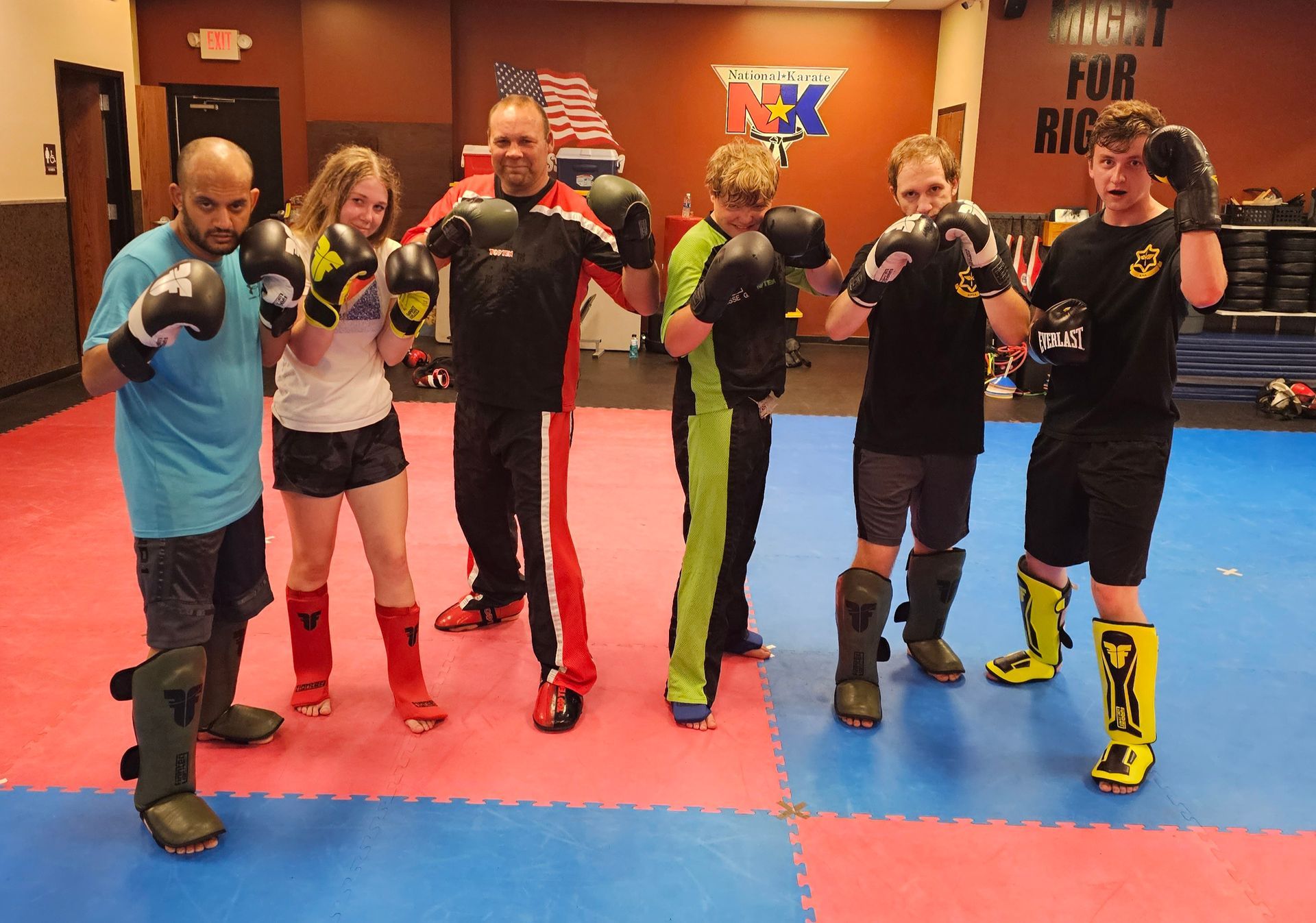
Building a strong kickboxing foundation takes good coaching, steady progress, and a class environment where you can be a beginner without feeling awkward about it. That is exactly what we aim for at Wisconsin National Karate Kickboxing & Krav Maga, right here in New Berlin.
If you are looking for Adult Kickboxing that delivers real cardio, real technique, and a practical path to confidence, we would love to help you take that first step. Check the class schedule, come in for a first session, and let us guide you through the basics in a way that feels clear and manageable.
See what makes training at Wisconsin National Karate Kickboxing & Krav Maga unique by joining a class today.