Why Youth Karate Is a Fun Way to Improve Focus and Fitness for Kids
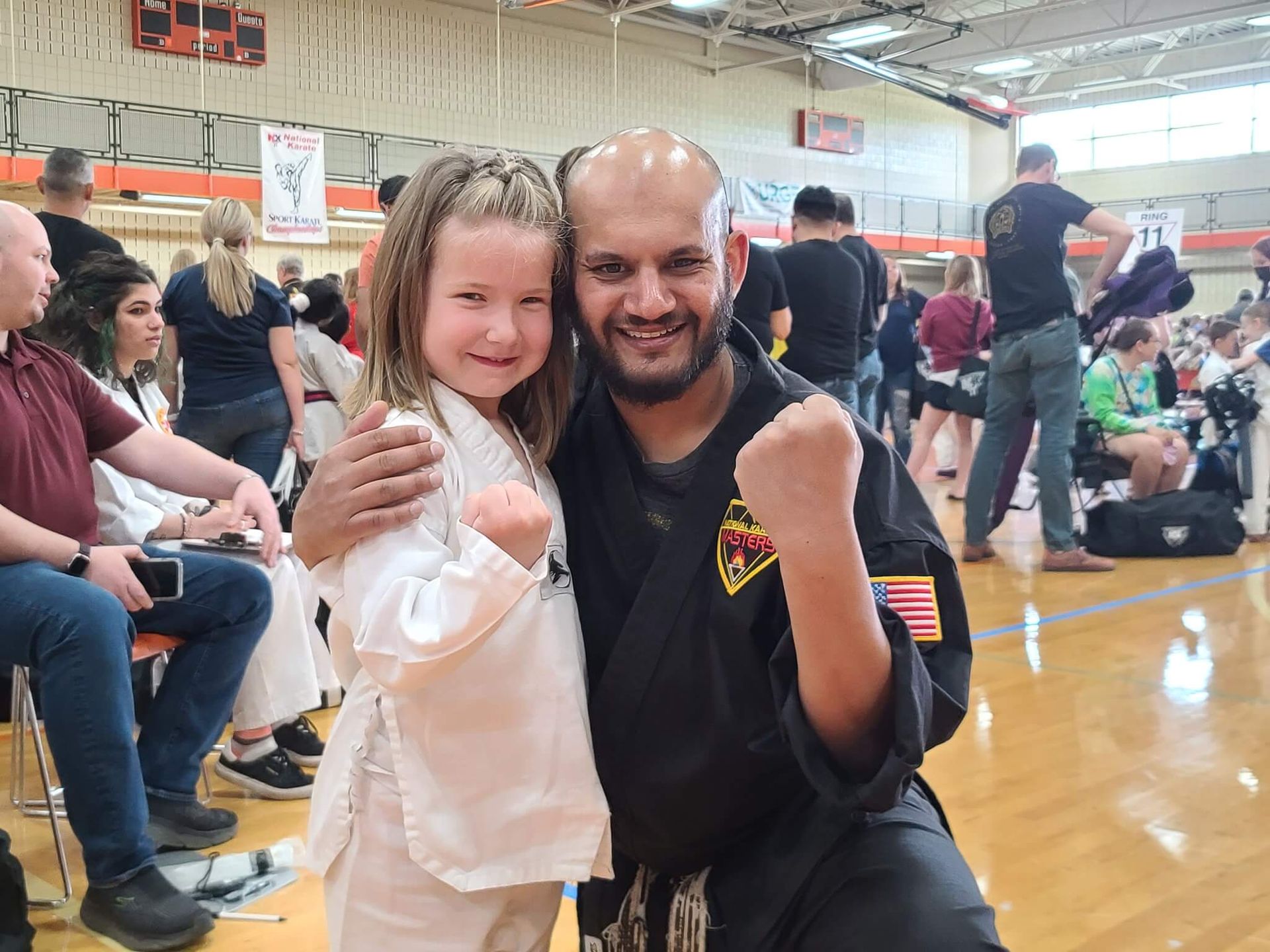
Youth Karate turns “burning energy” into real skills your child can measure, week by week.
Parents in New Berlin often tell us they want one activity that checks more than one box. They want their child moving more, yes, but also listening better, handling frustration, and feeling confident in their own skin. Youth Karate fits that mix because it trains the body and the mind at the same time.
In a typical week, kids deal with a lot of transitions: school to home, homework to bedtime, screen time limits, big feelings, busy schedules. Our classes give kids a predictable routine where focus is practiced in a hands-on way, not just talked about. Youth Karate isn’t about “perfect kids.” It’s about steady progress.
Just as importantly, it’s fun. When training is structured like a game with goals, kids often work harder than they realize. They leave class a little tired, a little proud, and usually more regulated than when they walked in.
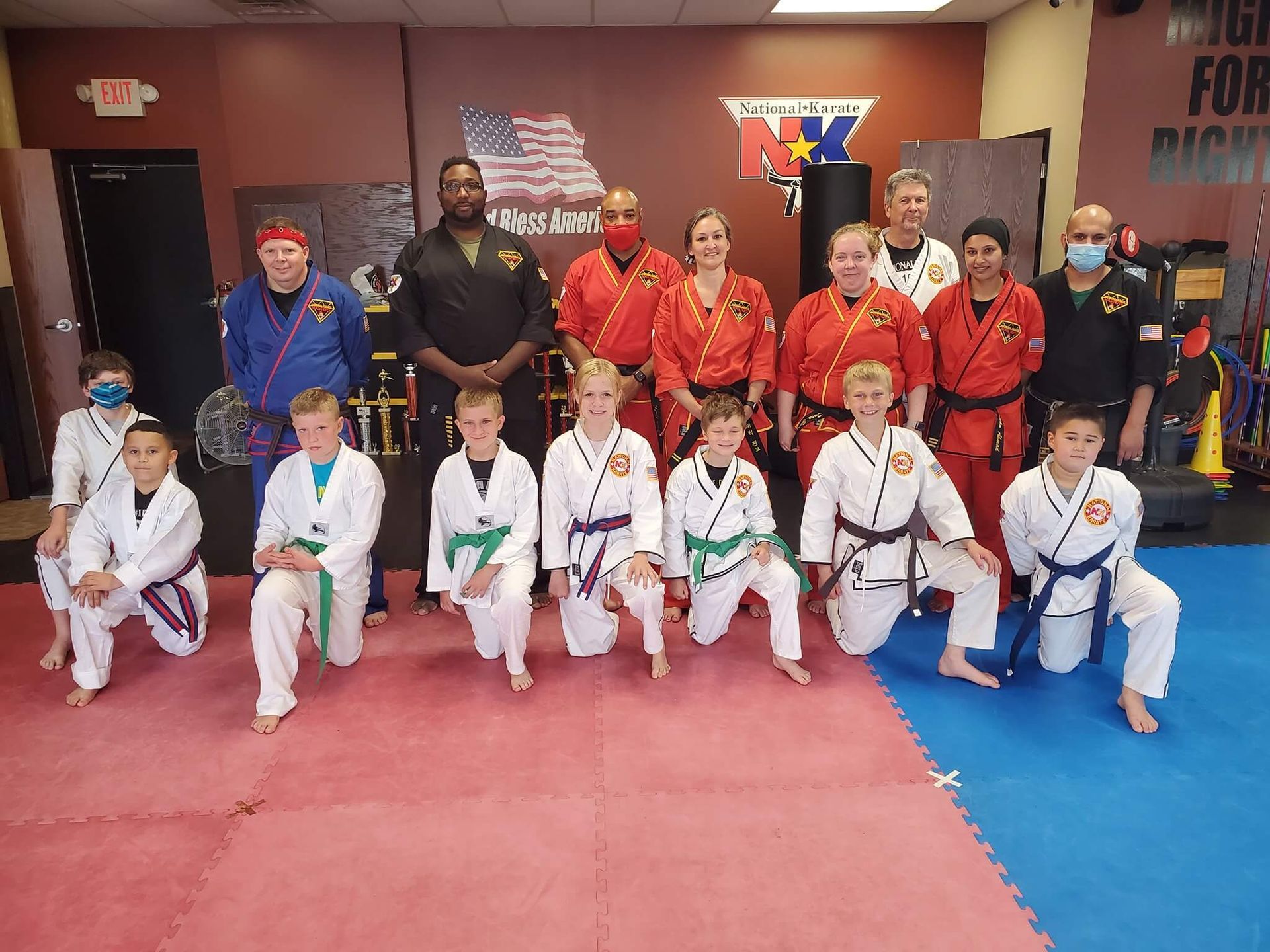
What Youth Karate classes actually look like
If you’ve never watched a youth class up close, the biggest surprise is how much happens beyond kicking and punching. A well-run class flows through skills that build athletic ability while also teaching children how to learn.
Most classes include a warmup, foundational movements, technique practice, and age-appropriate partner work or drills. Kids learn how to line up, respond to cues, and move with control. Over time, they start to anticipate what comes next and take ownership of their effort.
We also make sure kids understand that martial arts skills come with responsibility. Control matters. Respect matters. Following directions matters. Those expectations aren’t harsh, but they are clear, and kids tend to respond well to that kind of structure.
Skill progression makes training feel meaningful
Kids stay motivated when they can see what they’re working toward. That’s one of the reasons structured progression matters so much in Youth Karate in New Berlin. Instead of “show up and run around,” your child gets concrete feedback: posture, balance, coordination, accuracy, and effort.
Progress doesn’t always look dramatic. Sometimes it’s small stuff: keeping hands up without reminders, remembering a combination, or resetting quickly after a mistake. Those little wins stack up, and confidence starts to look calm and steady, not loud.
How Youth Karate builds focus through movement and repetition
Focus is one of those words adults throw around constantly, but kids experience it as something physical. Sitting still is one kind of focus. Listening while moving is another. Youth Karate trains both.
In class, kids have to track the instructor, watch demonstrations, remember sequences, and time their movements. That is real-time attention, and it has consequences: if you miss step one, step three doesn’t work. Kids learn to tune in because it helps them succeed.
Karate also teaches “resetting.” A child throws a technique off-balance, hears a correction, and tries again. That loop of feedback and repetition is where concentration grows. We never promise karate will “fix” attention challenges or guarantee better grades, but we can say this: class gives kids repeated reps of paying attention, adjusting, and finishing what they started.
What “better focus” looks like in everyday class moments
Here are a few observable ways focus gets exercised during Youth Martial Arts in New Berlin:
• Listening through a full demonstration, even when something exciting is happening nearby
• Following multi-step directions without getting overwhelmed halfway through
• Waiting a turn in line without drifting into roughhousing
• Practicing a technique repeatedly with consistent effort, even when it’s not brand new anymore
• Using self-control with partners by matching speed and contact to the drill rules
• Recovering from mistakes without shutting down or quitting
That’s why focus improvements often feel practical. Kids practice attention like a muscle, and the class format gives them a reason to keep using it.
Fitness benefits for growing kids
Kids need movement, but not every child loves traditional sports or repetitive workouts. Youth Karate gets the heart rate up and develops athletic basics while still feeling like learning a skill.
Research on youth martial arts suggests training can support aerobic capacity, muscular endurance, flexibility, agility, and body composition when it’s taught appropriately and practiced consistently. Karate is naturally full-body. Techniques require leg drive, core stability, balance, coordination, and controlled breathing, all wrapped into drills kids can actually enjoy.
Why Karate feels like “play” but still builds conditioning
A child might not want to run laps, but give them a combination to practice with a goal, and suddenly they’ll work hard for ten minutes straight. The structure helps. The variety helps too.
Fitness in Youth Karate often comes from:
- Cardiovascular bursts during combinations and movement drills
- Strength development through stances, bodyweight work, and controlled technique
- Flexibility and mobility practice during warmups and cooldowns
- Balance training in kicks, turns, and single-leg stance work
- Agility and reaction time through timing-based drills and partner cues
We also like that kids learn how to move well, not just move a lot. Good mechanics matter, especially as children grow.
Confidence, discipline, and self-control that feel real
Confidence is easiest to believe when it’s tied to something specific. In Youth Karate, kids earn confidence by doing hard things in small steps. They learn a new technique. They remember a sequence. They speak up during class. They stick with training long enough to see progress.
Discipline, in our view, is not about being strict for the sake of it. It’s about helping kids build reliable habits. Showing up. Bowing in. Trying again. Keeping hands to yourself. Listening when it matters. That’s discipline as a life skill.
Self-control shows up constantly in martial arts. Kids learn to control the speed and power of techniques, especially in partner drills. They practice staying calm when something doesn’t go their way. And they learn that real strength includes restraint.
A 2024 clinical review of youth martial arts also describes potential contributions to mindfulness, stress reduction, self-control, and psychological resilience, while emphasizing the importance of qualified supervision and risk management. We agree with that balance: martial arts can be powerful for kids, and it needs the right structure to be a positive experience.
Why Youth Karate can be fun for kids who dislike traditional exercise
Some kids thrive in team sports. Some don’t. And that’s fine. Youth Karate gives kids a different kind of motivation: personal progress. Your child doesn’t need to be the fastest or the strongest to feel successful. Effort matters. Consistency matters. Improvement matters.
For kids who dislike being put “on the spot,” our classes can feel safer than a big competitive field. The routine is predictable. The expectations are clear. And kids can work at their pace while still being part of a group.
We also keep classes engaging. Drills change. Goals rotate. And the simple act of learning something that looks cool (and feels empowering) can make a big difference in attendance and attitude.
Safety and age-appropriate instruction
Parents should expect transparency around safety. Martial arts includes contact at times, so how that contact is managed matters.
We keep training age-appropriate and controlled. Warmups prepare joints and muscles. Technique is taught step by step, with corrections that prioritize control and body mechanics. Partner drills have clear rules, and we supervise closely so kids stay respectful and safe.
Safety is not just physical. Emotional safety matters too. Kids learn better when instruction is positive, consistent, and structured. We set boundaries, we reinforce respectful behavior, and we help kids reset when they get frustrated.
What New Berlin families should look for in a youth program
If you’re considering Youth Karate in New Berlin, it helps to know what actually makes a program work for kids and parents long-term. Convenience matters, but so does teaching style.
Look for a place where beginners are truly welcomed and where kids are grouped in a way that matches development and attention span. You also want clarity on how progress is measured, how partner drills are introduced, and how instructors handle kids who are shy, energetic, or easily distracted.
We’re located at 3564 S. Moorland Road in New Berlin, which makes it realistic to fit training between school, homework, and dinner. Families also come to us from nearby communities like West Allis, Muskego, Brookfield, Milwaukee, Waukesha, Mukwonago, Greenfield, and Elm Grove because the drive is straightforward.
How training can fit into a typical week
Consistency beats intensity. For many kids, starting with one or two classes per week is a practical plan. You want a schedule your family can actually keep. Over time, as your child gets more invested and more comfortable, adding a day can make progress feel faster without becoming overwhelming.
What to expect at a first class
First classes should feel welcoming and simple. You don’t need to buy a bunch of gear upfront, and your child doesn’t need previous experience. Most kids start exactly where they are.
Here’s a quick first-day checklist that helps things go smoothly:
1. Wear comfortable athletic clothing that allows free movement and bring a water bottle.
2. Arrive a little early so your child can settle in and you can ask any quick questions.
3. Let us know about injuries, asthma, or anything that affects participation or comfort.
4. Expect basic movements first: stances, balance, simple strikes, and listening cues.
5. Watch how we manage spacing, partner activities, and class rules for safety and respect.
If your child is shy, that’s okay. We can introduce them gradually. If your child is high-energy, that’s okay too. The structure helps channel that energy into something productive.
Frequently asked questions from parents
What age can a child start Youth Karate?
Starting age depends on attention span, coordination, and comfort in a group. We’ll help place your child in the class that fits best for age and readiness.
Does my child need to be athletic?
No. Beginners build athletic basics over time. Our job is to teach movement progressively so your child gains balance, coordination, and stamina without feeling behind.
Will Karate make my child more aggressive?
A well-run program teaches control and responsibility. We emphasize respect, self-control, and using skills appropriately, not showing off.
Is it safe for kids?
Martial arts can be safe when instruction is age-appropriate and supervised closely, with controlled partner work, clear rules, and proper warmups. We take that seriously.
Will Youth Karate help with focus at school?
Karate gives kids repeated practice in listening, remembering sequences, waiting turns, and finishing tasks. Many parents notice positive carryover, but we avoid guarantees because every child is different.
Is it mostly kicking and punching?
Technique matters, but it’s not the whole experience. Kids also learn balance, coordination, fitness habits, respect, and practical self-defense awareness.
Take the Next Step
If you want an activity that helps your child move more, focus longer, and feel proud of measurable progress, Youth Karate can be a strong fit. We built our youth program to combine fitness, self-defense fundamentals, and character development in a safe, positive environment that kids actually enjoy coming back to.
At Wisconsin National Karate Kickboxing & Krav Maga, we welcome beginners and guide students through clear skill progression, supportive coaching, and structured classes at our New Berlin location on S. Moorland Road. When you’re ready, we’ll help you choose the right starting point and a schedule your family can maintain.
Become part of a community committed to personal growth, respect, and continuous improvement at Wisconsin National Karate Kickboxing & Krav Maga.