How Youth Martial Arts in New Berlin Strengthens Mind and Body
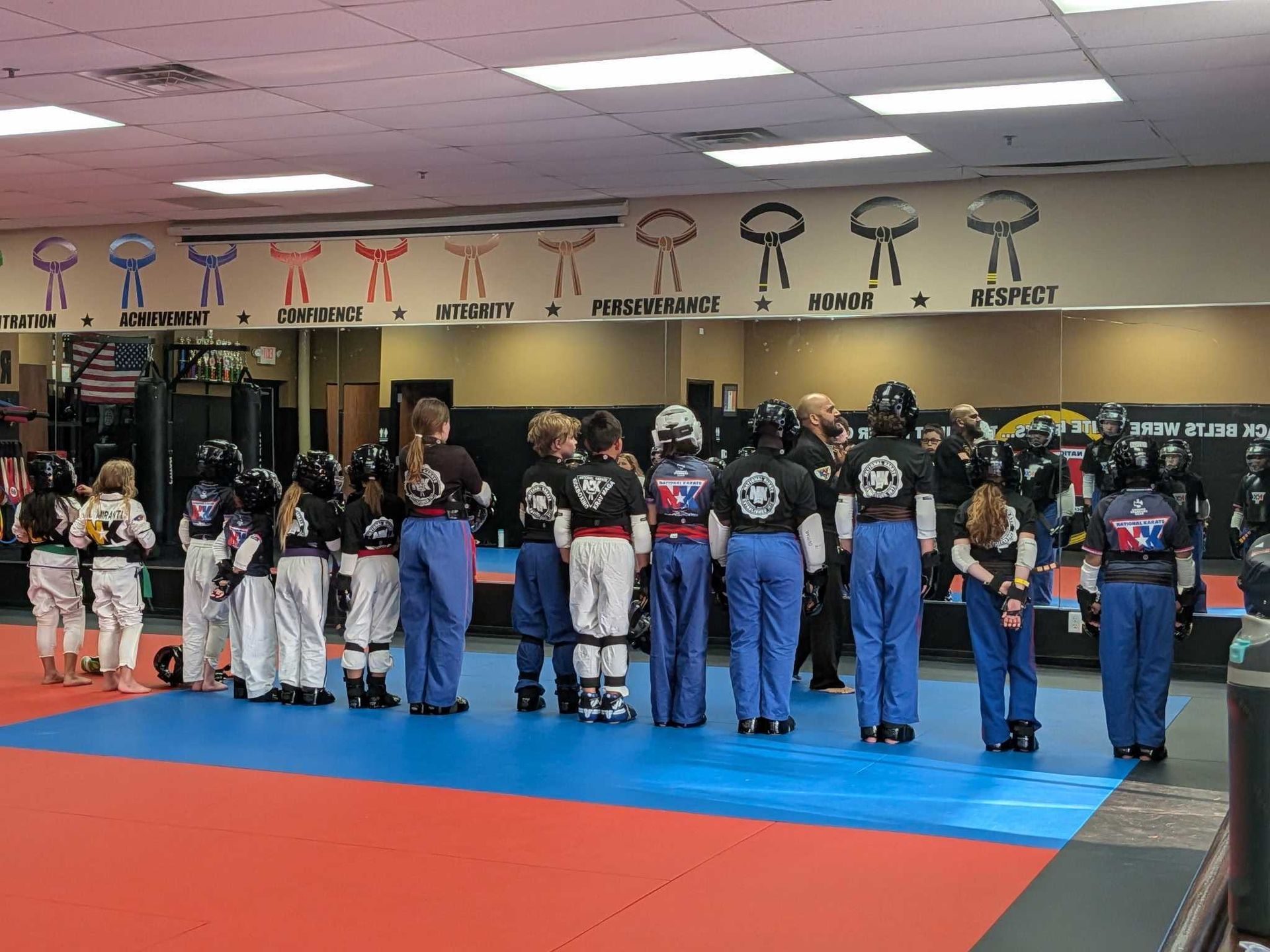
Youth Martial Arts can be the rare after school activity that builds Fitness and character at the same time.
Parents in New Berlin tell us the same thing in different ways: you want an activity that helps your child move more, listen better, and feel more confident without turning every weeknight into a pressure cooker. Youth Martial Arts fits that need because progress is personal, structured, and visible, class by class.
Youth Martial Arts is also having a moment nationwide, with participation rising by more than 13,000 students between the 2018 to 2019 and 2021 to 2022 school years. That growth makes sense when you consider what a good youth program can offer: real physical training paired with routines that encourage focus and self control.
In our youth classes here in New Berlin, we treat martial arts as mind body development, not just learning how to throw punches. Technique matters, but so do the habits built along the way: patience, respect, and the ability to handle a challenge without melting down or checking out.
What Youth Martial Arts actually teaches (beyond the cool kicks)
When you picture martial arts, it is easy to think it is all about fighting. In a youth setting, our job is different: we teach kids how to use their bodies on purpose. That means learning balance, timing, and posture, but it also means learning how to stop on command, reset after a mistake, and keep trying when something feels hard.
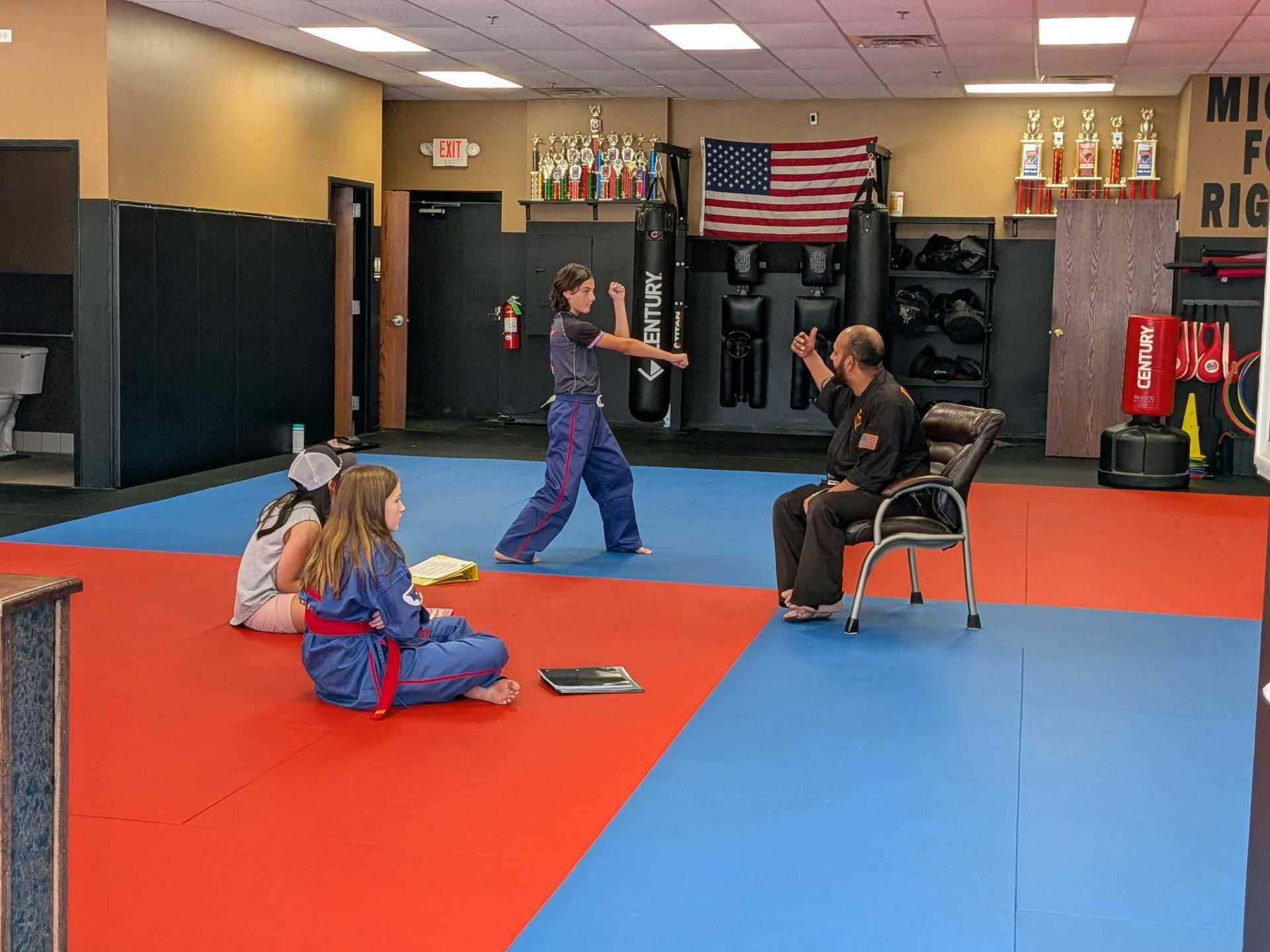
A well run class gives kids constant practice with listening and responding. We demonstrate a skill, we set boundaries for how it is practiced, and we coach kids through it step by step. That structure is one reason Youth Martial Arts in New Berlin works well for many children who do not always love open ended activities.
We also take seriously the difference between self defense education and encouraging aggression. We teach control and awareness first. Learning a technique is not the same thing as being told to use it whenever you are upset, and our culture reinforces that distinction every day.
How Youth Martial Arts strengthens the body
Research reviews consistently connect youth martial arts participation with improvements in aerobic capacity, muscular endurance, flexibility, and body composition compared with non athletic peers. That does not mean every child instantly becomes a super athlete, but it does mean the training can be a real form of conditioning, especially when attendance is consistent.
Coordination and balance you can see in everyday life
In Youth Martial Arts, kids spend a lot of time learning where their feet go, how to turn their hips, how to keep their hands up, and how to move without crashing into the world around them. Those details build coordination and balance. Over time, many parents notice simple wins: fewer clumsy trips, better control in other sports, and more confidence on playgrounds and in gym class.
We build these skills through stance work, footwork drills, and controlled technique practice. The repetition is not busywork. It is how the body learns.
Strength and endurance without needing heavy contact
A big misconception is that kids need to spar hard to get fit. They do not. Pad work, forms, shadowboxing, and partner drills with clear rules can be vigorous and safe enough for most youth training goals.
We use age appropriate conditioning to develop core strength, leg endurance, and general athleticism. Kids often leave class with that tired, satisfied look that tells you the energy got used in a productive way.
Mobility, flexibility, and posture
Kicks, knee strikes, and defensive movement all ask for hip mobility and hamstring flexibility. We work on that gradually, with warmups that prepare joints and muscles for the day’s training. Flexibility improves when kids practice consistently, but we never treat flexibility as a requirement to start. You do not need a child who can do splits on day one to benefit from Youth Martial Arts in New Berlin.
Better posture is another quiet benefit. Strong stances, a stable core, and good head position translate to how kids sit at school, carry backpacks, and move through daily life.
How Youth Martial Arts strengthens the mind
The physical side is easy to spot. The mental side is sometimes more important, especially for kids who struggle with frustration, focus, or confidence. Research reviews associate youth martial arts with psychological benefits like self esteem and emotional regulation, but outcomes depend on program design and instructional quality. In other words, it is not magic. It is coaching plus structure plus repetition.
Focus and executive function, trained one cue at a time
A typical class asks kids to pay attention, remember sequences, and switch between tasks. That is executive function in action: listening, holding instructions in working memory, and self correcting.
In our classes, we coach kids to look, listen, and respond to specific cues. Sometimes it is as simple as waiting for the word “go.” That practice carries over. Kids get used to pausing before reacting, which is a skill most adults could use too.
Emotional regulation and self control
Kids feel big emotions. Martial arts gives them a productive place to practice calming down and trying again. Breathing, repetition, and clear expectations help children regulate frustration. We also emphasize control of force. Knowing how to hit a pad is not the same as swinging wildly, and learning the difference teaches impulse control in a very real way.
Confidence built through measurable progress
Confidence grows when kids experience competence. Youth Martial Arts gives lots of small milestones: learning a new stance, mastering a combination, remembering a form, or simply making it through class with a good attitude.
We keep progress achievable and clear. When kids know what they are working on and can feel improvement, confidence becomes earned, not inflated.
Respect, cooperation, and social growth
Even though progress is individual, kids train together. That means taking turns, being a good partner, and following safety rules. These are social skills, but they are also character skills. A child who learns to hold pads for someone else, wait patiently, and encourage teammates is practicing empathy and cooperation without needing a lecture.
Safety in Youth Martial Arts: what “smart progression” looks like
No physical activity is risk free, and martial arts is no exception. The goal is to reduce unnecessary risk through structure, supervision, and age appropriate training. Pediatric sports guidance emphasizes training under instructors who understand age, maturity, size, experience, and individual limitations. It also supports building competence through noncontact practice before moving into contact training or competition.
We take that guidance seriously. Our youth training focuses on fundamentals first, because fundamentals protect kids. When students can control their bodies, follow rules, and stop on command, training becomes safer and more productive.
Here is what smart progression usually includes in a youth program:
• Clear expectations for behavior, spacing, and stopping immediately when instructed
• Technique practice that starts slow and becomes faster only when control is consistent
• Pad work and controlled drills that deliver intensity without unnecessary impact
• Partner training with supervision and rules that prioritize safety and respect
• Optional pathways for kids who want to compete or spar later, after readiness is demonstrated
We also avoid dangerous practices that do not belong in youth instruction, especially anything involving forceful head impacts or high risk neck techniques. Youth Martial Arts should build kids up, not gamble with their health.
Youth Karate, Kickboxing, and Krav Maga: age appropriate differences
Parents often ask how these styles fit together for kids. The honest answer is that the labels matter less than the teaching approach. Youth Karate in New Berlin often appeals to families because it is structured, belt driven, and technique focused. That structure can be great for kids who like clear rules and routines.
Kickboxing elements can add cardio, rhythm, and strong striking mechanics. Kids enjoy the athletic feel of combinations, and pad work gives instant feedback without needing hard contact.
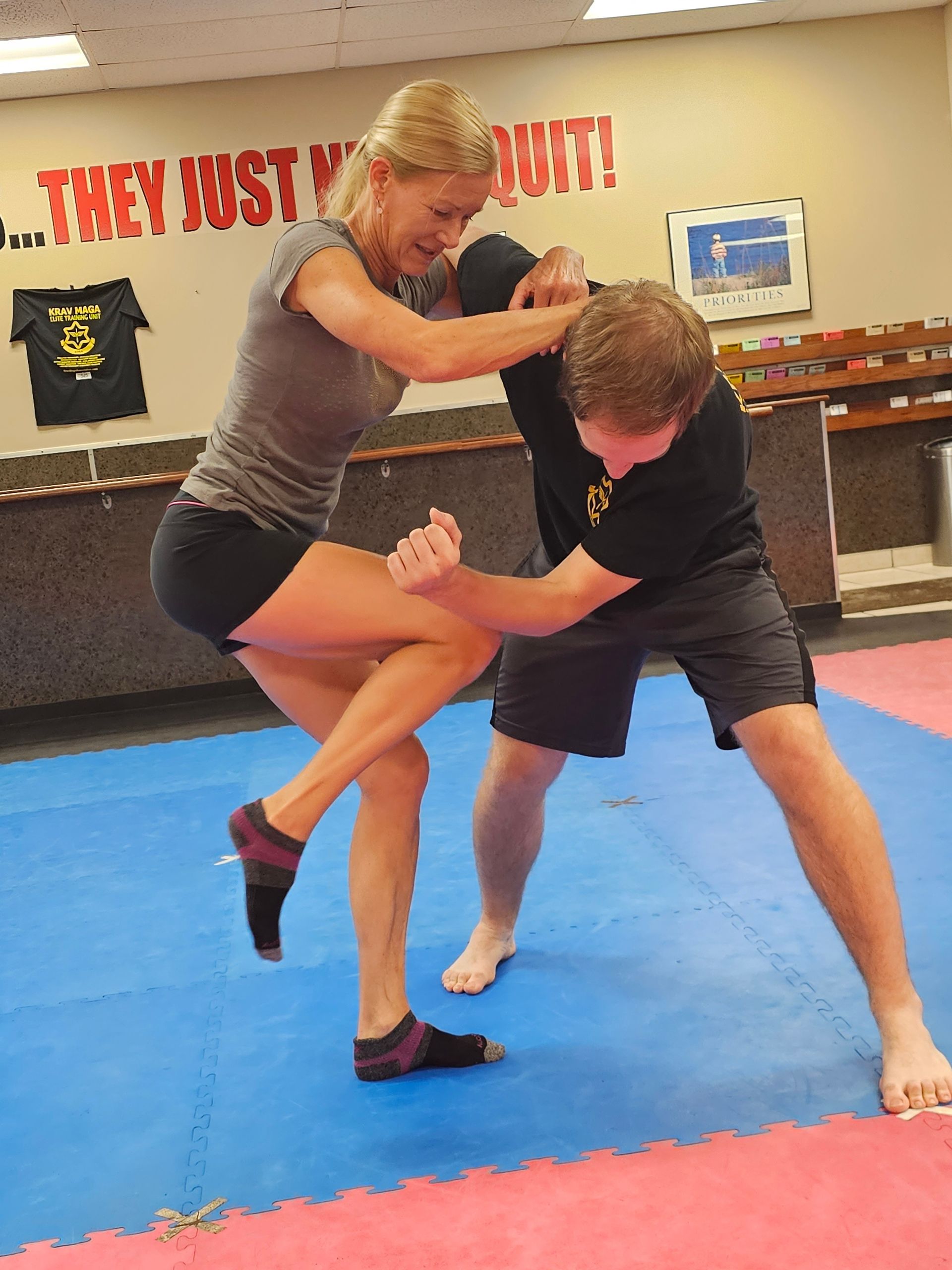
Krav Maga concepts, taught appropriately for youth, can emphasize awareness, boundaries, and practical movement. For kids, self defense should prioritize avoidance, getting to safety, and seeking trusted adult help. Physical techniques are only one piece of the puzzle.
In our curriculum, we focus on what is developmentally appropriate. We teach kids how to move well and think clearly under pressure, without treating the training room like an adult fight camp.
What a typical Youth Class looks like
Parents like to know what will actually happen when your child walks onto the mat. While the exact plan varies by age and skill level, most classes follow a consistent rhythm because consistency helps kids learn.
1. Arrival and quick check in, so kids know where to line up and what the day will include
2. Warmup with movement, mobility, balance drills, and age appropriate conditioning
3. Technique instruction such as stances, punches, kicks, blocks, and combinations
4. Drills using pads, shields, or controlled partner practice with clear supervision
5. Etiquette and mindset moments that reinforce respect, listening, and self control
6. Cool down and review, so your child leaves knowing what improved and what comes next
That rhythm matters. Kids who thrive on predictable routines often settle in quickly. Kids who are more energetic usually appreciate that there is always something to do and a clear next step.
Is your child ready? A simple readiness checklist
Youth Martial Arts in New Berlin works best when kids can participate safely in a group. Age is part of it, but readiness is more about behaviors and communication.
Your child is usually ready to start when you see most of the following:
• Your child can follow simple group directions without constant one on one coaching
• Your child can take turns and share space with other kids
• Your child can stop an action immediately when an instructor gives a cue
• Your child can handle gentle correction without shutting down or acting out
• Your child can communicate discomfort, fatigue, or confusion in a basic way
If you are unsure, we can talk it through. In many cases, the class itself becomes a way to practice these skills, as long as expectations match your child’s current stage.
How you can support progress at home (without turning it into homework)
Kids improve fastest when training feels supported, not pressured. You do not need to coach techniques at home. What helps most is reinforcing the mindset.
We recommend a few simple habits:
Ask what your child learned, and let your child teach you one small detail. Praise effort and self control more than “winning.” Keep attendance consistent, because consistency beats intensity for youth development. And if your child has a rough class, treat it like information, not failure, then help your child come back and try again.
Take the Next Step
Building strength, confidence, and focus takes time, but it does not have to be complicated. With the right structure, Youth Martial Arts becomes a steady weekly practice that supports your child’s body, mindset, and social growth, all in one place.
When you are ready to explore youth training in New Berlin, we will help you find the right starting point and a schedule your family can actually sustain. At Wisconsin National Karate Kickboxing & Krav Maga, our goal is simple: give your child a positive, well coached path to grow stronger inside and out.
Strengthen your fundamentals and improve your technique with karate classes at Wisconsin National Karate Kickboxing & Krav Maga.