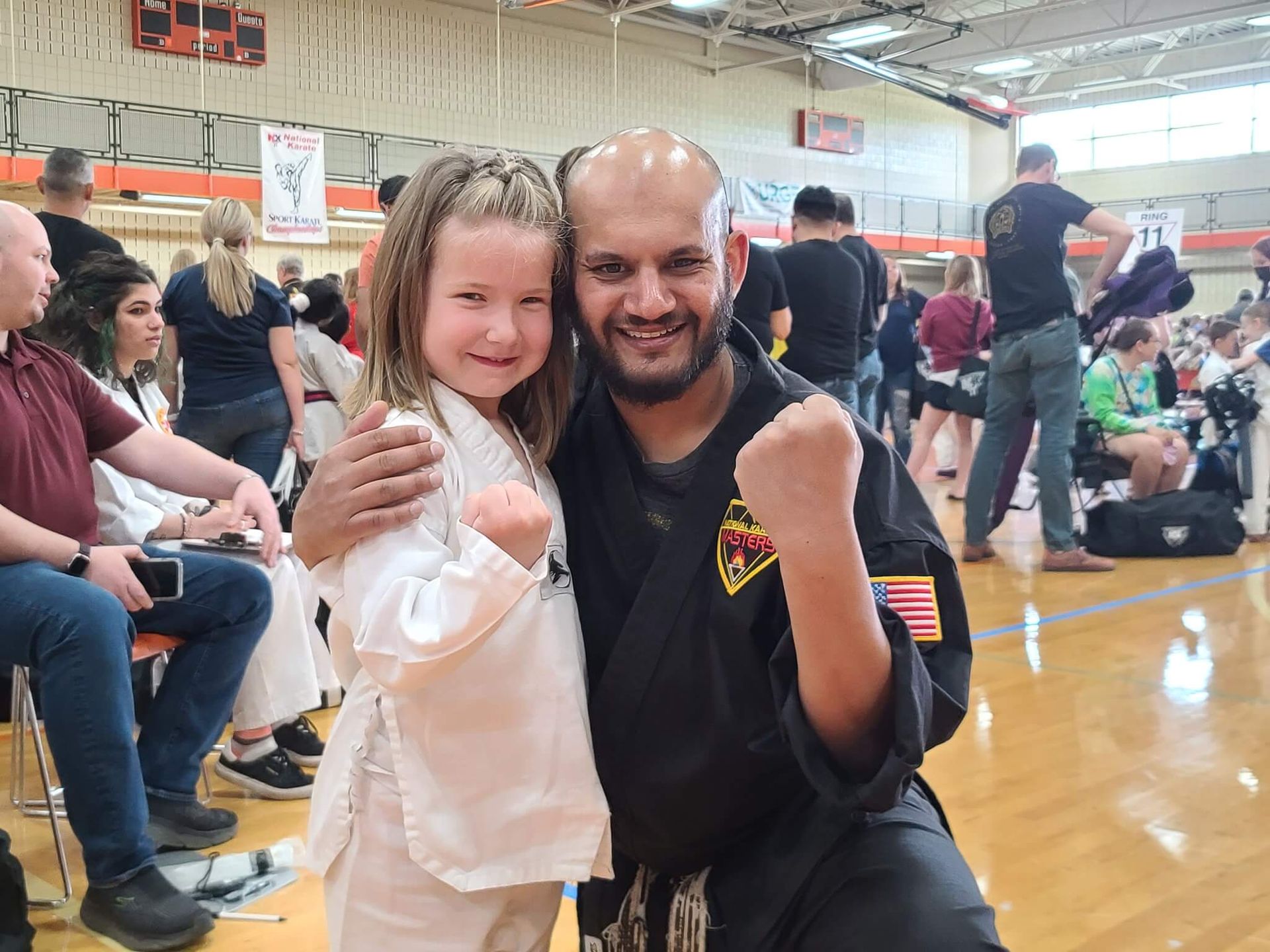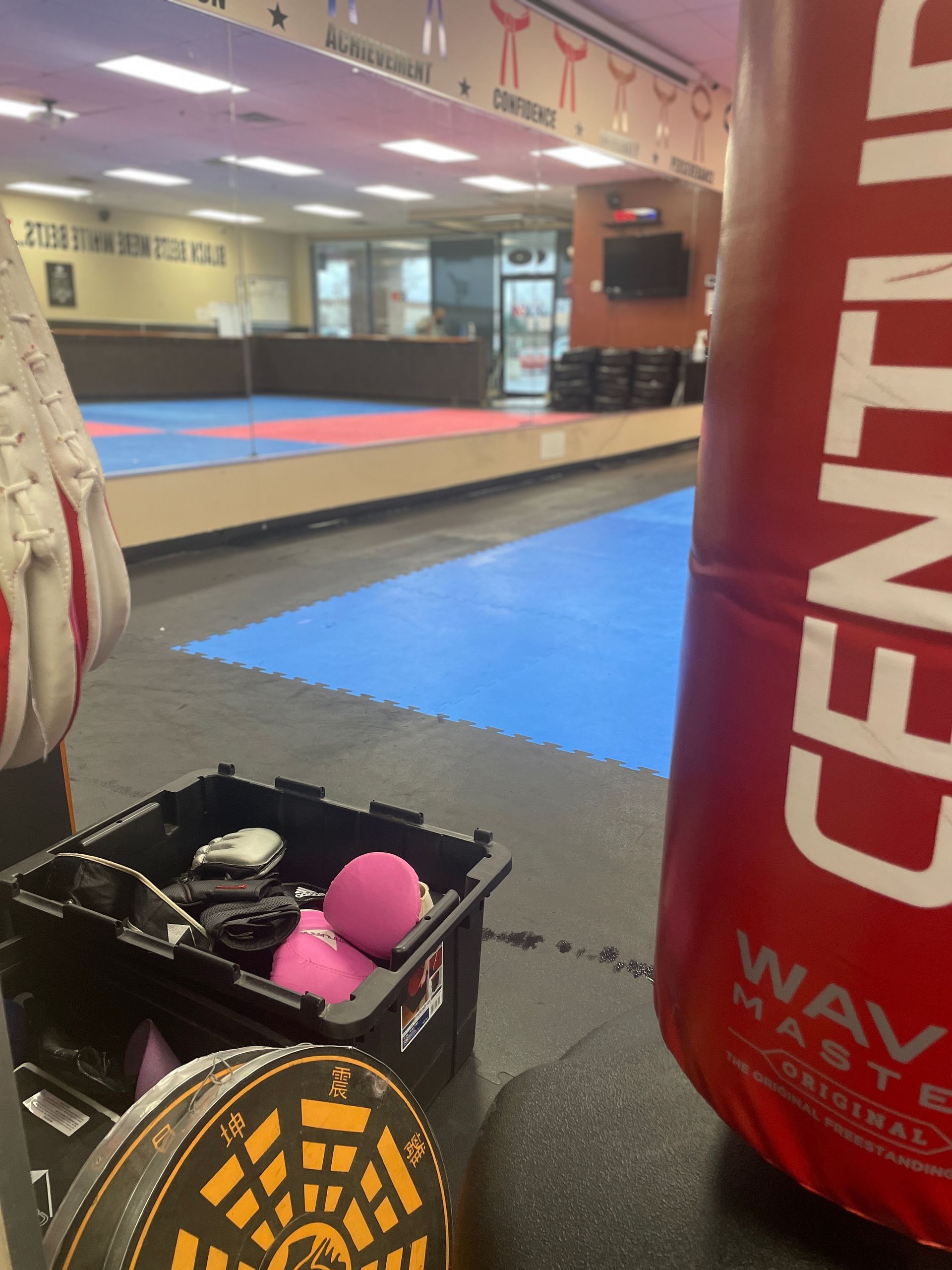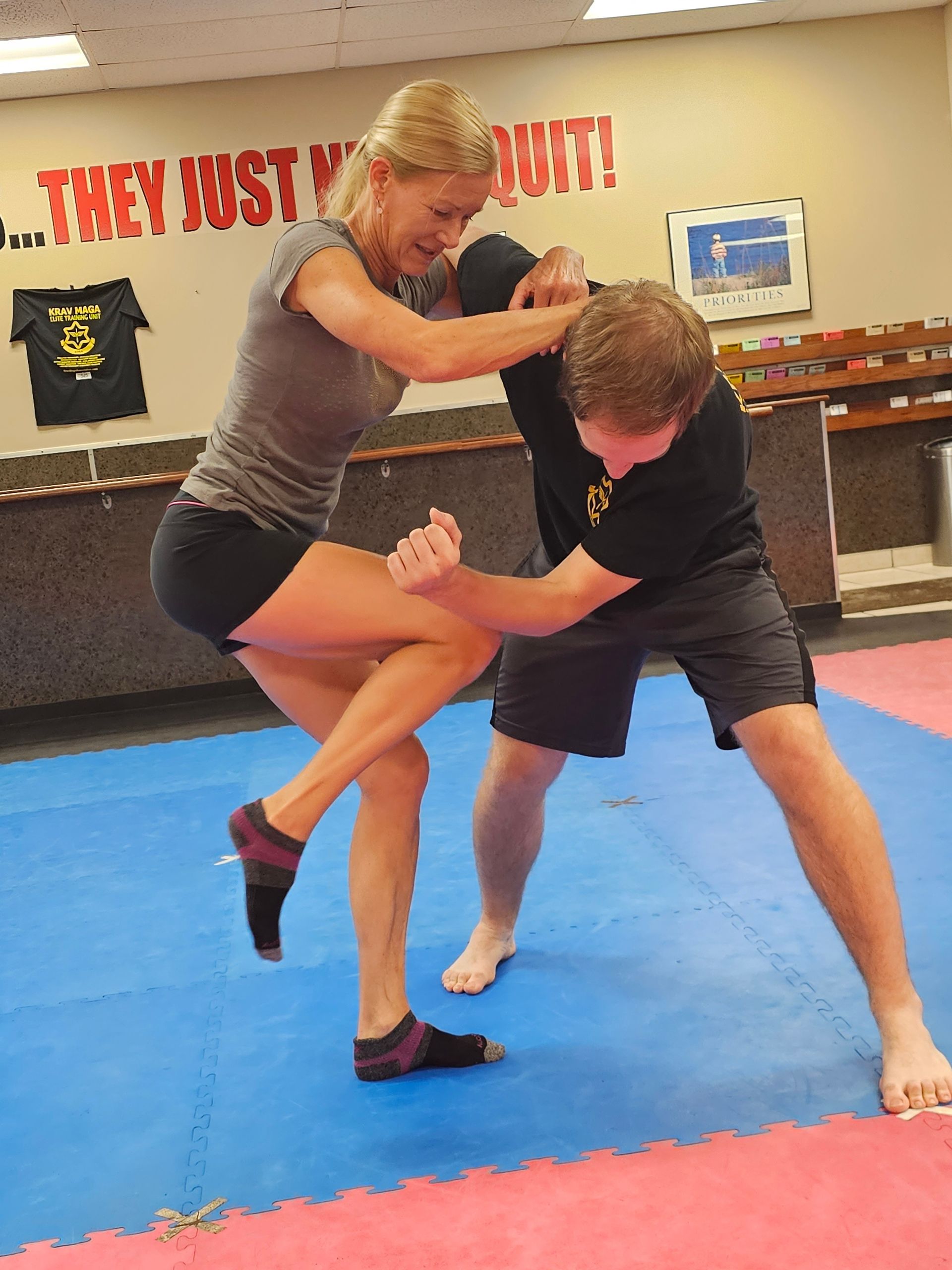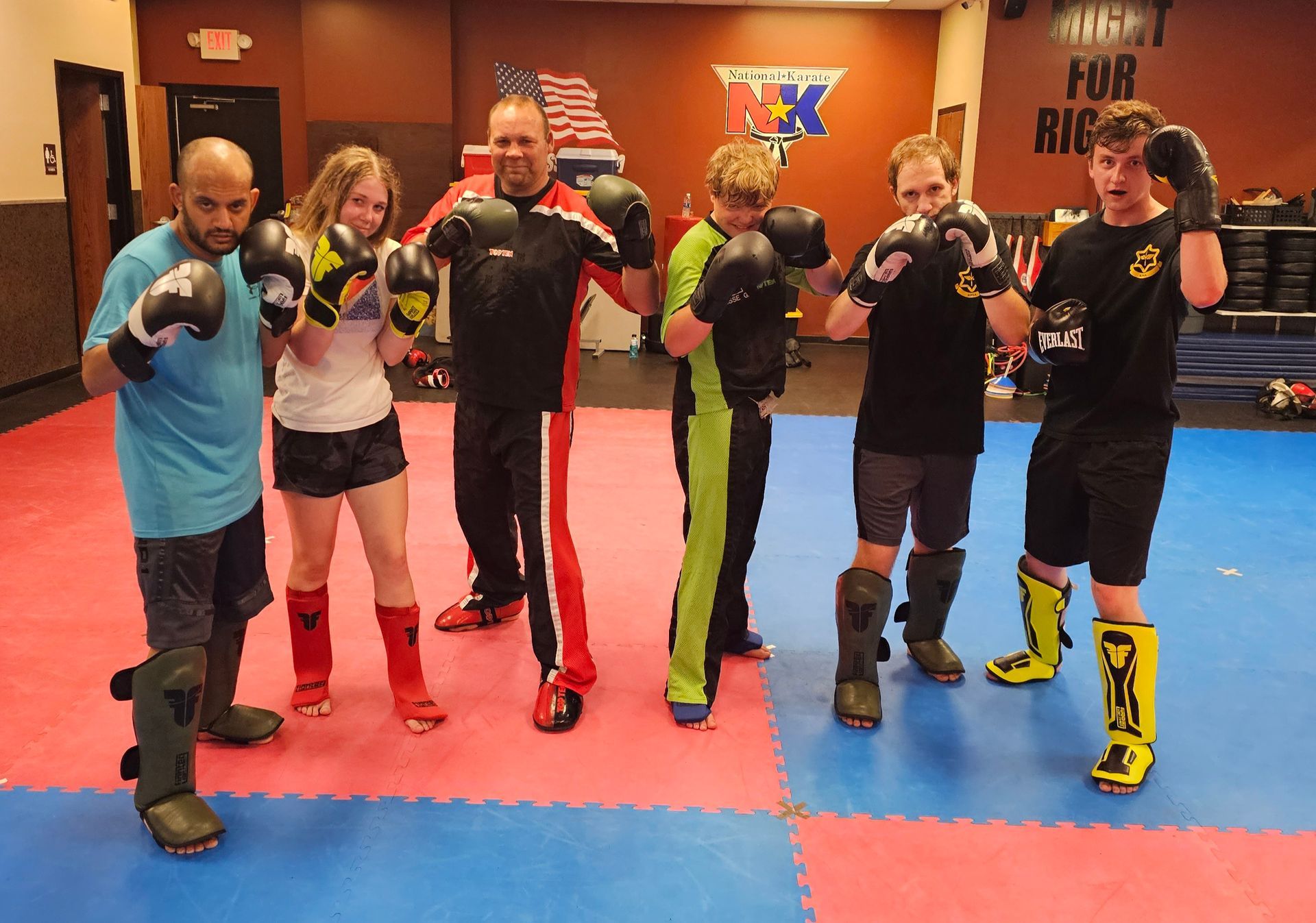
Why Youth Karate in New Berlin Is Great for Reducing Childhood Stress
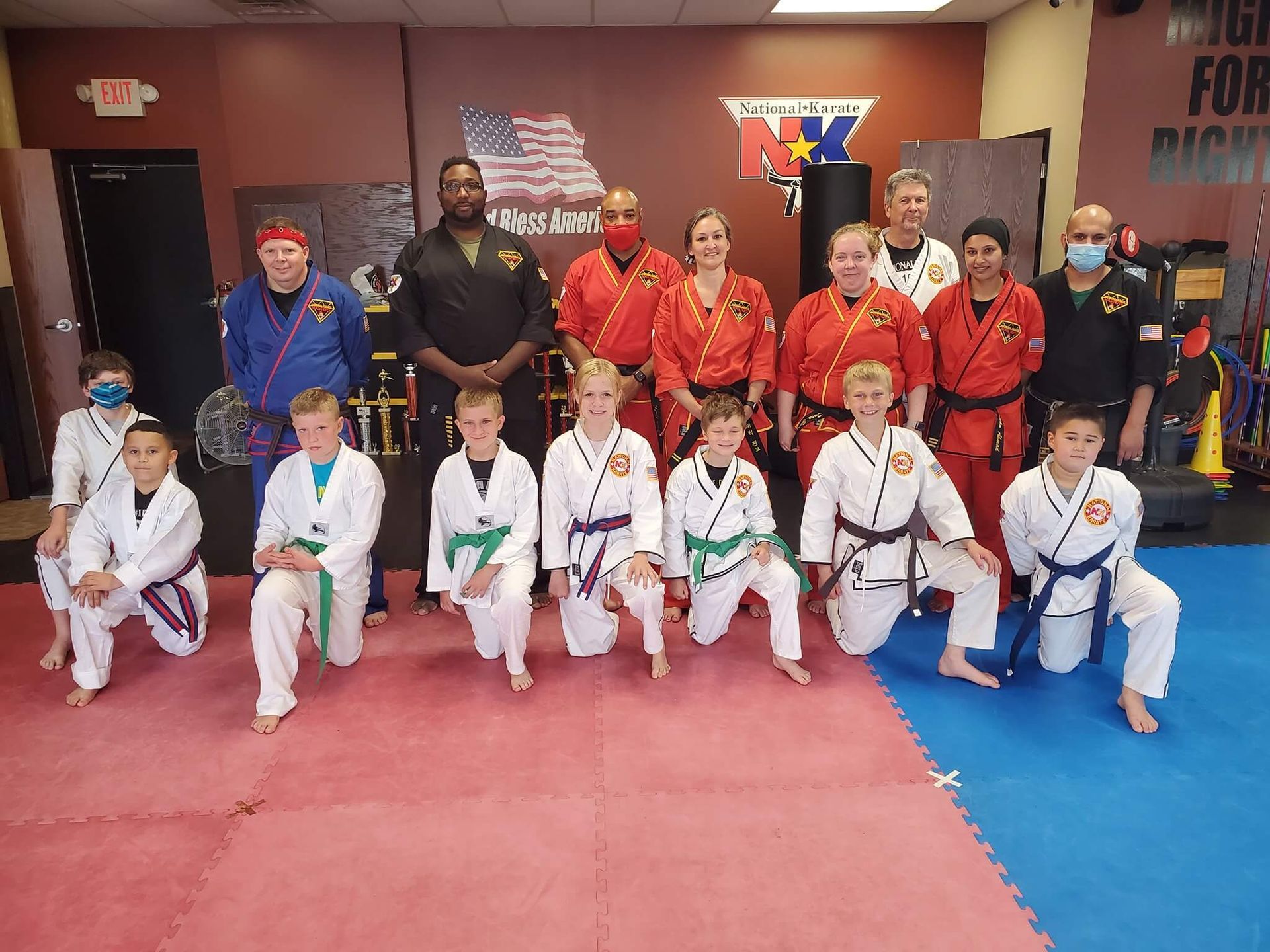
Youth Karate gives kids a clear routine, healthy movement, and small wins they can feel right away.
Stress in kids does not always show up as a big, obvious moment. More often, it looks like irritability after school, trouble focusing on homework, restless sleep, or sudden tears over something small. As parents, you might sense your child is carrying more than you can see, even when life seems normal on paper. We built our Youth Karate program to give New Berlin families a practical tool for handling those everyday pressures.
Youth Karate works best for stress when it does more than “tire kids out.” It needs to teach physical regulation, attention control, respectful behavior, and confidence that feels earned. In our classes, kids move, listen, practice, reset, and leave with a clear accomplishment. That structure is exactly what many children need, especially during busy school seasons and long Wisconsin winters.
If you are looking for Youth Karate in New Berlin because your child seems overwhelmed, distracted, or socially unsure, you are not alone. We serve families who want a positive routine that supports the whole child, not just athletic performance.
Understanding childhood stress: what you may notice at home
Childhood stress has a body component and a behavior component. Kids often do not have the words to say, “I feel stressed,” but you will see the signs. That is why choosing the right after-school activity matters.
Here are common stress signals we hear parents describe:
- Short temper, irritability, or frequent arguments over small requests
- Difficulty concentrating, forgetfulness, or mental “checking out”
- Sleep changes, including trouble falling asleep or waking up tired
- Withdrawal from friends or family time, even when nothing major happened
- Emotional outbursts that feel bigger than the situation
- Low motivation, especially after a challenging school day
An activity that reduces stress should help your child settle their nervous system, not rev it up without direction. Our Youth Martial Arts in New Berlin approach uses movement, focus, and routine to help kids practice calm control while still having fun.
Why movement helps kids regulate stress (and why structure matters)
Physical activity is one of the simplest ways to discharge tension. When kids feel pressure, their bodies often hold it as restlessness, tight shoulders, fidgeting, or excess energy that comes out sideways. Kicking pads, moving through combinations, and practicing stances gives that energy somewhere to go.
But movement alone is not the whole answer. Plenty of kids run around and still feel overwhelmed. Structure is what turns activity into a “reset.” In a well-run Youth Karate class, kids know what is coming next, what the rules are, and how to succeed. Predictability reduces uncertainty, and uncertainty is a major stress trigger for many children.
We keep classes organized and consistent so your child can relax into the process. Over time, that routine becomes familiar, and familiar is calming.
How Karate combines physical effort with mental focus
Karate is not just exercise. It is a skill practice that requires attention. Kids have to listen, remember sequences, control body position, and adjust based on coaching. That blend is powerful for stress management because it interrupts rumination. A child cannot replay a tough social moment from lunch while also focusing on stance, guard position, and timing. Their brain has a job to do, right now.
In Youth Karate, we coach details that build mental control, including:
- Starting and stopping on command, even when excited
- Using controlled breathing during drills
- Holding posture and balance under mild pressure
- Trying again after a mistake without melting down
- Respectful communication with instructors and classmates
None of this is therapy, and we do not frame it that way. But these are real self-regulation reps. Kids practice them weekly, sometimes multiple times a week, and the benefits can carry over into homework time, morning routines, and social situations.
The “stress reset” routine: what a class typically feels like
Parents often tell us they like knowing what their child is walking into. Stress rises when kids feel unsure, especially in new environments. Our Youth Karate in New Berlin classes follow a format that helps students settle quickly.
A typical class rhythm looks like this:
1. Arrival and check-in with clear expectations for behavior and focus
2. Warm-up that wakes up the body and releases the day’s tension
3. Skill practice with repetition, coaching, and achievable challenges
4. Partner or pad work that channels energy in a safe, supervised way
5. A respectful closing ritual that signals completion and progress
That last step matters more than most families realize. Kids leave knowing the session is finished and successful. That sense of closure can be surprisingly grounding, especially for children who spend all day bouncing from one demand to the next.
Small wins build big confidence: why progression reduces stress
Stress often grows when kids feel powerless or “behind.” One reason Youth Karate is so effective is that progress is visible. A technique that felt awkward last week becomes smoother. A shy child speaks up a little louder. A student who used to quit during conditioning finishes the drill. Those are small wins, but they add up to self-efficacy, the belief that “I can improve if I practice.”
We use clear requirements and coaching so kids understand what success looks like. Belts can be part of that, but we also pay attention to progress beyond belts, such as:
- Listening skills and following directions the first time
- Effort during challenging drills, even when tired
- Better posture, balance, and coordination
- Patience with classmates during partner work
- Calm recovery after making a mistake
When kids start seeing themselves as capable learners, stress tends to feel more manageable. School challenges become problems they can work on, not threats they must avoid.
Social connection without the pressure of team sports
Some children thrive in team sports. Others feel anxious about competition, playing time, or letting teammates down. Youth Karate gives students a group setting without putting their progress at the mercy of a scoreboard. Kids can improve at their own pace while still building real social skills.
Partner drills teach cooperation and boundaries. Students learn to take turns, encourage peers, and use respectful contact under supervision. That matters for stress because social uncertainty is a big source of worry for kids, especially as they get older.
In our Youth Martial Arts in New Berlin environment, we focus on respect and character alongside technique. A healthy class culture can reduce isolation and give kids a place where they feel seen for effort, not just talent.
Safety, contact, and sparring: what parents should know
A fair question is, “Is karate safe for my child?” Safety is not just about avoiding injuries. It is also about emotional safety: preventing bullying, reducing embarrassment, and coaching kids through frustration.
We run classes with clear rules for contact and behavior. Partner work is supervised, and we scale drills to age, experience, and readiness. Kids do not need to start with intense contact or advanced training. Our goal is to build skills progressively, not throw beginners into situations that spike anxiety.
If you are wondering about sparring, ask us directly about how and when it is introduced, what protective equipment is used, and what options exist for students who need more time. A good Youth Karate experience should feel challenging, but not chaotic.
Helping shy, anxious, or easily overwhelmed kids participate
Some kids freeze when asked to demonstrate. Others get overstimulated in group settings. We expect that, and we plan for it. Our coaching style supports gradual participation, and we can reduce complexity when a student feels stuck.
Practical ways we help kids succeed include:
- Demonstrating again and breaking steps into smaller pieces
- Letting a child watch one round before jumping in
- Offering quick, specific praise for effort, not perfection
- Giving a brief reset moment when emotions run high
- Redirecting gently and consistently to the next task
You can also talk with us before enrollment about what your child struggles with, whether that is sensory sensitivity, attention issues, or fear of embarrassment. The more we understand your child, the better we can coach the right pace.
Stress vs clinical anxiety: a responsible note for parents
Youth Karate supports wellness. It can help kids manage everyday stress through exercise, routine, mastery, and community. But it is not a replacement for professional mental health care.
If your child has persistent anxiety, panic symptoms, depression, trauma-related reactions, self-harm concerns, or a major change in functioning, we encourage you to speak with a qualified mental-health professional. Training can be a helpful complement, but it should not be treated as a clinical solution.
It is also worth noting that Wisconsin families have real resilience needs. A 2024 Wisconsin Department of Health Services report found 37.3 percent of Wisconsin children experienced at least one adverse childhood experience, and 16.6 percent experienced two or more. That does not mean every child needs the same support, but it does underline why steady, positive routines matter.
Local family logistics: making training work in real life
Families choose Youth Karate in New Berlin when it fits the week, not just the wish list. We are located at 3564 S. Moorland Road, New Berlin, WI 53151, with convenient access for families coming from nearby communities like Brookfield, Muskego, Waukesha, West Allis, and Elm Grove. That local access helps, especially when you are trying to get from school pickup to training without turning the evening into a scramble.
Our studio is clean and designed for focused training. Kids can arrive, transition out of “school mode,” and step into a space with clear expectations and supportive coaching. Over time, that transition becomes part of the benefit. It is a mental boundary between the school day and the rest of life.
For many families, consistency beats intensity. Training once or twice a week, done regularly, often works better than doing a lot for two weeks and then stopping. If you want help choosing a schedule, we can talk through your child’s age, energy level, and goals.
Take the Next Step
Building stress resilience in kids is rarely about one magic fix. It is usually about stacking small, healthy habits: movement, routine, supportive peers, and achievable challenges. Our Youth Karate program is designed to give New Berlin kids that kind of steady structure, with coaching that develops confidence and self-control alongside physical skill.
When you are ready, we can help you choose the right starting point and answer the practical questions that matter, from beginner expectations to class times. Our goal is to make starting feel simple and welcoming at Wisconsin National Karate Kickboxing & Krav Maga.
Support your family's fitness and personal growth with Martial Arts programs designed for all ages.