Why Youth Martial Arts in New Berlin Helps Kids Thrive Off the Mat
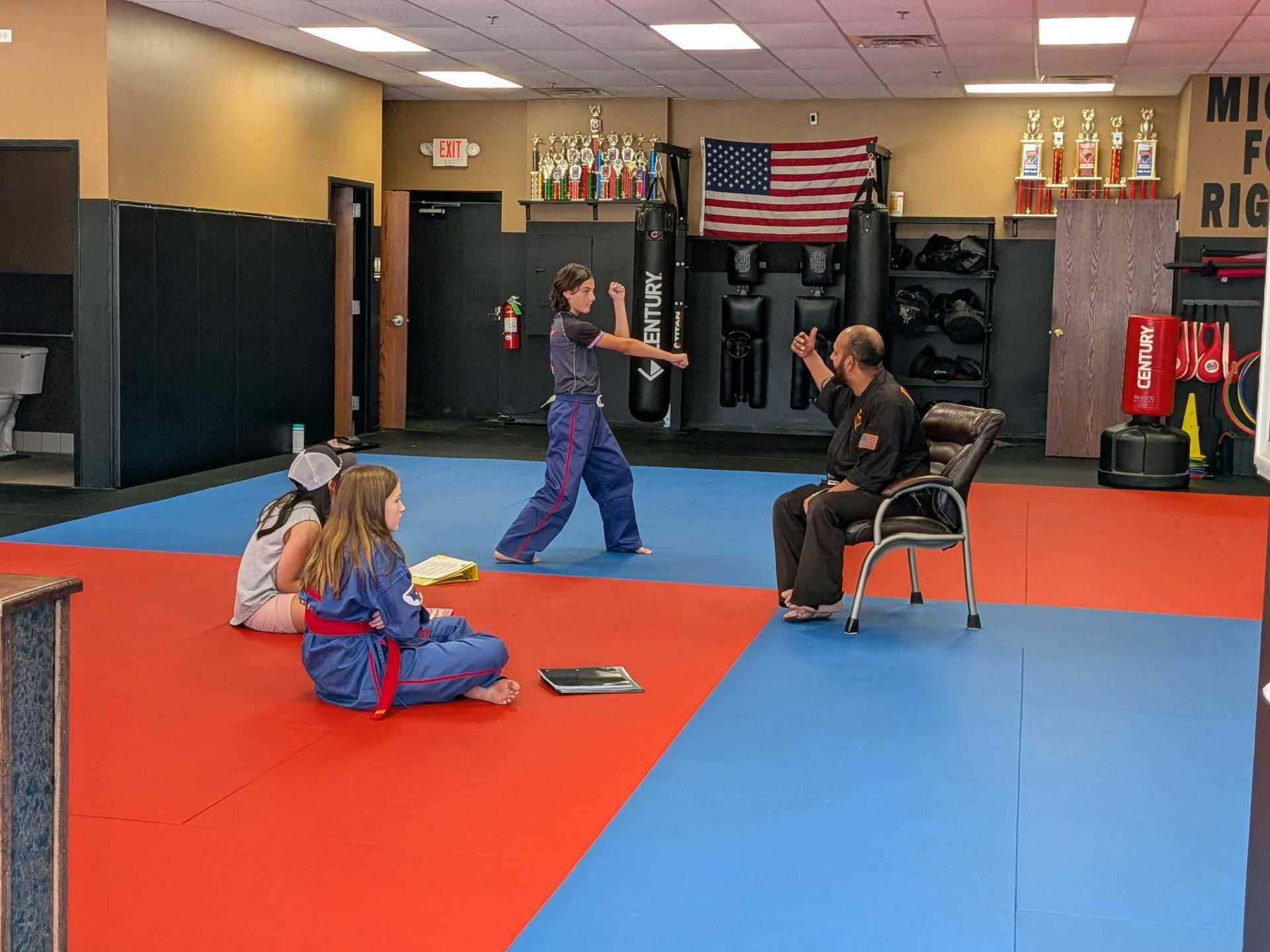
The real win is not a perfect kick, it is the calmer voice, steadier focus, and stronger choices your child brings home.
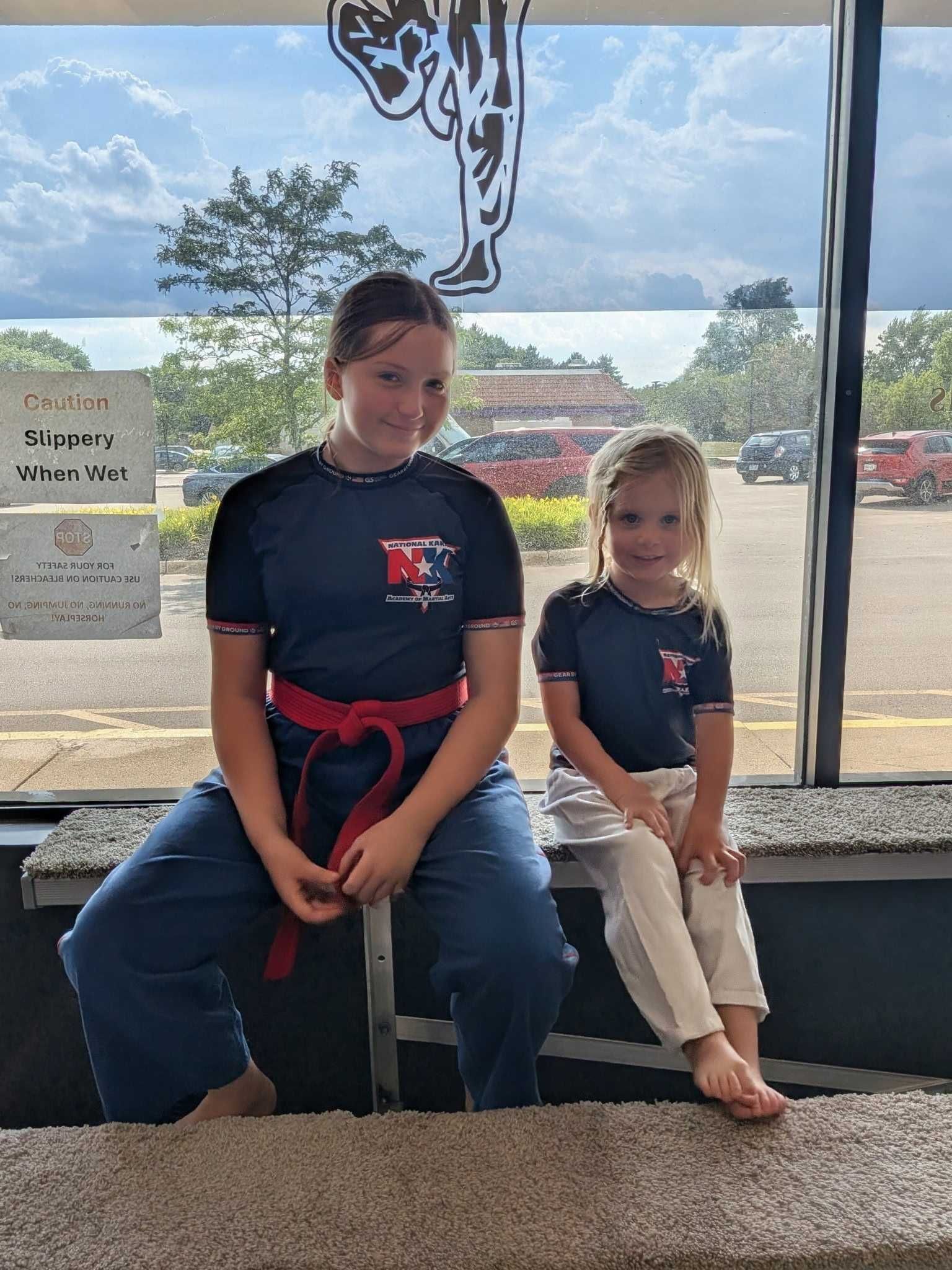
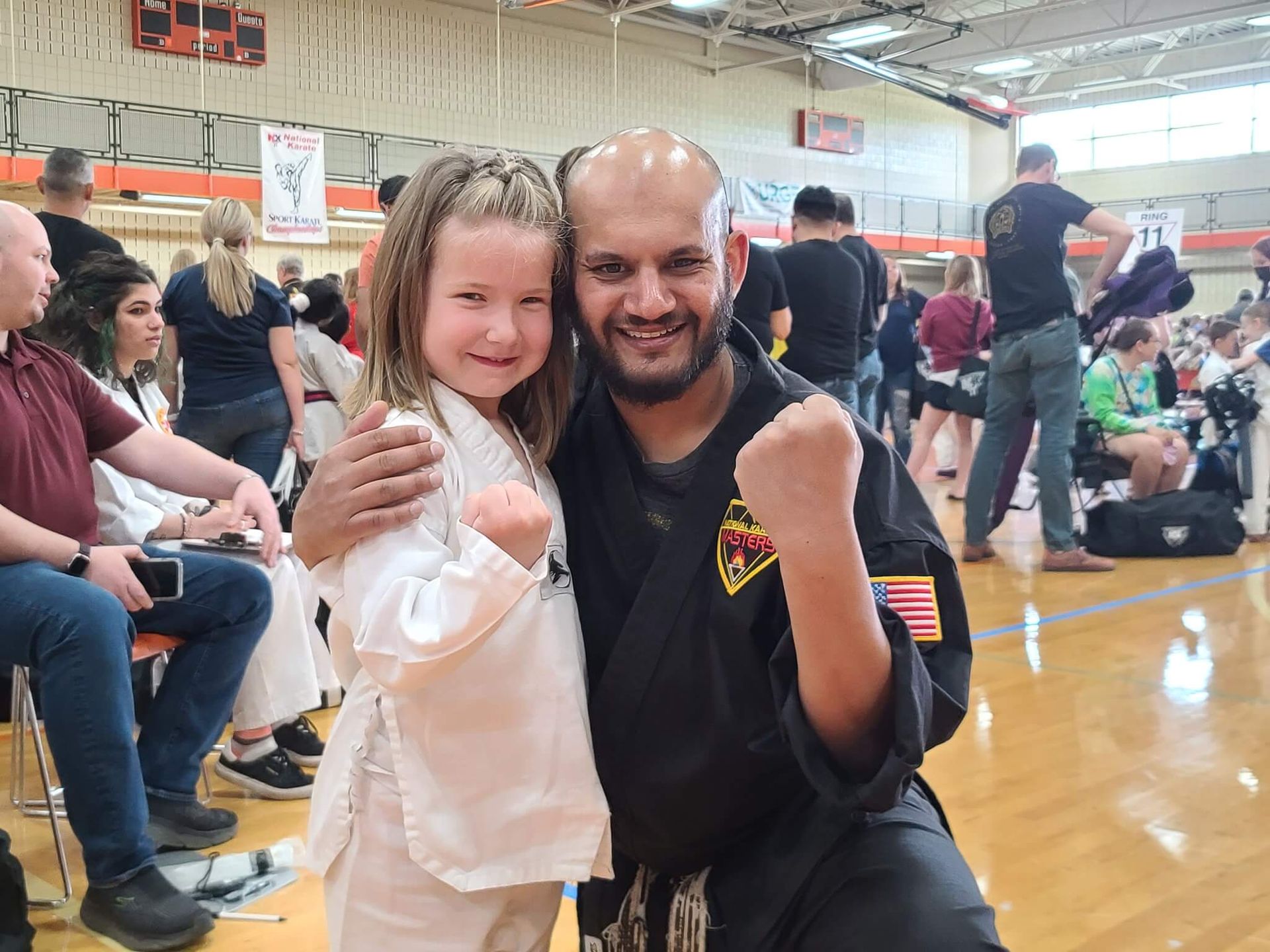
Kids join Youth Martial Arts for all sorts of reasons: to move more, to feel braver, to make friends, or simply to try something that is not another season of the same sport. What often surprises parents is how quickly the benefits show up away from class. A child who struggled to listen starts finishing directions. A shy kid learns to speak up. An energetic kid finds a place to channel intensity without getting in trouble for it.
In our Youth Martial Arts in New Berlin classes, we focus on skills that transfer. The techniques matter, of course, but the bigger goal is helping your child build habits: showing up, paying attention, practicing through frustration, and learning how to handle big feelings with a little more control. Those habits are useful everywhere.
What kids learn beyond punches and kicks
When people picture martial arts, they often think of action: striking, kicking, maybe sparring. In a well-run kids program, the foundation is quieter than that. It starts with structure. Class has a routine, and kids learn that routine through repetition, reminders, and small wins.
Over time, that routine becomes a kind of training for everyday life. A child learns to stand in line without pushing, to wait for a cue, to respond to correction without shutting down, and to try again after a mistake. Those are real-life skills, even if we practice them with a stance and a guard up.
A simple idea we lean on: skill transfer
If you have ever watched your child finally “get” something after weeks of practice, you know the moment. In martial arts, those moments happen a lot, and we try to point them out so kids recognize the process. The same process shows up at school: listen, try, adjust, repeat.
We also connect training to practical situations kids actually face, like peer pressure, teasing, and playground conflict. We do not want kids to walk around looking for a fight. We want kids to recognize choices and keep themselves safe, starting with awareness and calm decision-making.
Physical benefits that support growing bodies
Youth Martial Arts is physical by design, but it is not just “burn energy.” Regular practice can support aerobic fitness, muscular endurance, flexibility, coordination, and balance. Research reviews have found that kids who participate in martial arts can see improvements in body composition and physical performance compared with non-athletic peers when training is consistent and appropriate.
In plain terms, kids get better at moving their bodies. That shows up in small ways parents notice: fewer clumsy falls, better posture, more comfort running and jumping, and more confidence trying new activities.
Why coordination matters more than parents expect
Coordination is not only athletic. It affects how kids sit at a desk, carry a backpack, climb stairs, and stay aware of personal space in a busy hallway. When we teach stance, footwork, and basic technique, we are also teaching body control. A child who can control their body usually finds it easier to control their behavior, too.
Fitness without the pressure to be “the best”
Not every child loves team sports, and not every child thrives in competitive environments. Our Youth Martial Arts in New Berlin classes give kids a way to build fitness with clear expectations and personal progress. Improvement is measured against who your child was last month, not against the loudest kid in class.
Mental and emotional benefits: focus, self-control, and resilience
Parents often come to us hoping for “more discipline.” We get it. But we also think discipline works best when it is positive and clear, not intimidating. Kids respond to routines they can predict, boundaries that make sense, and coaching that helps them fix what went wrong.
Studies and reviews have connected martial arts participation with stronger self-control, emotional regulation, stress management, and mindfulness. The key is the environment: age-appropriate instruction, qualified supervision, and a focus on control rather than aggression.
Focus is a muscle kids can train
Focus is not a personality trait that kids either have or do not have. It is a skill. In class, your child practices focusing in short bursts, then longer ones. Listening to instructions, watching a demonstration, repeating a technique, and staying on task during drills all reinforce attention.
And there is a helpful side effect: when kids learn how to focus, they also learn how to recover focus after losing it. That bounce-back is huge for homework, chores, and classroom behavior.
Handling frustration without melting down
Martial arts is full of “not yet” moments. A technique feels awkward. A combo gets mixed up. A student forgets a step. We treat those moments as part of training. Kids learn that frustration is not an emergency, it is information.
For many students, resilience grows from repeated exposure to manageable challenges. That does not mean we push kids past readiness. It means we help kids practice staying steady while they learn.
Social growth: respect, cooperation, and better communication
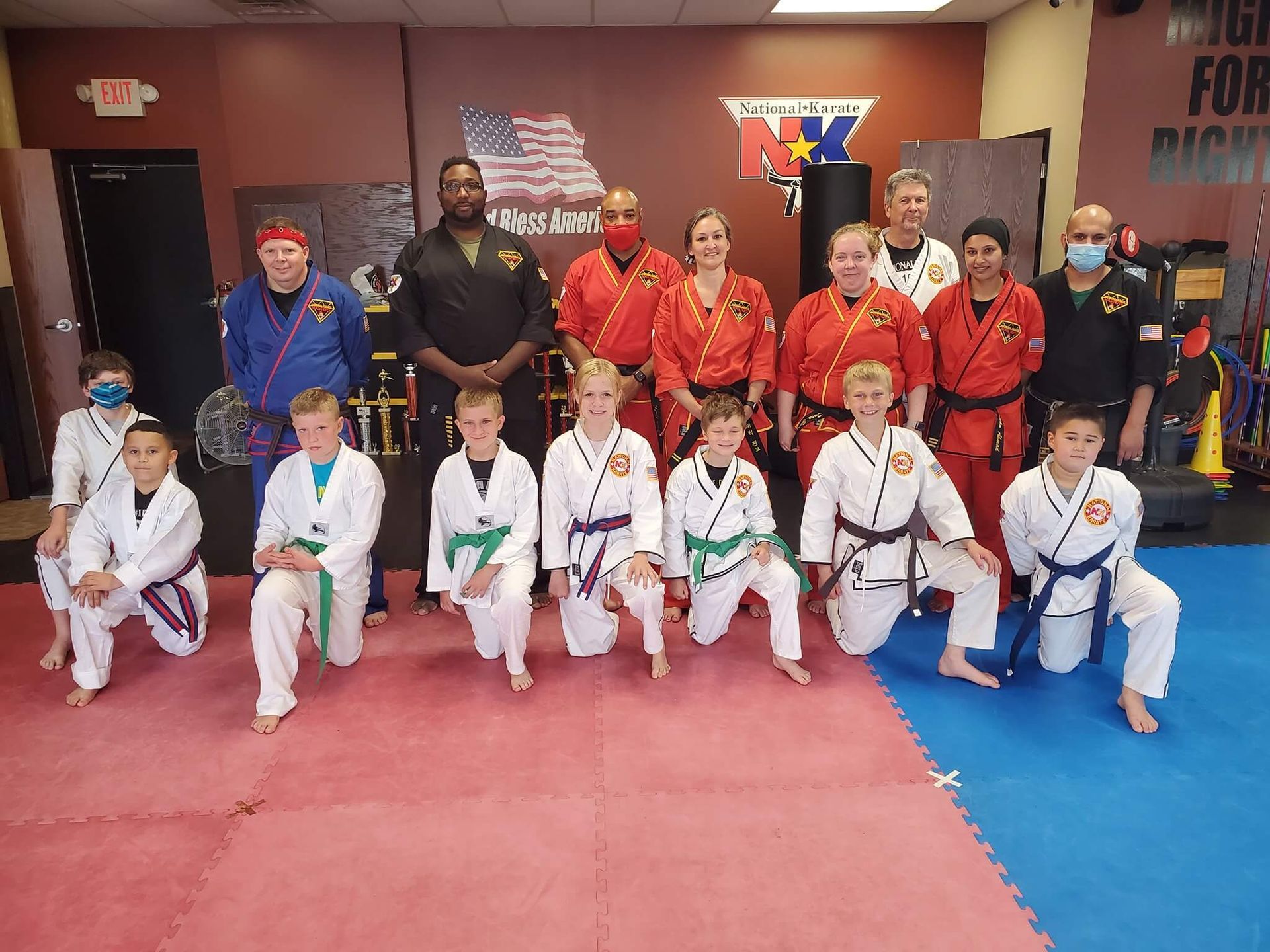
A strong Youth Martial Arts program teaches kids how to be part of a group. That might sound simple, but it is a major life skill. Students practice taking turns, working with partners, and giving each other space. They learn that respect is not a speech, it is behavior.
Martial arts culture often emphasizes courtesy, discipline, cooperation, and responsible conduct. We reinforce those values in ways kids can understand: how to line up, how to listen when another student is talking, how to encourage a partner instead of showing off.
Confidence that does not turn into cockiness
Parents sometimes worry that martial arts will make a child more aggressive. Done poorly, any activity can feed the wrong mindset. Done well, martial arts teaches restraint. We coach kids to keep control, to use skills only in class or for safety, and to prioritize walking away from conflict.
Some research reviews have reported associations between martial arts participation and reduced bullying behavior, but outcomes depend heavily on teaching approach and program quality. Our goal is simple: help kids feel capable without needing to prove it.
A welcoming place for different personalities
We work with kids who are loud, quiet, anxious, energetic, stubborn, sensitive, or all of the above depending on the day. Progress does not look identical for every student. Some kids need help speaking up. Some need help slowing down. The program is built to support both.
There is also promising early research suggesting martial arts-based interventions may help some children with special educational needs improve calmness, frustration tolerance, social skills, and confidence. Every child is unique, so we always encourage you to share anything we should know, including ADHD, anxiety, sensory needs, or learning differences.
How safe youth instruction should work
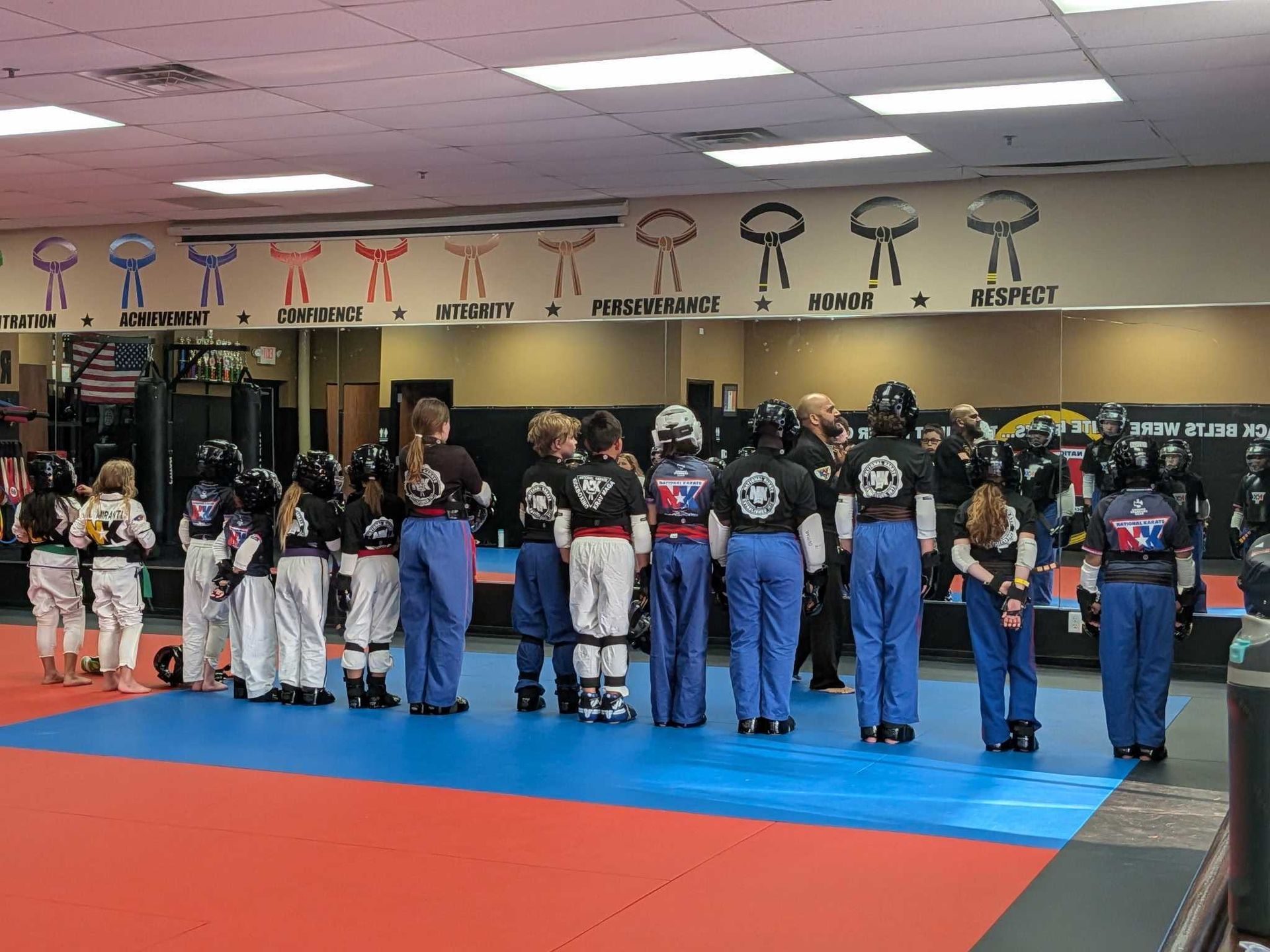
Safety is not one rule, it is a system. It includes how we structure class, how we group students, how we introduce contact, and how we coach kids to protect each other while learning.
In general, noncontact technique practice and controlled drills tend to carry lower injury risk than sparring or competition. Contact can be valuable when introduced at the right time, but it has to be gradual and supervised. Pediatric guidance emphasizes that instructors should consider a child’s age, maturity, size, experience, and physical and emotional readiness before introducing contact training.
We also keep expectations realistic about protective gear. Equipment can reduce some injuries, but headgear has not been shown to prevent concussion. That is why we do not treat gear like a magic shield. We treat control, coaching, and readiness as the real safety tools.
A gradual path builds confidence without rushing kids
Here is the progression we aim for, because it protects confidence as much as it protects bodies:
1. Learning etiquette, listening skills, and class routines so your child feels oriented
2. Building balance, stance, and basic movement so techniques have a stable base
3. Practicing on pads and targets to develop control, timing, and safe impact
4. Introducing partner drills with clear rules, light contact, and tight supervision when appropriate
5. Offering advanced training goals for students who want to go further, including leadership opportunities
That gradual approach is one reason Youth Karate in New Berlin can feel like a “fit” even for kids who are nervous at first. Your child is not expected to act like an adult athlete. Your child is expected to learn.
What you should look for in a Youth Martial Arts program
Because parents are trusting us with something important, we think you deserve transparency. When you watch a class, you should be able to see structure and care, not chaos. You should hear clear coaching, not yelling.
A few practical signs that Youth Martial Arts in New Berlin is being taught responsibly include:
• Age-appropriate groupings so beginners are not thrown in with advanced students
• Clear class routines that reduce confusion and help kids settle quickly
• Coaches who correct behavior calmly and consistently instead of embarrassing kids
• Safety rules that are repeated often, not only when something goes wrong
• A gradual approach to contact that matches readiness instead of rushing for intensity
• A strong message about boundaries, awareness, and de-escalation, not “fight first” thinking
If you are unsure, bring questions. We would rather spend extra time answering them than have you guessing about how class works.
What a first class with us may feel like
First classes are usually a mix of excitement and nerves. We keep the early experience simple and supportive. Your child will warm up, practice basic movement, learn a few foundational techniques, and try drills that help with coordination and listening. We close class by reviewing what went well and what to work on next.
Beginners do not need to be “in shape,” and your child does not need prior experience. We build fitness gradually, and we coach technique in a way kids can absorb without getting overwhelmed. If your child forgets something, that is normal. We expect it, and we teach them how to reset and try again.
If you are wondering about uniforms and gear, we will walk you through it. The goal is to keep the first step easy, so your child can focus on learning and feeling comfortable in the room.
Frequently asked questions from New Berlin parents
What age can my child start?
It depends on attention span, motor skills, and emotional readiness. We can help you decide after a quick conversation and a trial class.
Is Youth Martial Arts safe?
It can be very safe when training is age-appropriate, supervised, and contact is introduced gradually. We prioritize technique, control, and structured drills.
Will Martial Arts make my child aggressive?
Our teaching emphasizes respect, restraint, and responsible choices. Skills are for supervised practice and personal safety, not intimidation.
Does my child have to compete?
No. Many students train for confidence, fitness, and self-improvement without competing.
How often should kids attend?
Consistency matters most. Two classes per week is a practical starting point for many families, and we can help you match training frequency to your schedule.
Take the Next Step
If you want your child to gain more than just techniques, Youth Martial Arts can be a smart, steady way to build habits that show up at school, at home, and with friends. We keep the experience structured, encouraging, and safety-focused so kids can grow without feeling pressured to be perfect.
At Wisconsin National Karate Kickboxing & Krav Maga, our Youth Martial Arts programs in New Berlin are built around that off-the-mat progress: calmer choices, stronger focus, and confidence that stays respectful. When you are ready, we would love to help you explore the best starting point for your child.
Put what you have learned into practice with Martial Arts training at Wisconsin National Karate Kickboxing & Krav Maga.