Karate and Mindfulness: Enhancing Mental Clarity for New Berlin Learners
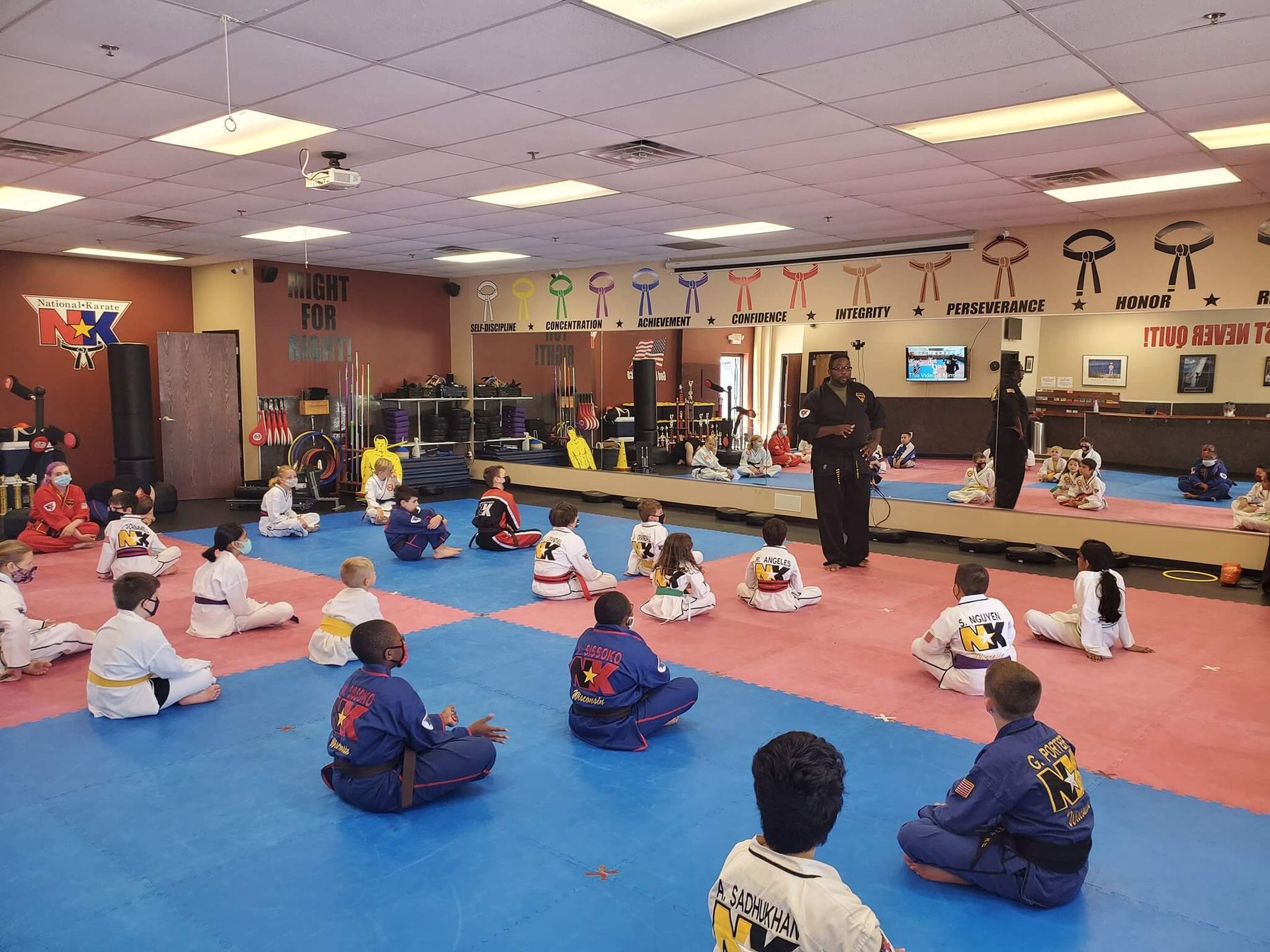
Karate is not only a workout, it is a repeatable way to calm your mind, sharpen your focus, and reset your day.
When most people think about Karate, they picture kicks, punches, and maybe a little bit of dramatic movie energy. In real training, what stands out first is quieter: how quickly your attention narrows to the moment in front of you. In our New Berlin classes, that shift is not accidental, it is built into the way we teach fundamentals, forms, and partner drills.
Mindfulness can sound abstract until you feel it in your body. A steady stance, controlled breathing, and a clear objective all pull you out of mental clutter and into something more useful. That is why we talk about mental clarity alongside technique, especially for students balancing school, sports, screens, and a busy family schedule.
Whether you are enrolling your child or starting your own practice, you can treat training as a mental skill set you can actually measure. You will notice it in how you handle frustration, how quickly you recover after mistakes, and how much easier it becomes to focus when it counts.
Why mindfulness belongs in Karate training
Mindfulness is simply attention with intention. In class, we practice that through structure: you line up, you bow in, you breathe, you listen, you move. Those rituals might look formal from the outside, but the real value is that they create a switch from everyday mode into training mode.
Karate gives your mind a single job at a time. When you are learning a block, your shoulders cannot be tense and your breathing cannot be chaotic if you want clean technique. When you are practicing footwork, you cannot drift mentally and still land where you need to land. Over time, this becomes a habit: you learn how to place your focus on purpose.
For many New Berlin learners, that is the missing piece. You do not need more motivation speeches. You need a method you can repeat when you are stressed, distracted, or overwhelmed. Our classes are designed to make that method feel normal.
The mental clarity loop: breath, posture, and attention
A lot of mental fog is physical. Shallow breathing, tight shoulders, and scattered posture feed scattered thinking. In training, we correct posture and movement constantly, and the mind tends to follow.
We use focused breathing in warmups and during skill practice to keep energy steady. When students feel nervous, breathing anchors them. When students feel tired, breathing stabilizes them. When students feel angry or impulsive, breathing slows the reaction down just enough to choose a better response.
That small pause is where clarity lives. It is not mystical, it is practical.
How kata builds focus in a way screens cannot
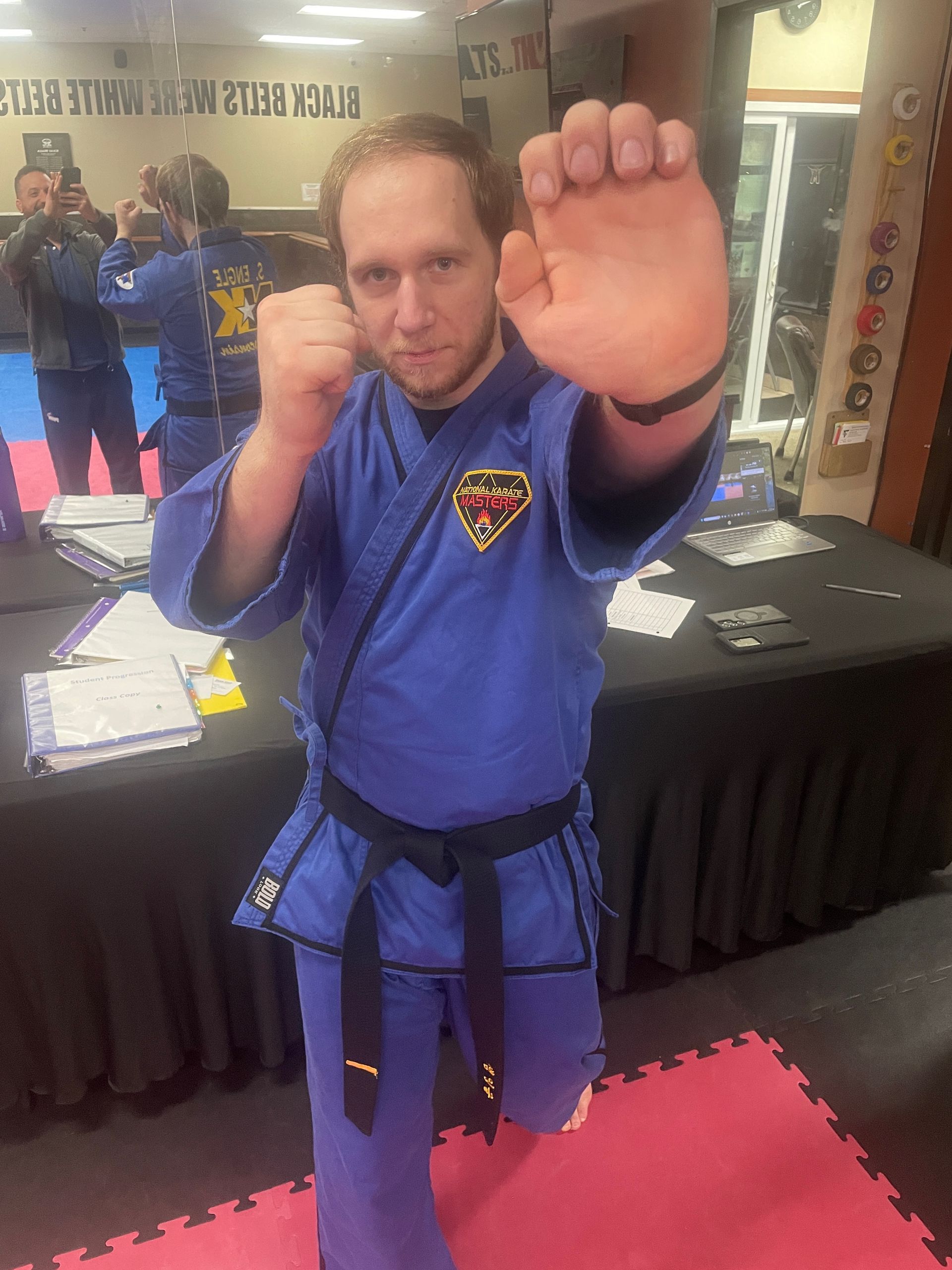
Kata, or forms, are memorized sequences of techniques that require timing, direction changes, balance, and intent. They are also one of the most effective mindfulness tools inside Karate, because kata forces you to stay present through a moving checklist. You cannot complete it well while thinking about five other things.
In our classes, kata is not treated like a performance. We teach it as a training instrument. You learn how to keep your eyes up, how to breathe through transitions, and how to reset after a mistake without spiraling. That last part matters more than people expect.
A typical student path looks like this: at first, the sequence feels like a lot. Then you start catching the pattern. Then you start noticing details like hip rotation, stance depth, and the moment you tend to rush. That moment you notice your own habits is mindfulness in action.
Kata also supports confidence for kids who are still learning how to speak up. They do not have to be loud to be strong. They can be precise, consistent, and calm, and that calm shows up in school and at home.
Meditation and stillness: the skill most students underestimate
We keep stillness simple. You do not need an hour-long session or a silent retreat. In training, a short moment of quiet before or after class helps your nervous system shift gears. Think of it like letting snow settle in a shaken globe.
For youth students, stillness is taught in a way that feels achievable. We ask for good posture, quiet hands, and steady eyes. That is it. For adults, we treat it like recovery: a way to reduce stress, lower mental noise, and leave class feeling clear instead of scrambled.
Meditation in a martial arts setting also feels different because it is connected to action. You are not trying to empty your mind forever. You are practicing the ability to return to a single point of focus, again and again, on purpose.
Youth benefits: structure, confidence, and calmer decision-making
Families often come to us looking for help with focus, listening skills, and self-control. We respect those goals, and we also keep expectations realistic: growth happens through repetition. The good news is that kids respond to a consistent training rhythm faster than many adults think.
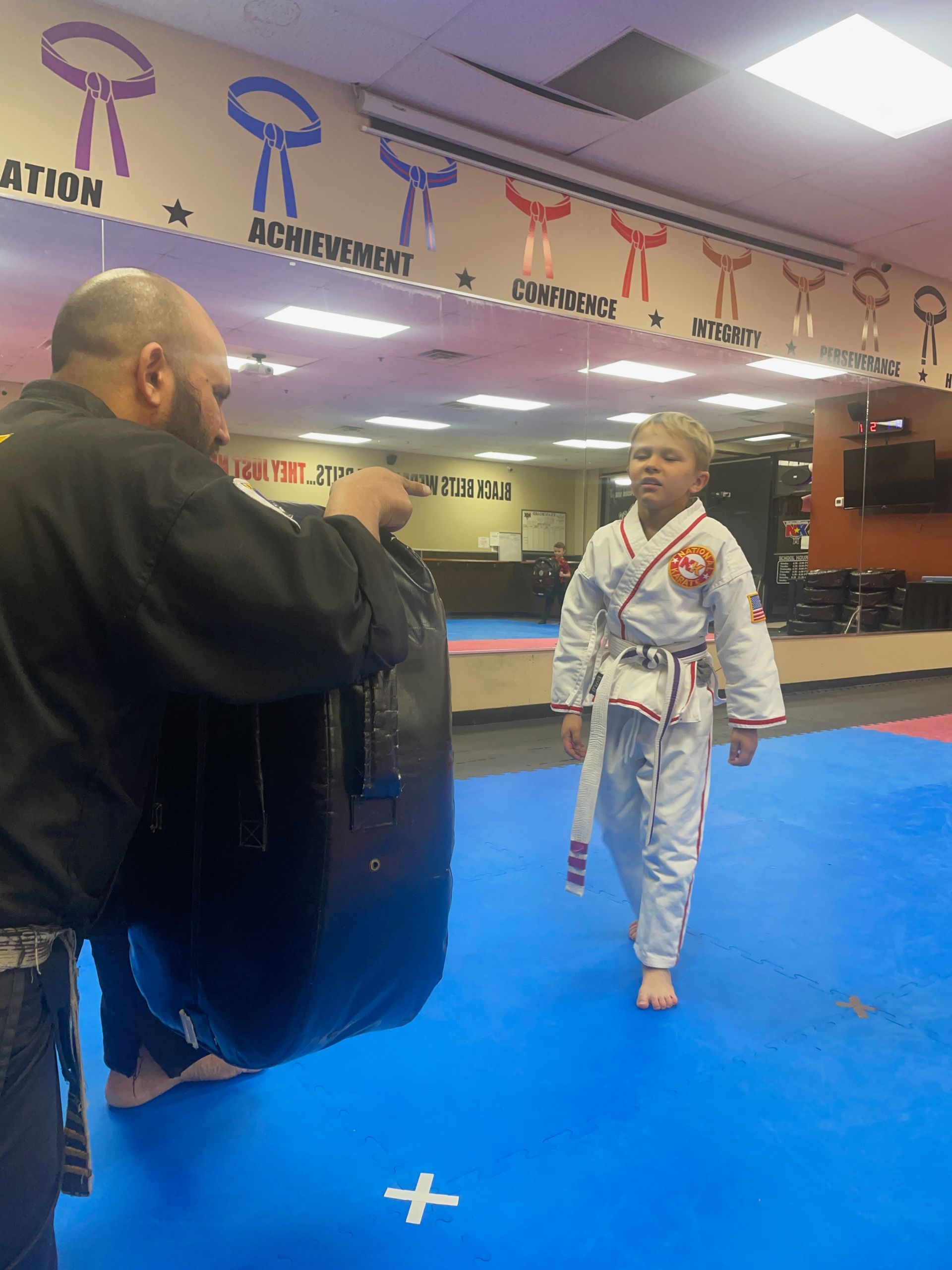
Our approach to Youth Martial Arts in New Berlin emphasizes discipline without harshness. Students learn to follow directions, line up correctly, and take correction with a good attitude. Those are life skills, and they show up outside the dojo in ways parents notice quickly.
For Youth Karate in New Berlin, mental clarity often looks like this:
- A child pauses before reacting, instead of blurting or melting down
- Homework time gets smoother because focus is more practiced
- Confidence improves because progress is visible and earned
- Respect becomes a habit, not a lecture topic
- Social skills improve because training builds camaraderie and shared effort
We also train in a way that helps kids feel safe. Clear boundaries, clean technique, and patient coaching matter, especially for younger students starting around age six and learning what it feels like to be part of a structured group.
Adult benefits: stress relief you can feel on the drive home
Adults carry stress differently. It sits in the jaw, the shoulders, the low back, the constant mental to-do list. Karate is physical, yes, but it is also organizing. You come in with scattered energy and you leave with a plan: breathe, move, focus, repeat.
Our adult students often describe the same thing in different words: class is the hour where the outside world stops crowding in. You are thinking about stance, distance, timing, and control. You are sweating, but you are also regulating your mind.
If you are dealing with a demanding job, parenting, or just a busy schedule, training becomes a reliable reset. We see that especially in evening classes, where students walk in tense and walk out calmer.
Mindfulness under pressure: partner drills and controlled sparring
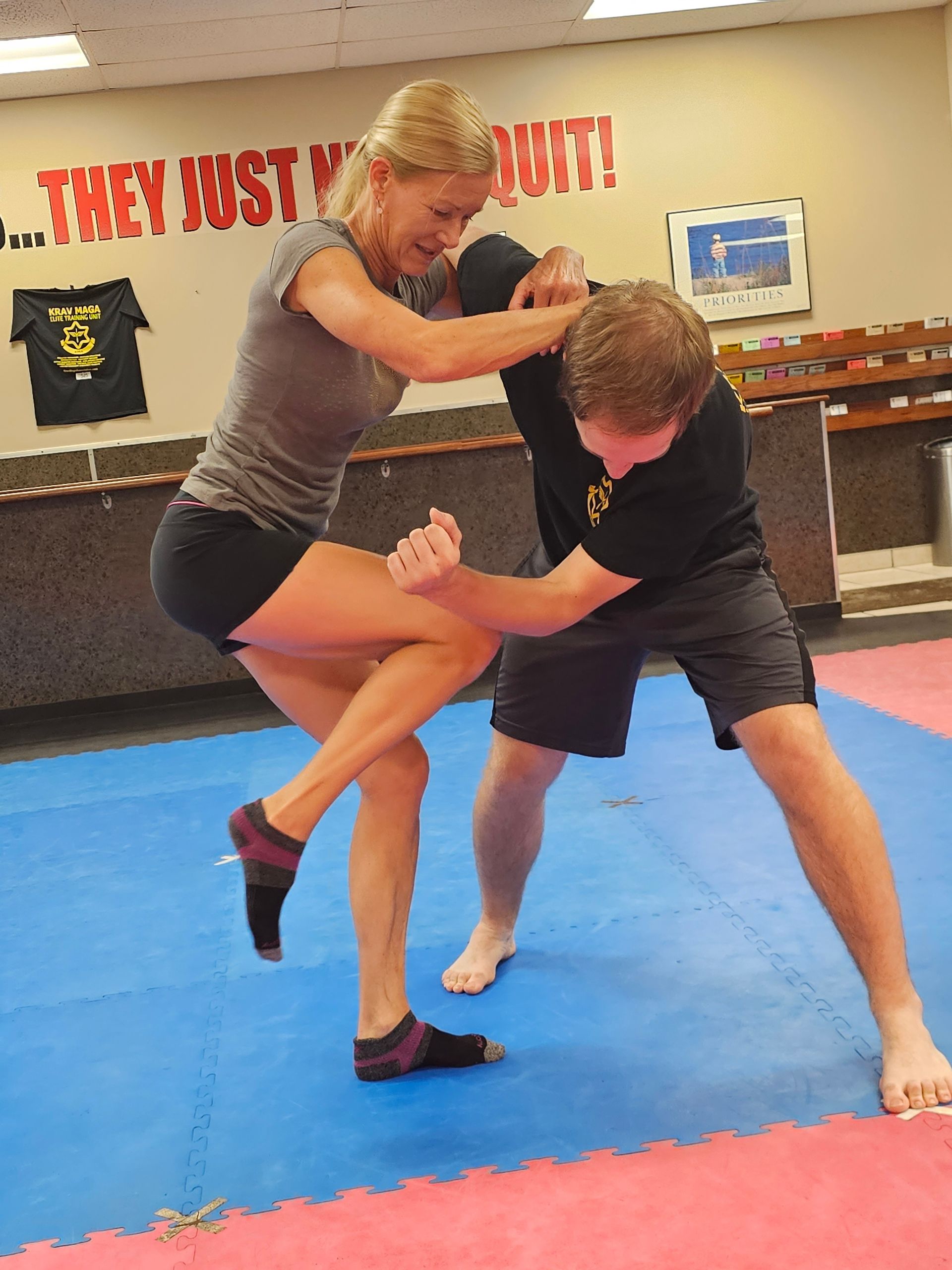
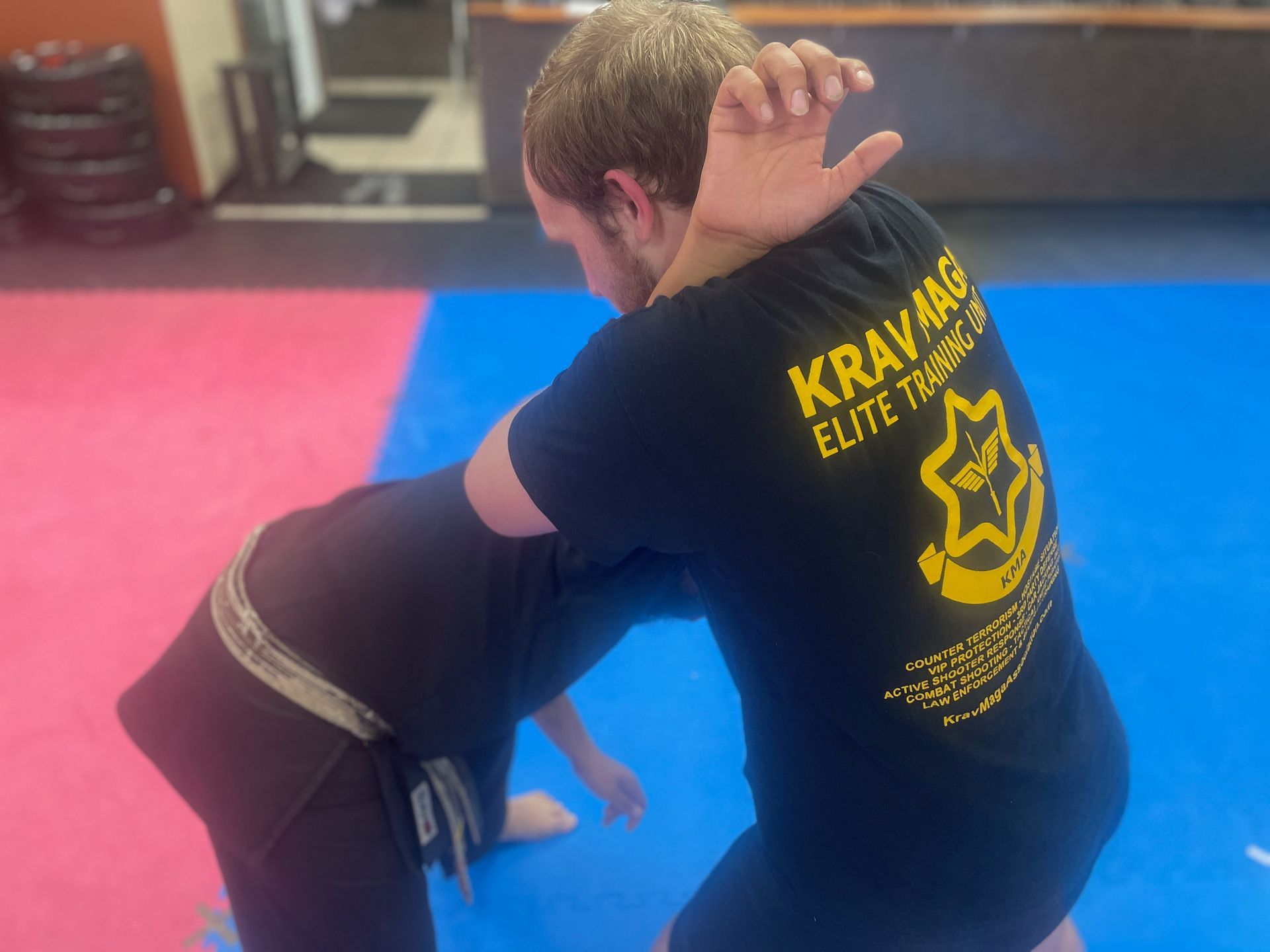
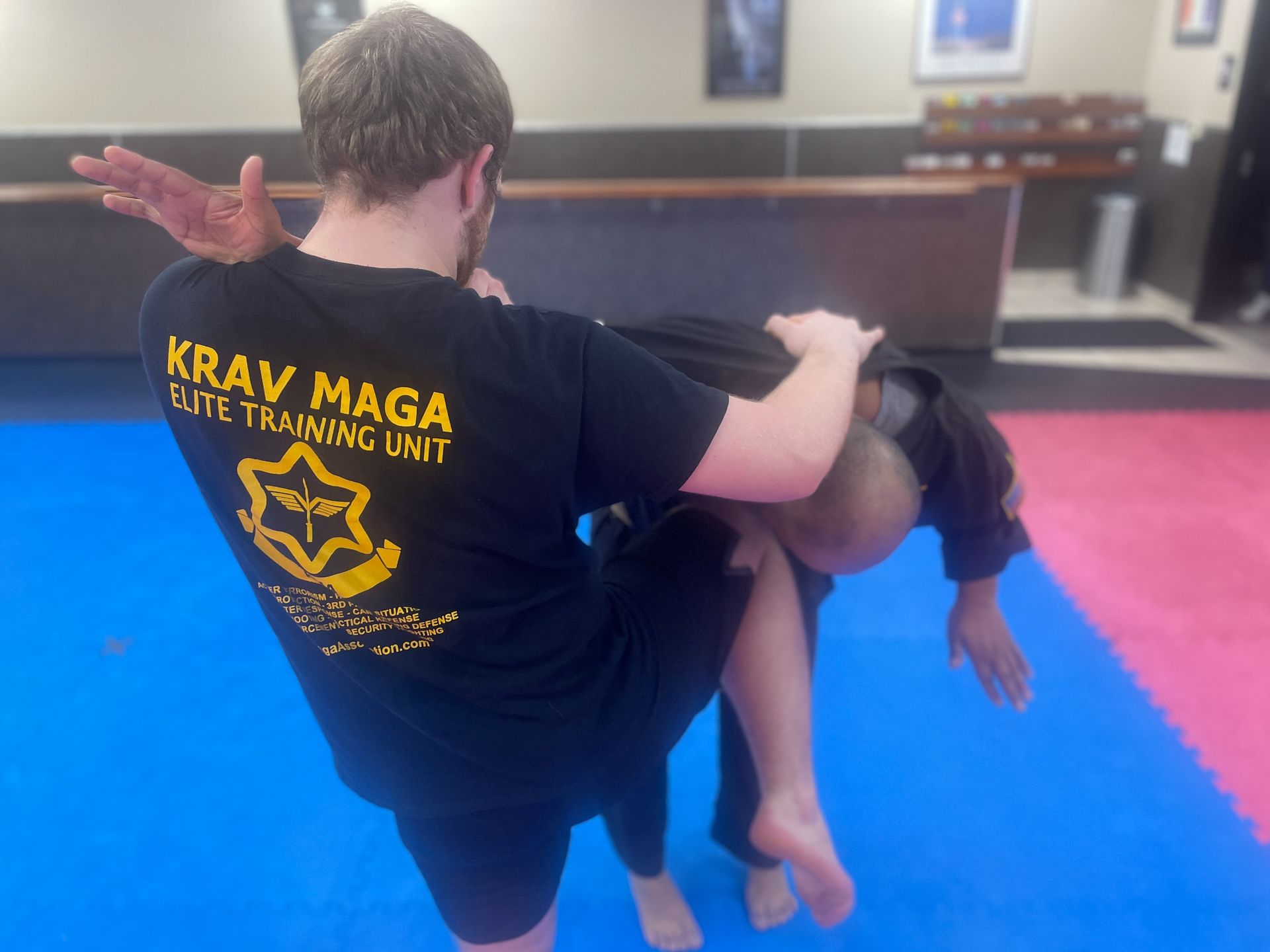
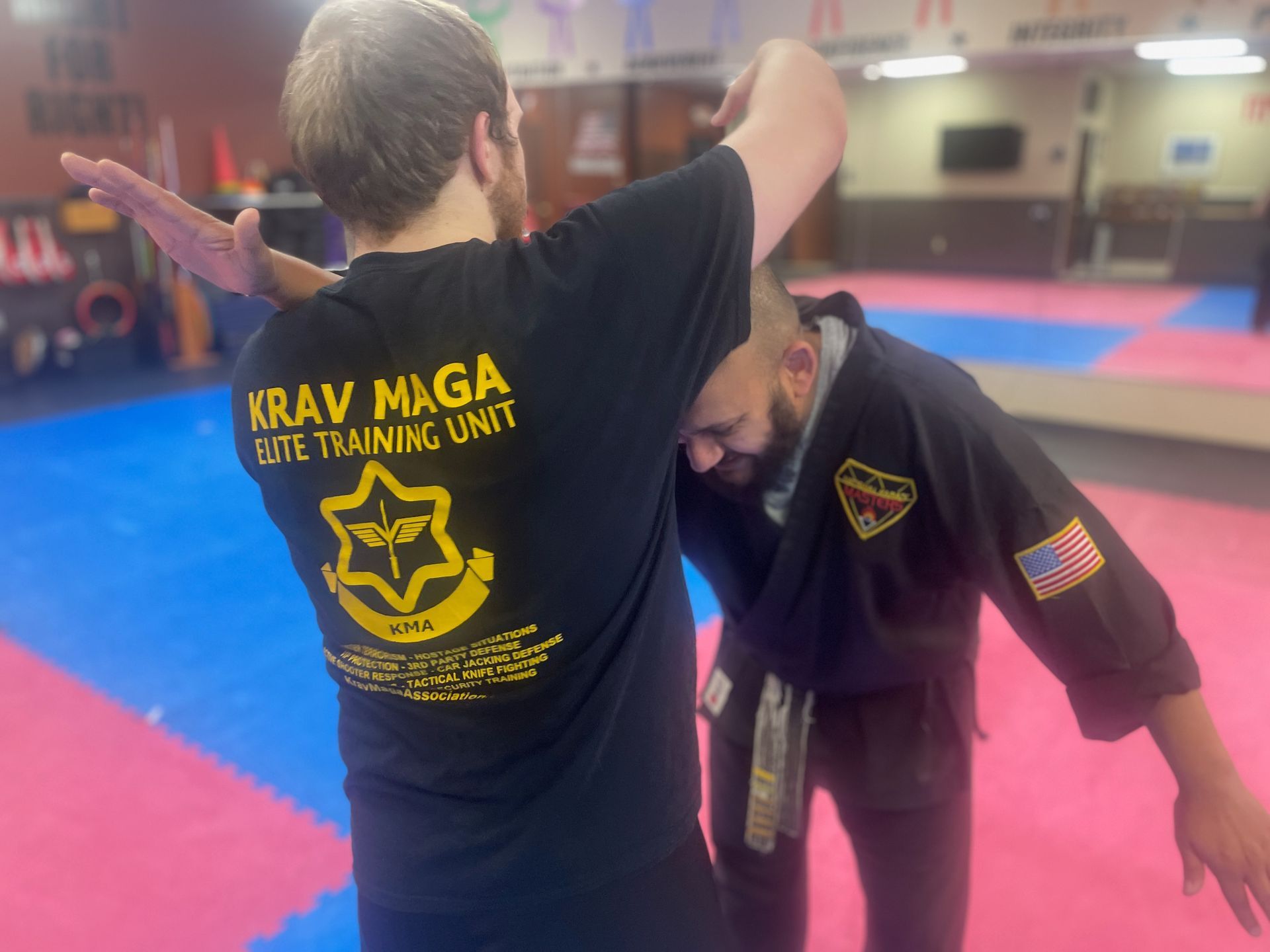
Mental clarity is easiest when everything is quiet. Real progress is when you stay clear while something is happening fast. That is why we use partner drills: they teach you to read motion, stay composed, and respond without panic.
Controlled sparring, when appropriate for the student, adds another layer. You learn to manage adrenaline. You learn that getting tapped or missing a technique is not an emergency, it is feedback. You learn to breathe, adjust, and continue.
That ability transfers. A tough conversation, a stressful meeting, a hectic morning with kids, it all feels less overwhelming when your body has practiced calm under pressure.
What to expect in our New Berlin classes
If you are new, you do not need to “get in shape first” or memorize anything in advance. We introduce skills progressively, and we coach details in real time. Beginners focus on fundamentals like stance, basic strikes, blocks, and movement patterns, with plenty of repetition to build confidence.
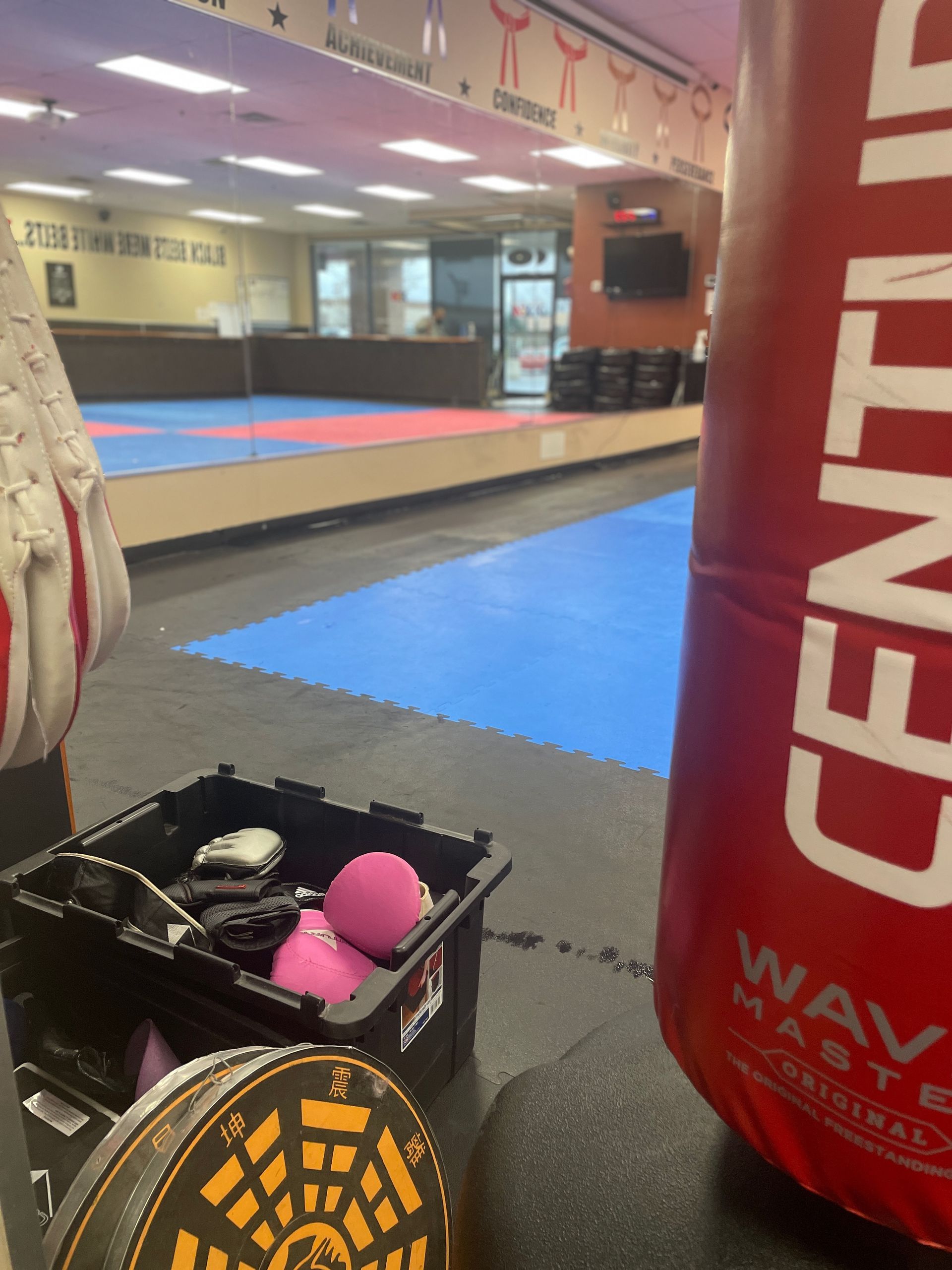
We also keep the environment clean, safe, and structured. Our goal is to help you feel supported while still challenging you. That balance is important. Too easy feels pointless, too intense feels discouraging. The sweet spot is steady progress.
Here is how mindfulness shows up across a typical class flow:
1. Arrival and lineup to create a clean transition from your day into training
2. Warmups paired with breathing cues to settle attention and loosen tension
3. Technique practice with short, specific goals so you stay focused
4. Kata or combinations to train memory, rhythm, and self-correction
5. Partner work to practice calm decision-making with real feedback
6. Cooldown and a brief moment of stillness to leave feeling clear
That structure matters for kids and adults. It is a container for focus, and it makes improvement easier to track.
Scheduling and flexibility for real life
Families in New Berlin have packed calendars, and we plan our class schedule with that reality in mind. We offer evening training Monday through Friday, generally between 4 and 9 PM, plus Saturday morning options. We also support in-person and virtual training, which helps when life gets busy or weather gets unpredictable.
If you are juggling multiple activities, consistency still matters, but perfection does not. Training twice a week done steadily is more powerful than a burst of motivation followed by a long gap. We will help you choose a rhythm that fits, then build from there.
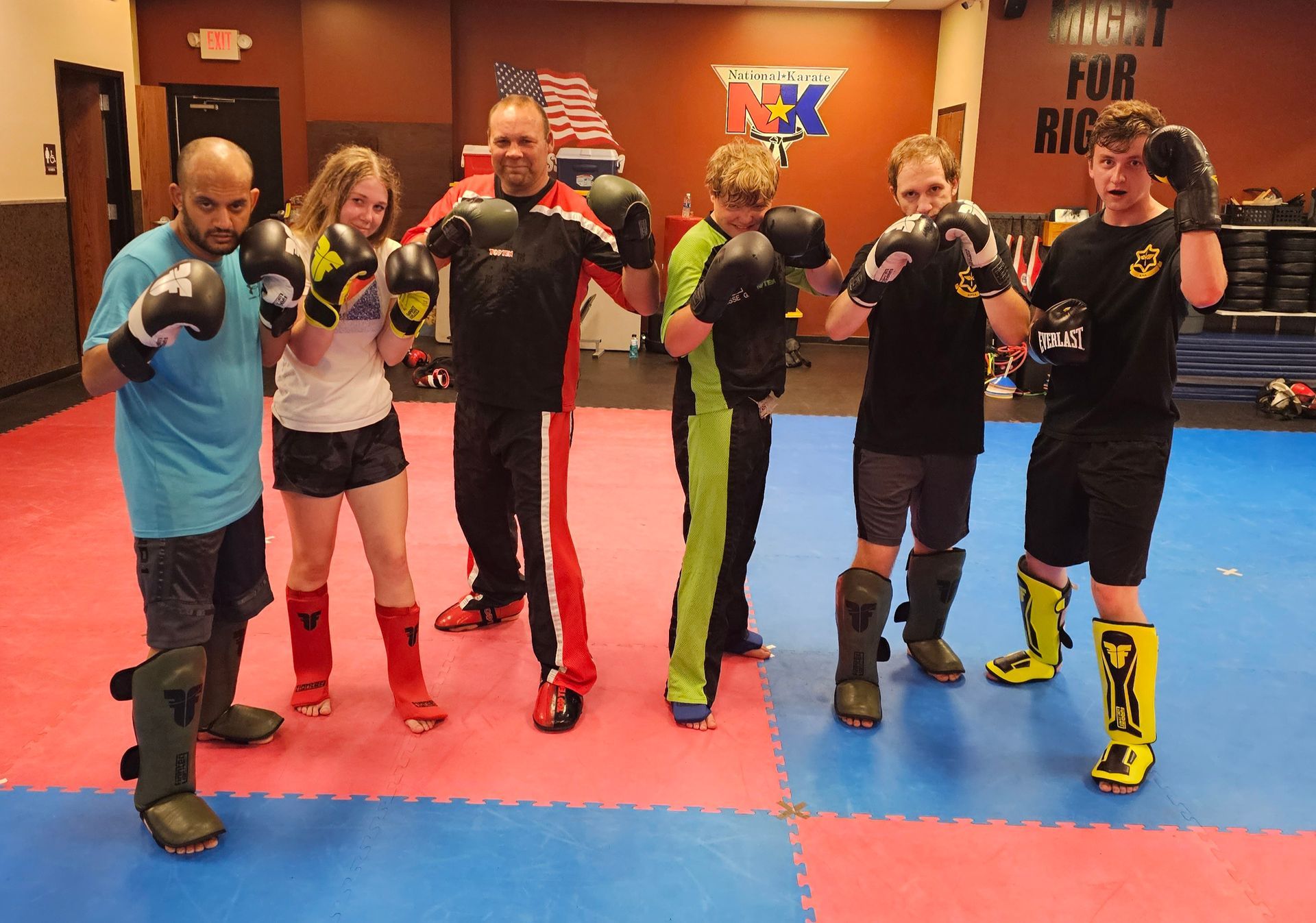
We also welcome families who want to train together. Shared training creates shared language: breathing, posture, respect, and perseverance. It is surprisingly helpful when everyone in the household understands the same expectations.
Turning Karate into everyday mindfulness
The best sign that training is working is when you start using it without thinking. You breathe before you react. You stand a little taller. You notice when your attention drifts and you bring it back. That is mindfulness, and it is practical.
We encourage students to use a few small habits between classes:
- Take three slow breaths before school, work, or a difficult conversation
- Practice one short kata section to reset focus after a long day
- Use a strong stance while waiting in line to reinforce posture and patience
- Treat mistakes like data, not drama, then adjust and continue
These are simple, but simple does not mean easy. That is why consistent coaching helps. You are not trying to become a different person overnight. You are building a clearer mind one repetition at a time.
Take the Next Step
Building mental clarity through Karate is not about being perfect or fearless. It is about practicing focus in a structured environment until calm becomes familiar, even when life is loud. If you want training that supports discipline, self-defense, and real mindfulness for youth and adults in New Berlin, we have built our classes to deliver exactly that.
You will find a welcoming place to start, experienced instruction, and a schedule that fits real routines at Wisconsin National Karate Kickboxing & Krav Maga. When you are ready, we would love to help you experience what consistent practice can do for your body and your mind.
Take what you learned here to the mat by joining a Karate class at Wisconsin National Karate.