How Karate Shapes Positive Mindsets and Motivation in New Berlin Youth
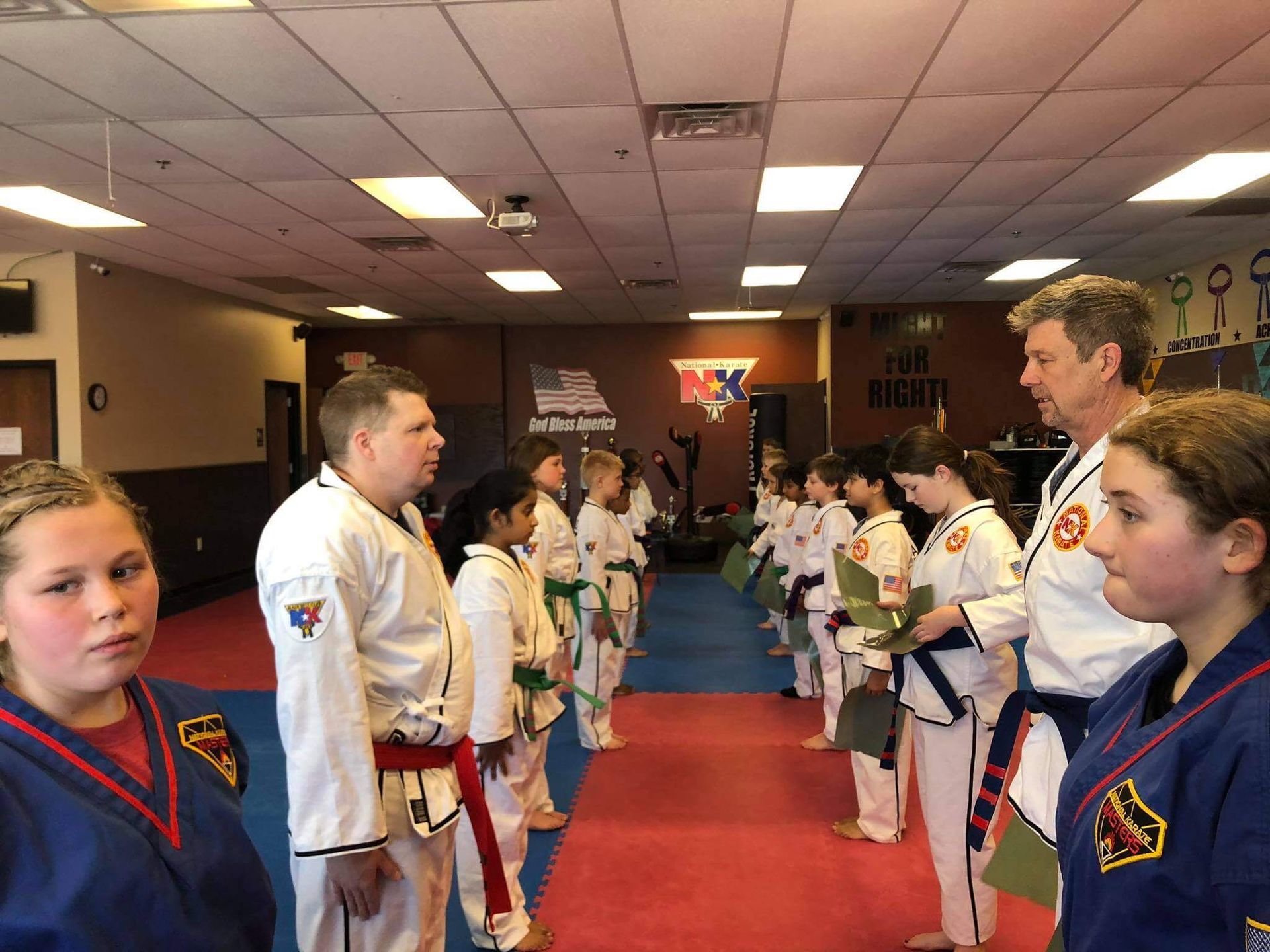
Karate turns everyday moments, like homework and friendships, into chances to practice focus, confidence, and calm.
When parents ask us what kids really gain from Karate, we rarely start with punches or kicks. We start with mindset. In New Berlin, youth deal with a lot: busy school schedules, social pressure, and more screen time than any of us would like to admit. Our job is to give your child a place where effort matters, growth is expected, and confidence is built one class at a time.
Karate works because it is structured without being stiff. Kids know what to do when they walk onto the mat: bow in, listen, move with purpose, and try again when something feels tricky. That rhythm is more powerful than it looks, especially for kids who are still learning how to manage big feelings, stay motivated, and stick with hard things.
In this article, we will break down how our approach to Youth Karate in New Berlin builds positive mindsets, how motivation develops through smart coaching and clear goals, and what you can look for as your child grows in both skills and character.
Why mindset training is the real superpower of Karate
A positive mindset is not just “being happy.” For kids, it is the ability to stay steady when something is challenging, to accept feedback without shutting down, and to keep moving forward even after mistakes. In Karate, mindset is trained on purpose, not left to chance.
Our classes create small, repeatable moments of resilience. A student misses a technique, adjusts, and tries again. A student feels nervous about being watched, then learns how to breathe, focus, and perform anyway. These are real life skills hiding inside a martial arts class.
Over time, we see motivation shift from external to internal. Early on, kids might be excited about a belt or earning a stripe. Later, the motivation becomes more personal: “I want to do this better than I did last week.” That is a big deal, and it tends to show up at school and at home too.
The difference between motivation and momentum
Motivation is the spark. Momentum is what keeps kids going when the spark fades. Karate builds momentum through routine, coaching, and measurable progress.
We keep expectations clear and consistent, because kids thrive when they know the boundaries. When students understand what “good effort” looks like, they can repeat it. When they can repeat it, confidence grows. And when confidence grows, motivation becomes much easier to access.
Discipline without harshness: how structure helps kids thrive
Discipline gets a bad reputation sometimes, as if it means being strict or intense all the time. In our classes, discipline is more like learning how to steer. We teach kids how to control their bodies, manage their attention, and follow directions even when they would rather do something else.
That ability to self-direct is a core part of a positive mindset. Kids start to realize, “I can do hard things if I slow down and focus.” It is not a lecture. It is a lived experience, repeated week after week.
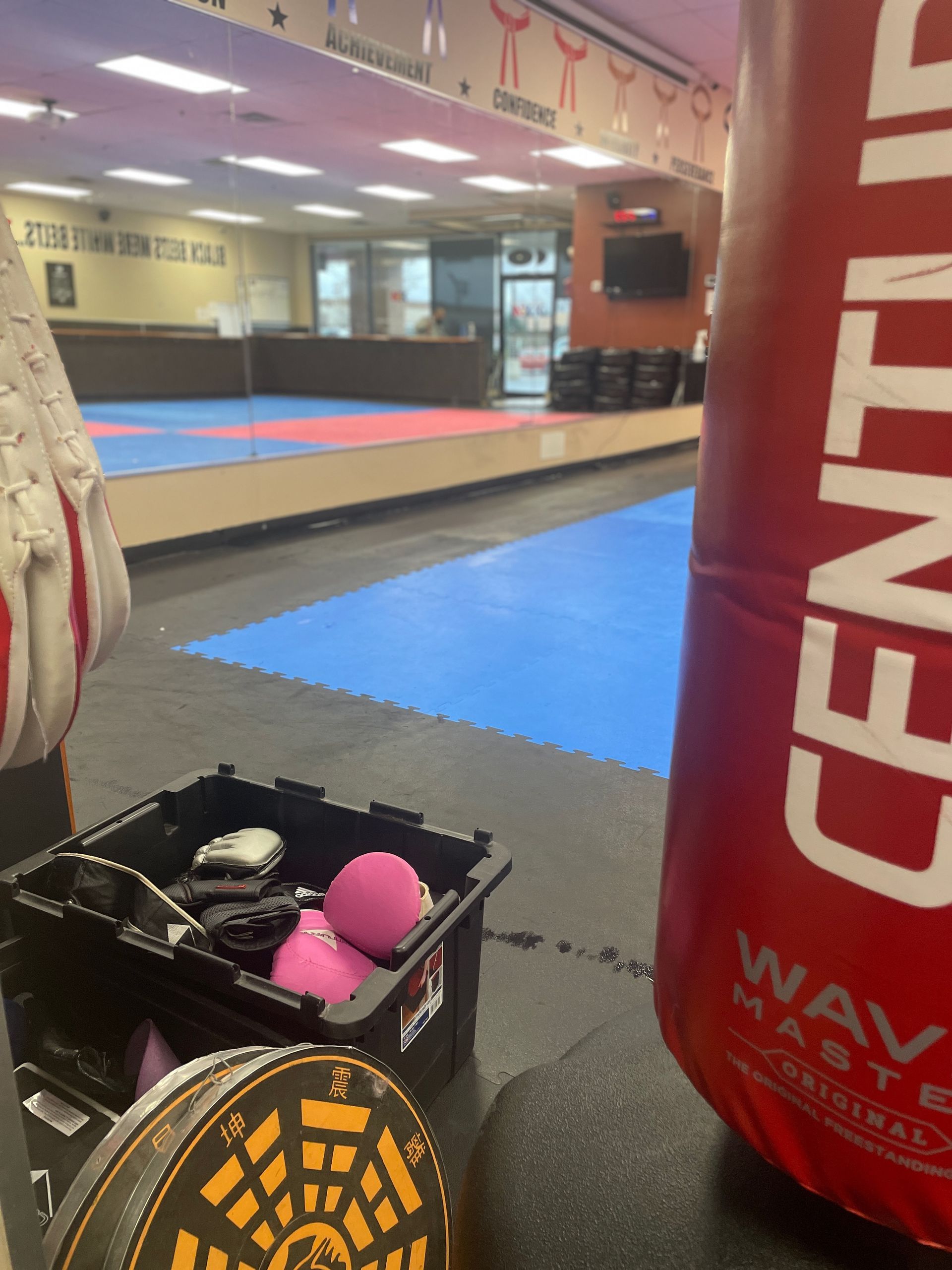
We also keep the training environment clean, safe, and organized, because the space itself matters. When kids feel secure and supported, they take healthy risks: they try the new kick, they speak up, they volunteer to demonstrate. That is where growth happens.
Respect as a daily practice, not a slogan
Respect is built into Karate etiquette, but we never want it to feel like empty choreography. Bowing, listening, and waiting your turn are simple behaviors that teach something bigger: other people matter, and your choices affect the group.
Kids often surprise themselves with how quickly they rise to this. We see students learn names fast, connect with instructors, and feel “known” in class, which helps them stay engaged. Feeling seen is a powerful motivator for youth, especially in a world that can feel noisy and rushed.
Confidence you can see: small wins that stack up
Confidence is not one dramatic moment. It is a stack of small wins.
A child who was shy at first speaks louder during counting. A child who struggled with coordination starts moving smoothly. A student who used to quit early learns to finish the last drill even when tired. These moments build a quiet kind of pride, the kind that does not disappear when life gets stressful.
Karate also teaches kids to separate identity from performance. If a technique is messy today, that does not mean the student is “bad.” It simply means the student is learning. That mental separation is huge for motivation, because it reduces fear of failure.
What parents often notice first
Every child is different, but there are a few changes families commonly mention after consistent training:
• Better follow-through at home, like finishing chores or staying on task a bit longer
• More respectful communication, especially with adults and teammates
• Improved body awareness, which can help with clumsiness and personal space
• A stronger ability to handle correction without melting down
• Pride in effort, not just outcomes, which supports long-term motivation
Those are the kinds of changes that stick because they are practiced, not preached.
Goal setting in Karate: belts, stripes, and real motivation
Kids need goals they can understand. Karate provides a clear path: learn fundamentals, demonstrate progress, earn recognition, then build on it. That system works well for youth because it combines short-term wins with long-term development.
We use rank as a tool, not as the whole point. Belts matter because they represent consistent practice, growing skill, and maturity on the mat. When kids train with the right expectations, rank becomes motivating in a healthy way, not stressful.
How we keep goals healthy for kids
We want your child to be ambitious, but not anxious. That means we reinforce process goals alongside performance goals. For example, we might focus on:
1. Showing up consistently and being coachable in class
2. Practicing a specific technique with attention to detail
3. Using respectful behavior even when frustrated
4. Demonstrating self-control during partner work
5. Celebrating improvement, not perfection
These steps teach kids how to build motivation from habits, which is exactly what helps in school, sports, and friendships.
Focus and emotional control: the hidden curriculum of Youth Martial Arts in New Berlin
Focus is not a personality trait. It is a skill. In Karate, kids practice focus in short bursts, then gradually build stamina for it.
A typical class asks students to listen, watch, move, and adjust, sometimes within seconds. That type of “attention switching” is a real life demand for kids. They do it in the classroom all the time, and Karate gives them a physical way to practice it.
Emotional control develops alongside focus. When kids get frustrated, we guide them back to fundamentals: posture, breathing, simple mechanics, and trying again. We do not reward outbursts. We also do not shame kids for feeling things. We teach them what to do with those feelings.
Why movement helps the brain learn confidence
Youth Karate in New Berlin can be especially helpful for kids who learn best through doing. Physical training gives immediate feedback. If you shift your stance, your balance changes. If you breathe and relax your shoulders, your technique gets smoother. Kids start to understand cause and effect in their own bodies, which can be surprisingly calming.
That body-based learning becomes a confidence anchor. When school feels overwhelming, many students know they can come to class and succeed through effort. That consistency matters.
Self-defense skills that support a stronger mindset
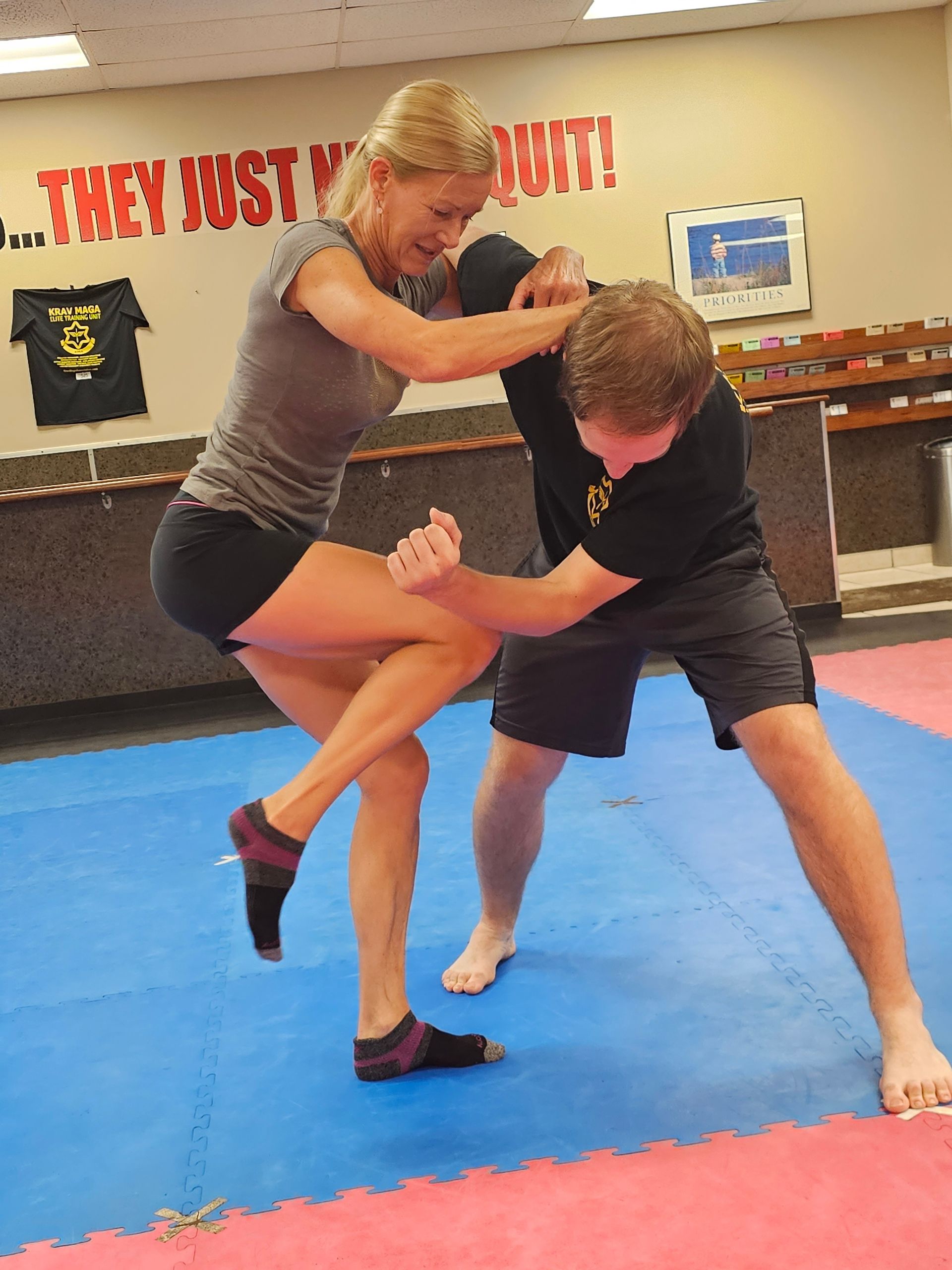
Self-defense is not about teaching kids to fight. It is about teaching awareness, boundaries, and controlled responses. When kids know what to do with their hands, feet, voice, and posture, they feel less helpless. That alone can reduce anxiety.
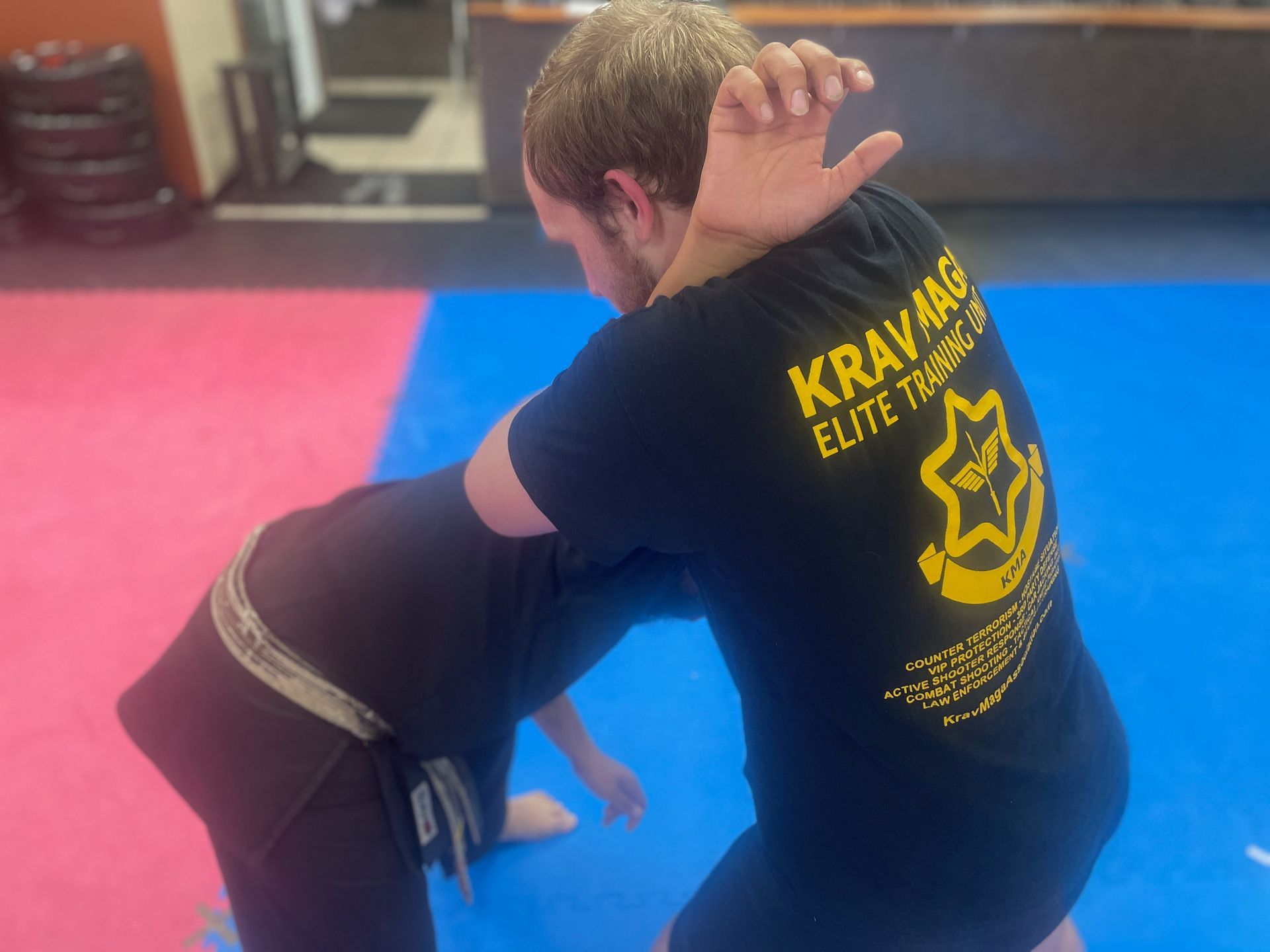
We teach skills progressively, with safety and control at the center. As students advance, they learn how to stay composed under pressure. Even basic partner drills help kids practice staying calm while someone else is moving close to them.
A confident child is not an aggressive child. In Karate, confidence looks like:
• Standing tall and making eye contact
• Speaking clearly when something feels wrong
• Knowing when to step away instead of escalating
• Trusting practice and training when nerves show up
Those are mindset skills, not just physical ones.
Community, camaraderie, and the motivation to belong
Kids are motivated by belonging. When a student feels like part of a group, effort increases. That is why we pay attention to class culture, partner work, and how we recognize progress.
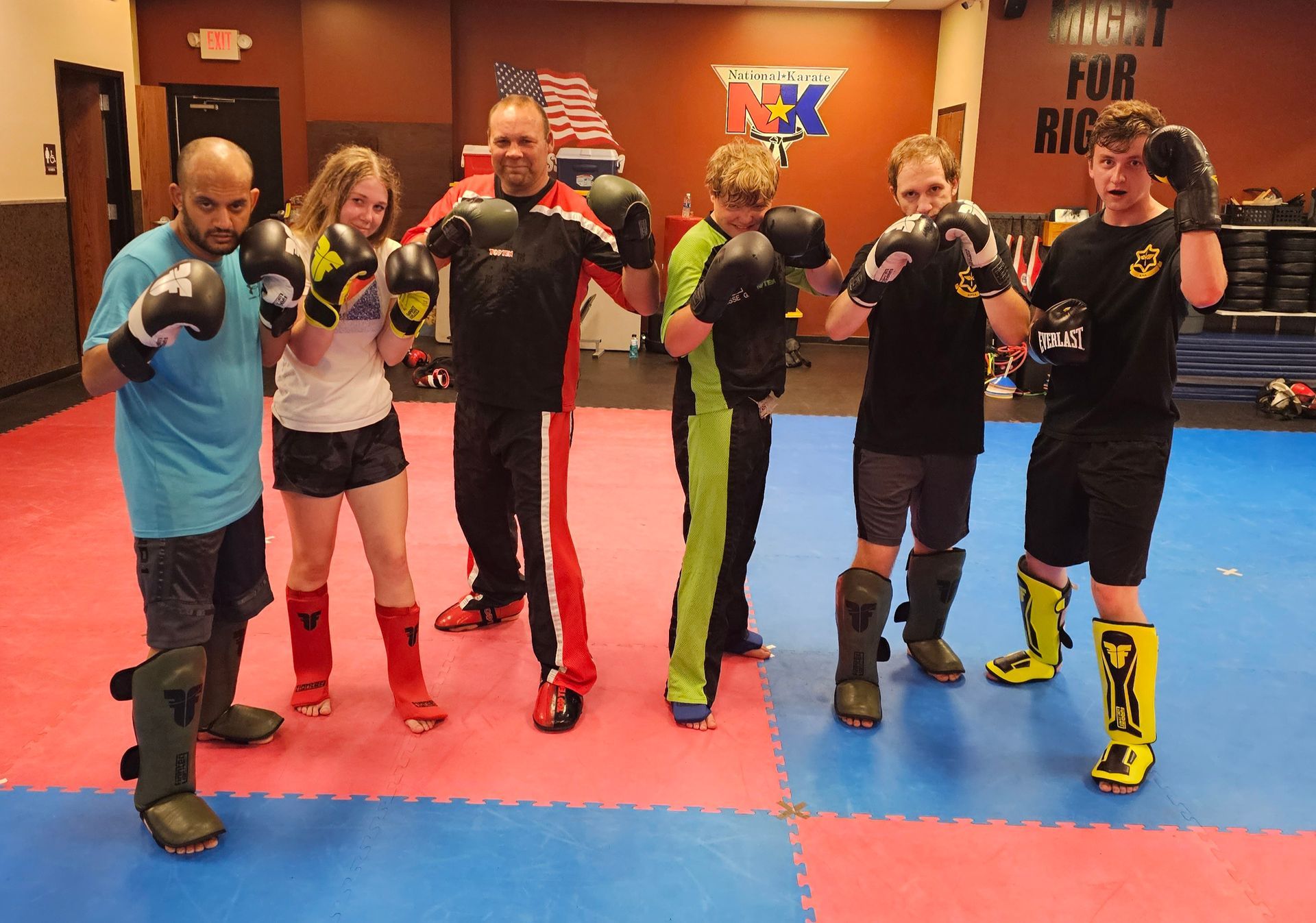
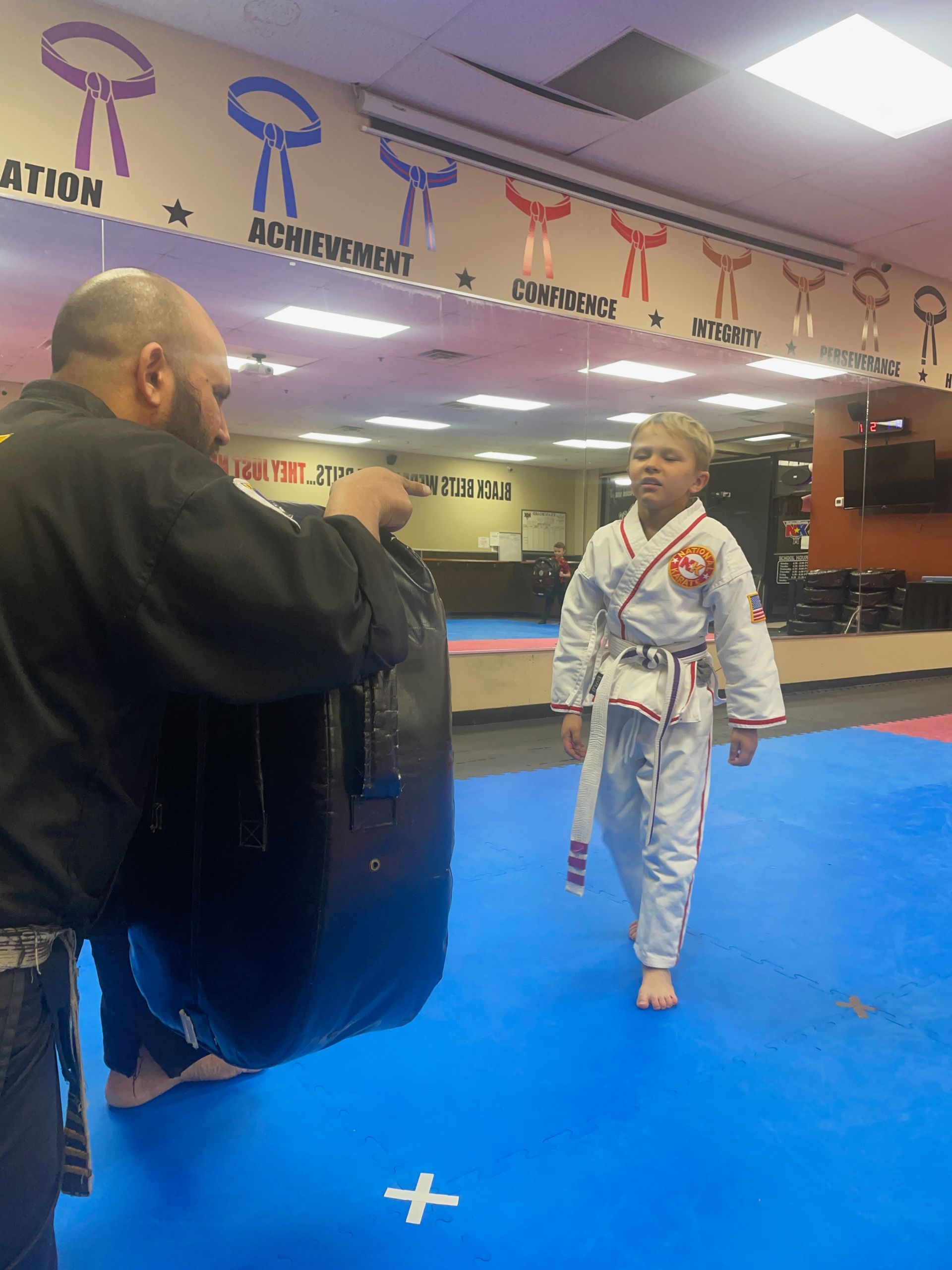
Training alongside peers creates camaraderie that is hard to replicate in many activities. Students learn to encourage each other, to take turns leading and following, and to handle friendly pressure in a positive way. For many youth, this becomes a weekly reset: a place where discipline is normal and growth is celebrated.
We also see a growing trend toward family involvement. When parents and kids train in the same place, values like respect and consistency stop being “just talk.” They become shared experiences. That can be incredibly motivating for youth, because the adults in their life are modeling the same commitment.
Practical details: what to expect from our youth program in New Berlin
Parents want clarity, and we respect that. Our youth training is designed to be beginner-friendly, age-appropriate, and structured so kids can start building confidence right away.
Our studio is located at 3564 S Moorland Rd in New Berlin, with hours that support after-school and weekend routines. Many families also appreciate that we serve nearby areas like Waukesha and Brookfield, making it realistic to keep training consistent.
If you are wondering whether Karate can help your child with confidence and focus, the best answer is to see it in person. A good first class should feel welcoming, organized, and purposeful, not chaotic or intimidating.
Take the Next Step
If you want your child to build confidence, discipline, and real motivation, we have designed our Karate program to make those outcomes practical and repeatable, not vague or wishful. The way we teach helps New Berlin youth grow into steadier, more focused versions of themselves, while still having fun and feeling supported.
When you are ready, we will help you choose a starting point that fits your child’s age, personality, and comfort level. Wisconsin National Karate Kickboxing & Krav Maga is here to make the first step simple, and to keep the progress meaningful as your child continues training.
Challenge your body and sharpen your mindset with martial arts training at Wisconsin National Karate.