Mastering Karate Etiquette: Essential Do’s and Don’ts in New Berlin

The fastest way to feel confident in your first class is to understand the small courtesies that make training run smoothly.
Walk into a Karate class for the first time and you will notice something right away: the room feels organized, focused, and calm, even when everyone is working hard. That feeling is not an accident. It comes from etiquette, the simple set of behaviors that protect safety, improve learning, and keep respect at the center of training.
In New Berlin, we work with many families who want more than “just an activity.” You want structure, better focus, and a place where your child learns how to listen, try again, and treat people well. Karate etiquette supports all of that, whether you are brand-new or returning after a long break.
Etiquette can sound formal, but in practice it is practical. When everyone follows the same expectations, class starts on time, partners feel safe, and instruction stays clear. Over time, those habits spill into school, work, and home in a really noticeable way.
Why Karate etiquette matters in New Berlin
New Berlin is busy, family-oriented, and connected to nearby communities like Waukesha, Brookfield, and the Milwaukee area. That means many students come to class straight from school, work, or dinner in the car. Etiquette becomes the shared “reset button” that helps you leave the day at the door and step into training with a clear mind.
It also helps retention and motivation. We have seen that when a dojo’s culture is inconsistent, students drift away because class feels chaotic or unfriendly. A respectful culture keeps people training longer, and consistent training is where confidence actually sticks.
For kids especially, etiquette is a built-in routine: line up, bow, listen, practice, and finish with respect. Those steps are small, but they build discipline in a way that feels normal instead of forced.
The core values behind traditional etiquette
Etiquette is not about making anyone feel intimidated. It is about reinforcing three training values that matter in every class.
Respect keeps everyone safe. When you respect the space, the instructor, and your partner, you do not cut corners that lead to injuries or confusion.
Discipline keeps you progressing. Karate fundamentals are learned through repetition, and discipline helps you stay steady even when something feels awkward at first.
Humility keeps you teachable. Nobody walks in perfect, and nobody stays perfect. A humble mindset makes room for correction, growth, and better technique.
First day essentials: what to wear and what to bring
A common New Berlin question is simple: what should you wear to your first class? If you already have a clean gi, great. If not, athletic wear is usually appropriate for an intro session, as long as it allows movement and looks tidy. Skip street clothes like jeans, and avoid anything with sharp zippers or big metal pieces.
Bring water, arrive a little early, and plan to remove shoes before stepping onto the training floor. That one detail alone communicates, “I’m here to take this seriously,” without saying a word.
If you have long hair, tie it back. If you wear glasses, consider a sports strap. These are small comfort choices, but they reduce distractions, and distractions are the enemy of good learning.
Bowing and the doorway: how to enter the dojo respectfully
Bowing, or rei, can feel unfamiliar if you did not grow up around martial arts. In class, it is simply a visible way of showing respect, the same way you would shake hands when meeting someone. We bow when entering and exiting the training space because it reminds you to be present and respectful.
Here is what we recommend for newcomers:
Pause at the edge of the mat or training floor
Face forward, take a breath, and bow naturally
Step in calmly and get ready to line up
You do not need to overthink it. The goal is awareness, not perfection.
How to address instructors and communicate in class
You will often hear instructors addressed as Sensei. Using the proper title keeps communication clear, especially in a room where multiple students may be asking questions at once. It also reinforces the idea that class is a learning environment, not casual hangout time.
When you have a question, raise your hand or wait for the appropriate moment. During demonstrations, we keep side conversations off because even “helpful” whispering pulls attention away from instruction. If you miss a detail, you can ask after the explanation, and we will help you get caught up.
For kids, this is one of the biggest early wins. Many parents tell us their child starts making better eye contact and responding more respectfully at home simply because class expects it consistently.
Posture, awareness, and zanshin: the quiet skill that improves everything
Good etiquette includes how you carry yourself. In Karate, we talk about awareness and readiness, often described with the idea of zanshin, a calm, attentive mindset. Practically, this means standing with purpose, watching the instructor, and staying prepared to move.
Even when you are not actively drilling, you can practice zanshin:
Stand tall in line instead of slouching
Keep your eyes forward during instruction
Return to a ready stance after each technique
This matters because it trains your nervous system to stay composed. And honestly, composure is a huge part of self-defense and conflict avoidance.
Arriving early and lining up: the pace of a respectful class
Showing up early is one of the simplest forms of respect. It gives you time to settle in, stretch, and ask quick questions without delaying the group. In a family schedule, “early” might mean ten minutes, and that is enough.
If you arrive late, do not panic or try to sneak in unnoticed. Wait at the edge of the floor, bow in when acknowledged, and join quietly. This protects the flow of class and helps you enter with the right mindset, rather than rushing in scattered.
Partner etiquette: how to train safely with other students
Most people think etiquette is mainly about the instructor, but partner work is where it really shows. Training with a partner requires trust. When you control your techniques, communicate clearly, and thank your partner, you create a safer room for everyone.
We teach students to:
Match intensity appropriately, especially with beginners
Avoid “winning” during drills, because practice is not a contest
Thank partners after a round as a sign of mutual respect
These habits also reduce injuries. When partners feel safe, they relax, and relaxed bodies learn faster.
A practical table of Karate etiquette do’s and don’ts
Below is a simple guide you can save and review before class. These are the behaviors that keep training respectful, focused, and safe.
If you only remember one thing, remember this: etiquette protects the learning environment. It is not meant to embarrass anyone. It is meant to keep class running smoothly so you can improve.
Etiquette for parents watching Youth Karate in New Berlin
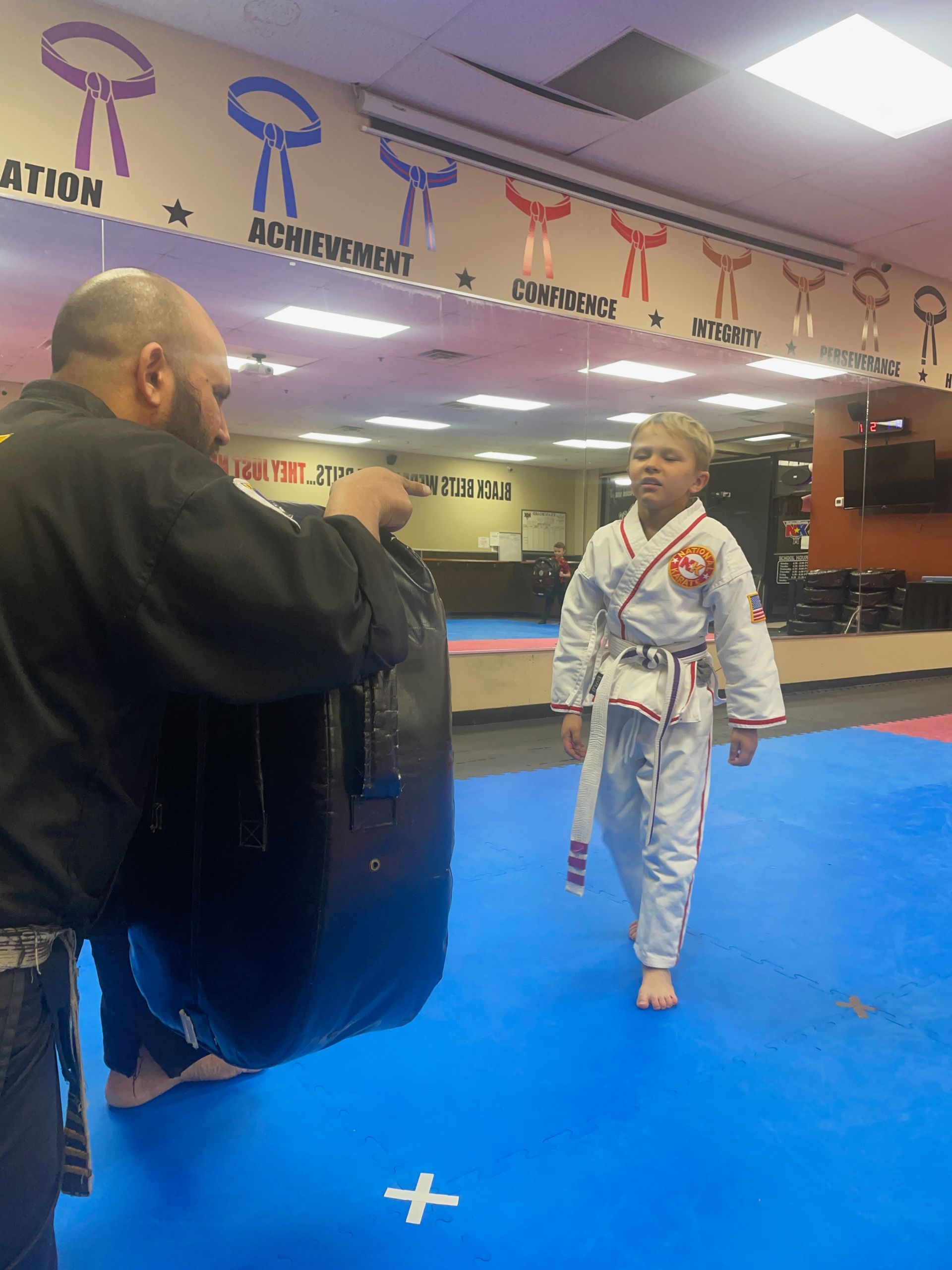
Parents are a big part of a child’s success in Youth Karate in New Berlin, and we love when families stay involved. The best way to support your child, though, is to let class be class. When parents coach from the sidelines, even with good intentions, kids split their attention and get confused.
If you plan to watch, we recommend:
Observe quietly from the designated area
Save questions for before or after class
Let your child handle small challenges without jumping in
This approach builds independence. And when kids realize “I can do hard things without rescue,” confidence grows quickly.
Etiquette and focus: supporting kids with ADHD and busy minds
Another question we hear often is whether Karate is a good fit for kids with ADHD. In many cases, yes. The etiquette routines create predictable structure: line up the same way, bow the same way, respond the same way. That repetition helps kids practice self-regulation in short, doable moments.
We also keep corrections clear and immediate. Kids do not have to guess what is expected. They hear it, try it, and adjust. Over time, that can translate into better classroom behavior and stronger follow-through at home.
This is one reason Youth Martial Arts in New Berlin has grown in popularity recently. Families want activities that help with emotional control and anti-bullying skills, not just exercise.
Integrating Karate with kickboxing and Krav Maga: keeping respect consistent
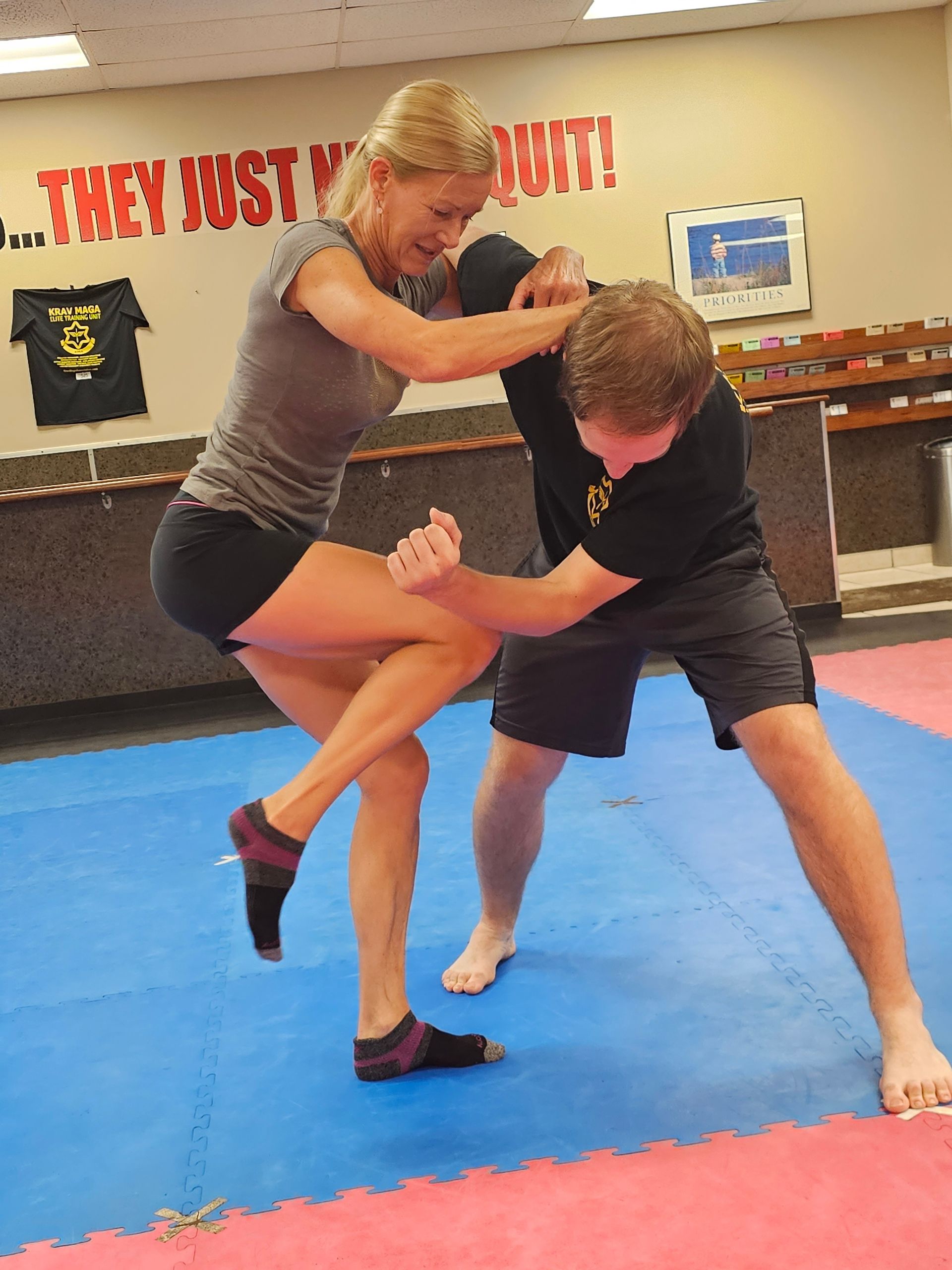
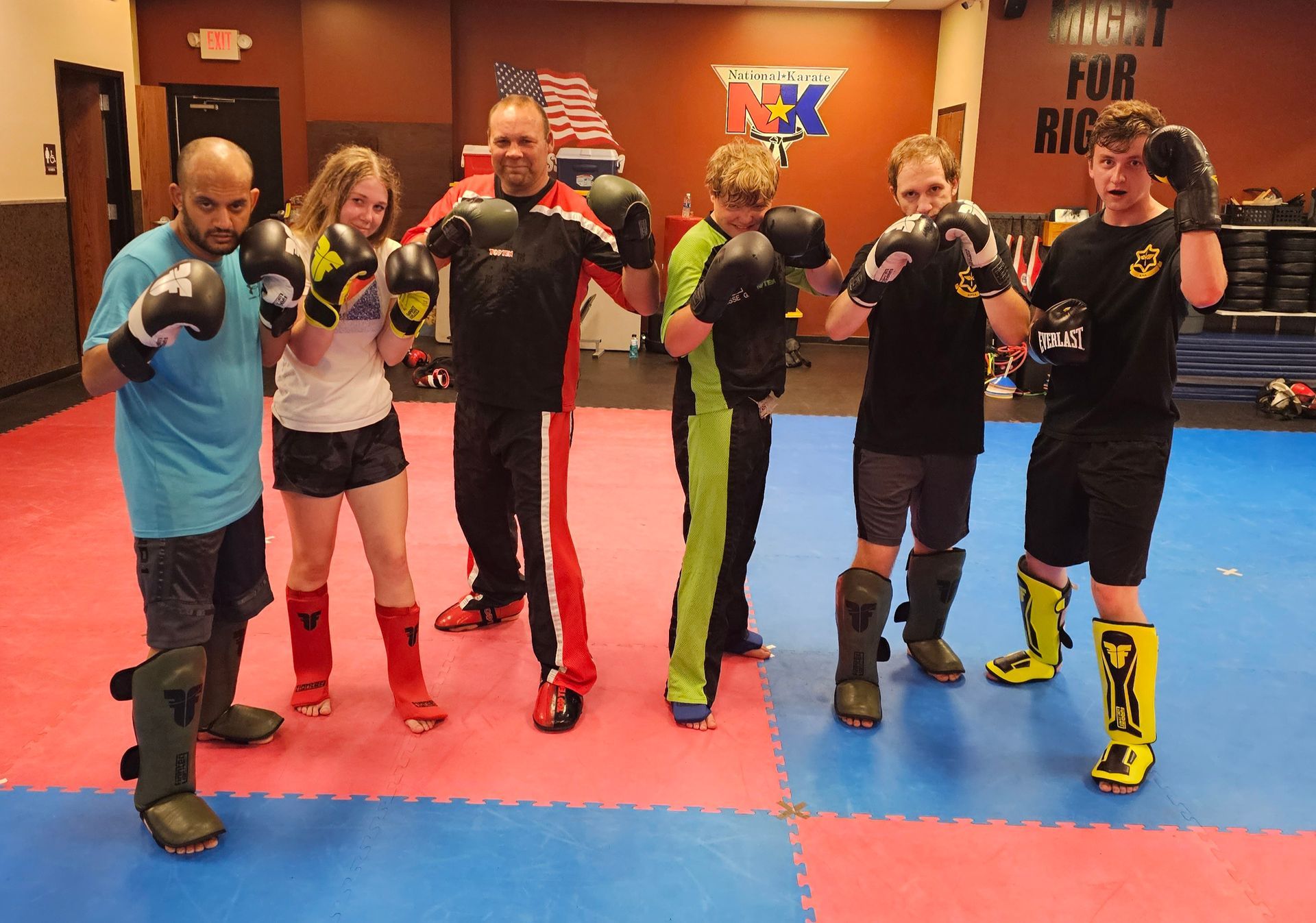
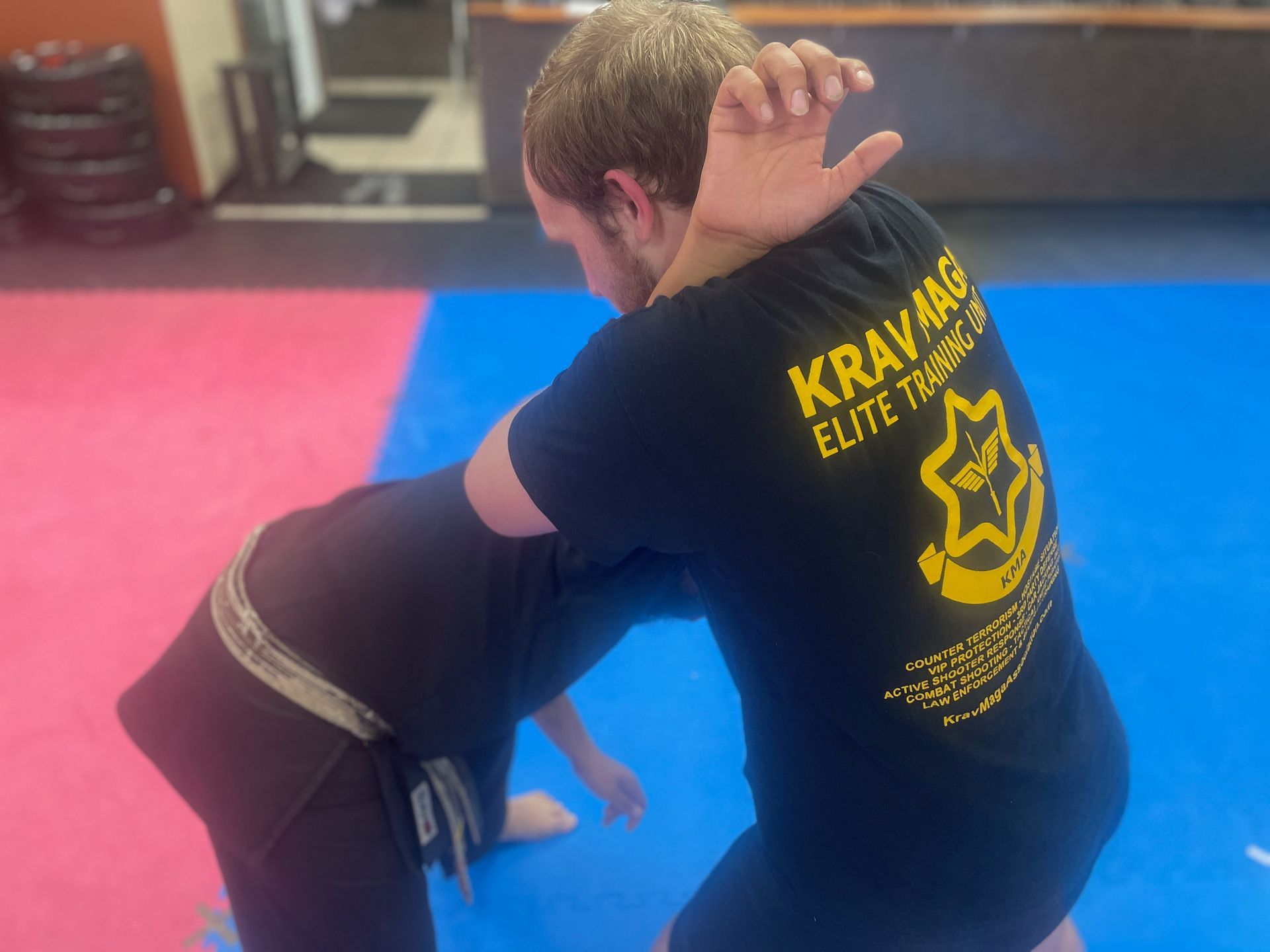
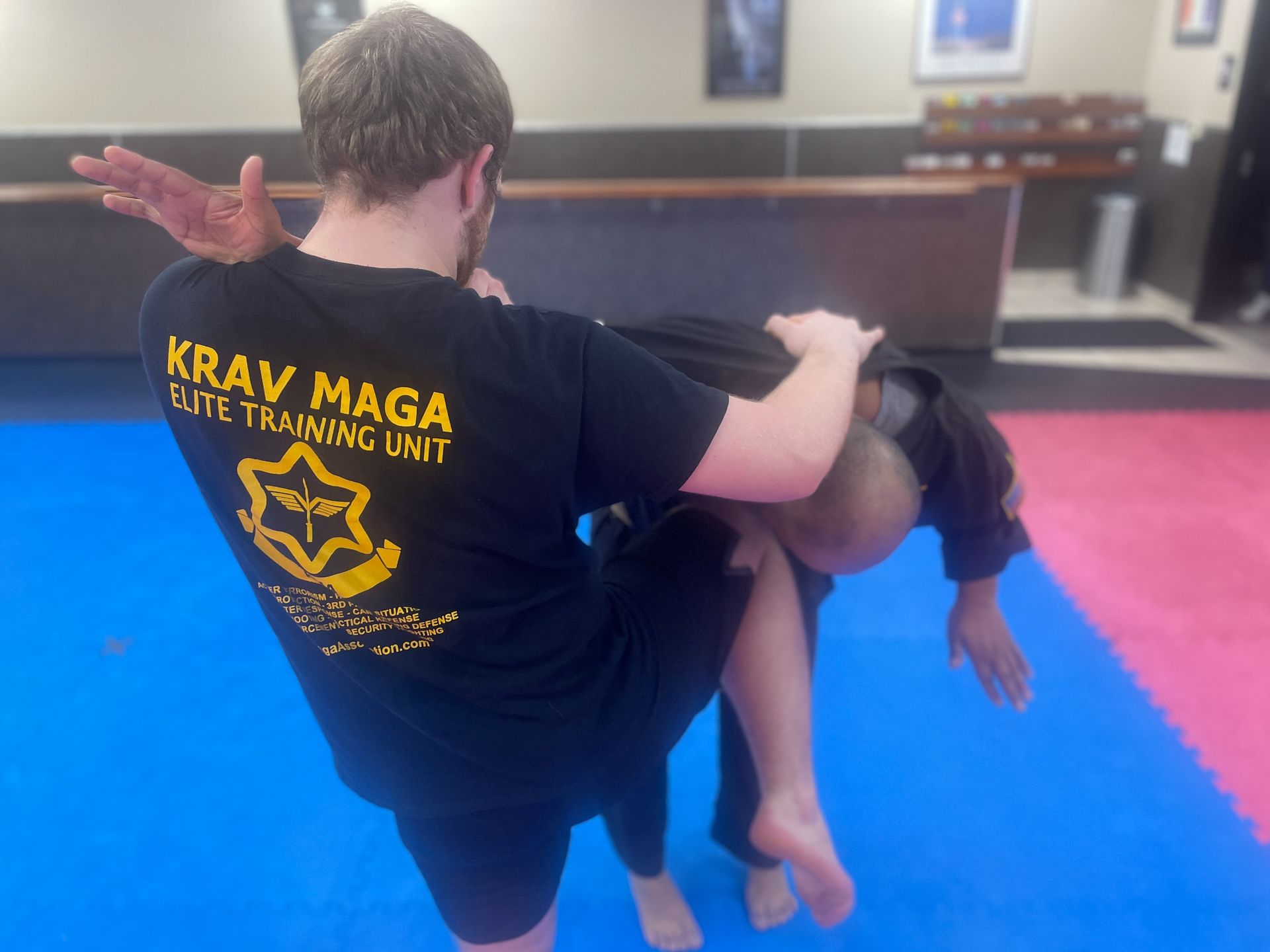
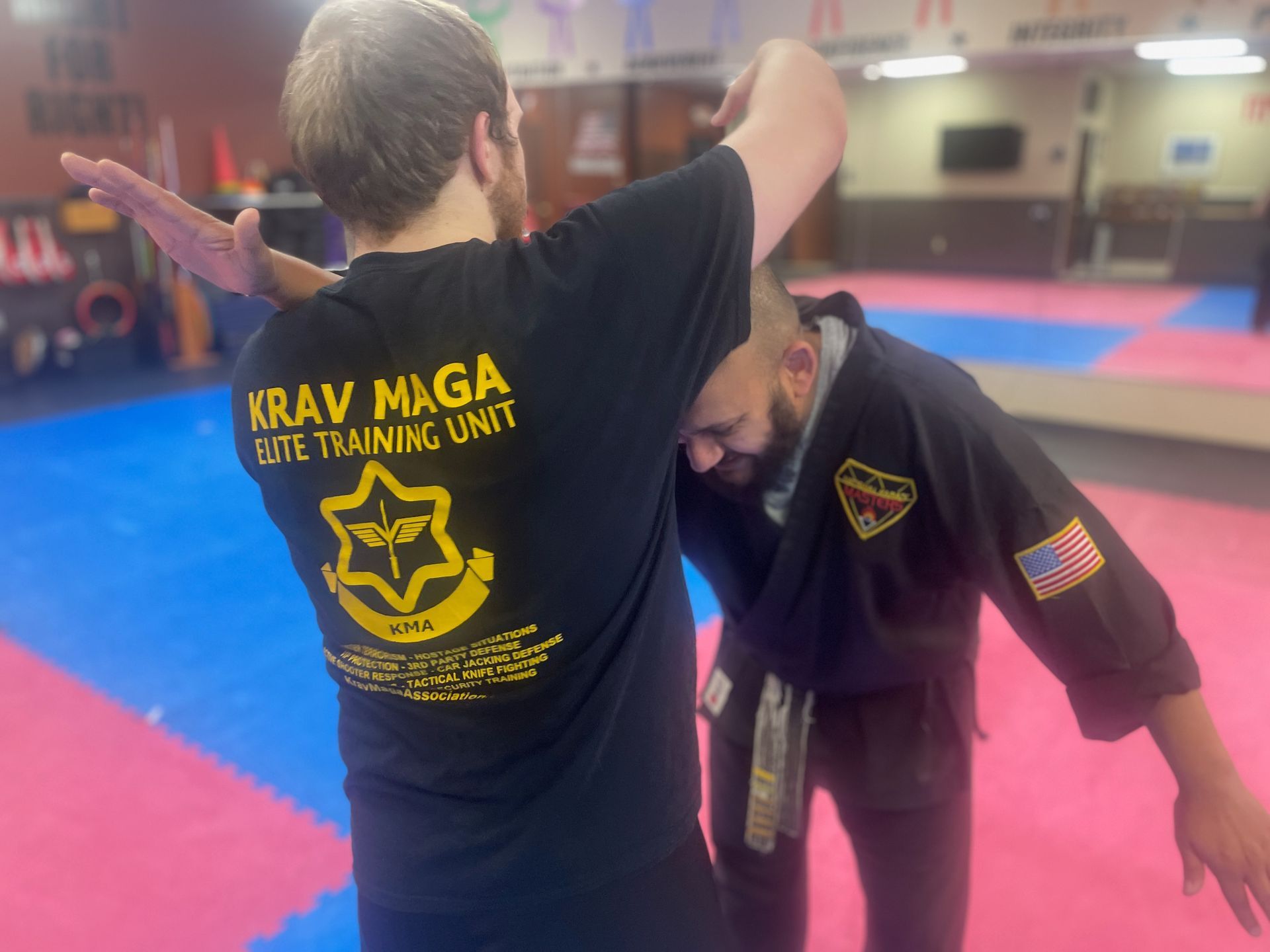
Many students enjoy cross-training because it builds well-rounded fitness and practical self-defense. Even when the techniques look different, etiquette stays consistent: respect the space, respect the instructor, respect your partner.
If you move between striking drills, self-defense scenarios, and conditioning, etiquette is what keeps the room from becoming chaotic. It also helps families train together. When everyone follows the same standards, a parent and child can share the experience without feeling lost or out of place.
Common etiquette mistakes and how to fix them fast
Everyone makes mistakes early on. The goal is not to be flawless, but to be coachable. Here are a few common slip-ups we see, plus the quick fix.
Forgetting to bow: Pause, bow, and continue without making a big scene.
Talking during instruction: Save it, listen fully, then ask your question.
Wearing jewelry: Remove it before class so it does not scratch you or a partner.
Getting visibly frustrated: Take a breath, reset your stance, and try again.
That last one matters more than people realize. Handling frustration quietly is a life skill. Training gives you a safe place to practice it.
Take the Next Step
If you want training that feels traditional, structured, and genuinely useful, etiquette is the first skill to learn, and it is one you will use in every class. When you understand the do’s and don’ts, you walk in calmer, you learn faster, and you help create the kind of room where kids and adults thrive.
We build that culture every day at Wisconsin National Karate Kickboxing & Krav Maga, right here in New Berlin. If you are exploring Karate for yourself or looking into Youth Karate in New Berlin for your child, we will help you get started with clear expectations and a welcoming, disciplined environment at Wisconsin National Karate Kickboxing & Krav Maga.
Curious about Karate training? Discover the basics by joining a class at Wisconsin National Karate.