How Youth Karate Sparks Teamwork and Cooperation in New Berlin Kids
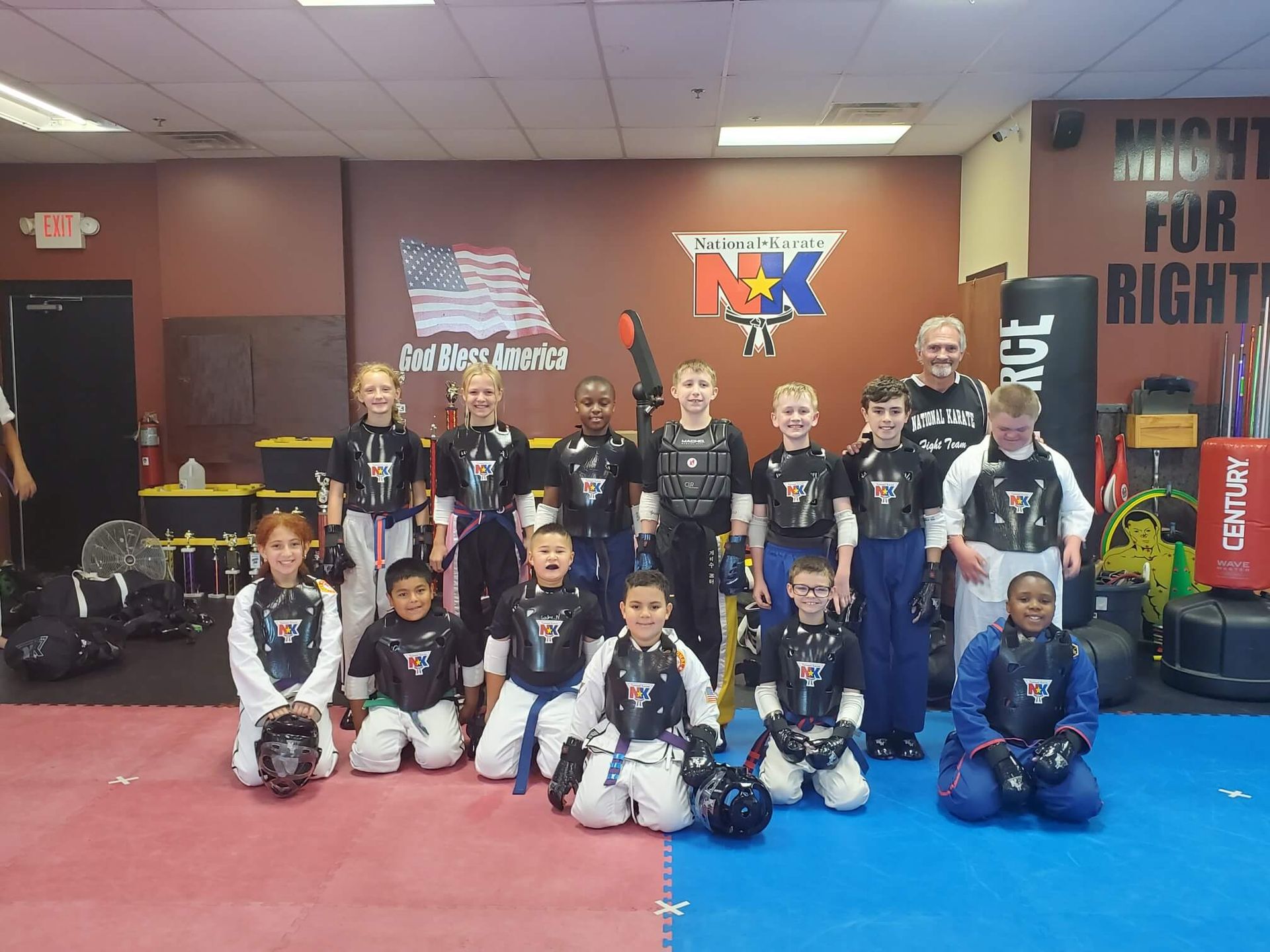
When kids train together consistently, teamwork stops being a lecture and starts becoming a habit.
If you have ever wondered how Youth Karate can build teamwork when it looks like one child practicing one move at a time, you are not alone. We hear that question from New Berlin parents all the time, and it makes sense. From the outside, karate can look individual, quiet, and highly structured.
Inside our classes, the story is different. Youth Karate is one of the clearest ways we know to teach cooperation because the training environment is shared: shared space, shared rules, shared goals, and shared responsibility for safety. Over time, kids learn to communicate, listen, and support each other, even when personalities do not naturally match up at first.
This matters in New Berlin. Kids have plenty of chances to be around peers, but fewer chances to practice real collaboration with guidance and consistency. Our Youth Karate in New Berlin programs are designed to fill that gap with partner drills, group challenges, and mentorship roles that build social confidence in a way that carries into school, friendships, and home routines.
Why teamwork is built into Youth Karate (even before sparring)
Teamwork in our dojo does not start with competition. It starts with structure. When kids line up, bow in, and follow a shared class rhythm, cooperation becomes the baseline expectation. That sounds simple, but simple is powerful for children.
We also set the tone early: respect is not just for instructors. Respect includes partners, new students, and kids who learn at a different pace. This creates a culture where helping is normal. The result is a group dynamic where kids can be proud of personal progress while still caring about how the group is doing.
One more important piece: accountability. In Youth Karate, your child cannot tune out and let others carry the experience. Every student is expected to participate, and that shared effort tends to bring kids together quickly, especially when they start recognizing familiar faces week after week.
Partner drills: where cooperation becomes practical
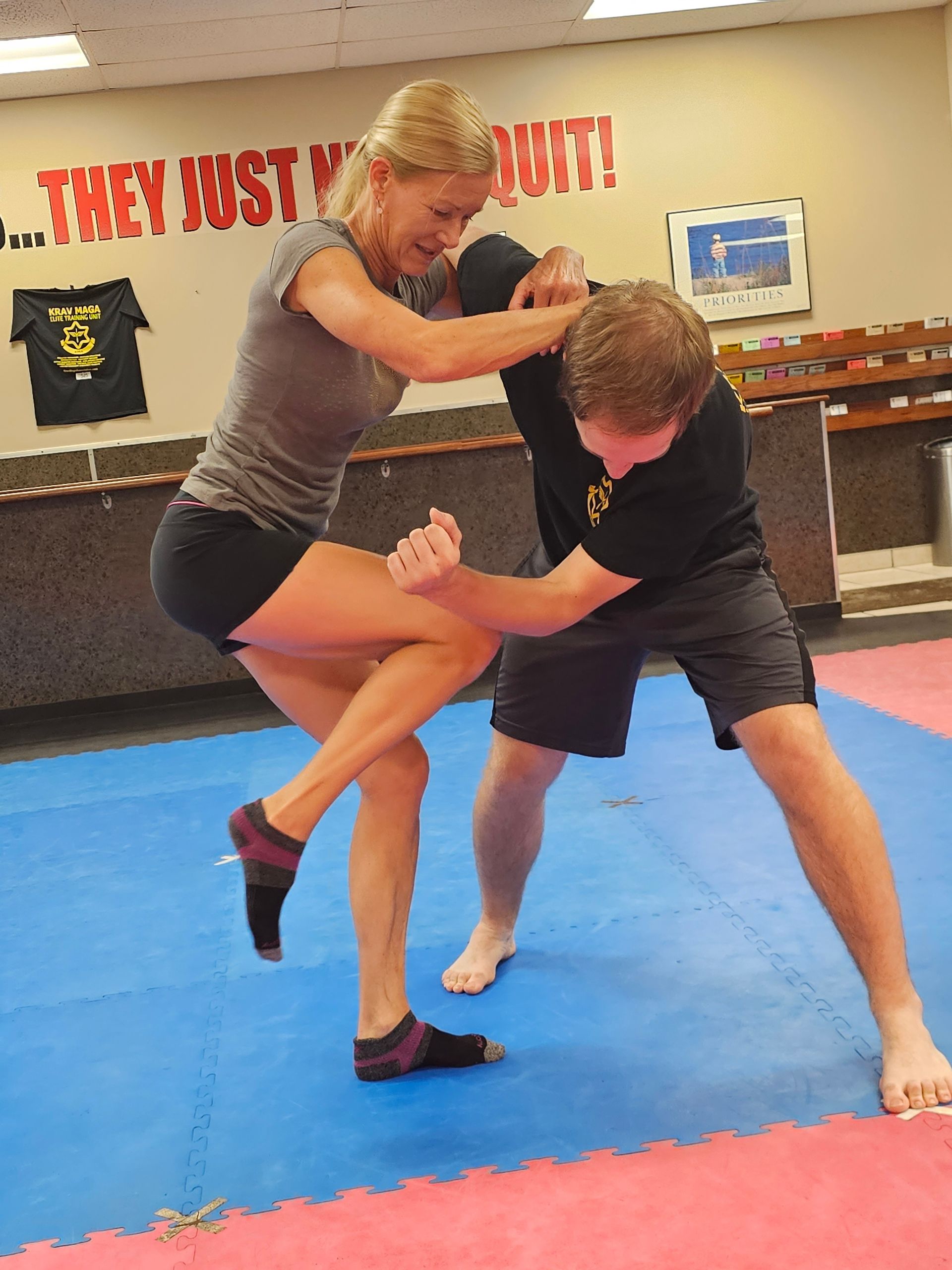
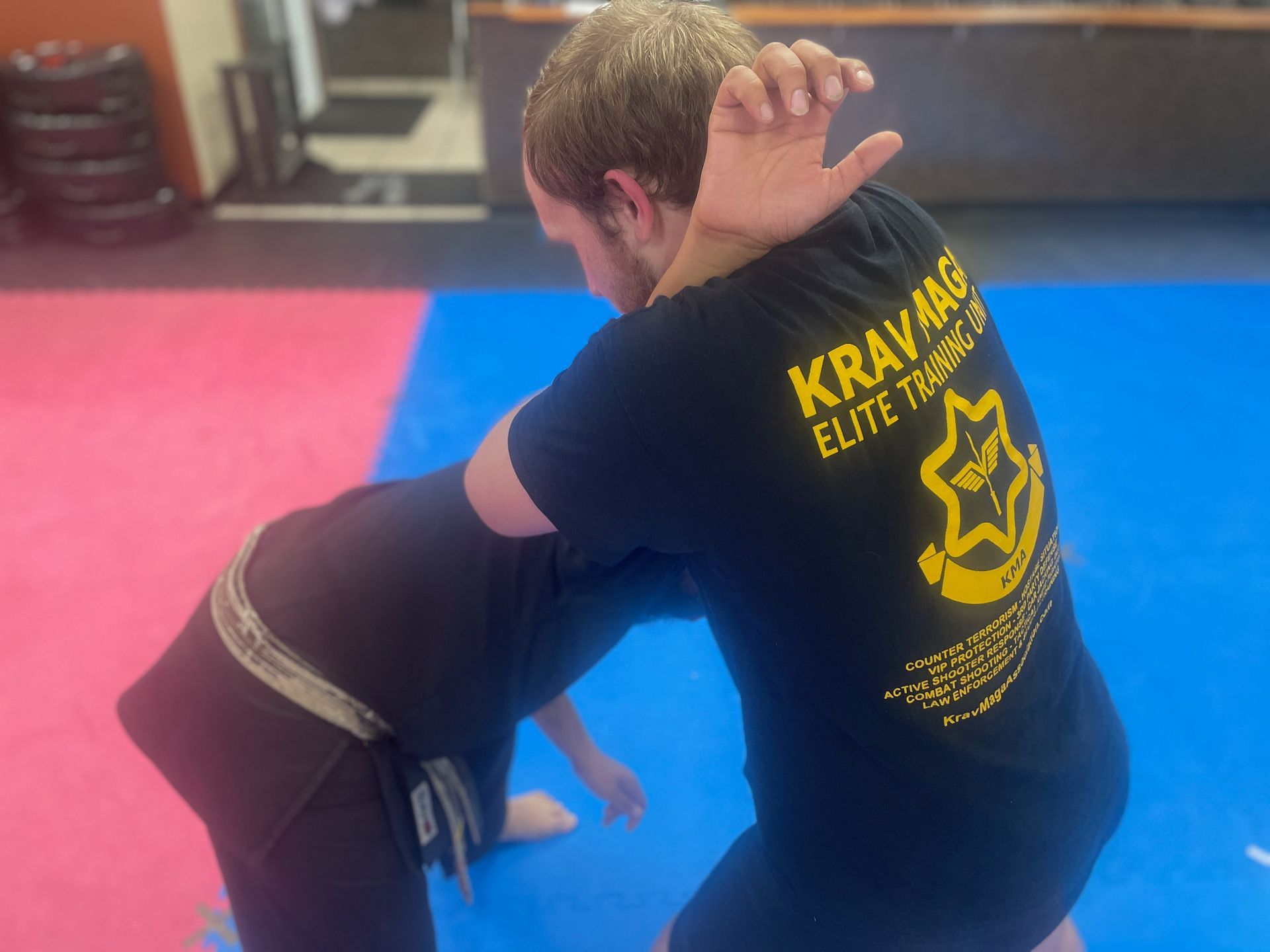
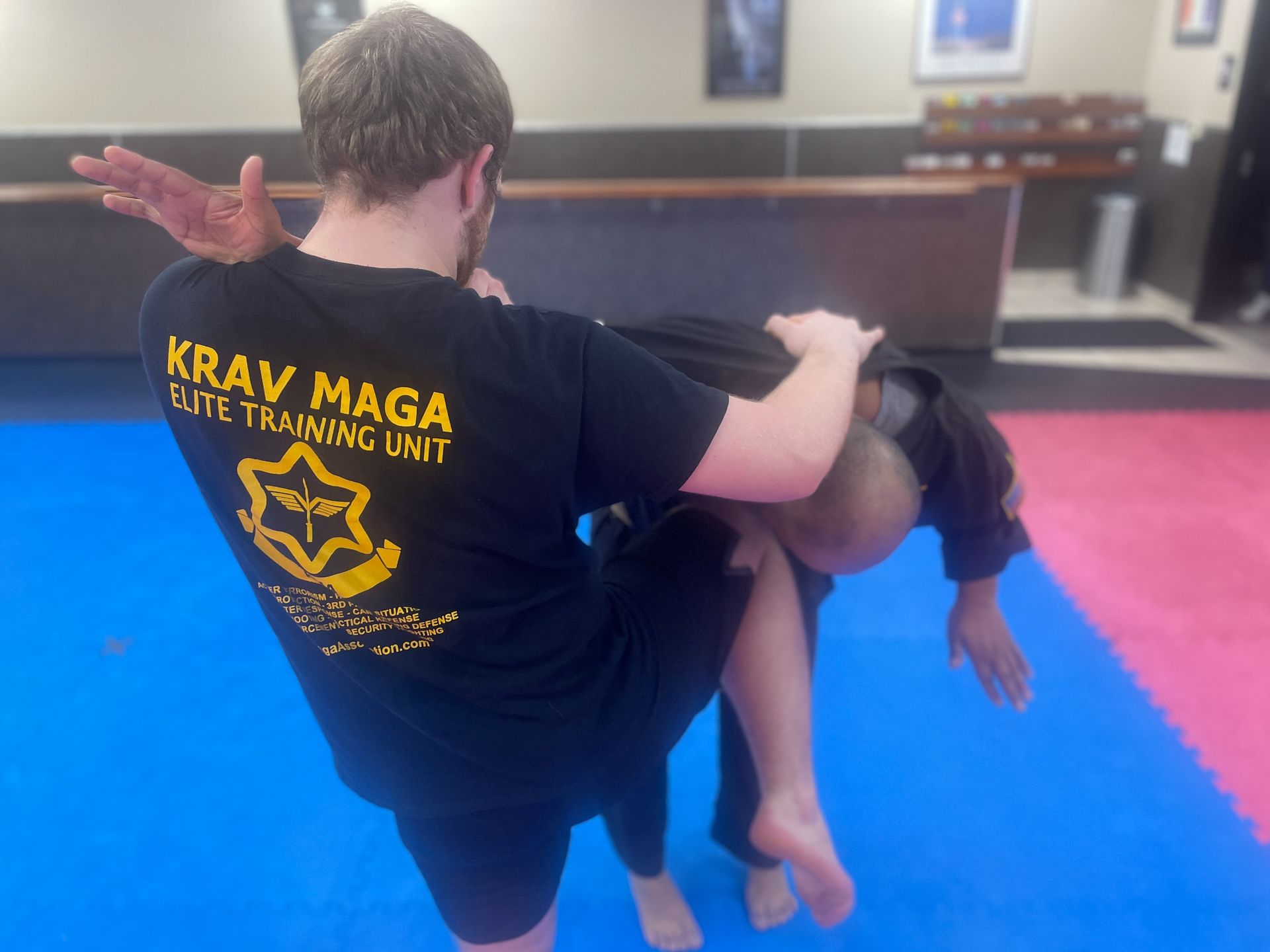
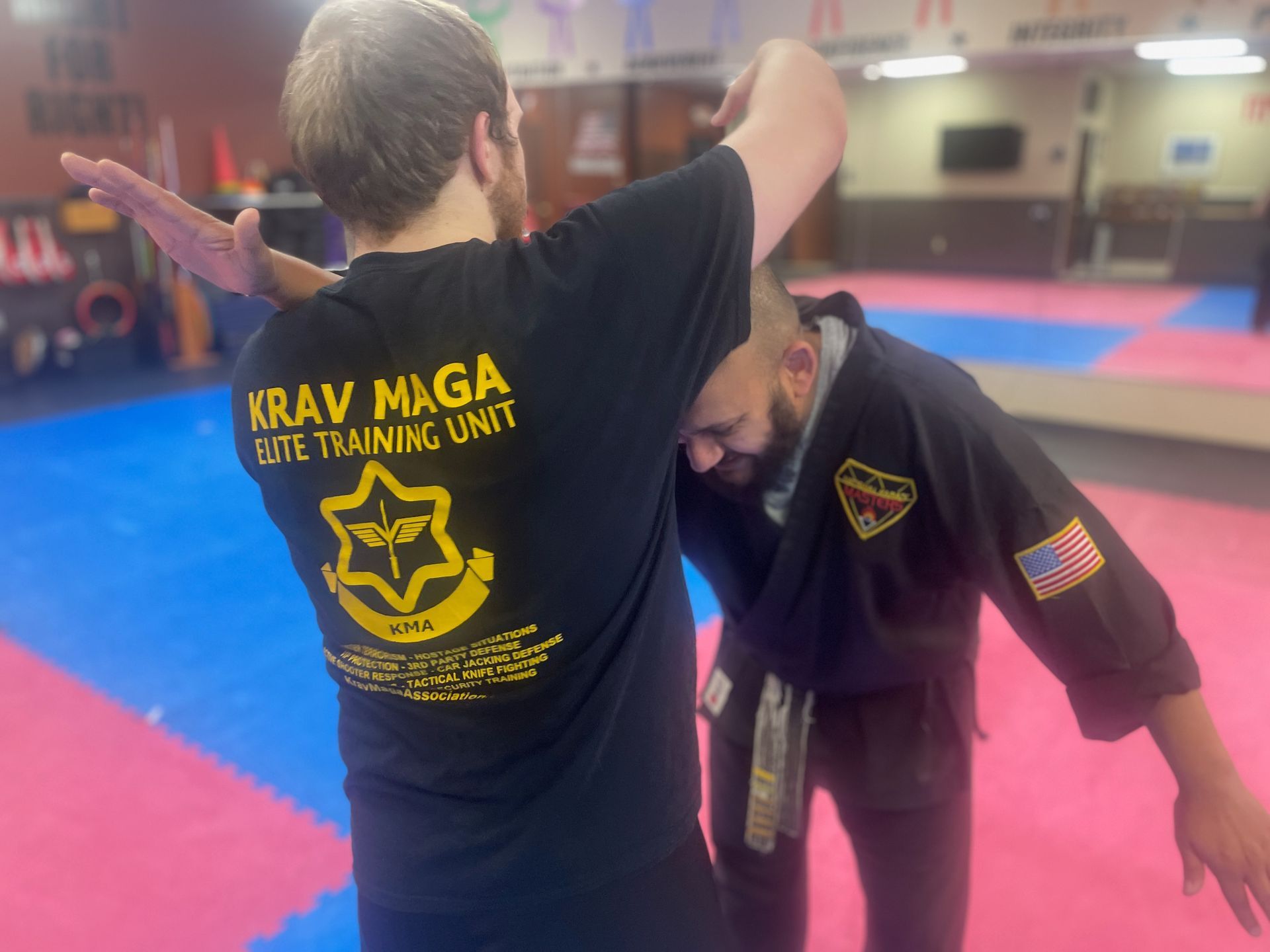
If you want to see teamwork in action, watch partner training. Partner drills are not random pairings for the sake of pairing up. We use them intentionally because partners create real-time feedback, and feedback requires communication.
A typical partner drill might involve controlled blocking, distance management, or target work. The goal is not to win. The goal is to make your partner better while staying safe. Kids learn to read body language, adjust intensity, and give simple, respectful cues like “a little slower” or “can you hold higher.”
Over time, this builds a kind of social maturity that surprises many parents. Studies and parent reports regularly link karate practice to improved social behaviors. One commonly cited finding is that about 60% of parents notice better confidence, peer interaction, and self-expression in kids who practice karate compared with non-practitioners. In class, we see those changes show up as kids raising their hand more, joining group activities faster, and speaking up without shutting down.
Group drills and shared goals: the dojo as a team environment
Not all teamwork looks like partners. Some teamwork looks like synchronized effort. Group drills ask kids to move together, keep pace, and stay focused even when the room is busy. That is a real-life skill, especially for elementary and middle school ages.
We use group exercises where students rotate stations, practice combinations together, or work through a sequence where timing matters. In these moments, kids learn that the team succeeds when each person stays engaged. A student who loses focus can break the rhythm, and a student who stays calm can help settle the group.
This is one of the reasons Youth Martial Arts in New Berlin fits families looking for more than physical activity. The social learning is baked in. The mat becomes a place where kids practice patience, turn-taking, and supportive behavior without it feeling like a classroom lecture.
Respect and empathy: cooperation starts with how kids treat each other
Teamwork is not only about coordination. It is also about emotional awareness. In Youth Karate, we teach kids to control their reactions so the training space stays safe and encouraging. That includes learning how to lose gracefully, how to accept correction, and how to respond when a partner is having an off day.
A child who is naturally competitive learns to dial it back so a smaller partner feels safe. A shy child learns to speak clearly when something feels uncomfortable. Both are forms of cooperation. Both build empathy.
And because the dojo is a community, kids notice that kindness comes back around. The student who helps a newer classmate tie a belt is often the same student who receives encouragement later when learning a tougher technique. That loop of giving and receiving support is a core reason Youth Karate in New Berlin can build strong friendships.
Leadership through mentorship: kids learn to lift others up
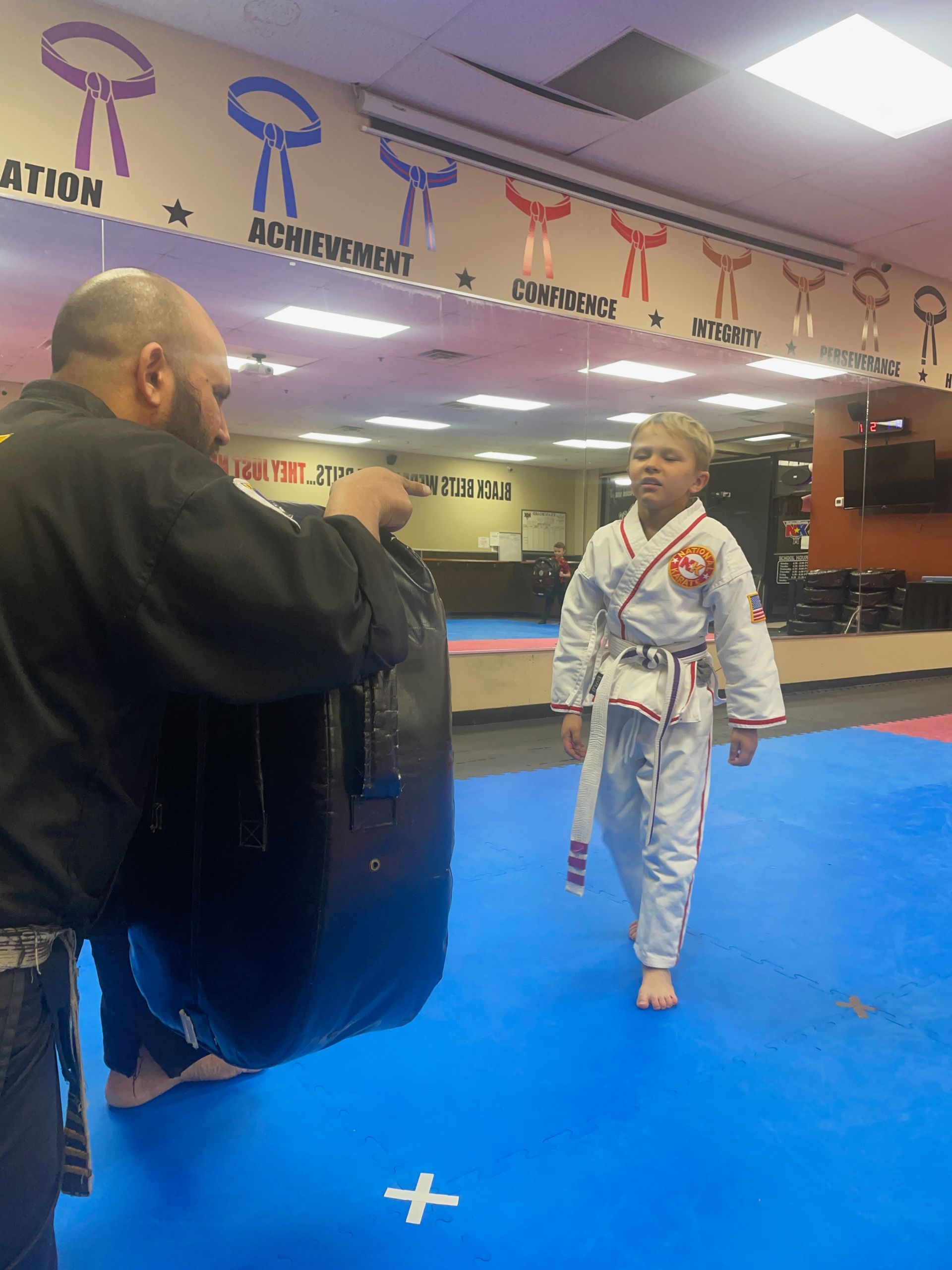
One of the most underrated teamwork builders in martial arts is mentorship. As students progress, we give age-appropriate opportunities to lead by example: lining up correctly, demonstrating a drill, or helping a newer student understand a basic stance.
This is not about turning kids into mini-instructors. It is about teaching responsibility in a way children can feel. When kids realize that younger students are watching, posture improves, focus sharpens, and the room becomes more positive. Leadership becomes a cooperative act, not a spotlight.
Recent trends in youth martial arts (including 2024 program design discussions) emphasize exactly this: advanced students mentoring beginners builds community, reinforces emotional regulation, and strengthens peer relationships. We see that when an older student offers a calm reminder like “breathe and try again” instead of laughing or showing off.
Age-by-age teamwork growth: what we focus on at each stage
Kids do not learn cooperation the same way at every age. We adjust how we teach teamwork depending on developmental needs, attention span, and social comfort.
Here is a practical way to think about how teamwork evolves in Youth Karate:
1. Ages 5 to 6: We focus on communication basics, following directions, and sharing space respectfully without constant reminders.
2. Ages 7 to 9: We build friendships through partner drills, sportsmanship habits, and simple leadership moments like helping the line stay organized.
3. Ages 10 and up: We add more group problem-solving, more complex partner timing, and stronger accountability for effort and attitude.
4. Mixed-age moments: Older kids learn patience and clarity; younger kids learn confidence by being included, not talked down to.
This structure matters because it makes teamwork teachable. Instead of hoping kids “pick it up,” we create repeated chances to practice cooperation in ways that match what kids can handle right now.
How Youth Karate supports shy kids and strong personalities alike
Some kids walk into the dojo and immediately want to be first in line. Others hang back, watch quietly, and hope nobody notices them. We plan for both, because both deserve a path to connection.
For shy kids, the routine is a gift. Predictability lowers social pressure. Partner drills start short and guided, so kids do not have to improvise conversation. As comfort grows, we encourage small wins: making eye contact, using a clear voice, and offering a simple compliment to a partner like “good job.”
For strong personalities, the dojo is where self-control becomes real. Kids learn that intensity is only useful when it is controlled. Cooperation includes listening, not interrupting, and recognizing when a partner needs space. Over time, even the most energetic student learns that being a good teammate is part of being skilled.
Teamwork compared to team sports: a different kind of cooperation
We love athletic kids. Many of our students also play soccer, baseball, volleyball, or other activities. Youth Karate does not replace that experience. It complements it in a different way because the cooperation is not dependent on being the fastest runner or the top scorer.
In our dojo, a child can be the “best” at effort, consistency, and attitude, and that still elevates the group. The environment rewards respect, self-control, and mentorship. That can be a relief for kids who do not thrive in loud, chaotic settings, or for kids who need practice regulating emotions under pressure.
And because progress is tracked over time, kids learn how to show up for the team even on days when motivation is low. That is a life skill, honestly. Plenty of adults are still working on it.
Safety and trust: the foundation of real cooperation
Cooperation does not work if kids feel unsafe. We build trust by teaching control first, then intensity. That means clear boundaries for contact, careful partner selection, and constant reminders that technique quality matters more than force.
There is also a broader benefit here: many families want kids to learn safety awareness and self-control in the same setting. Youth martial arts programs increasingly integrate these themes, and we do too. When kids practice self-control physically, it often shows up socially. A child who learns to pause before throwing a punch in a drill is often better at pausing before blurting something unkind at school.
In a post-pandemic world where some kids are still catching up socially, a consistent training community helps. The dojo becomes a place where kids feel known, included, and expected to contribute positively.
What teamwork looks like after a few weeks, and after a year
Parents often ask how long it takes to see social benefits. The honest answer is that every child is different, but patterns are common.
In the first few weeks, we often see small shifts: better eye contact, more willingness to participate, and improved comfort around peers. In a few months, kids usually start showing clearer cooperation skills: taking turns without fuss, encouraging partners, and handling correction without melting down.
Over 6 to 12 months, teamwork becomes part of identity. Kids begin to think like teammates. They notice who is new, who is struggling, and what the group needs to do well. That is where Youth Karate stops being just an activity and starts shaping character.
Take the Next Step
If your goal is to help your child cooperate, communicate, and feel confident around peers, Youth Karate gives you a structured way to build those skills without constant nagging at home. We use partner drills, group training, and leadership opportunities to turn teamwork into something your child practices, not just something adults talk about.
When you are ready, Wisconsin National Karate Kickboxing & Krav Maga is here in New Berlin with a supportive training environment where kids learn to work together while improving focus, discipline, and athletic coordination. You can start with the program that fits your child’s age and personality, and we will guide the process step by step.
Take what you learned here and apply it on the mats by joining a martial arts class at Wisconsin National Karate.