5 Ways Youth Karate Prepares New Berlin Kids for Real-Life Situations
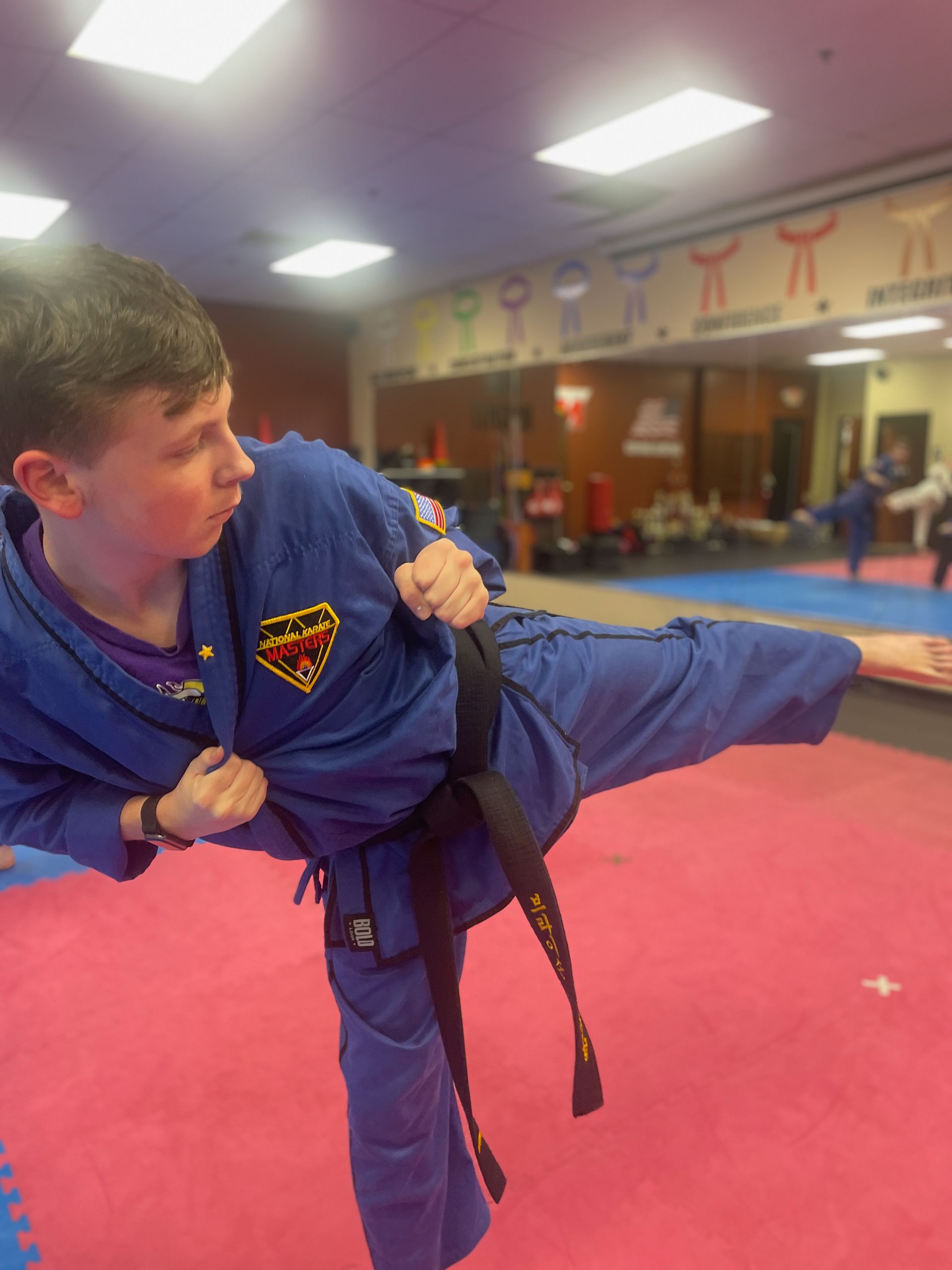
Youth karate is not just an after-school activity - it is practice for the moments that shape your child’s everyday life.
Families in New Berlin ask us a practical question all the time: what does Youth Karate actually do for my child outside the dojo? It is a fair question, because you are not just looking for movement and noise after school - you want a program that translates into better choices, stronger habits, and calmer confidence at home and at school.
In our Youth Karate classes, we coach kids to handle real-life situations with more control, more awareness, and better follow-through. The techniques are important, but what matters most is how training shapes the way your child stands, listens, responds, and keeps going when something feels difficult.
Youth Karate also fits New Berlin life in a very specific way. Winters are long, schedules get packed, and kids still need consistent outlets that build health and character. We keep training structured and motivating, so your child can make steady progress week after week, not just when the weather cooperates.
Why Youth Karate in New Berlin clicks with real family life
When parents look into Youth Karate in New Berlin, the top concerns tend to be simple: will my child like it, will it be safe, and will it help with focus and confidence? Our answer is that the benefits come from the way we train, not from pushing kids hard or expecting perfection.
A strong kids martial arts program should build the whole child. Research in youth martial arts supports meaningful improvements in physical fitness markers like strength, agility, balance, coordination, and flexibility, often exceeding what kids get in standard physical education. That matters because “fitness” for a kid is not a gym concept - it is posture in a classroom chair, stamina on the playground, and coordination during sports or even walking across an icy parking lot.
Just as important, our structure helps kids who need consistency. If your child has a big personality, lots of energy, or struggles to sit still, the routine of warm-ups, technique practice, and goal-based progress gives that energy a place to go.
1. Youth Karate builds coordination and balance for everyday movement
Kids learn balance in a surprisingly detailed way in Youth Karate. It starts with stances, stepping patterns, and learning how to shift weight without wobbling. That sounds small until you watch how it shows up in daily life - fewer spills, better body control, and more confidence in how your child moves through space.
How we train balance without making it boring
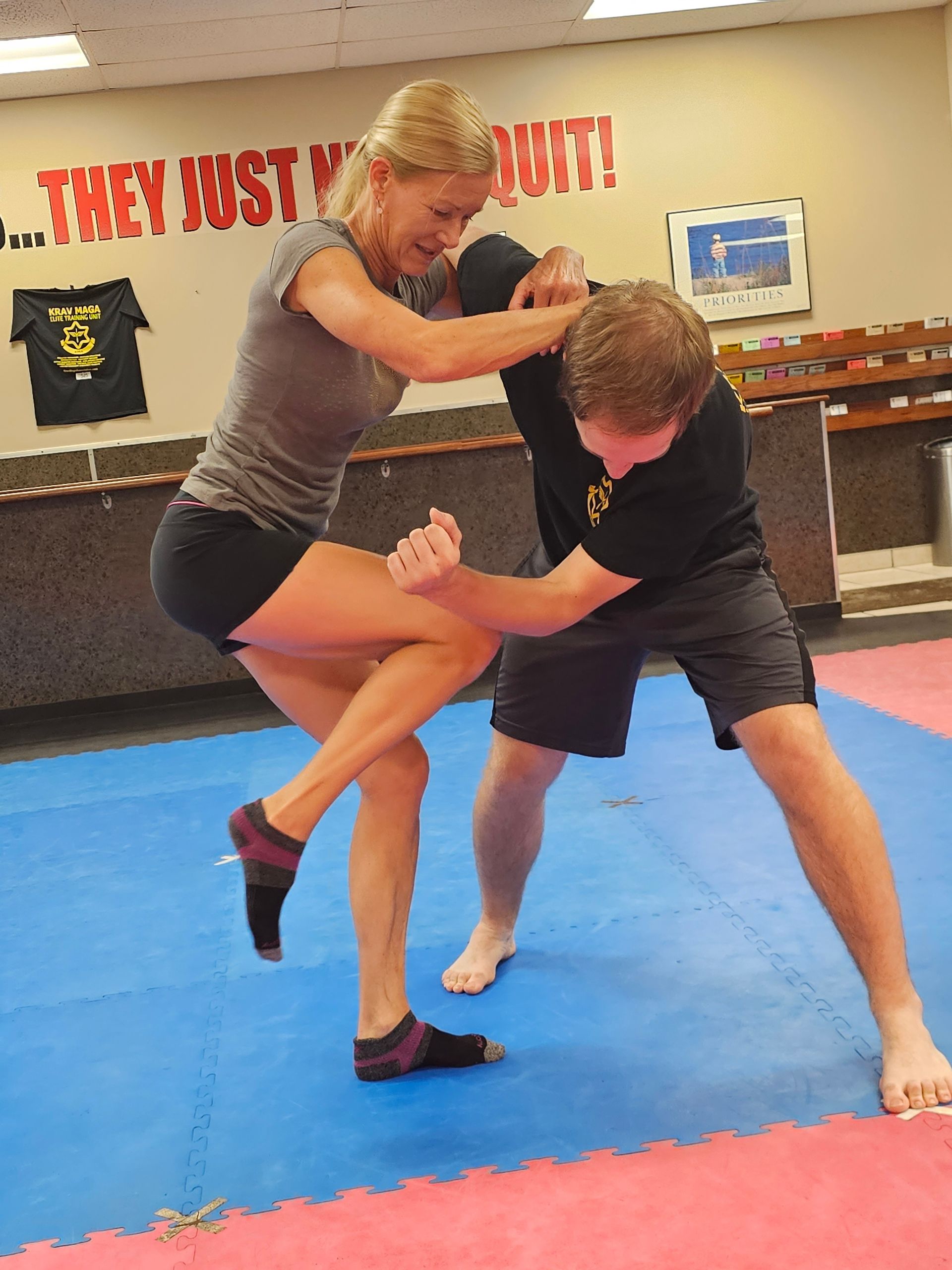
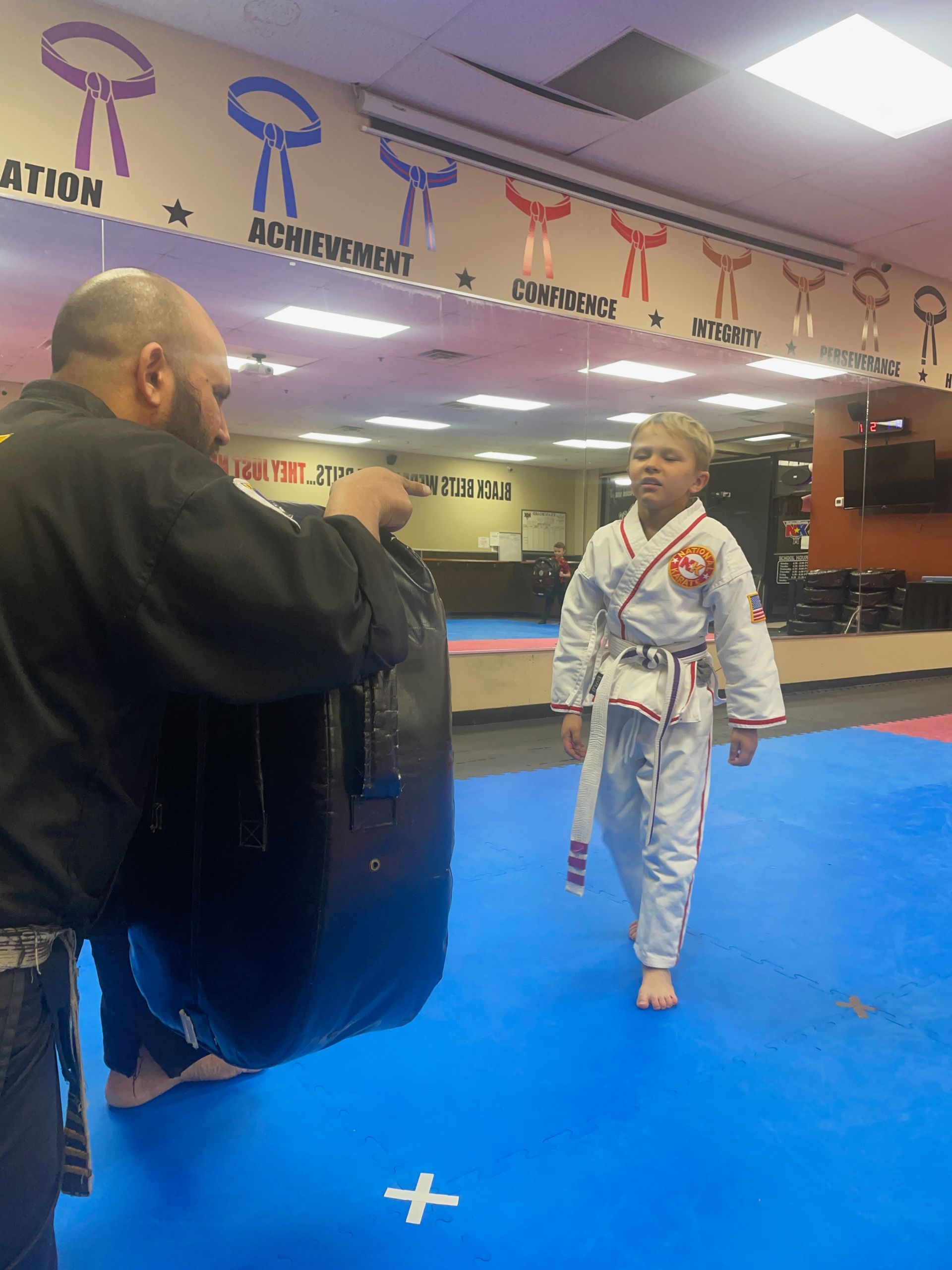
We use footwork drills, stance transitions, and controlled kicking mechanics that require kids to “own” their posture. Our instructors cue the details: where the feet point, how the knees track, where the hands are, and how to keep the head level. Kids do not always love the details at first, but this is where coordination gets built.
Over time, you often see changes like straighter posture and better stability in other activities. For New Berlin kids who skate, play soccer, or just run around at recess, that carryover is real.
Real-life situations this helps with
Coordination is not only for sports. Better balance supports:
- Navigating crowded hallways without bumping into friends
- Carrying a backpack up stairs safely
- Recovering quickly after a slip on wet pavement
- Keeping composure in a fast-moving game or gym class activity
2. Youth Karate sharpens focus under pressure, not just in quiet moments
Focus is one of the most requested outcomes we hear from parents exploring Youth Karate in New Berlin. And it makes sense: kids are expected to pay attention in school even when the environment is loud, the topic is not exciting, or emotions are running high.
In class, we train focus as a skill. Kids practice listening for instructions, remembering sequences, and switching from high-energy movement to stillness on command. That is exactly what “focus under pressure” looks like in real life.
Why repetition works for attention and self-control
A big part of our curriculum uses structured, repetitive drills. Repetition is not mindless here - it is how kids learn to stay with a task long enough to get good at it. For many children, including kids with ADHD tendencies, that combination of movement plus clear rules can be a game-changer. It gives the brain a target, the body a job, and the child a way to feel successful.
Everyday examples you may notice
As kids keep training, families often tell us they see improvements such as:
- Following multi-step directions the first time
- Pausing before reacting when frustrated
- Finishing chores with less negotiation
- Better study habits because “practice” feels familiar
3. Youth Karate builds social skills through respectful partner work
Kids do not develop social skills by being told to “be nice.” They build social skills by practicing real interactions, with boundaries, structure, and coaching. Youth Karate gives kids that practice in a guided setting where respect is not just a slogan - it is a required part of training.
Learning to work with different personalities
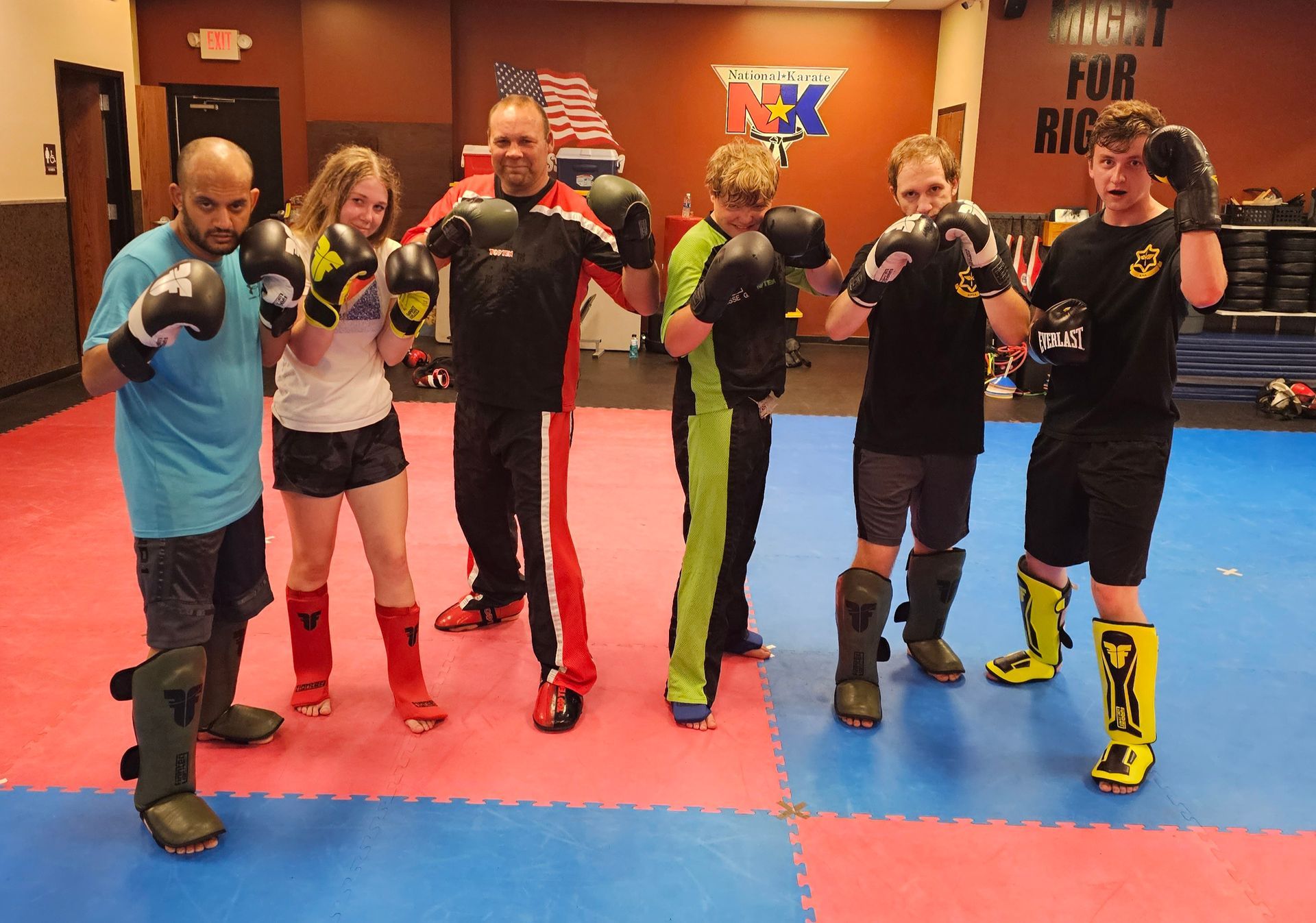
In our classes, kids rotate partners, take turns, and learn to match energy appropriately. A confident kid learns not to overpower. A shy kid learns to speak up clearly. An impulsive kid learns to wait for the cue. These are social skills that show up at school lunch tables, group projects, and team sports.
We also coach kids to acknowledge mistakes without melting down. That matters, because real life is full of awkward moments, and the ability to recover calmly is a life skill.
Bully prevention without turning kids into “fighters”
Parents often want bully prevention, but not aggression. We agree. Our approach emphasizes awareness, boundaries, and confidence. Kids who carry themselves with better posture, eye contact, and calm voices are less likely to be targeted in the first place. If a situation escalates, your child is learning to think clearly, follow instructions, and get to safety, not to prove something.
4. Youth Karate teaches discipline that fits busy New Berlin schedules
Discipline is not punishment. In our Youth Karate program, discipline is the habit of doing the work even when the day is busy. That is why structured progress matters so much.
We use a belt system and clear milestones to give kids something concrete to reach for. The goal is motivation without pressure: your child sees progress, earns progress, and learns that consistency creates results. In a place like New Berlin, where winter can disrupt outdoor routines for months, having an indoor program with steady expectations can keep kids grounded.
What “structured progress” looks like in our classes
A typical class flow supports discipline naturally:
1. Warm-up and mobility work to prepare the body
2. Skill practice with specific coaching points
3. Drills that repeat techniques until they feel natural
4. Partner practice with clear rules and control
5. A short wrap-up that reinforces what was learned and what to improve next time
This rhythm teaches kids to start tasks, stay with them, and finish strong. That pattern is exactly what school and home life demand.
The real-life payoff
Discipline built here often shows up as:
- Better morning routines because your child understands “get ready, then go”
- More patience with long-term goals like reading levels or sports seasons
- Less quitting when something feels challenging
5. Youth Karate builds confidence your child can actually use
Confidence is easy to talk about and hard to define. We look at confidence as “I can handle this,” not “I am the best.” Youth Karate builds that kind of steady confidence because kids face manageable challenges every class and learn to push through them.
That might be holding a stance longer than last week, practicing a new technique that feels awkward, or speaking loudly when asked to answer. Small wins stack up. Over time, the child who used to avoid attention starts volunteering. The child who used to crumble at correction starts saying, “Okay, I’ll try again.” That is real.
Confidence in real-life situations
Youth Karate prepares kids for moments like:
- Walking into a new classroom or joining a new team
- Handling peer pressure with a stronger sense of self
- Responding calmly when a friend is rude or unfair
- Taking responsibility at home without needing a reward every time
And yes, your child learns physical skills too. But the bigger change is that your child starts to feel capable in their own body and mind. That is what carries into everything else.
What parents often ask before starting Youth Martial Arts in New Berlin
We keep conversations straightforward, because you deserve clear answers.
Is Youth Karate beginner-friendly?
Yes. Our Youth Karate classes are built to welcome beginners, and we coach kids at their level. The structure helps kids feel oriented quickly, even if the first class feels new and a little unfamiliar.
Will my child get a good workout?
Absolutely. Kids build full-body fitness through dynamic movement, stances, drills, and coordination work. The goal is athletic development that improves strength, agility, and stamina in a way kids actually enjoy.
How does this help with school behavior?
Training supports listening skills, impulse control, and perseverance. We practice attention as a physical and mental habit, which often transfers to homework routines and classroom behavior.
Take the Next Step
If you want a program that connects directly to real-life growth, our Youth Karate classes are designed to build fitness, focus, confidence, and self-control in a way that feels practical for New Berlin families. We keep training structured, positive, and consistent so your child can develop skills that hold up at school, at home, and with friends.
When you are ready, Wisconsin National Karate Kickboxing & Krav Maga makes it simple to explore the program, check the class schedule, and step onto the mat with a clear plan. We would love to help your child start building habits that last.
Help your child build confidence, discipline, and focus by enrolling them in youth martial arts classes at Wisconsin National Karate.