How Youth Karate in New Berlin Shapes Positive Peer Relationships
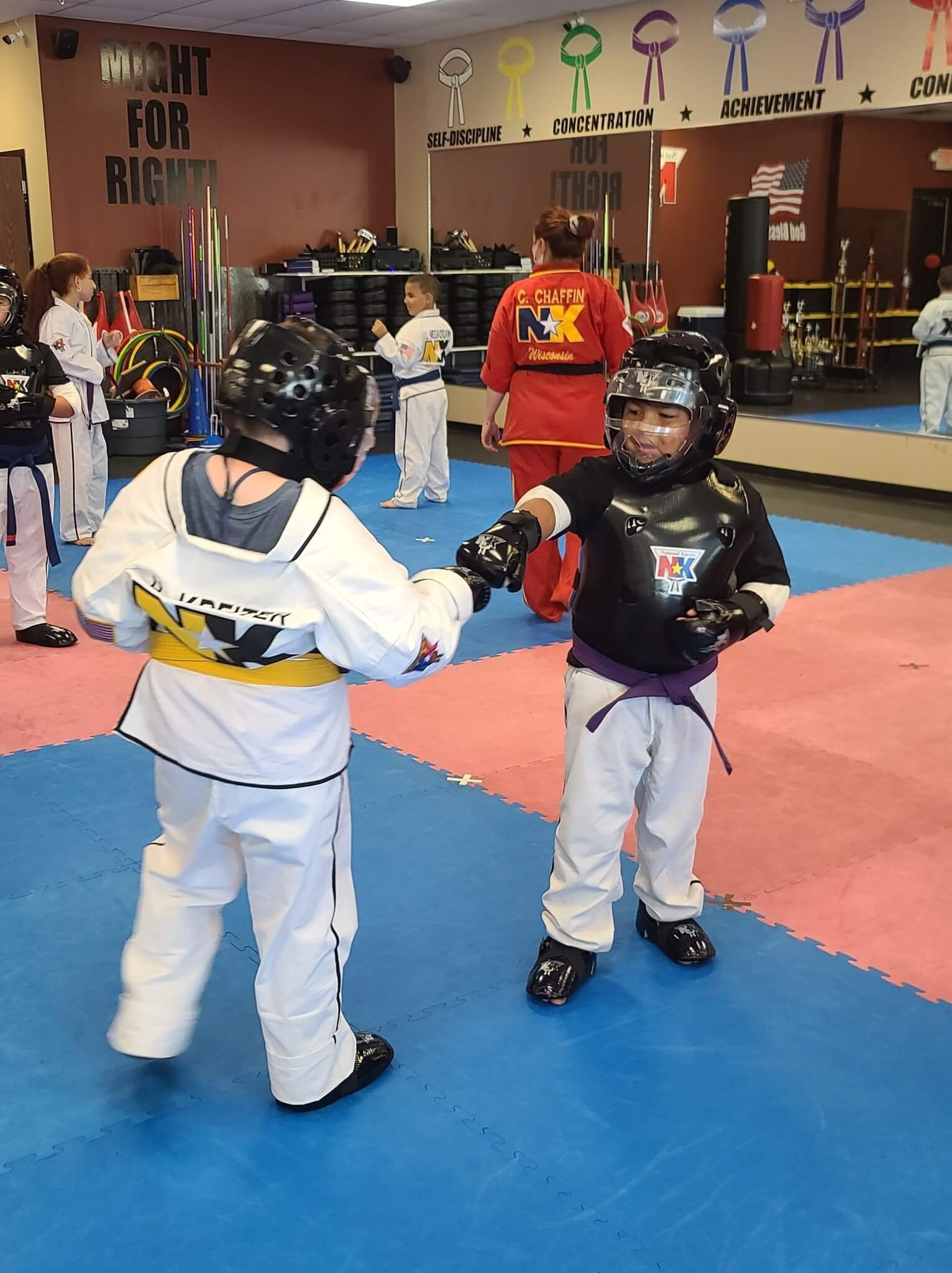
The right class environment can turn “making friends” from a struggle into a skill your child practices every week.
When families ask us about Youth Karate, the question is not only about kicks and punches. It is about people. You want your child to feel confident walking into a room, comfortable talking to peers, and capable of handling conflict without melting down or lashing out. That is a big ask for any after school activity, but it is exactly why martial arts has such a strong reputation for building the whole child.
In New Berlin, schedules are packed and winters are real, which means an indoor, year round program matters more than you might expect. Youth Karate in New Berlin gives kids a consistent place to show up, move their bodies, and learn how to be part of a group. Over time, that rhythm shapes how kids treat classmates, teammates, siblings, and friends.
We see it every week: friendships form when kids train together, face challenges side by side, and learn a shared “code” of respect. The techniques matter, but the social growth is often what parents mention first after a few months.
Why Youth Karate naturally supports healthy friendships
Positive peer relationships rarely appear out of nowhere. Kids usually need structure, repetition, and a little guidance to learn social habits that stick. In our Youth Martial Arts in New Berlin, the class itself becomes a practice ground for real life social skills, without the pressure of a cafeteria table or group chat drama.
Youth Karate creates a setting where kids are expected to interact in specific ways: greeting each other, taking turns, listening during instruction, and working with partners safely. That predictable structure helps kids who feel shy, impulsive, or unsure. It also challenges kids who are confident but need practice being patient and considerate.
Over time, students start to associate peers with progress. Training partners are not just “other kids,” but part of a shared path. That shared path is one of the simplest ways to build real connection.
A social skill most activities do not teach: respectful disagreement
Kids disagree. That is normal. What is not always normal is learning how to disagree without getting mean or quitting. In Youth Karate, we teach kids that feedback is part of improvement and that boundaries are part of safety.
During partner drills, students learn to say things like “lighter please” or “can we try that again” in a calm voice. Those small sentences matter. They translate directly to playground games, birthday parties, and school group projects where emotions can spike fast.
We also coach kids to accept correction from instructors and to reset after a mistake. That ability to recover gracefully is often what keeps friendships steady over the long run.
How our class structure turns peers into teammates
Youth Karate is not chaotic free play, and it is not silent individual work either. It is guided, active learning with clear rules. That balance creates the right conditions for friendship, because kids get repeated chances to cooperate in short, manageable moments.
We use group lines, partner rotations, and team based challenges so students interact with more than just one preferred buddy. That prevents the “clique effect” that can happen in some youth settings. It also gives kids a wider circle of familiar faces, which makes the room feel safer and more welcoming.
In Youth Karate in New Berlin, students learn that everyone trains together but each student progresses at a personal pace. That reduces unhealthy comparison. Instead of “I’m better than you,” the mindset becomes “we are both improving.”
What kids practice socially in a typical class
Here are a few relationship skills that show up naturally in training, even when kids are mainly focused on learning the next technique:
• Taking turns and sharing space during line drills, without pushing or crowding
• Listening the first time, so partners do not have to repeat instructions and get frustrated
• Helping a newer student remember steps, which builds empathy and leadership
• Managing intensity during partner work, so training stays safe and fun
• Celebrating effort, not just talent, which keeps friendships supportive instead of competitive
These are not abstract values. Kids rehearse them, week after week, in a setting that feels active and rewarding.
Belt progression and why it strengthens peer bonds
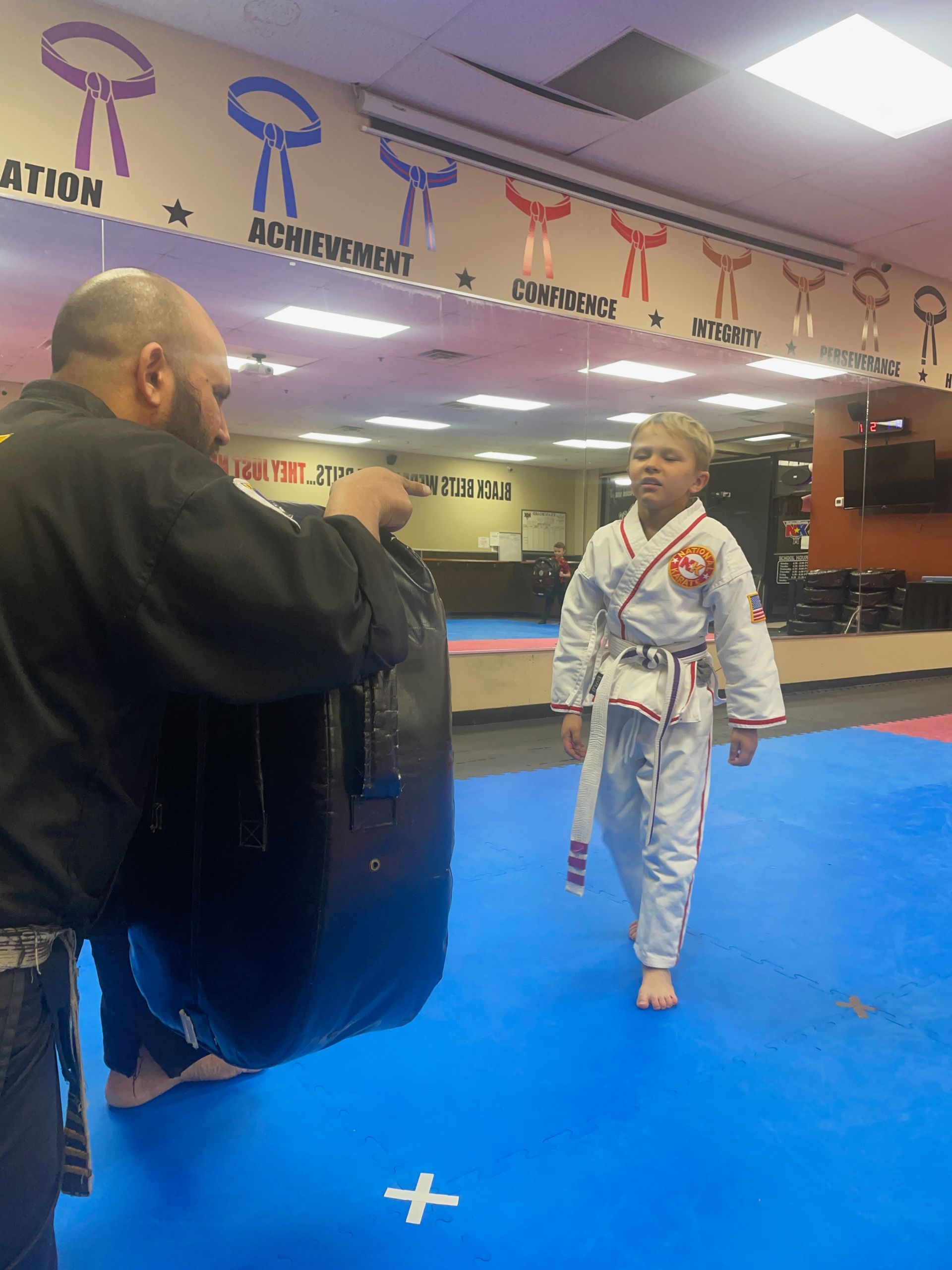
Belt systems are not just about rank. For many kids, they are the first long term goal system that makes sense. In Youth Karate, belt progression turns growth into something visible and shared. Kids learn to set a goal, work for it, and stay steady when progress feels slow.
That shared progression also creates a unique kind of friendship. Students remember who started at the same time, who helped them through a tough drill, and who tested for the next belt alongside them. Those moments become social milestones.
When kids see peers working hard, it normalizes effort. Instead of teasing someone for trying, the culture becomes “we all train.” That alone can change how a child approaches friendships at school.
How goal setting reduces social anxiety
Some kids struggle socially because they do not know what to say or how to join in. In Youth Karate in New Berlin, the topic is built in. Kids can talk about their stripe, their form, their next test, or the drill from class. Shared language makes small talk easier, and small talk is often how friendships begin.
Also, when kids feel proud of progress, they stand a little taller. They speak a little clearer. Confidence is not magic, but it is noticeable, and peers tend to respond to it.
Confidence without arrogance: the “earned” kind of self esteem
One of the best things about Youth Karate is that confidence is earned through practice, not handed out through empty praise. When students repeat a technique, fix it, and finally get it right, the pride is real. That kind of confidence usually makes kids kinder, not cockier, because they understand effort.
In our Youth Martial Arts in New Berlin, we reinforce that skill is a responsibility. Strong technique means training with control. A higher belt means modeling respect. Kids learn that leadership is not bossiness, it is steadiness.
As confidence grows, many students stop chasing approval in unhealthy ways. They do not need to show off as much. They are less likely to tolerate disrespectful behavior from peers, and they are more likely to choose friends who treat them well.
What “respect” looks like in kid terms
Respect can sound like a grown up word, but kids understand it when it is specific. In class, respect becomes actions: waiting your turn, keeping hands to yourself, responding politely, and following safety rules even when you are excited.
We also teach students that respect includes self respect. That shows up when a child can say “no” to rough play, walk away from teasing, or ask for help. Those are friendship protecting skills, especially in the later elementary and middle school years.
Conflict management: learning to pause before reacting
A common parent goal is simple: “I want my kid to think before reacting.” Youth Karate supports that goal because training requires pauses. Kids must listen, watch, and respond with control. Over time, that pattern becomes familiar.
When a classmate bumps into your child at school, the best response is not always a shove or a shout. Sometimes it is a calm “watch it” and moving on. That kind of self control can prevent small incidents from turning into bigger social problems.
Why year round indoor training matters in New Berlin
In Wisconsin, seasons shape routines. Outdoor sports come and go, and winter can shrink options fast. A consistent indoor program helps kids keep social momentum. It is easier to build friendships when you see the same group regularly, not only during a short season.
Youth Karate in New Berlin also supports families who need predictable scheduling. When kids have a reliable weekly routine, they tend to feel more secure. That security often shows up socially as patience, confidence, and better emotional control.
We design our class schedule to be workable for busy families, and that consistency is part of the relationship benefit. Regular attendance means kids build familiarity, and familiarity is the foundation of friendship.
How we create a welcoming environment for new students
Starting something new can be intimidating, especially for kids who are quiet or who have had a rough social experience in the past. We keep the onboarding process straightforward and supportive so kids know what to do from day one.
We also pair students strategically during drills. A new student is not left alone to figure it out. At the same time, we avoid making anyone feel singled out. It is a careful balance, and it matters.
If your child is energetic, we channel that energy into focused work. If your child is reserved, we give gentle opportunities to participate without forcing the spotlight. Either way, the goal is the same: help your child feel like part of the group.
Simple steps that help kids connect faster
Friendships usually form faster when kids have repeated, low pressure interactions. In Youth Karate, that happens naturally, but we also reinforce it with habits like:
1. Greeting instructors and classmates at the start of class to practice confident social entry
2. Rotating partners during drills so kids meet more peers and learn flexibility
3. Using short team challenges that reward cooperation and good attitude
4. Recognizing helpful behavior, not just athletic ability, so kindness becomes “cool”
5. Ending class with a clear wrap up so kids leave feeling successful and calm
These steps sound simple, but simple is often what kids need.
The role of safety training in peer relationships
Parents often come in looking for confidence and self defense skills, and that is absolutely part of our work. But safety training also affects friendships. When kids understand boundaries and personal space, social situations become easier.
A child who can manage physical play appropriately is more likely to be invited back. A child who knows how to respond to unwanted contact calmly is less likely to panic or explode. These skills protect friendships and help kids navigate tricky moments without losing control.
We focus on practical, age appropriate skills and emphasize that training is for protection and personal growth. That message supports a healthy peer culture where students feel safe around each other.
Take the Next Step
Building strong friendships is not about changing your child’s personality. It is about giving your child a place to practice respect, teamwork, and confidence in a structured setting that makes sense to kids. Youth Karate provides that structure, and in New Berlin it can be a steady anchor through busy school years and long winters.
If you want a program where your child can grow socially while learning real martial arts skills, we would love to help you explore the right fit. At Wisconsin National Karate Kickboxing & Krav Maga, we keep training consistent, goal focused, and welcoming so kids can build positive peer relationships that last well beyond class.
Give your child a positive and active outlet by joining the kids’ karate program at Wisconsin National Karate.