Why Youth Karate Boosts Creativity and Problem-Solving in New Berlin Kids
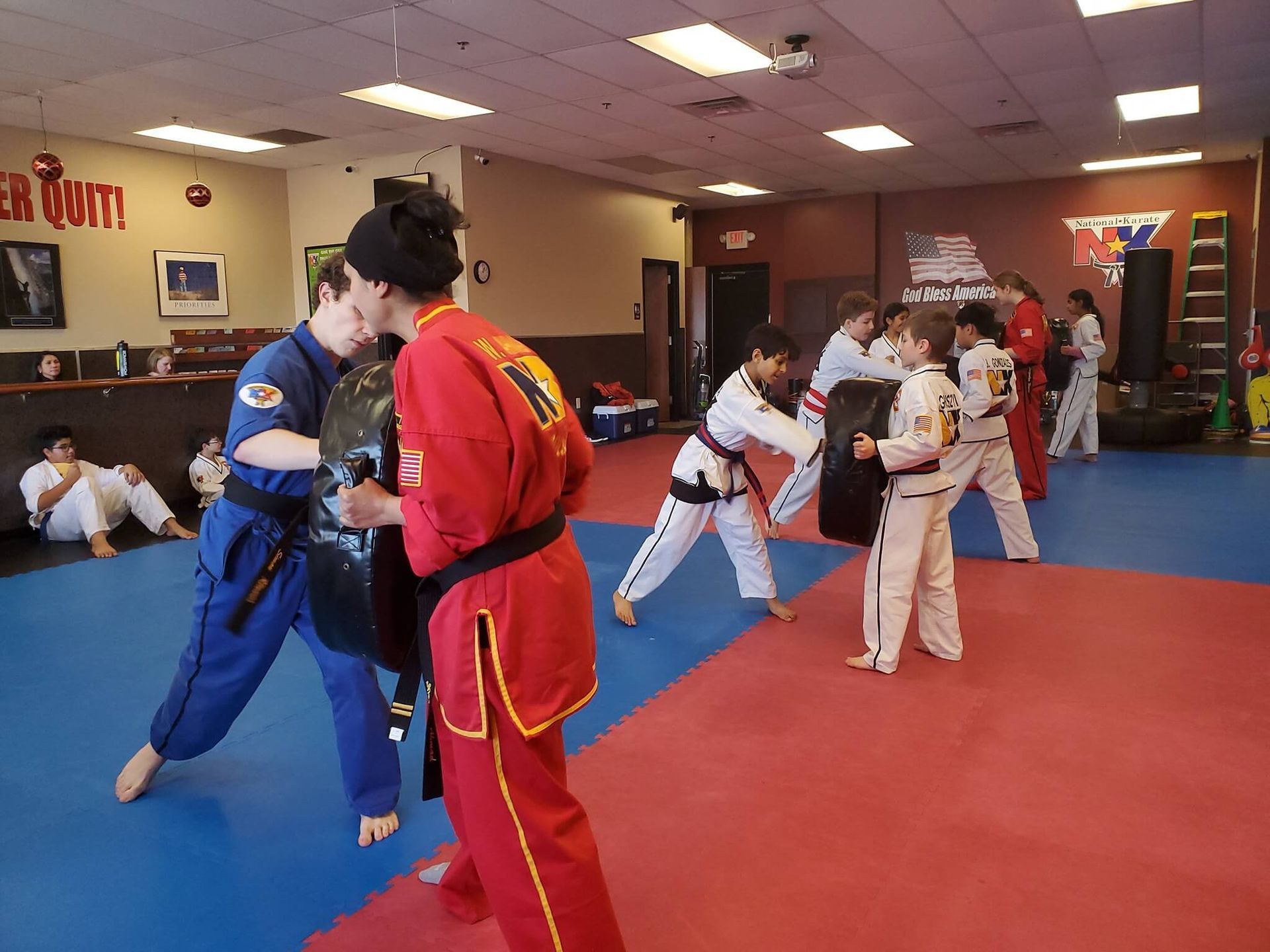
Youth Karate turns “I can’t” into “let me try another way” - and that mindset sticks at school, at home, and with friends.
If you are looking into Youth Karate for your child, you might be thinking about the obvious benefits first: fitness, coordination, confidence, and learning to listen. We care about those too. But in our New Berlin classes, parents often notice something a little less expected: kids start coming up with better ideas and solving everyday problems with less frustration.
That is not magic and it is not luck. Youth Karate gives kids a structured place to experiment, adapt, and try again. In other words, it trains creativity and problem-solving the same way it trains a strong stance: with repetition, feedback, and steady progress.
In New Berlin, where kids juggle school, screens, and busy schedules, we use martial arts as a practical reset. The goal is not just learning techniques. It is helping your child think clearly under pressure, make good choices, and keep moving forward when something is challenging.
Why creativity and problem-solving matter for New Berlin kids right now
We hear it all the time: “My child is smart, but shuts down when work gets hard,” or “My child has big feelings and gets stuck in them.” Those struggles are common, especially when kids spend more time sitting, scrolling, and switching tasks every few seconds. Problem-solving takes patience, and patience is a skill you can build.
Creativity matters too, and not only in art class. Creativity is how kids write a better story, find a new approach to math, navigate a friendship issue, or handle a tough conversation without melting down. When kids can generate options, they feel more capable. When they feel capable, they try more. That cycle is powerful.
Youth Martial Arts in New Berlin can give kids that cycle in a way that feels active and real. Instead of “think harder,” your child practices thinking differently while moving, breathing, and learning step by step.
How Youth Karate trains the brain while the body moves
Karate is physical, but it is never only physical. Every class blends attention, memory, timing, and decision-making. Kids learn patterns, but they also learn how to adjust those patterns when the environment changes.
Research and long-term observations in youth martial arts point to improvements in focus, discipline, and emotional control after consistent practice. Traditional karate in particular has been linked with reductions in anger, anxiety, and aggression in children ages 7 to 12, along with better social behavior and self-worth. When kids feel calmer and more in control, problem-solving becomes easier because the brain is not stuck in “alarm mode.”
We also like the early-start advantage. Many kids can begin around ages 4 to 5 with age-appropriate training that builds balance, coordination, and body awareness. Those “basic” foundations quietly support creativity later, because kids who feel comfortable in their bodies tend to experiment more and freeze less.
Creativity boost number one: technique variation builds flexible thinking
A common myth is that karate is just copying moves. Yes, kids learn fundamentals, and we take fundamentals seriously. But creativity shows up inside the structure.
As students progress, we ask them to explore variations: different timing, different angles, different distance, different setups. Even small changes require flexible thinking. A child learns that one situation can have multiple correct responses, and that is basically creativity in action.
Here is what that looks like in class:
- A student practices a kick, then adjusts balance and foot position to keep it controlled.
- A student learns a combination, then learns how spacing changes which technique works best.
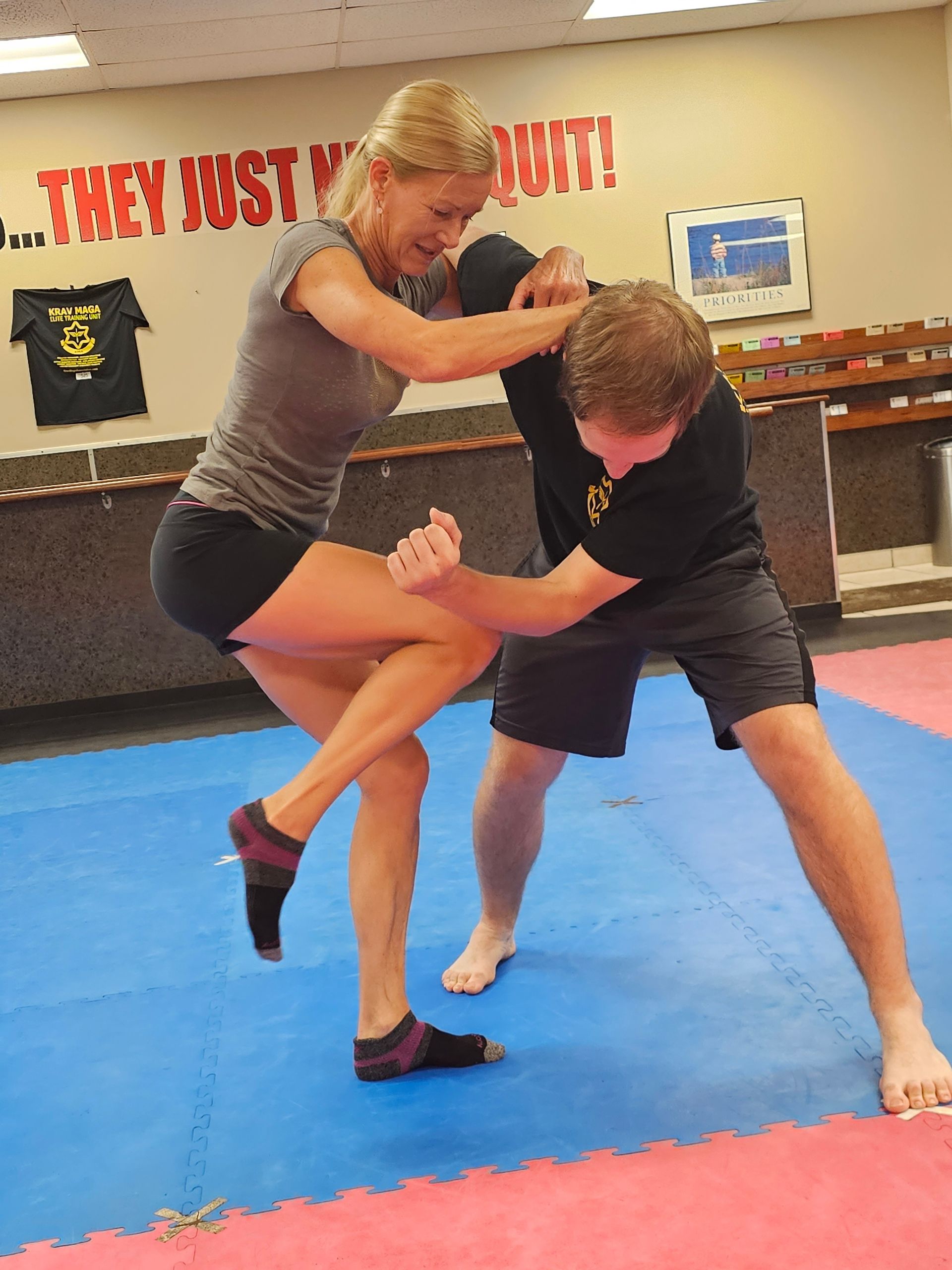
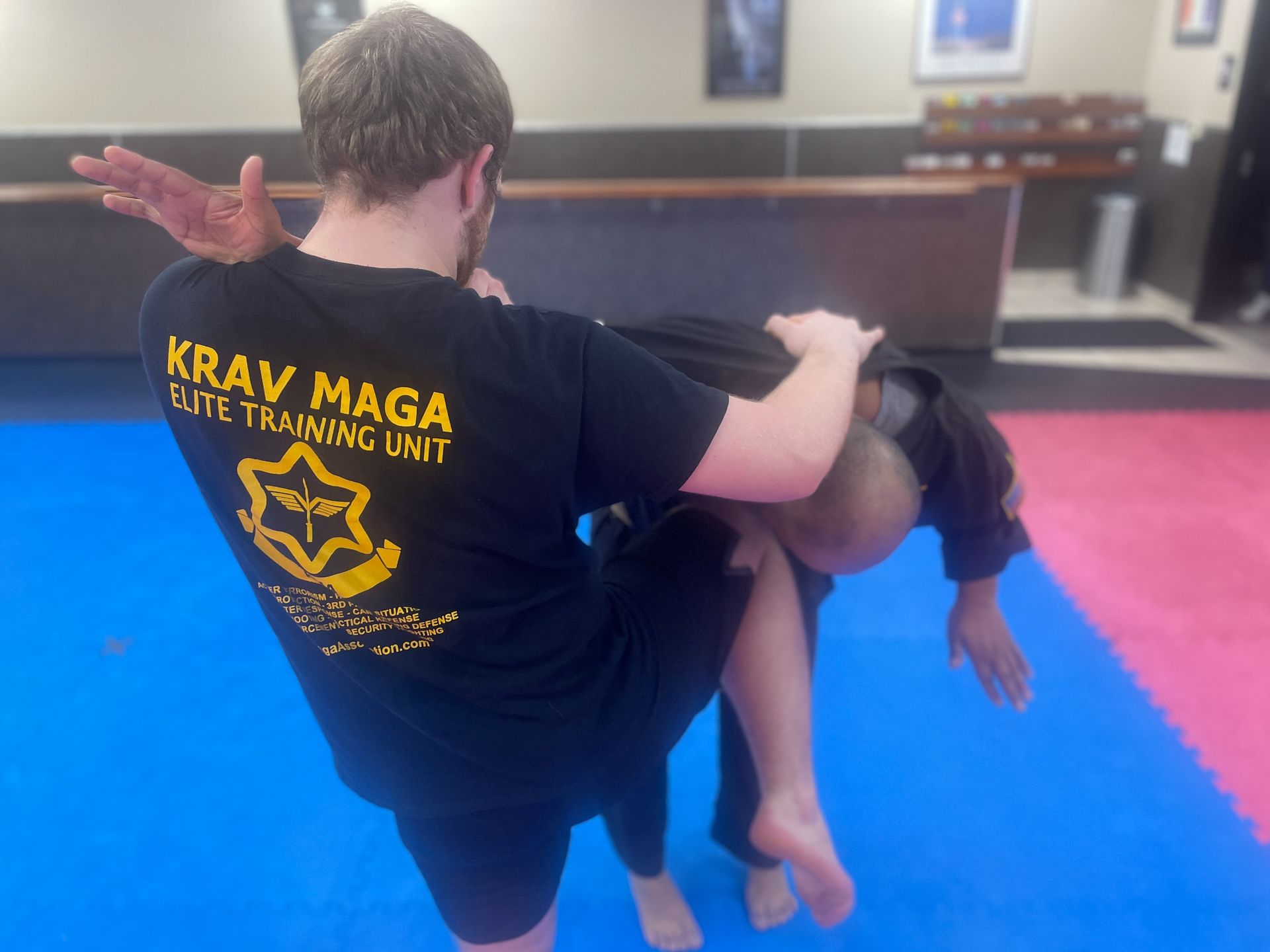
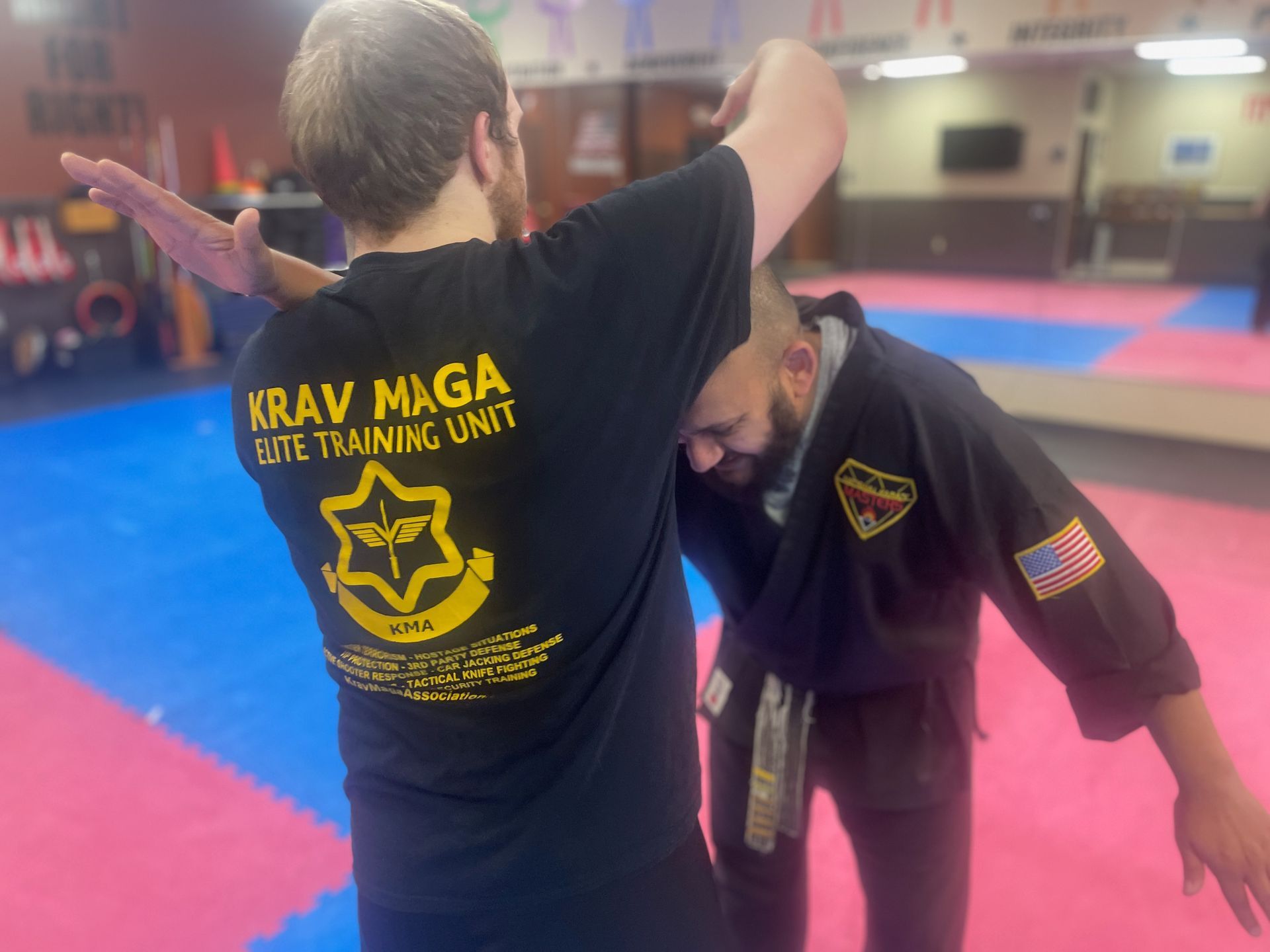
- A student practices with a partner, then adapts to a different partner’s height, speed, or stance.
That adaptability is the point. We are not training kids to be robotic. We are training them to make smart choices.
Creativity boost number two: “flow” moments help kids get out of their own way
Sometimes a child walks in tense, distracted, or overwhelmed. Then class starts: warm-ups, movement, technique, and focus. A shift happens. Breathing steadies. Attention narrows. You can almost see the mind quiet down.
That state is often described as flow: being fully engaged in the moment. Flow supports creativity because kids are not busy judging themselves. They are simply doing, noticing, and adjusting. Mindfulness plays a role here too. When kids learn to breathe, reset posture, and focus their eyes, they gain access to calmer thinking.
It is also why Youth Karate can be a relief for kids who struggle with perfectionism. In class, we treat mistakes as data, not drama. That alone opens the door to creative risk-taking.
Problem-solving in action: every technique is a mini puzzle
Problem-solving is not a single skill. It is a stack of skills: noticing details, predicting outcomes, testing an option, and learning from the result.
Karate is full of that. Even a “simple” movement is packed with questions:
- Where are my feet?
- Is my guard up?
- Am I too close or too far?
- Did I overcommit and lose balance?
- What is the safest next move?
Kids practice breaking down a challenge into parts. That habit transfers well to schoolwork, where many kids get stuck because they see the assignment as one giant block. When your child learns to solve a movement puzzle in class, “break it down” starts feeling normal.
Resilience: the overlooked engine behind better problem-solving
A lot of parents come to us looking for confidence, and confidence does grow in Youth Karate. But we want to be clear about where it comes from. It is not hype. It comes from small wins earned honestly.
Resilience is built when kids do something hard, feel uncomfortable for a moment, and then realize they can handle it. That is a problem-solving skill, because resilient kids keep trying long enough to find an answer.
Consistent practice matters here. Studies and program trends show that regular martial arts training can improve discipline, emotional regulation, and pro-social behavior, especially when kids train in a structured, traditional setting. When kids learn to pause before reacting, they can choose a solution instead of exploding or shutting down.
Why Youth Karate can outperform many sports for cognitive growth
Team sports can be great for energy and teamwork, and we respect the role they play in a child’s life. But Youth Karate offers a different cognitive experience: every student is responsible for their own decisions, timing, and technique refinement.
In our classes, your child cannot hide behind the group. That sounds intense, but it is actually freeing. Progress becomes personal and measurable. Kids learn how to set a goal, practice consistently, and track improvement. That trains strategic thinking, self-evaluation, and the ability to adjust plans, which are core problem-solving skills.
And because karate is both a martial art and a discipline, it blends physical effort with mental focus in a way many activities do not. Kids are moving, but they are also thinking the whole time.
Youth Karate in New Berlin: practical benefits for school, friendships, and screen-heavy habits
New Berlin is a family-focused community with plenty of activities. At the same time, many families are navigating the same modern problem: kids have more screen time and less unstructured movement than past generations. That can show up as restlessness, moodiness, or difficulty focusing on tasks that do not provide instant feedback.
Our approach gives kids a clear structure and immediate, healthy feedback:
- If you breathe and focus, your technique improves.
- If you rush, you lose balance.
- If you get frustrated, you miss details.
- If you reset and try again, you learn faster.
Those lessons translate into classroom behavior and peer interactions. Kids practice respectful communication, taking turns, and working with partners safely. Over time, many families notice improved emotional expression and better self-control.
What your child practices in our youth program that builds creativity and problem-solving
We keep class engaging, but we do not rely on chaos or constant entertainment. Kids learn best when the environment is consistent and the expectations are clear. Within that structure, we add “thinking” challenges that feel like games but develop real skills.
Here are a few examples of what we build into Youth Karate training:
- Scenario-based drills where students choose a response based on distance and timing
- Combination work that requires memory, rhythm, and quick adjustments
- Partner drills that teach safe decision-making and respectful control
- Focus exercises that improve listening and reduce impulsive reactions
- Progress checkpoints that reward effort, consistency, and coachability
These are the moments where creativity and problem-solving become visible. Kids stop asking, “Is this right?” and start asking, “What should I do next?” That question is where growth lives.
The best age to start, and what progress should look like
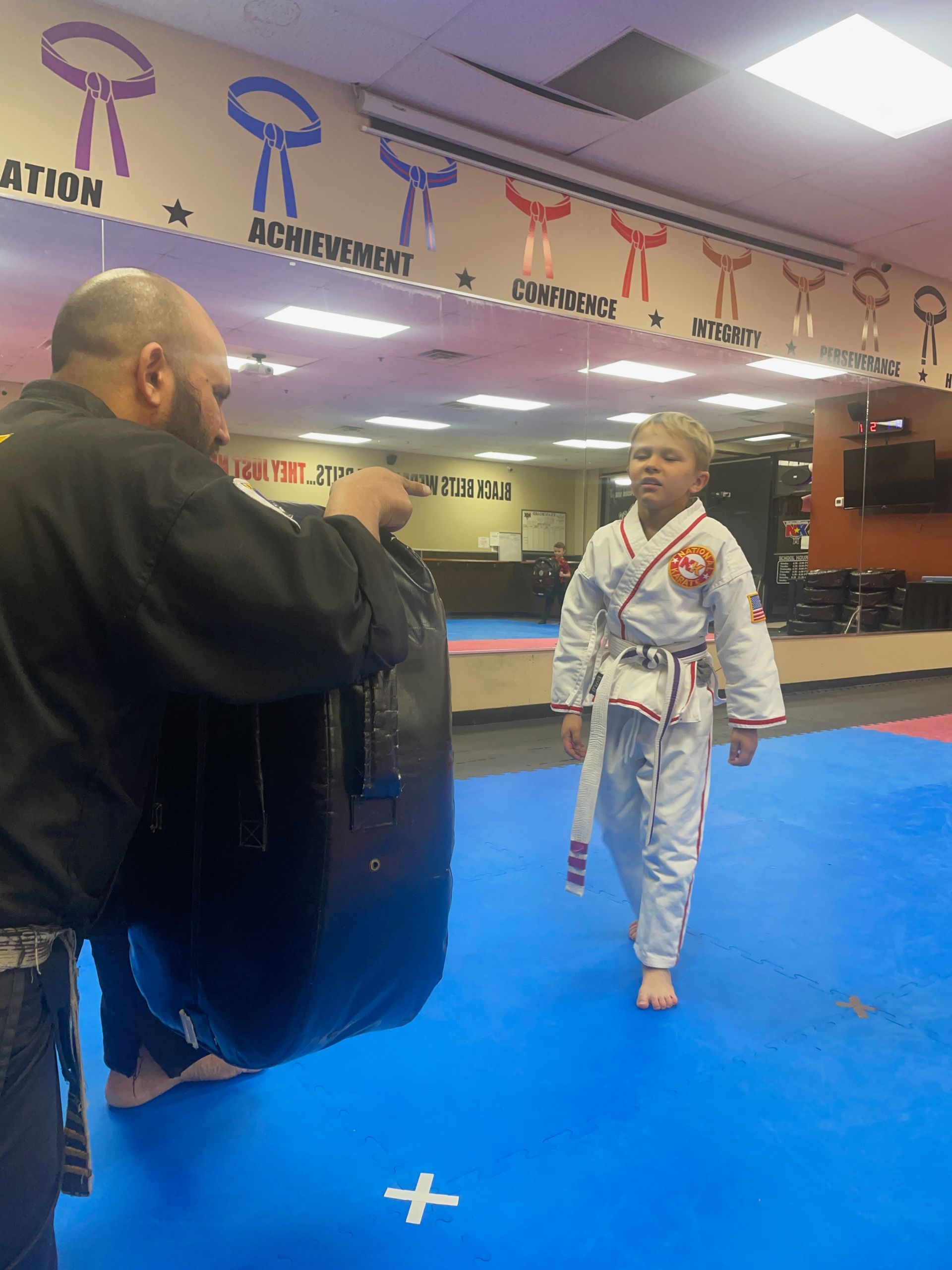
Many kids can start around 4 or 5 with age-appropriate classes focused on coordination, balance, and basic listening skills. At that age, we keep directions simple and success frequent. As kids grow, we add more complex technique, more partner work, and more responsibility.
For elementary-age students, we often see the biggest changes in focus and emotional regulation. For middle school and teens, problem-solving becomes more strategic: managing distance, reading patterns, and staying composed under pressure.
No matter your child’s age, we watch for the right kind of progress:
1. Better attention during instruction and faster recovery after distractions
2. More willingness to attempt something new without quitting immediately
3. Stronger emotional control when a drill feels challenging
4. Clearer communication with partners and instructors
5. Pride in steady improvement, not just instant results
That is the kind of development that supports school success and healthier confidence.
Take the Next Step
Building creativity and problem-solving is not about adding another lecture to your child’s week. It is about giving your child a place to practice real-life thinking skills through movement, structure, and supportive coaching. That is exactly what we aim for in our Youth Karate program, and it is why families often tell us the benefits show up far beyond the mat.
At Wisconsin National Karate Kickboxing & Krav Maga, we design Youth Karate in New Berlin to help kids stay focused, adapt quickly, and keep trying when challenges pop up. If you want your child to develop stronger habits for school, friendships, and everyday life, we would love to help you get started.
Take what you learned here and apply it on the mats by joining a martial arts class at Wisconsin National Karate.