Why Youth Karate Is Ideal for Building Emotional Intelligence in Kids
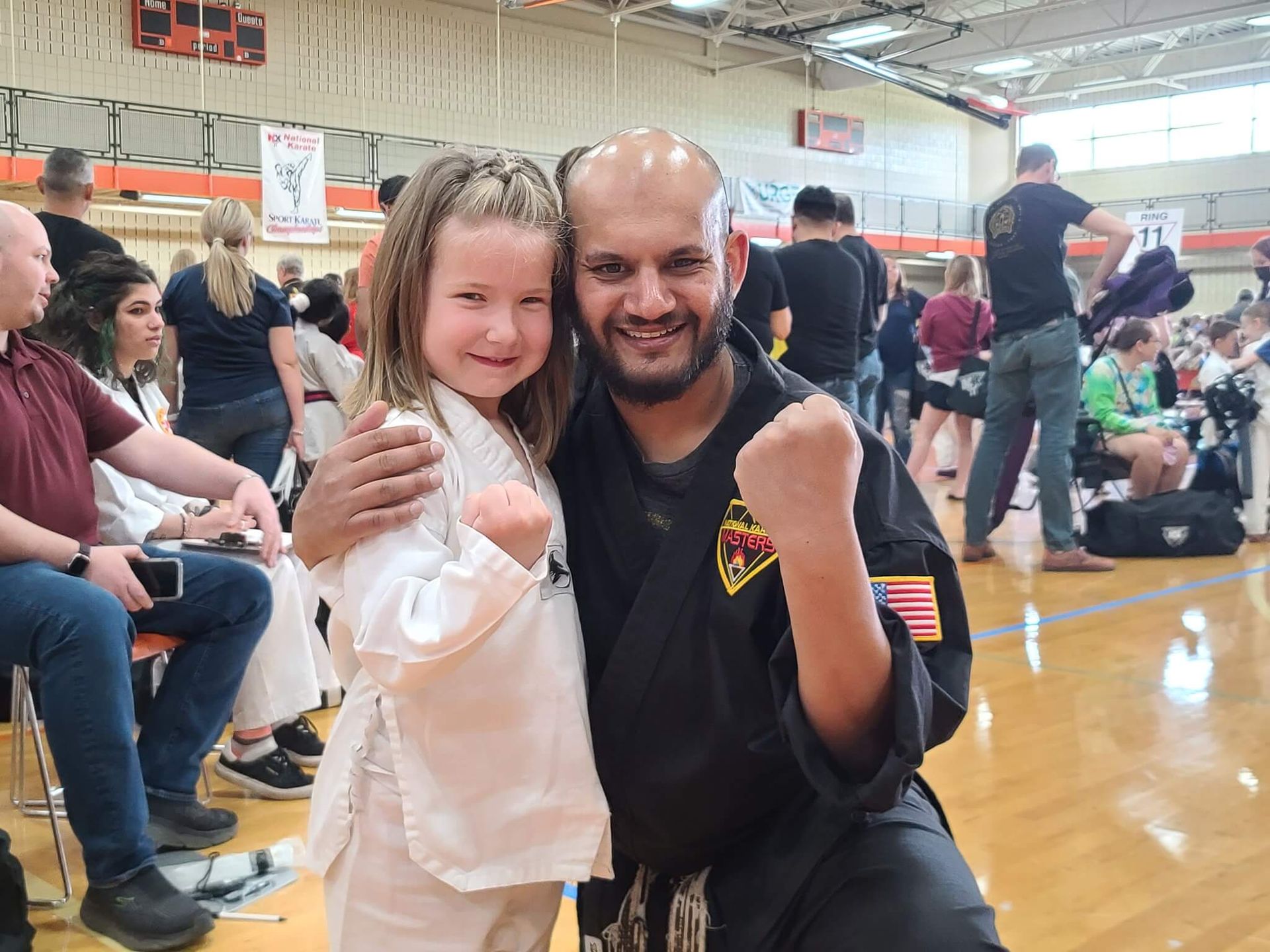
Youth Karate gives kids a safe place to practice big feelings until calm becomes a habit.
When parents ask us what changes first when kids start Youth Karate, we usually don’t talk about kicks. We talk about emotional moments: the child who used to melt down when corrected but starts nodding and trying again, or the kid who carried school stress into every afternoon and slowly learns how to downshift.
Emotional intelligence, often shortened to EI, is the skill set behind those changes. It includes self-awareness, self-control, empathy, resilience, and the ability to handle stress without snapping or shutting down. Youth Karate gives kids something many parts of life don’t: a structured, repeatable way to practice emotions in real time, with clear expectations and supportive coaching.
And for families looking for Youth Karate in New Berlin, the biggest benefit isn’t just that kids get active. It’s that the training environment teaches kids how to notice what’s happening inside them, then choose what to do next.
What Emotional Intelligence Looks Like in a Kid’s Real Life
Emotional intelligence can sound abstract until you see it play out on a normal weekday. A child with growing EI can feel disappointed without spiraling, handle feedback without arguing, and recover faster after a rough interaction with a friend.
In our Youth Karate classes, we treat these as trainable skills, not personality traits. Kids don’t “either have it or not.” They build it the same way they build coordination: through repetition, correction, and small wins that stack up.
Here are a few kid-life moments where EI matters more than we realize:
• Getting a lower grade than expected and not giving up on the subject
• Being told “no” without escalating into anger
• Losing a game at recess and staying respectful
• Having a nervous stomach before a presentation and still participating
• Navigating social pressure without feeling powerless
Youth Karate supports those moments because the dojo is full of mini versions of real life: challenges, corrections, nerves, excitement, and the need to work with others.
Why Youth Karate Builds EI Better Than “Just Talking About Feelings”
Talking about emotions is important. But kids learn emotional control most deeply when they practice it while their body is activated. That’s the missing link for many families: a child can name emotions at home, yet still explode when frustrated at school.
Youth Karate bridges that gap. The training demands focus, controlled movement, respectful responses, and steady breathing. Kids get plenty of chances to feel excitement, embarrassment, nervousness, or frustration, and then practice what to do with it.
That’s one reason martial arts aligns so well with the emotional intelligence framework popularized by Daniel Goleman: self-regulation is central, and it improves when kids repeatedly practice pausing before reacting. The dojo naturally trains that pause.
Self-Awareness: Kids Learn to Notice Their Signals Early
Self-awareness is the first step in emotional intelligence. If a child can’t notice that anger is rising, the reaction usually arrives before the choice does.
In Youth Karate, we coach kids to recognize body signals: tense shoulders, holding breath, rushing movements, fidgeting, or a face that shows frustration. We also use simple check-ins during class, because naming what’s happening makes it easier to manage.
Over time, kids start catching themselves earlier. Instead of going from calm to explosion, you’ll often see a pause. It’s small, but it’s huge. That pause is the beginning of self-control.
Emotional Regulation: Breathing and Structure Reduce Stress Reactivity
A big part of emotional regulation is having a reliable method to calm down. Our classes build that through breathing, rhythm, and predictable structure.
Kids don’t need complicated tools. They need tools they’ll actually use when emotions hit. Martial arts training makes calming strategies feel normal, not like a lecture. When a child practices controlled breathing while learning a technique, the nervous system starts associating breathing with steadiness and focus.
This matters for anxiety and anger alike. When stress rises, the body wants to act fast. Karate asks kids to slow down, listen, and execute with control. That is emotional regulation in motion.
The simple pattern we reinforce in class
We repeatedly coach a practical sequence kids can remember:
1. Pause and take a breath
2. Fix posture and stance
3. Focus eyes on the instructor or target
4. Try again with control
5. Reset quickly after a mistake
It looks like “just training,” but kids are rehearsing a calm response under pressure. That transfers to school, siblings, and sports, because the pattern is portable.
Self-Control and Impulse Management: “Stop on Command” Is a Life Skill
Karate requires controlled power. That means a child learns to generate energy and then stop it precisely, not let it spill everywhere. It’s one of the most underrated emotional intelligence benefits of Youth Karate.
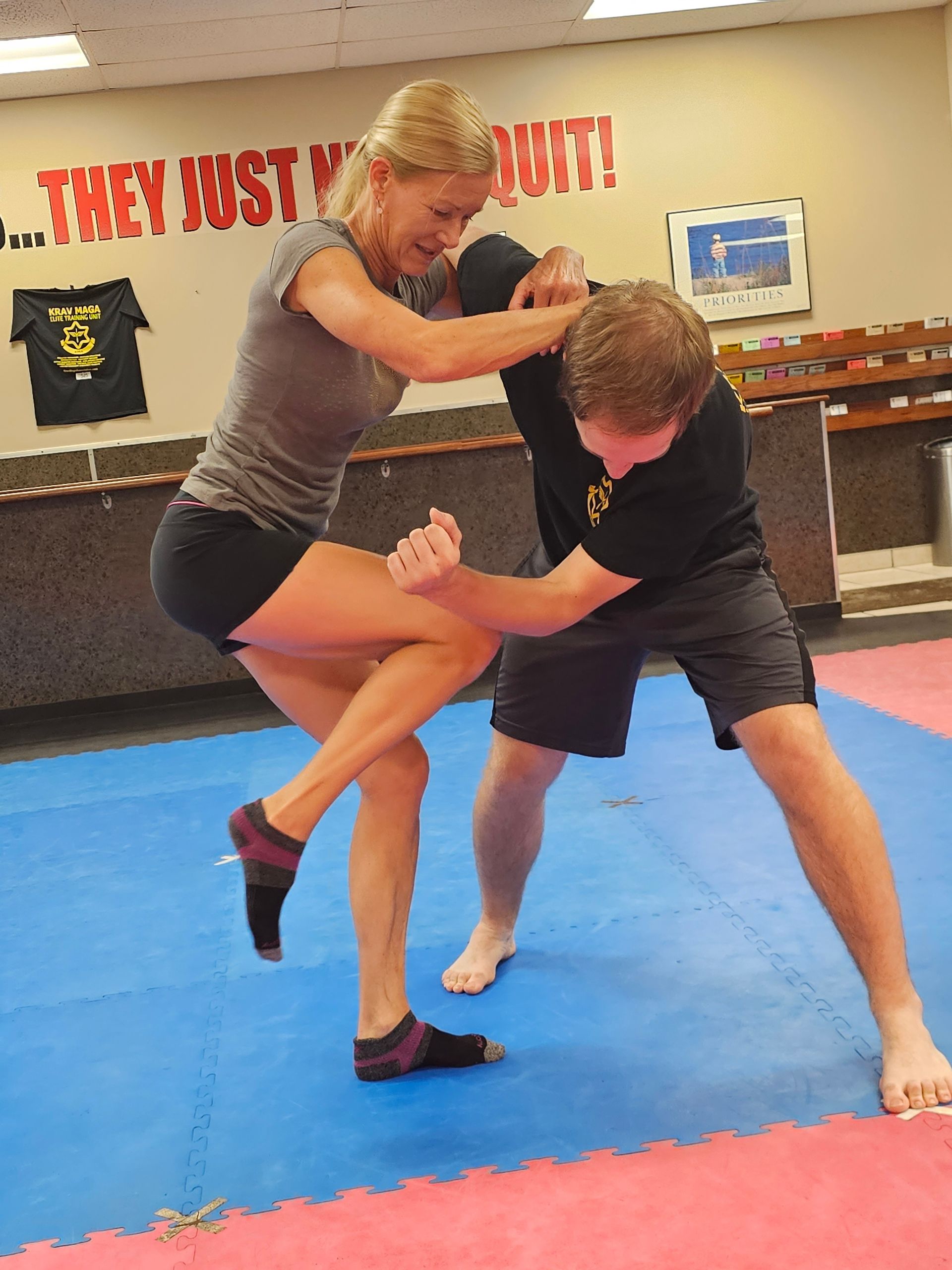
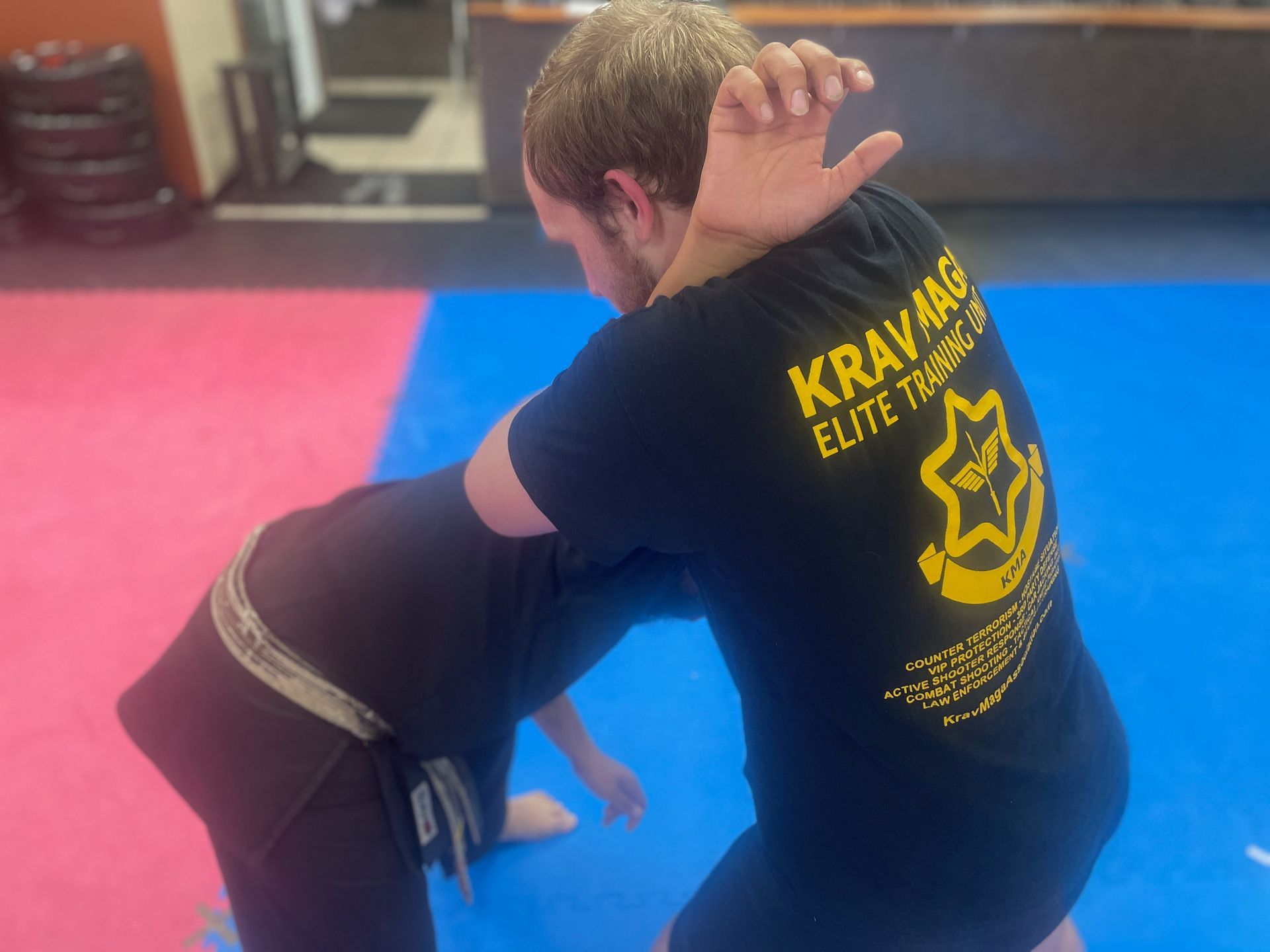
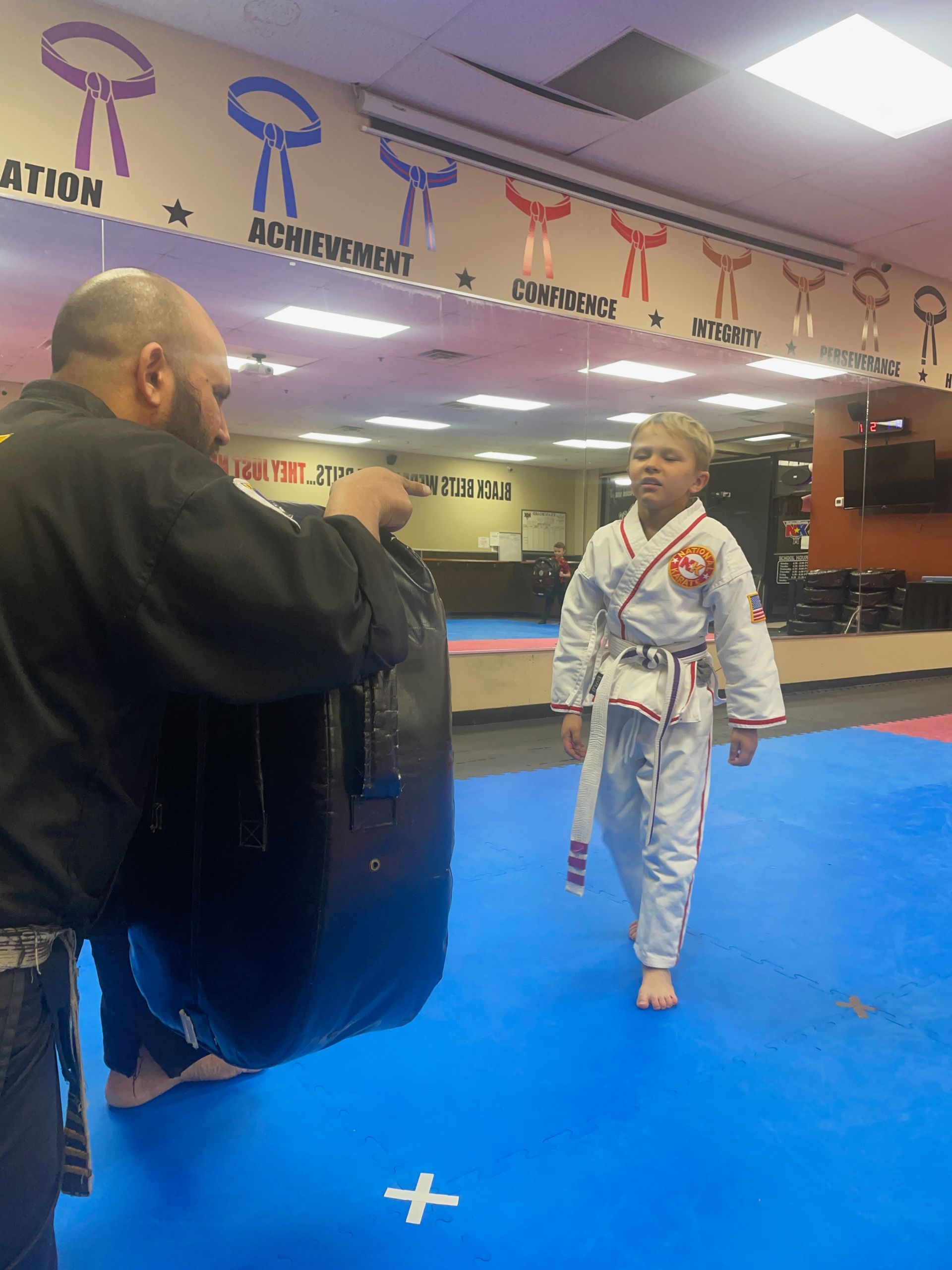
In class, kids practice listening cues, waiting their turn, and responding to instruction even when excited. We also teach respectful boundaries through partner drills, where control is non-negotiable. Kids learn that being strong and being safe go together.
Parents often tell us the first improvements show up at home in ordinary ways: fewer arguments over small requests, faster recovery after disappointment, and more willingness to try again without drama. Not perfect, but better. Real better.
Empathy and Respect: EI Grows Through Partner Work and Rituals
Empathy isn’t only about being “nice.” It’s about being able to read situations and respond appropriately. Youth Karate trains empathy through etiquette, teamwork, and partner practice.
When kids work with a partner, they learn to adjust to another person’s pace, keep appropriate distance, and be mindful of safety. They also learn respect rituals that might seem formal at first, but they have a purpose: they create a culture where kids can challenge each other without hostility.
In our Youth Martial Arts in New Berlin programs, we consistently reinforce:
• Looking at the instructor when being coached
• Using respectful language and tone
• Taking responsibility for mistakes instead of blaming
• Encouraging teammates without showing off
• Recognizing that everyone starts somewhere
These habits are social-emotional training. Kids don’t just learn techniques. Kids learn how to be in a room with other humans and handle it well.
Confidence That’s Earned: The Belt System Builds Healthy Self-Esteem
Confidence is often misunderstood. Many kids don’t need hype. They need evidence.
Youth Karate offers a clear progression system where kids can see their growth. A belt test isn’t just a ceremony. It’s a goal, a plan, and proof that effort mattered. That’s how self-esteem becomes stable, not fragile.
The healthiest confidence comes from competence plus resilience. Kids learn that progress is earned through showing up, listening, and practicing. And when they don’t get something right away, we frame it as normal. That mindset reduces shame, which is a major emotional trigger for many kids.
A child who can say, “I’m not there yet,” is building emotional intelligence at a high level.
Resilience: Kids Learn to Recover Instead of Quit
Resilience is emotional intelligence under pressure. It’s the ability to bounce back after mistakes, embarrassment, or setbacks. Karate provides constant, manageable challenges that teach kids how to recover.
A technique might take weeks to feel smooth. A form might feel confusing before it clicks. Kids learn that frustration is part of learning, not a sign to stop.
We keep challenges bite-sized and achievable. That matters, especially for kids who struggle in environments where they feel compared, rushed, or labeled. In a well-structured class, the message is simple: keep going, adjust, improve.
Over time, kids carry that resilience into schoolwork, friendships, and performance situations. If your child tends to shut down when things get hard, Youth Karate gives frequent practice in staying engaged.
Focus and Executive Function: Better Attention Through Better Habits
Emotional intelligence and attention are closely connected. When emotions run high, focus drops. When focus improves, kids feel more in control, and that reduces stress. It’s a helpful loop.
Youth Karate strengthens executive functions like planning, working memory, and impulse control. Kids follow sequences, remember steps, track timing, and adjust based on feedback. That cognitive training supports classroom behavior and learning, especially when a child needs structure that feels active rather than sedentary.
Parents looking for Youth Karate in New Berlin often tell us they want help with:
• Listening the first time
• Following multi-step directions
• Staying on task without constant reminders
• Managing frustration during homework
• Handling transitions without conflict
Training supports all of those, not by lecturing kids, but by practicing the same mental muscles every class.
What to Look For in a Youth Program That Supports Emotional Intelligence
Not all youth activities emphasize EI directly. In our experience, the environment matters as much as the curriculum. The goal is a culture where kids can work hard, make mistakes, and learn self-control without feeling unsafe.
If you’re exploring Youth Martial Arts in New Berlin, here are signs you’re in the right place:
• Clear structure and routines so kids know what to expect
• Coaches who correct without shaming
• Strong safety standards and respectful partner work
• Progress tracking that rewards effort and consistency
• A balance of discipline and encouragement, not one or the other
When these pieces are present, emotional intelligence grows quietly but steadily. You usually notice it later in the week, not always on the drive home.
Common Parent Questions About Youth Karate and Emotional Growth
Does Youth Karate help with anger or anxiety?
Yes, especially when training consistently. Controlled movement, breathing, and structure create a reliable way for kids to practice calming down. For anger, kids learn pause-and-control. For anxiety, kids learn to act with confidence even when nerves show up.
Will it help with bullying situations?
Karate supports stronger boundaries, better posture and presence, and the confidence to speak up. Emotional intelligence plays a role here too: kids learn to stay calm, assess options, and seek help appropriately rather than reacting impulsively.
Is it safe for beginners?
A well-run program is built for beginners. We introduce skills progressively, emphasize control first, and use clear rules so kids feel secure. Safety and respect are part of the training, not an afterthought.
How soon will we notice changes?
Some families notice improved listening and calmer transitions within a few weeks, while confidence and resilience build over a few months. The biggest predictor is consistency. Youth Karate works best when it becomes a steady routine.
Take the Next Step with Wisconsin National Karate Kickboxing & Krav Maga
If you ant more than an after-school activity, Youth Karate can be a practical way to build emotional intelligence that shows up at home, in school, and in friendships. Our goal is to help your child develop self-awareness, self-control, empathy, and resilience through structured training that feels challenging but supportive.
At Wisconsin National Karate Kickboxing & Krav Maga in New Berlin, we keep classes focused, safe, and age-appropriate, so kids can grow steadily while enjoying the process. When you’re ready, the website makes it easy to explore our youth programs and find a routine that fits your family.
Train regularly and see measurable progress by joining a martial arts class at Wisconsin National Karate.