How Youth Karate Teaches Respect, Focus, and Patience in New Berlin

The right martial arts class does more than teach kicks and blocks, it helps your child practice better choices every day.
If you are looking into Youth Karate for your child, you are probably thinking about more than physical activity. Most parents we meet in New Berlin want the same things: a place where kids can move, build confidence, and learn to listen the first time, even when life feels busy and distracting.
We also hear a common question: does karate really teach respect, focus, and patience, or is that just a slogan? The short answer is yes, when training is structured, consistent, and built around clear expectations. Research and parent feedback back this up, including reports that many children become more confident and socially engaged after sustained training.
In our Youth Karate in New Berlin program, we keep the goal simple: give kids ages 7 to 12 a steady practice space where they can improve behavior skills the same way they improve a front kick, through repetition, coaching, and small wins that add up.
Why Youth Karate Builds Character Skills That Transfer to School and Home
Youth Karate works because it is not random exercise. It is a system. Kids line up, follow a routine, respond to cues, and learn that effort matters more than instant results. That structure is exactly what many children do not get from screen-based entertainment, and it is a helpful counterbalance for families who want more real-world engagement.
When your child practices technique, our instructors are also coaching self-control: waiting for a turn, keeping hands to themselves, listening through instructions, and correcting mistakes without melting down. Those moments look small in class, but those are the same moments that show up later at school, at home, and with friends.
Modern studies on martial arts for youth development point to both physical gains and psychological benefits, including improved self-regulation and lower aggression. We like that the benefits are practical, not abstract. A calmer kid who can focus on a task is something you can actually feel in a household.
Respect: How Kids Learn It in a Way That Feels Real
Respect starts with clear rituals and consistent boundaries
Respect is not just saying yes sir or yes ma am. In class, respect is practiced through routine and etiquette, like bowing, lining up, and responding to instruction without talking over others. These patterns are simple, but they create a reliable environment where kids understand what is expected.
That reliability is a big deal for ages 7 to 12. Kids often test boundaries because they are learning how the world works. Youth Karate gives boundaries that are calm and consistent, and that consistency makes it easier for kids to succeed.
Respect for authority, and respect for peers
In our classes, kids learn to respect instructors because instruction is treated as valuable. The class runs on listening and applying feedback, not arguing or trying to negotiate every step. Over time, kids often begin to generalize that skill to teachers and coaches in other settings.
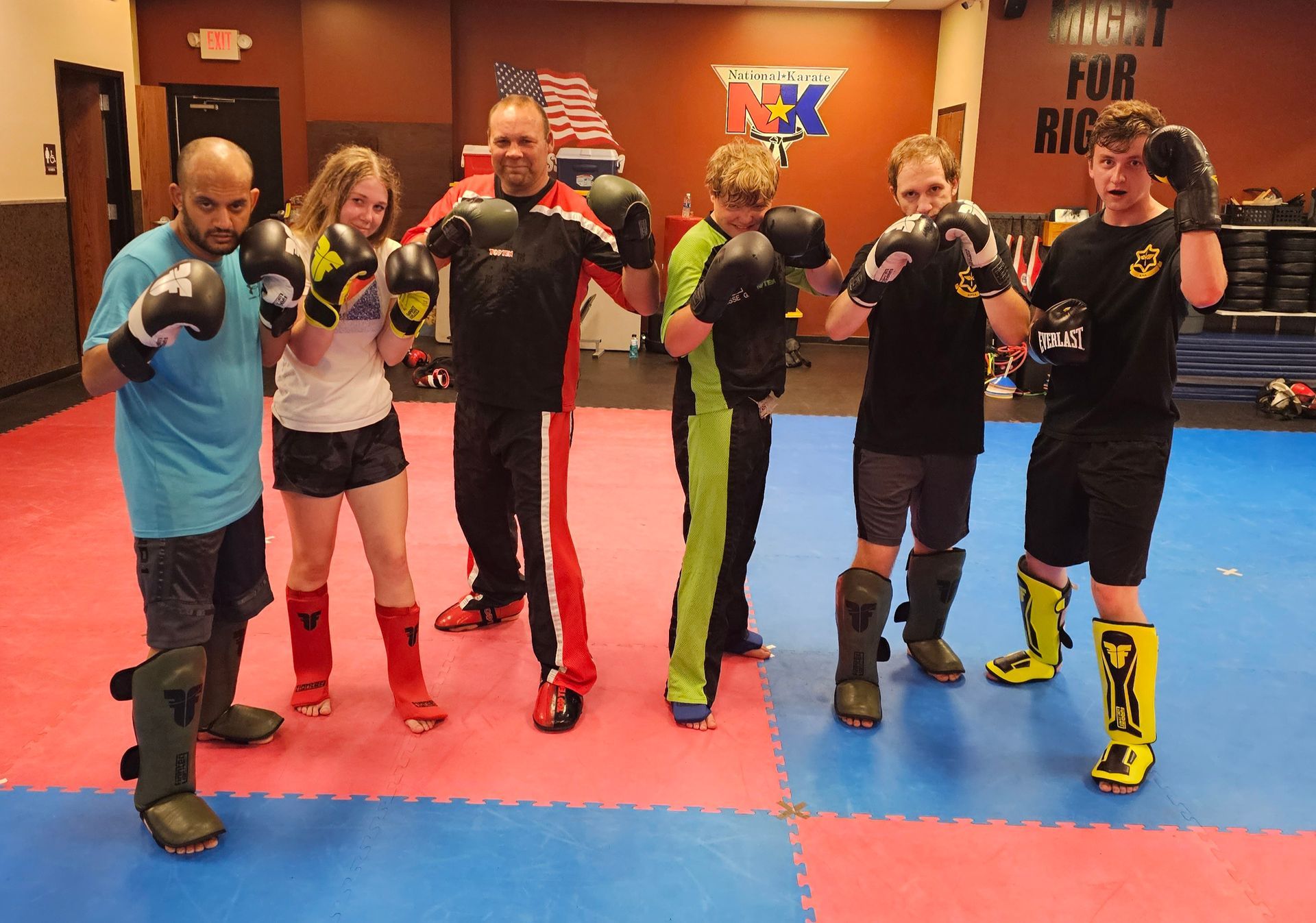
Peer respect matters just as much. Training partners have different skill levels, body types, and personalities. We coach kids to be safe partners and to treat classmates well, because nobody learns in an environment that feels hostile or careless.
Focus: Training Attention Like a Muscle
Repetition is not boring when it is purposeful
In Youth Karate, focus is trained through repetition. Kids repeat stances, punches, blocks, and combinations. They practice forms and basic sequences that require attention to detail. When the room gets loud and excitement spikes, we bring attention back to the task: eyes forward, breathe, reset, try again.
This is one reason Youth Karate in New Berlin can help kids who struggle with attention. We do not expect perfect focus on day one. We expect progress. A child who can concentrate for 30 seconds at first may build to 2 minutes, then 5, then longer stretches of sustained effort.
How kata and basics support concentration
Forms and foundational drills ask kids to remember sequences, control their speed, and place techniques precisely. That combination improves body control and mental organization at the same time. Research on karate training also ties practice to improvements in coordination, balance, and agility, which are physical signs of better motor planning and attention.
The best part is that focus is taught without lectures. Your child feels the difference. When they focus, their technique improves. When technique improves, confidence grows. It is a simple loop, but it works.
Patience: The Skill Most Kids Do Not Get to Practice Elsewhere
Patience is hard for kids because the world is fast. Entertainment is instant. Rewards are instant. Youth Karate is different by design. Progress comes from steady practice and gradual skill building.
Belts and rank advancement support this in a healthy way. Kids learn that showing up matters, effort matters, and improvement is not always linear. Some weeks your child will feel like a star, and other weeks they will feel stuck. We teach kids to stay with the process anyway, and that is patience in action.
Patience also shows up during partner work. Kids learn to wait for instruction, wait for their turn, and practice safely at the pace the drill demands. That can be a big adjustment, especially for energetic kids, but it is one of the most valuable lessons.
What a Typical Youth Karate Class Looks Like in New Berlin
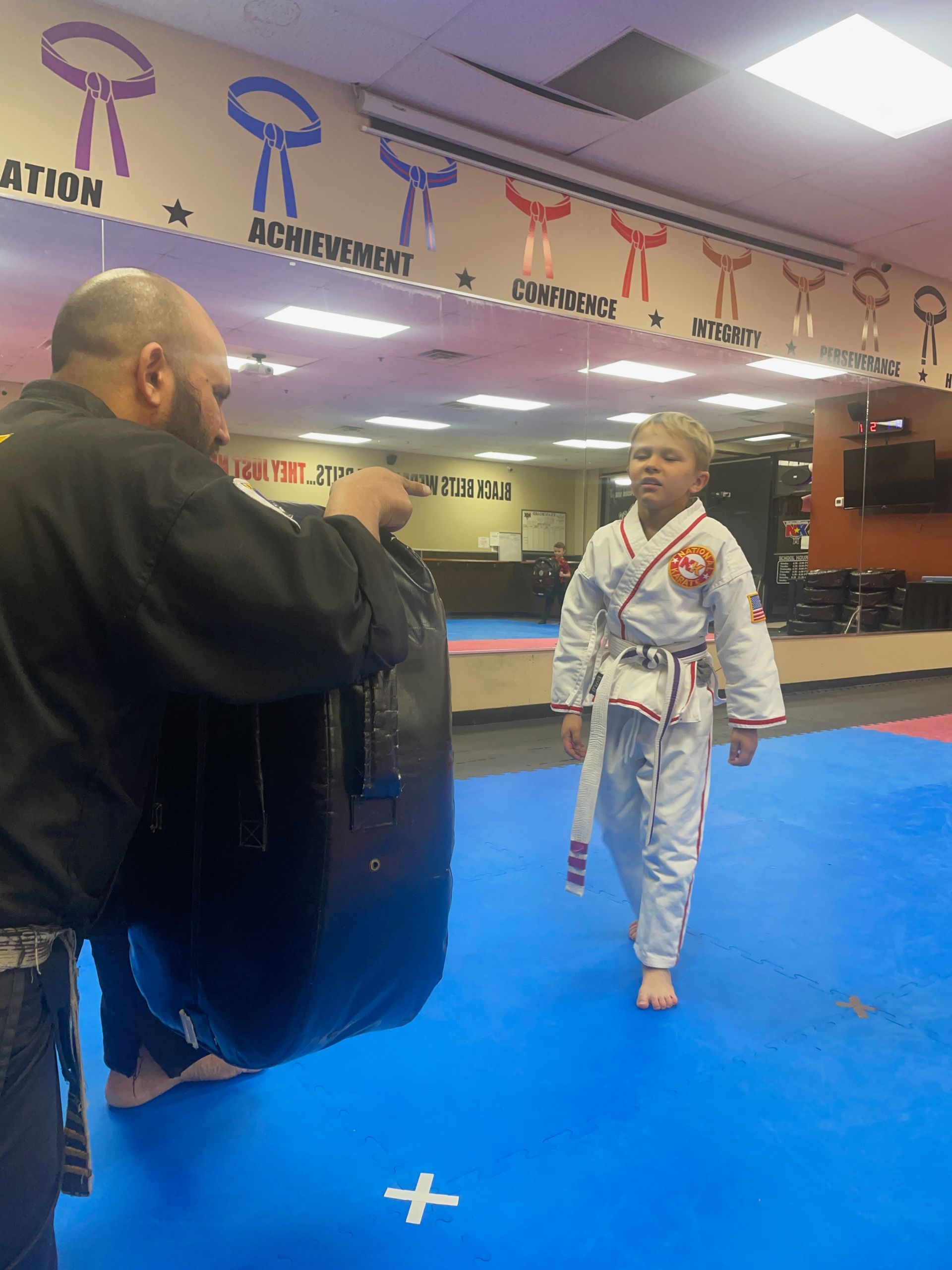
A good class balances structure and energy. Kids need a plan, but they also need to move. Our Youth Martial Arts in New Berlin classes typically include a warm-up, technical practice, and skill application that fits the age group.
Here is what you can usually expect:
• Warm-ups that build coordination and readiness, including light cardio and movement patterns that support safer technique practice
• Fundamentals like stances, footwork, punches, and kicks, taught with clear cues and short rounds for better attention
• Forms and combinations that challenge memory and concentration, with corrections that help kids learn without feeling picked on
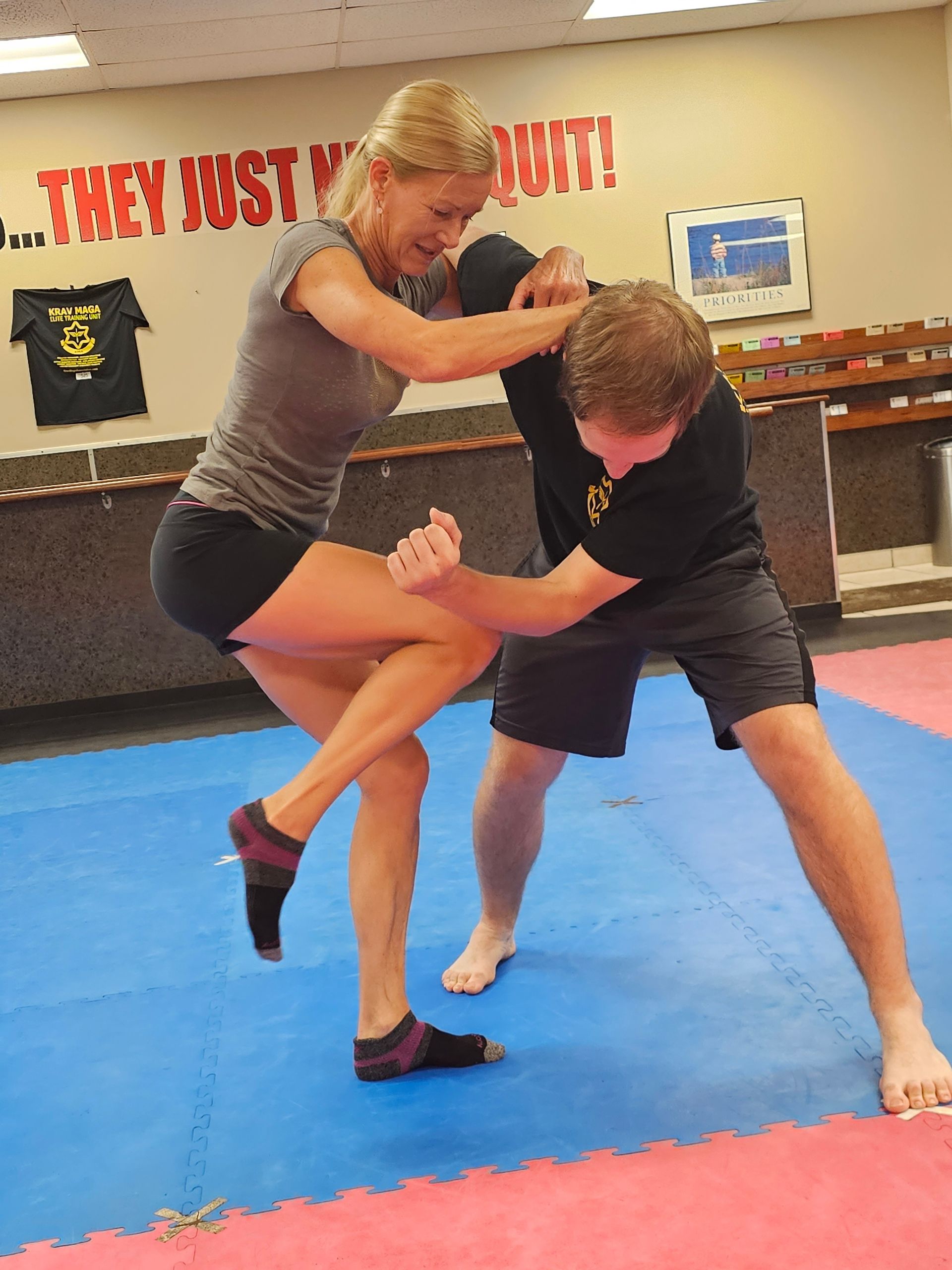
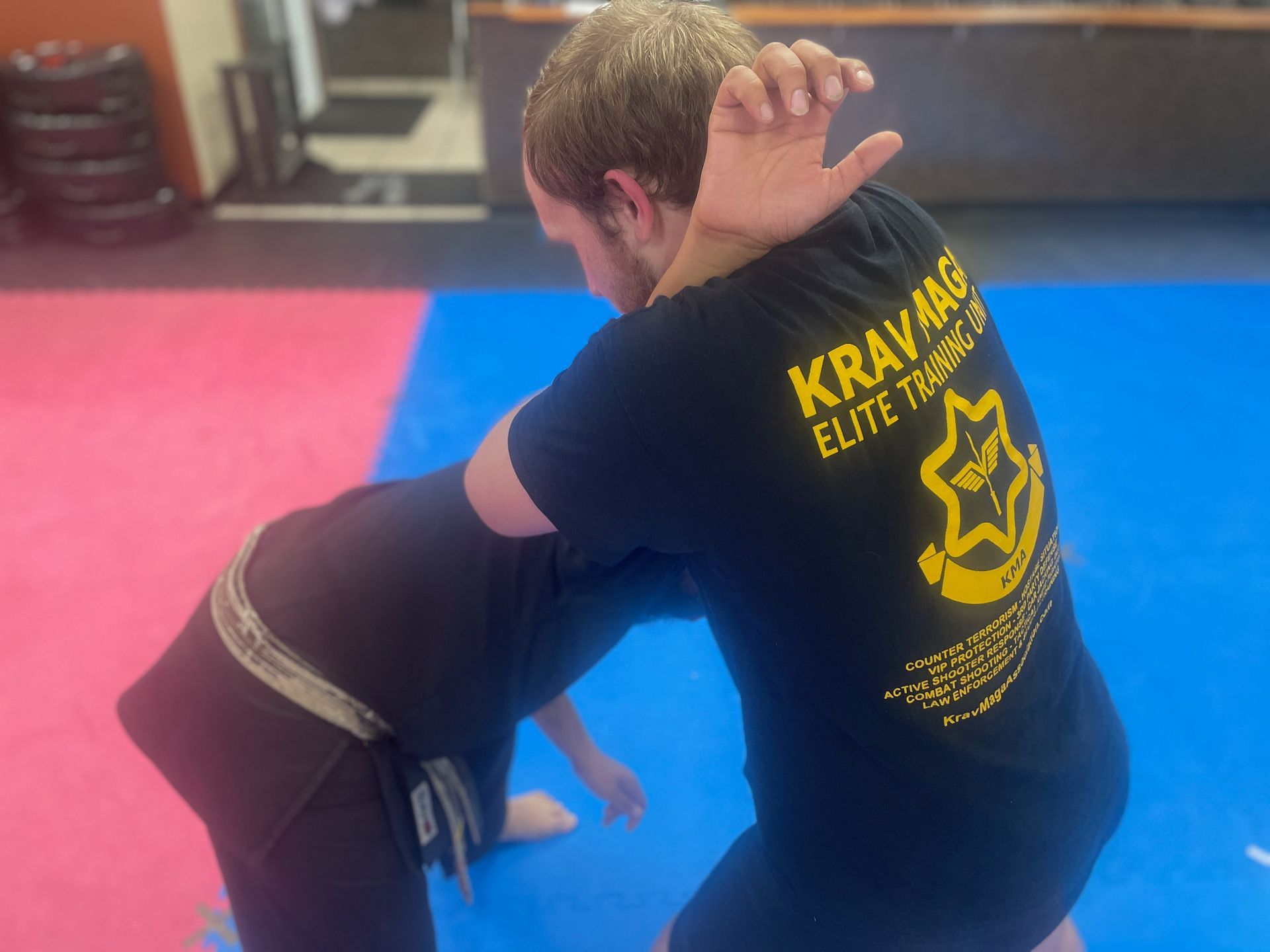
• Partner drills that teach distance, timing, and control, with safety and respect emphasized constantly
• A short wrap-up that reinforces etiquette, effort, and what to practice next so kids leave with a clear takeaway
This format is also why parents often notice changes over time. When a child practices listening, controlling impulses, and staying patient several times a week, those habits start to feel normal.
Results Parents Commonly Notice After Consistent Training
We like to set expectations honestly. Youth Karate is not a magic switch, and every child develops at a different pace. But when kids train consistently over months, and especially over a year, many families report visible improvements.
Research and parent reports commonly highlight social and confidence gains, with a significant portion of parents noting better self-expression, peer interaction, and participation. We see similar patterns in class: shy kids begin to speak up, kids who quit easily learn to try again, and kids who struggle with frustration learn to pause before reacting.
Some of the most common results we hear about include improved posture and body awareness, stronger listening skills, calmer transitions between activities, and better confidence in new situations. Physical fitness improves too: balance, flexibility, coordination, and endurance often change faster than parents expect.
Safety and Beginner Friendliness for Ages 7 to 12
Safety is not an afterthought in our program. It is built into how we teach. Kids learn control before intensity. Techniques are practiced with supervision and clear rules, and we match drills to developmental level.
For beginners, the first goal is comfort and consistency. Kids learn where to stand, how to follow class flow, and how to use their voice respectfully. If your child is nervous at first, that is normal. The room is active, and learning something new takes courage. We keep coaching steady and encouraging, so kids can settle in and start building momentum.
How Youth Karate Supports Confidence Without Turning Kids Aggressive
Parents sometimes worry that martial arts will make a child more aggressive. What we see, and what research often supports, is the opposite when training includes ethical standards and self-control. The lesson is not how to fight. The lesson is how to manage yourself.
Confidence in Youth Karate comes from competence. Kids learn that their body can do hard things. They learn that mistakes are fixable. They learn that effort is respected. That is a healthier kind of confidence than empty bravado, and it tends to reduce acting out because kids do not need attention the same way.
We also reinforce situational awareness and smart decision-making. Real confidence includes knowing when to step back, when to ask for help, and when to use a strong voice to set a boundary.
Getting the Most Out of Youth Karate in New Berlin
If you want your child to gain respect, focus, and patience through training, consistency matters more than intensity. A sustainable schedule beats a short burst of enthusiasm.
Here are a few practical ways to support progress:
1. Pick a realistic training routine and stick with it for a season, because skills build through repetition
2. Use the class vocabulary at home, like focus, ready stance, and reset, to reinforce the same habits
3. Celebrate effort and attitude, not just belt progress, so your child learns to value the process
4. Keep sleep and nutrition steady, because tired kids have a harder time practicing self-control
5. Give it time, since many of the biggest changes show up after months of steady practice
This approach keeps Youth Karate from becoming one more short-lived activity. It becomes a skill-building routine your child can rely on.
Take the Next Step
Building respect, focus, and patience is not about one perfect class, it is about showing up and practicing the right habits until they stick. That is exactly what we design our Youth Karate program to do for families in New Berlin, with a structure that helps kids grow socially, emotionally, and physically over time.
When you are ready, Wisconsin National Karate Kickboxing & Krav Maga is here to guide your child with clear expectations, supportive coaching, and training that stays grounded in real skill development. If you want a program where character is trained alongside technique, we would love to help you get started.
Develop discipline, confidence, and practical self-defense skills through martial arts classes at Wisconsin National Karate.