Karate for Kids: Igniting Healthy Competition and Sportsmanship Skills
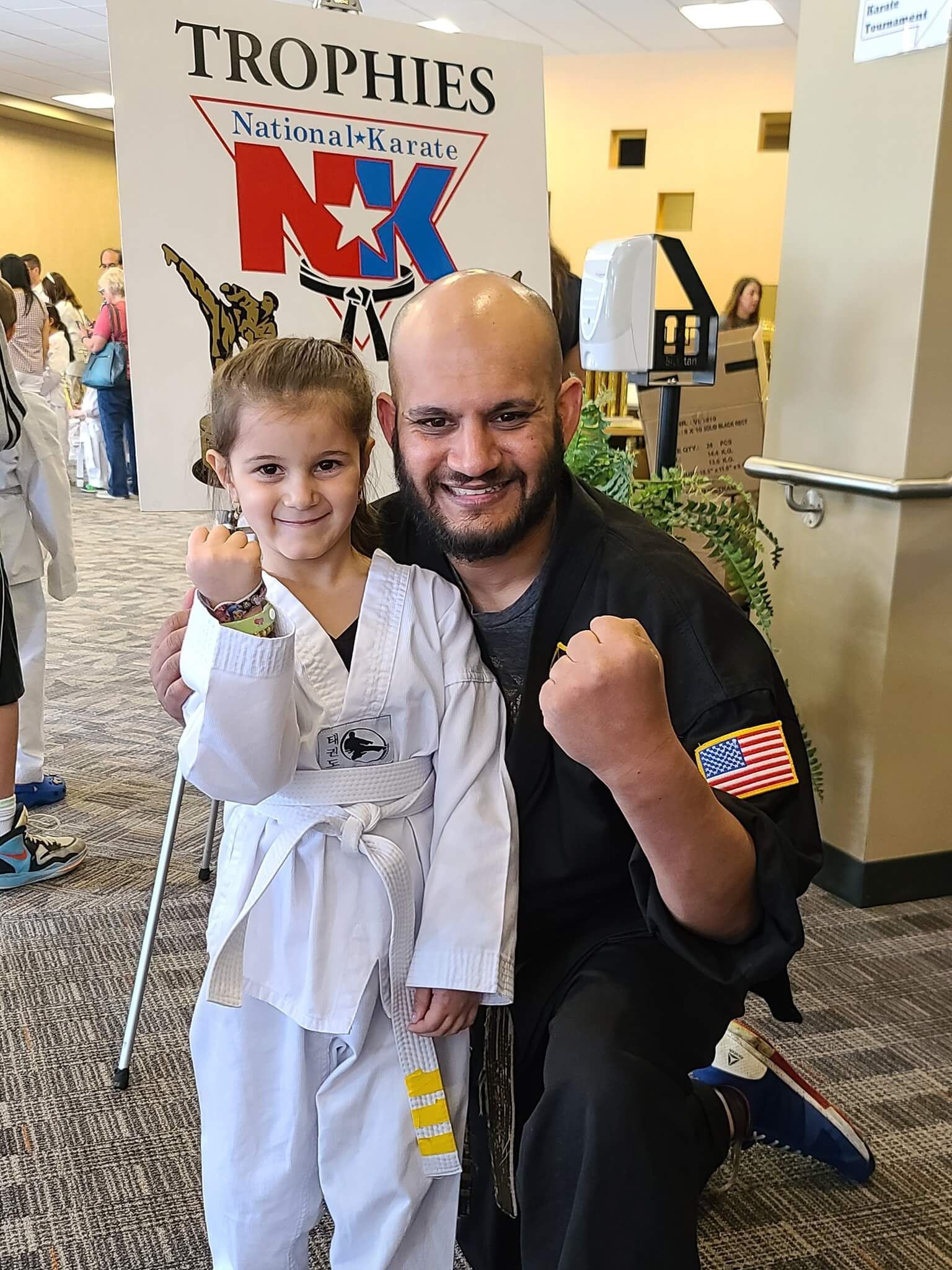
Youth Karate gives kids a place to compete, improve, and learn how to win and lose with character.
Kids naturally love to test themselves, but not every activity teaches how to compete with respect. That is why Youth Karate has become such a powerful choice for families who want structure, clear expectations, and positive role models. Across the U.S., martial arts participation among kids ages 6 to 12 is booming, and that growth makes sense when you see how training blends movement, focus, and character development into one hour that actually feels fun.
In our New Berlin community, we also see a real need for activities that pull kids away from endless screens and into something physical and purposeful. Youth Karate in New Berlin gives your child a healthy outlet for energy while building habits that carry into school, friendships, and team sports. It is not about raising aggressive kids. It is about teaching control, confidence, and kindness under pressure.
This article breaks down how we use competition the right way, how sportsmanship is coached (not just hoped for), and how our training environment helps your child grow from beginner nerves to calm, capable confidence.
Why healthy competition matters for kids in Youth Karate
Competition is not automatically good or bad. The difference is coaching. In Youth Karate, we treat competition as practice for life: trying hard, staying composed, and handling outcomes without drama. When kids learn that results come from effort and repetition, they stop needing constant praise and start taking pride in progress.
Healthy competition also gives kids something many do not get elsewhere: a fair measuring stick. In school, grading can feel subjective. In social groups, dynamics can get messy. In karate, your child can see what “better” looks like in a tangible way: cleaner technique, stronger balance, improved timing, and better listening. That clarity is motivating, and it reduces the urge to compare in unhealthy ways.
We also emphasize that competition is not just sparring. Kids compete with their own habits: staying focused, managing nerves, remembering sequences, and responding to coaching without shutting down. Those are life skills disguised as martial arts training.
Sportsmanship is a skill, not a personality trait
Some kids arrive naturally polite, and some arrive loud, impatient, or a little defensive. We expect all of it. Sportsmanship is not something your child either has or does not have. It is something we teach deliberately, in small moments that add up.
We build sportsmanship into everyday training through:
• Greeting rituals that reinforce respect for the room, the instructor, and training partners
• Partner drills that require cooperation and appropriate contact, not “winning”
• Clear rules for taking turns, listening, and resetting quickly after mistakes
• Praise for effort and improvement, not just being the best in line
• Calm correction when behavior slips, so kids learn to recover instead of spiral
The goal is simple: your child learns to handle intensity while still being a good teammate. That matters in karate, but it also matters when your child is dealing with a tough group project, a sports tryout, or a friendship conflict.
Youth Karate and the confidence that comes from earned progress
Confidence is often misunderstood. Real confidence is not loud. It is steady. It is the quiet feeling of “I can figure this out.” Youth Karate builds that by giving kids a step by step path that is challenging but doable.
A typical student journey looks like this: at first, your child may watch others and hesitate. Then your child learns a stance, a basic punch, a front kick, and a few simple combinations. Over time, your child starts volunteering to demonstrate. That is not because we hype kids up. It is because repetition changes self belief. The confidence is earned, and you can usually see it outside the dojo too: better posture, clearer communication, and less fear of trying something new.
There is also a health angle parents appreciate. Many families want a structured activity that improves fitness without the pressure some kids feel in traditional sports. Martial arts training supports coordination, flexibility, and cardio, and teens in martial arts frequently report better health outcomes. When training is consistent, the change is obvious: kids move better, breathe better, and carry themselves differently.
What “competition” looks like for kids, without bullying
Parents often ask whether Youth Karate encourages aggressive behavior. Our answer is that we teach kids how to use intensity responsibly. We do not allow bullying energy to hide behind the idea of “being competitive.” We set expectations early, and we keep them consistent.
Competition shows up in several controlled ways:
Skill challenges inside class
We might run timed focus drills, accuracy games, or improvement goals where kids try to beat their own score. This gives kids a competitive spark without turning it into kid versus kid.
Controlled partner work
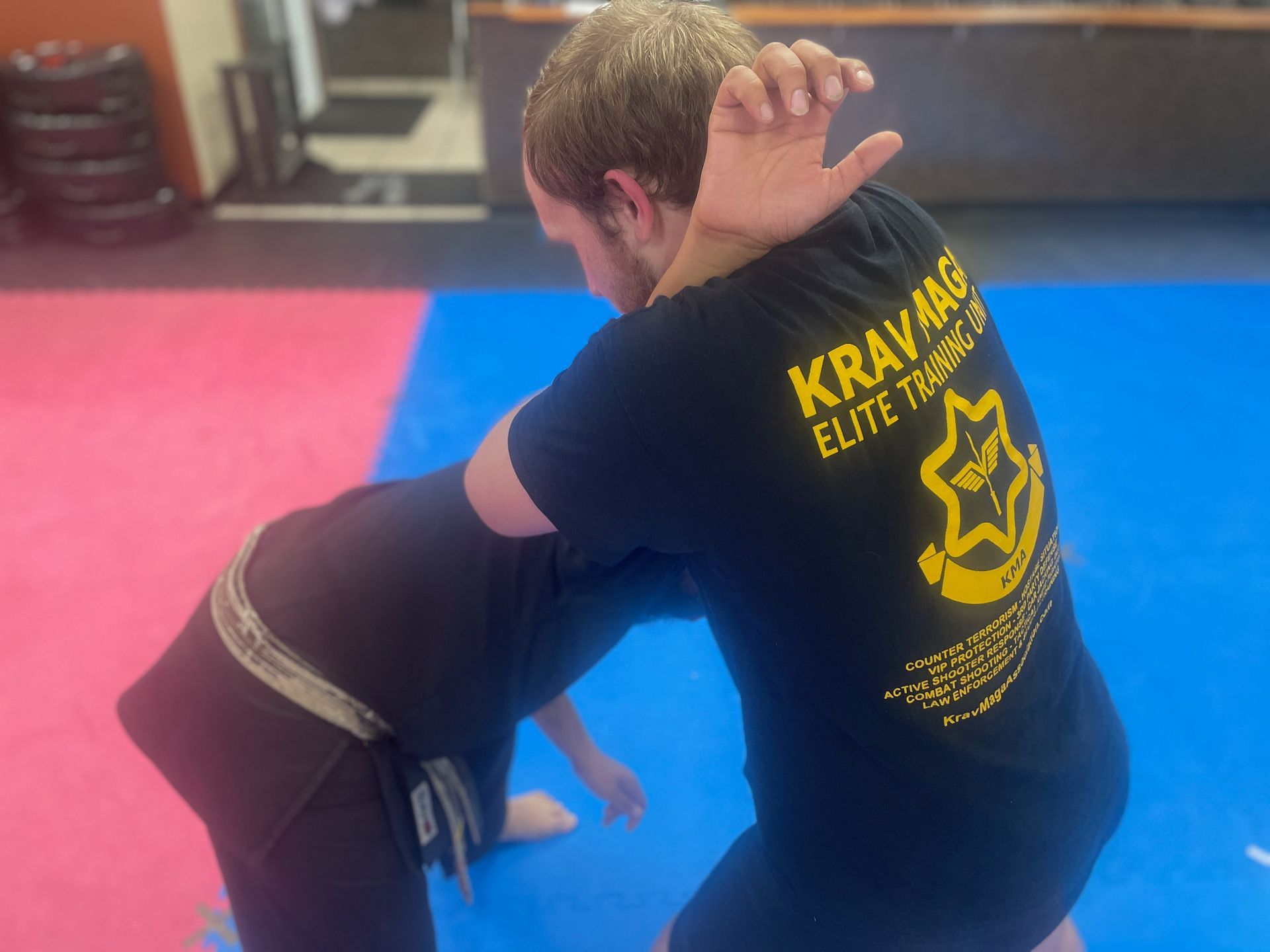
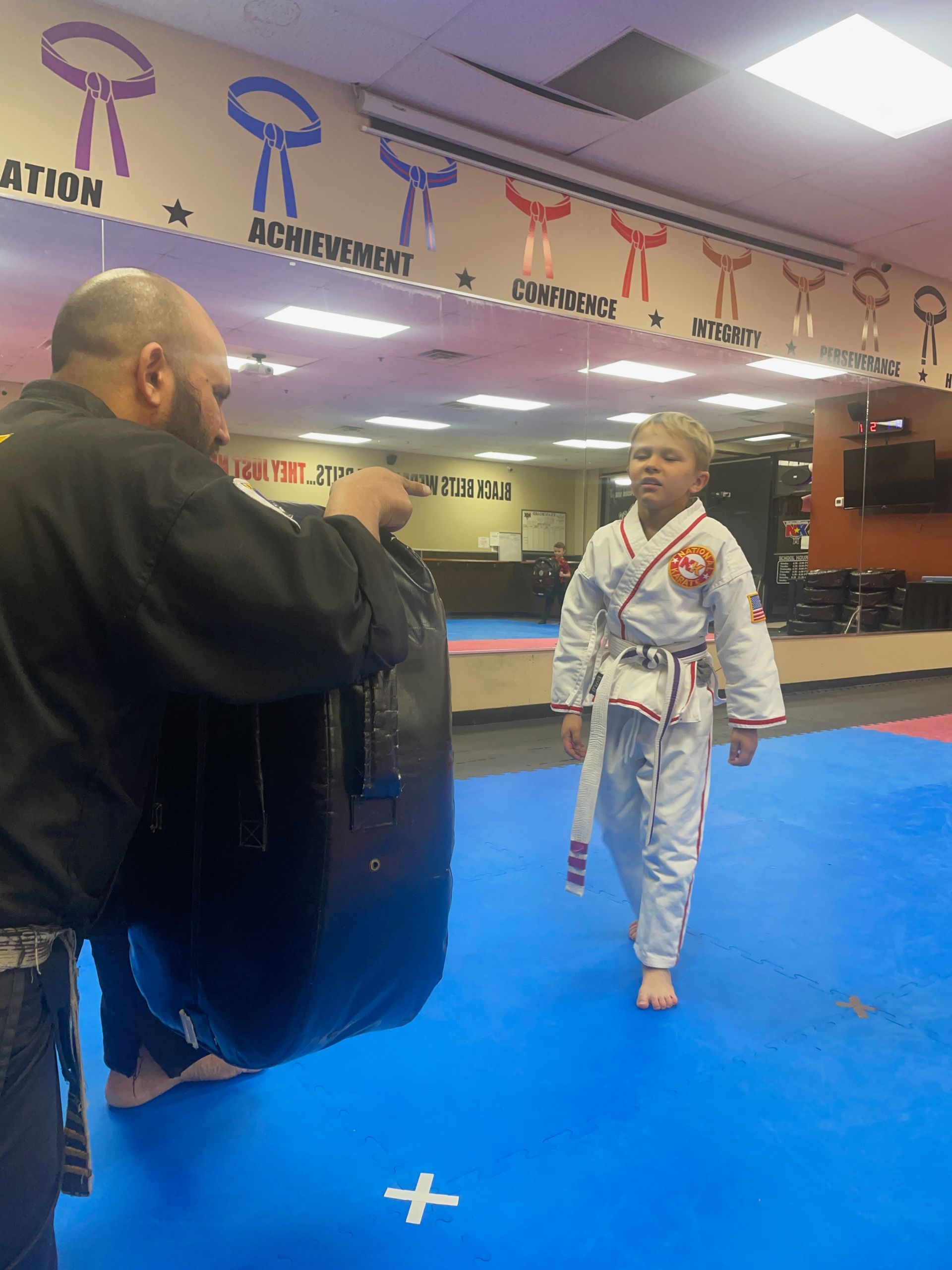
Partner drills teach kids to manage distance, contact level, and communication. We coach phrases like “Are you ready?” and “Good job,” because respect is part of the technique.
Sparring, when appropriate
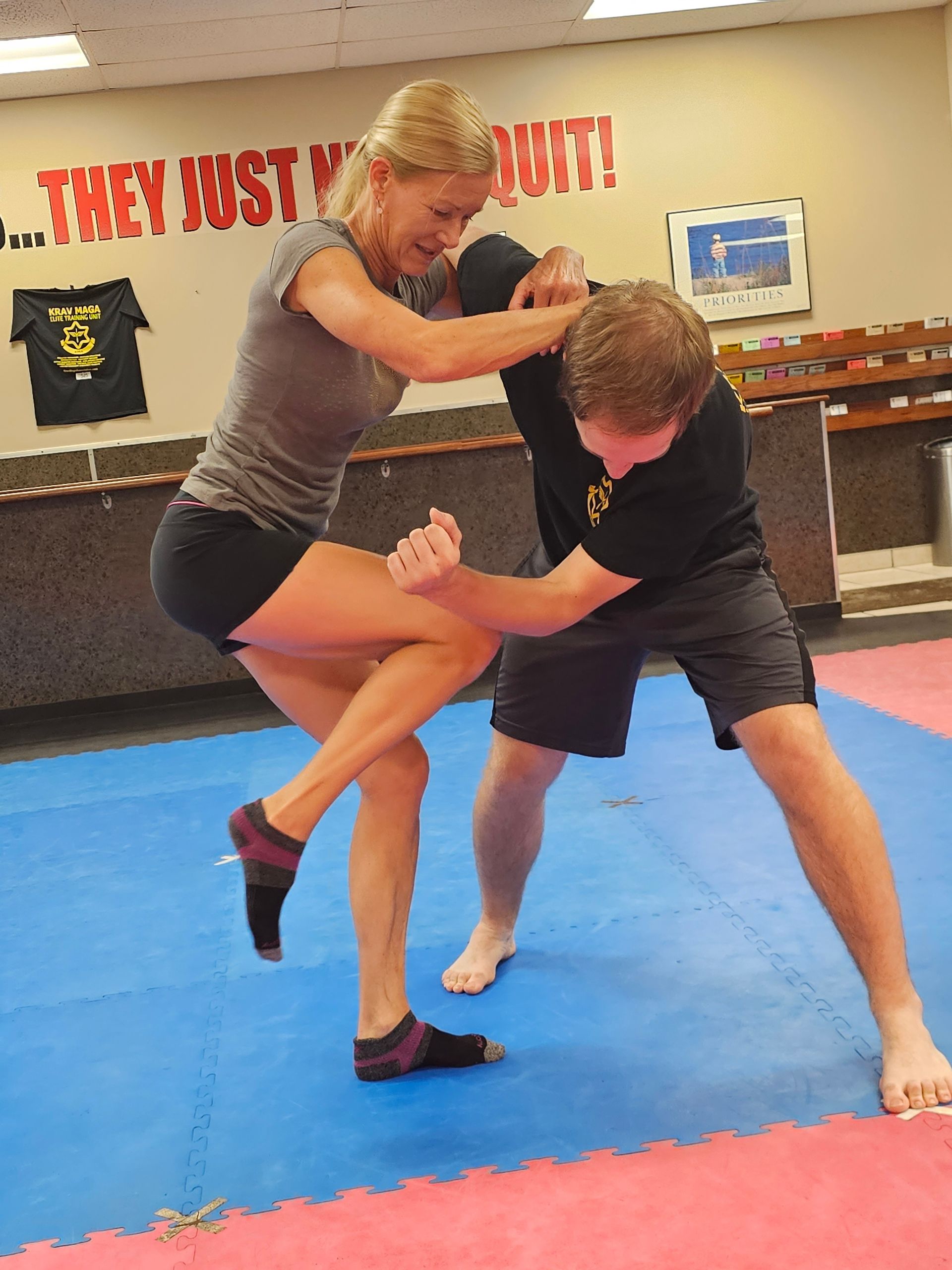
Sparring is introduced progressively with safety rules and supervision. The point is to apply timing and composure, not to dominate. Kids learn quickly that wild swinging gets corrected, while calm technique gets rewarded.
Tournaments and performance opportunities
Events can be a great learning experience because they bring nerves to the surface. We help kids prepare for that pressure so the lesson becomes resilience, not fear.
How we teach winning and losing (and why it sticks)
Every parent wants a child who can lose without melting down and win without becoming arrogant. That is a tall order, but Youth Karate gives a surprisingly practical setting to practice both outcomes. We teach kids to “close the loop” after every match, drill, or performance: bow, acknowledge the other person, listen to feedback, and return to training mode.
When your child loses, we emphasize three things: effort, learning, and next steps. Kids do not need a speech. Kids need a plan. When your child wins, we emphasize gratitude, humility, and responsibility. Winning is not a license to show off. It is a reminder to keep improving and treat partners well, because partners make progress possible.
Over time, kids start to internalize a healthier story about competition: it is not proof of worth, it is feedback. That mindset is one of the best sportsmanship skills we can give.
Youth Karate in New Berlin: why local families choose structured training
New Berlin is busy. Families juggle school calendars, homework, and work schedules, and it is easy for fitness to become an afterthought. Youth Karate in New Berlin works well because it is structured, predictable, and progress based. Kids know what is expected when they step onto the floor, and parents appreciate that the time feels purposeful.
We also see how karate fits kids who do not always thrive in loud team sport environments. Some kids are shy. Some kids are highly energetic. Some kids are perfectionists who get frustrated fast. Our classes create a balanced setting where kids can be themselves while still learning discipline and patience.
And because youth participation in martial arts is one of the strongest segments in the U.S., your child is joining something that is mainstream, proven, and full of peers. Millions of kids train nationwide, and that shared culture helps children feel like they belong.
What your child learns in our Youth Martial Arts in New Berlin programs
Our kids program is built to develop the whole student: body control, attention, emotional regulation, and social skills. We keep lessons practical and age appropriate, and we teach in a way that helps kids connect the dots.
Here are the core areas we focus on:
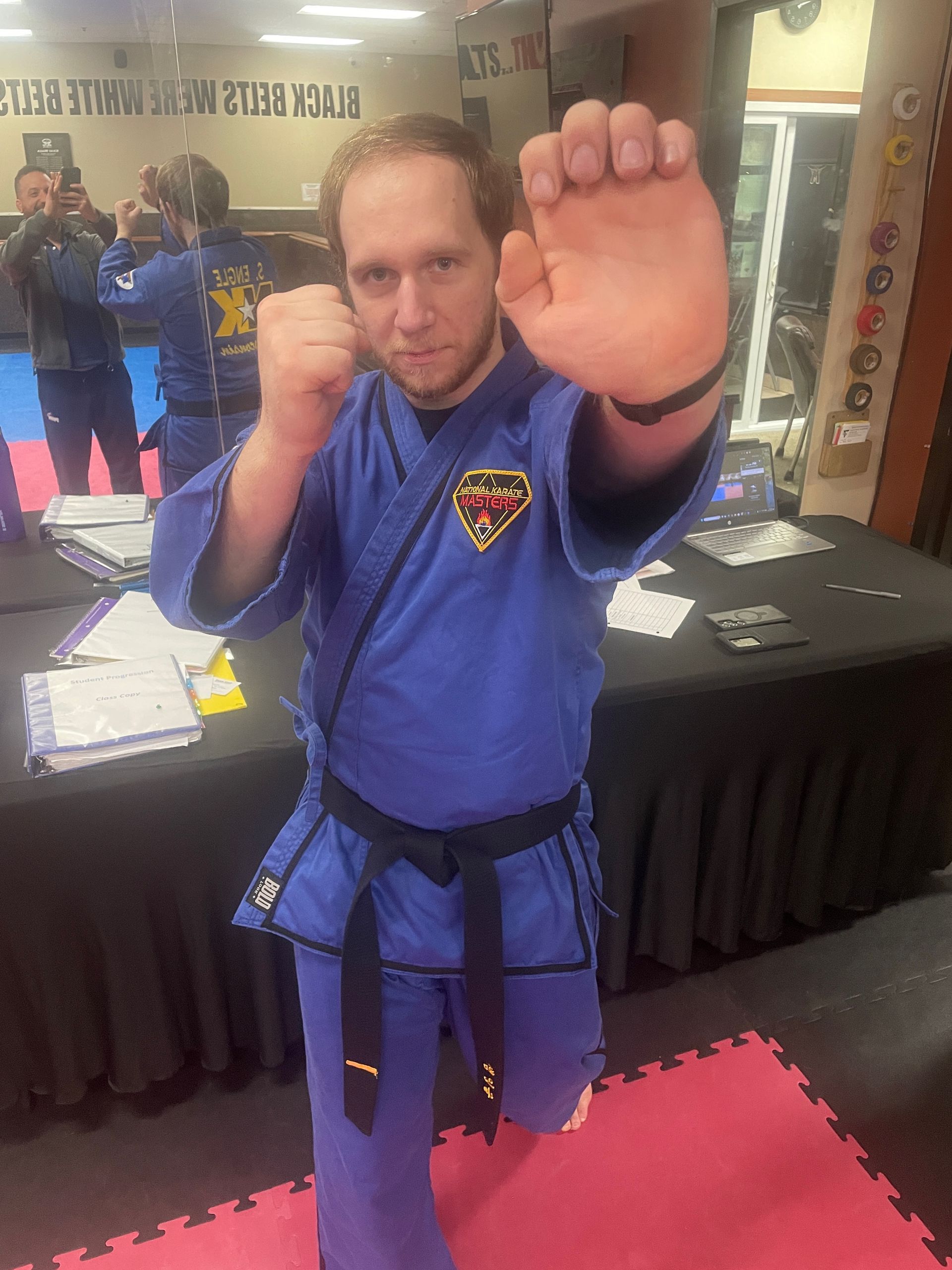
1. Fundamentals first: stance, balance, and coordination so your child moves safely and effectively
2. Technique development: punches, kicks, blocks, and combinations taught with clear mechanics
3. Focus training: listening skills, quick response to instruction, and staying on task under pressure
4. Partner respect: safe contact rules, turn taking, and communication that builds trust
5. Character habits: discipline, responsibility, and follow through, even when motivation dips
6. Healthy competition: personal goals, performance feedback, and controlled challenge environments
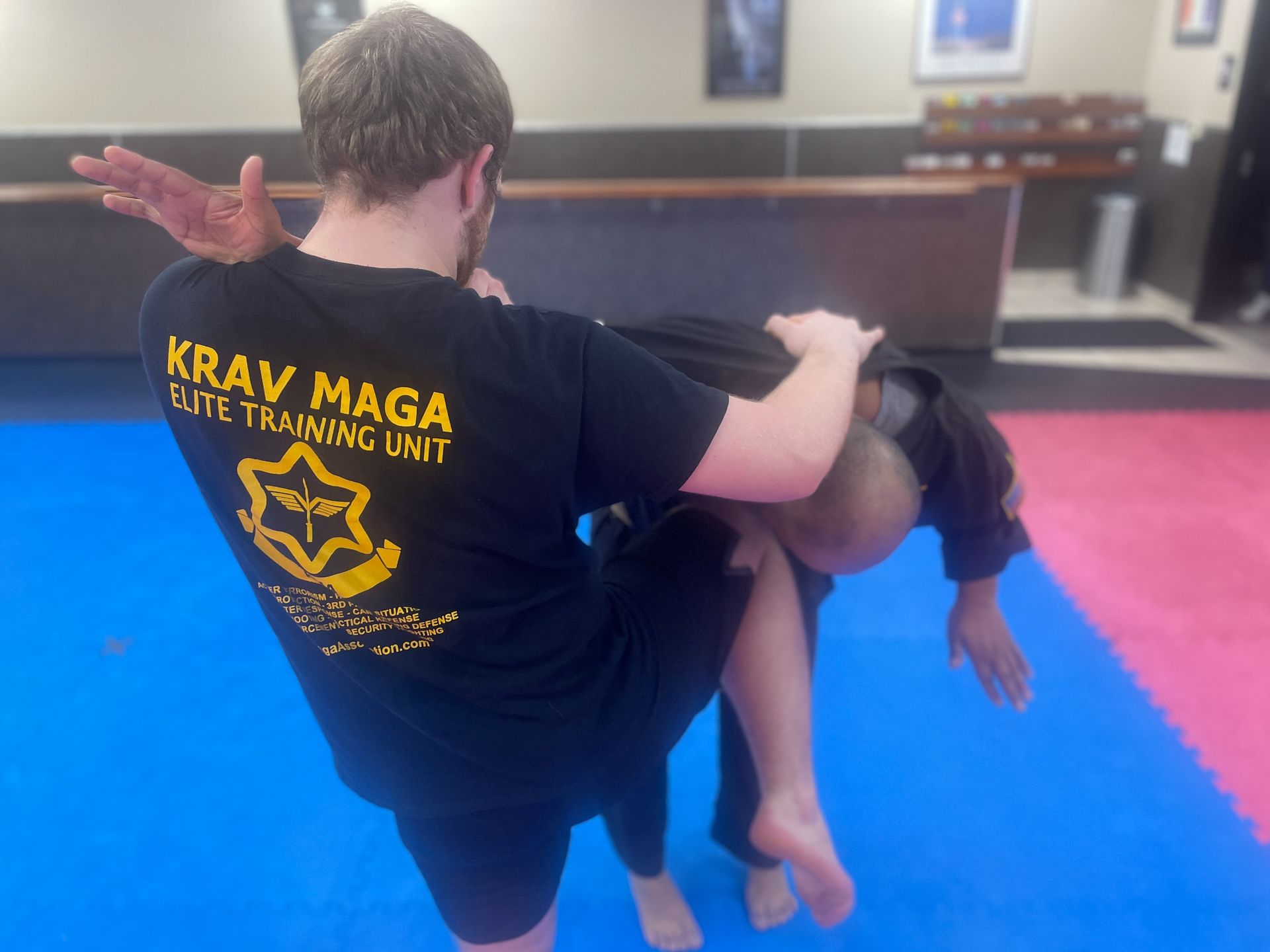
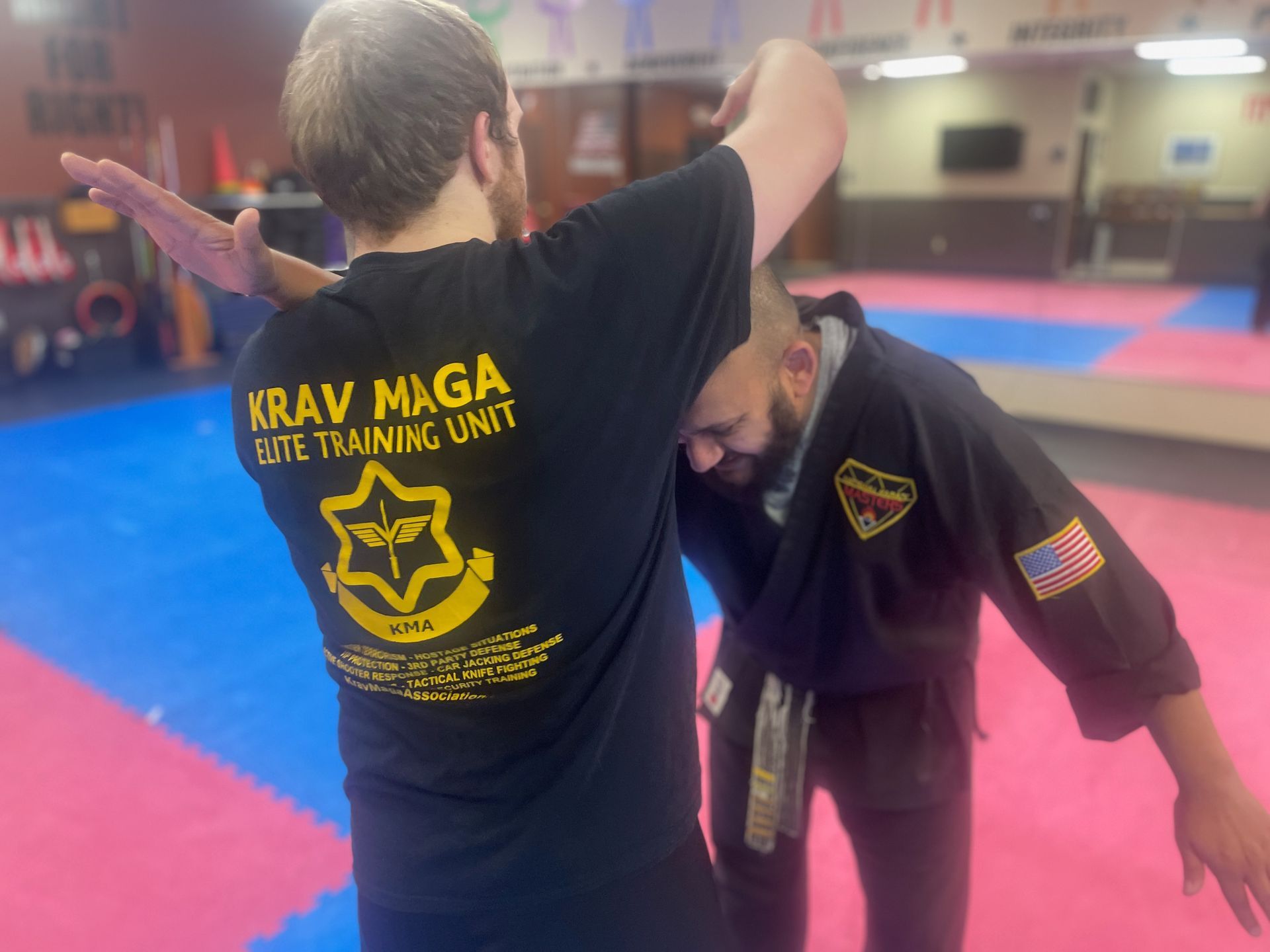
Because we also offer training that blends karate with kickboxing and Krav Maga concepts, many kids enjoy the variety. That fusion approach keeps classes fresh while still staying grounded in fundamentals. It also helps kids understand that martial arts is not just one “style” of movement. It is a set of skills that can be trained intelligently over time.
Ages, readiness, and safety: what parents should know
A common question is: what age is best to start? Many kids do well starting in the 4 to 12 range, depending on attention span and readiness to follow instruction. The key is not whether your child is already athletic. The key is whether your child can participate in a group setting, take coaching, and try again after making mistakes.
Safety is non negotiable. We keep training supervised, structured, and progressive. Kids do not jump into advanced contact. We introduce skills in layers and ensure that students understand control before intensity increases. That approach supports confidence while protecting your child’s body and enthusiasm.
Parents also ask if karate is suitable for girls. Absolutely. Participation is increasingly balanced, and we coach every student with the same standards: respect, skill, and composure. We want every child to feel capable in their own skin.
Helping your child stay consistent (even when motivation fades)
Consistency is where results come from, but kids are kids. Some weeks are smooth. Some weeks feel like herding cats. We help by keeping expectations clear and making progress visible. When your child can see growth, motivation usually follows.
A few ways you can support your child at home:
• Keep a simple routine around class days so training does not feel rushed
• Ask what your child improved, not whether your child “won” anything
• Encourage effort after tough classes, because that is when growth happens
• Let your child take ownership of gear and simple preparation habits
• Celebrate calm behavior and respectful choices as much as physical skill
When families reinforce sportsmanship language at home, kids improve faster. “Great job staying respectful” lands deeper than “Did you beat anyone?”
Take the Next Step
If you want Youth Karate to be more than an activity, our goal is to make it a structured path that builds confidence, fitness, and real sportsmanship. We coach kids to compete with control, treat others with respect, and keep improving even when it gets challenging.
At Wisconsin National Karate Kickboxing & Krav Maga, we built our Youth Karate in New Berlin and Youth Martial Arts in New Berlin programs to give kids that steady progression and a positive place to grow. When you are ready, we would love to help your child take that first step and enjoy the process along the way.
Take what you learned here and apply it on the mats by joining a martial arts class at Wisconsin National Karate.