How Youth Karate Classes in New Berlin Encourage Lifelong Friendships
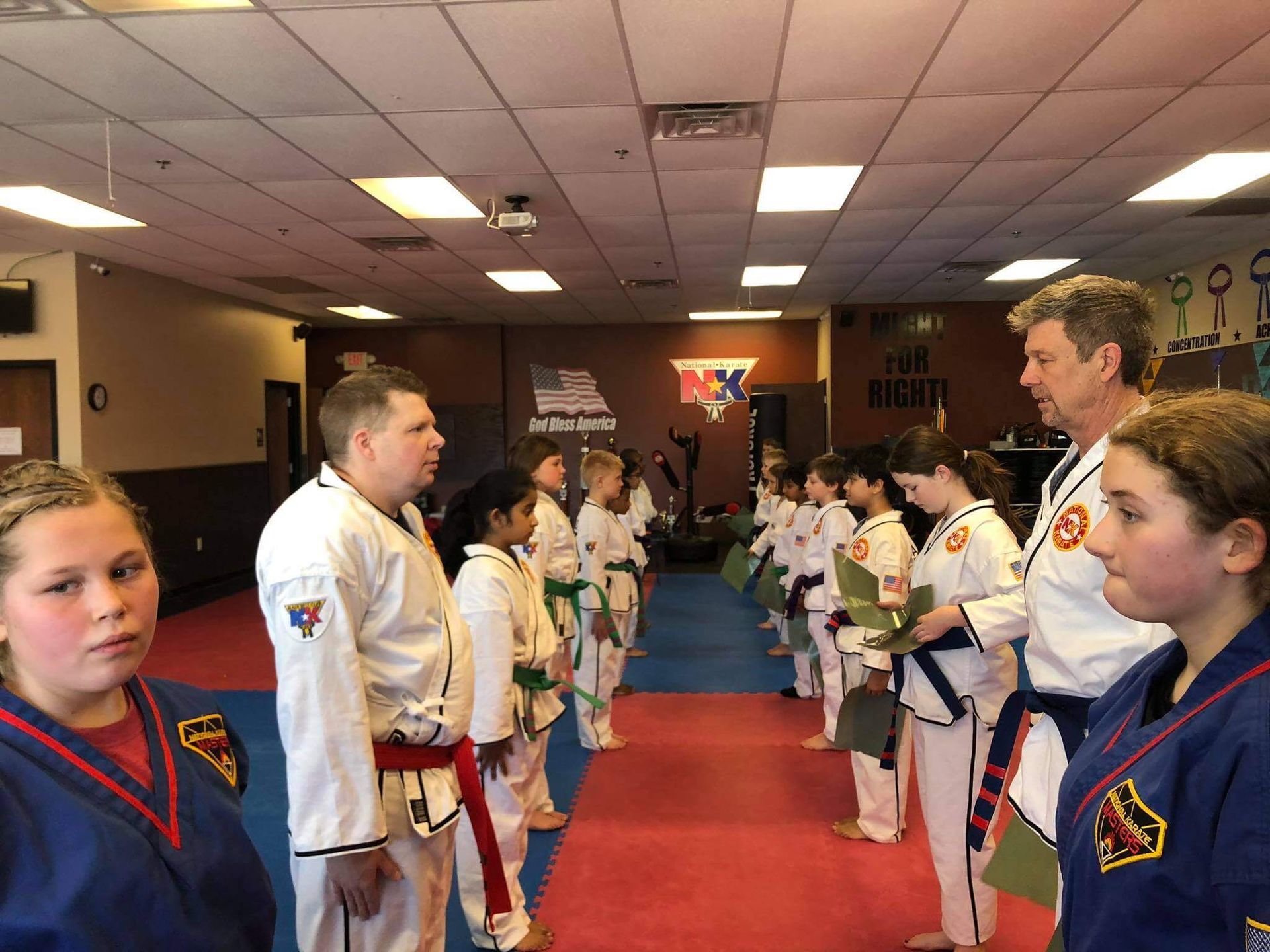
The right Youth Karate class does more than teach kicks and blocks, it gives your child a place to belong.
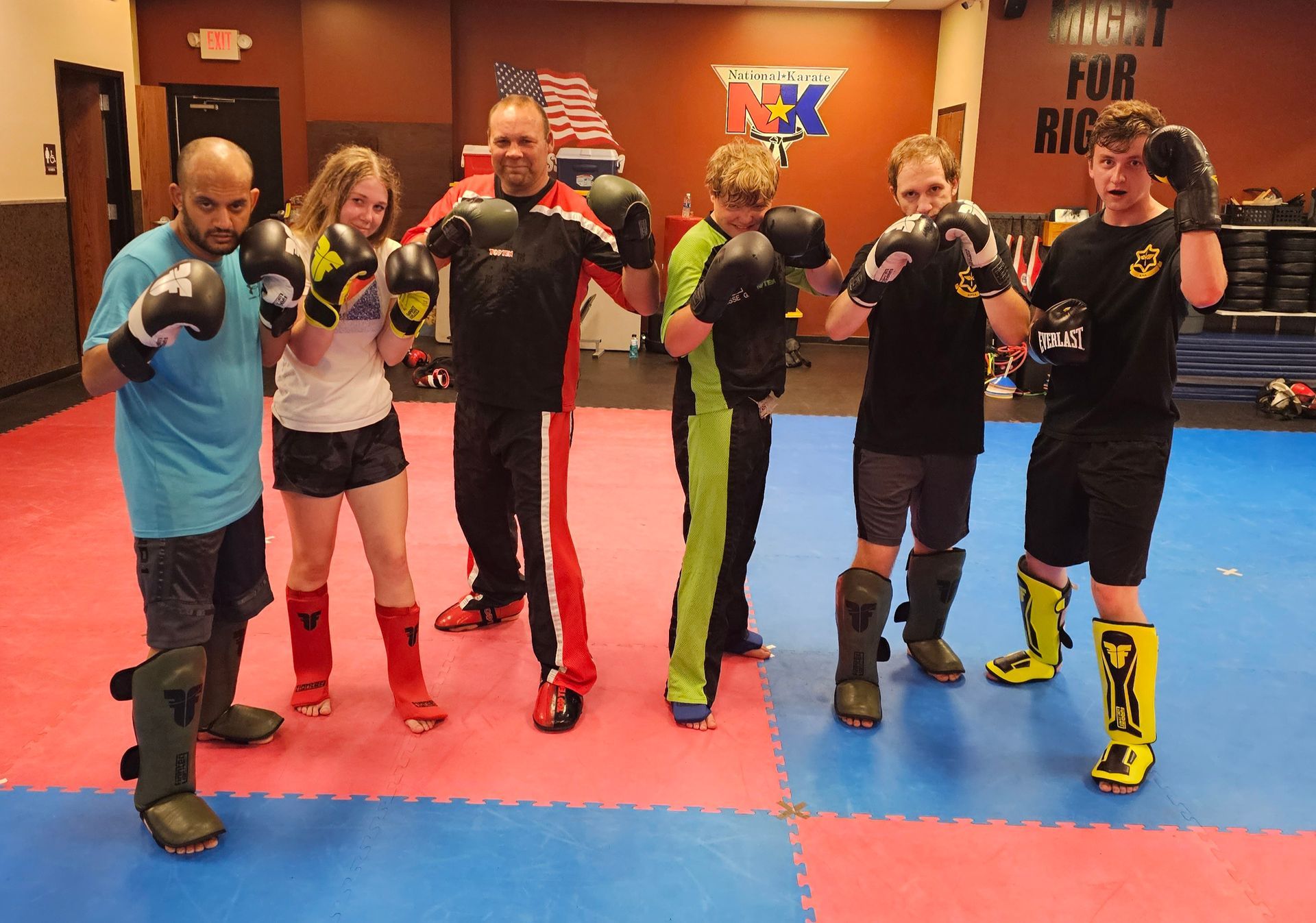
If you are looking into Youth Karate for your child, friendship might not be the first benefit you picture. Most parents start with goals like confidence, focus, or learning to handle conflict more calmly. We love those outcomes too, and we train for them on purpose. But in our experience, one of the biggest long-term wins is simpler and more meaningful: kids make real friends here, the kind that stick.
In New Berlin, it is not always easy to find a year-round activity where kids can be active, challenged, and genuinely supported by peers. Youth Karate in New Berlin fills that gap in a very particular way. Our classes bring kids together often, on a consistent schedule, with a shared purpose. That combination does something special over time.
This article breaks down how friendships form in our Youth Karate program, why martial arts creates a different social environment than many sports or clubs, and what you can look for if you want your child to build healthy connections while learning skills that matter.
Why Youth Karate is a friendship builder, not just a sport
Friendships usually grow from three things: repeated contact, shared effort, and a feeling of safety. Youth Karate checks all three boxes.
Repeated contact is obvious. Kids see the same training partners week after week, sometimes multiple times per week. That regular rhythm matters, especially for ages 7 to 12, when friendships can change quickly at school.
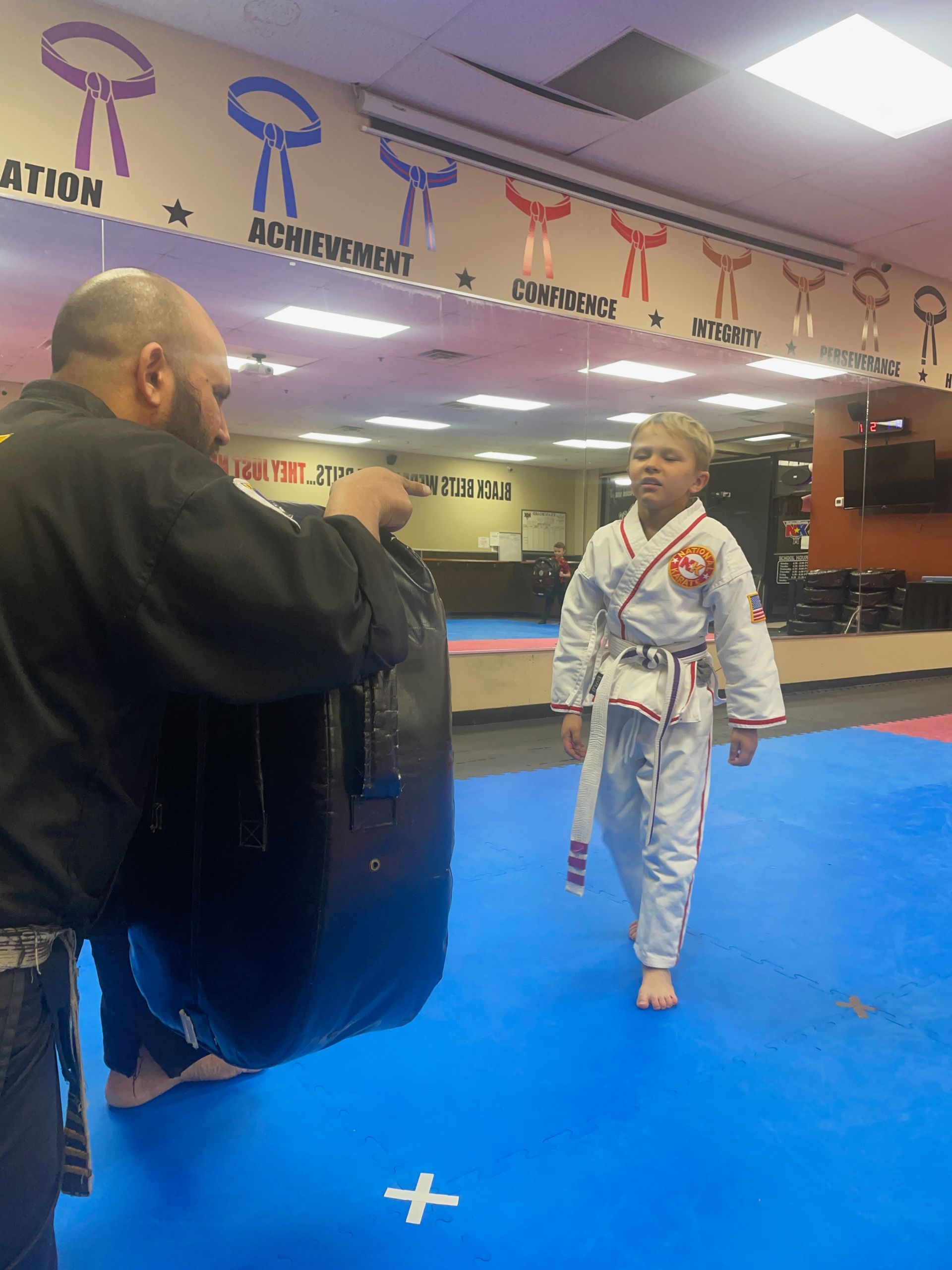
Shared effort is the part many parents underestimate. When kids practice a challenging drill, struggle a little, and then finally get it, they remember who was next to them. They remember who held the pad steady. They remember who said, “Nice job,” after a tough round. Those moments are small, but they add up.
Safety is the foundation. When kids feel emotionally safe, meaning they are not getting mocked for making mistakes, they are more likely to talk, laugh, and connect. Our job is to keep that atmosphere steady so friendships can grow naturally.
What makes the social environment in Youth Karate feel different
Youth Martial Arts in New Berlin can look similar from the outside: uniforms, ranks, lines, drills. But inside the class, the social dynamic is unique because the culture is coached, not accidental.
Respect is practiced, not just talked about
We build respect into class structure: how students line up, how they listen, how they speak to partners, and how they respond to correction. When kids practice respectful behavior repeatedly, it becomes normal. That reduces the social “noise” that can make some group activities stressful for quieter kids.
Respect also creates a kind of social fairness. A brand-new student and an advanced student still bow in, still follow the same expectations, and still get encouragement for effort. That shared standard makes it easier for friendships to form across grade levels and personalities.
Everyone improves together, at different speeds
Kids do not need to be “the best” to feel valued here. Progress is visible and personal. When a student finally remembers a combination without prompts, or keeps their balance on a kick that used to wobble, the class notices. Friends start rooting for each other because improvement is the point.
That is one reason Youth Karate can help kids who feel stuck socially. They may not be the loudest in the room, but they can still earn respect by showing consistency and a good attitude.
How belt progression creates shared milestones (and shared memories)
One of the most powerful friendship engines in Youth Karate is belt ranking. Not because belts are flashy, but because they create a timeline kids can share.
Kids tend to bond when they are moving through a journey together. In our program, students train side by side as they learn basics, refine techniques, and prepare for promotions. They celebrate each other’s wins because those wins feel earned, and because everyone knows what it took to get there.
When parents ask if belts are handed out automatically, we are very clear: progress is structured and based on real accomplishment. That is part of why the friendships feel authentic. Kids trust the process, and they trust each other’s effort.
The “we are in this together” effect
When a child is nervous about a test or a new skill, having peers going through the same thing matters. Students talk before class, compare notes, and encourage each other. That pre-class buzz, the little “You’ve got this,” moments, are often where friendships deepen.
Partner drills: the quiet secret behind stronger social skills
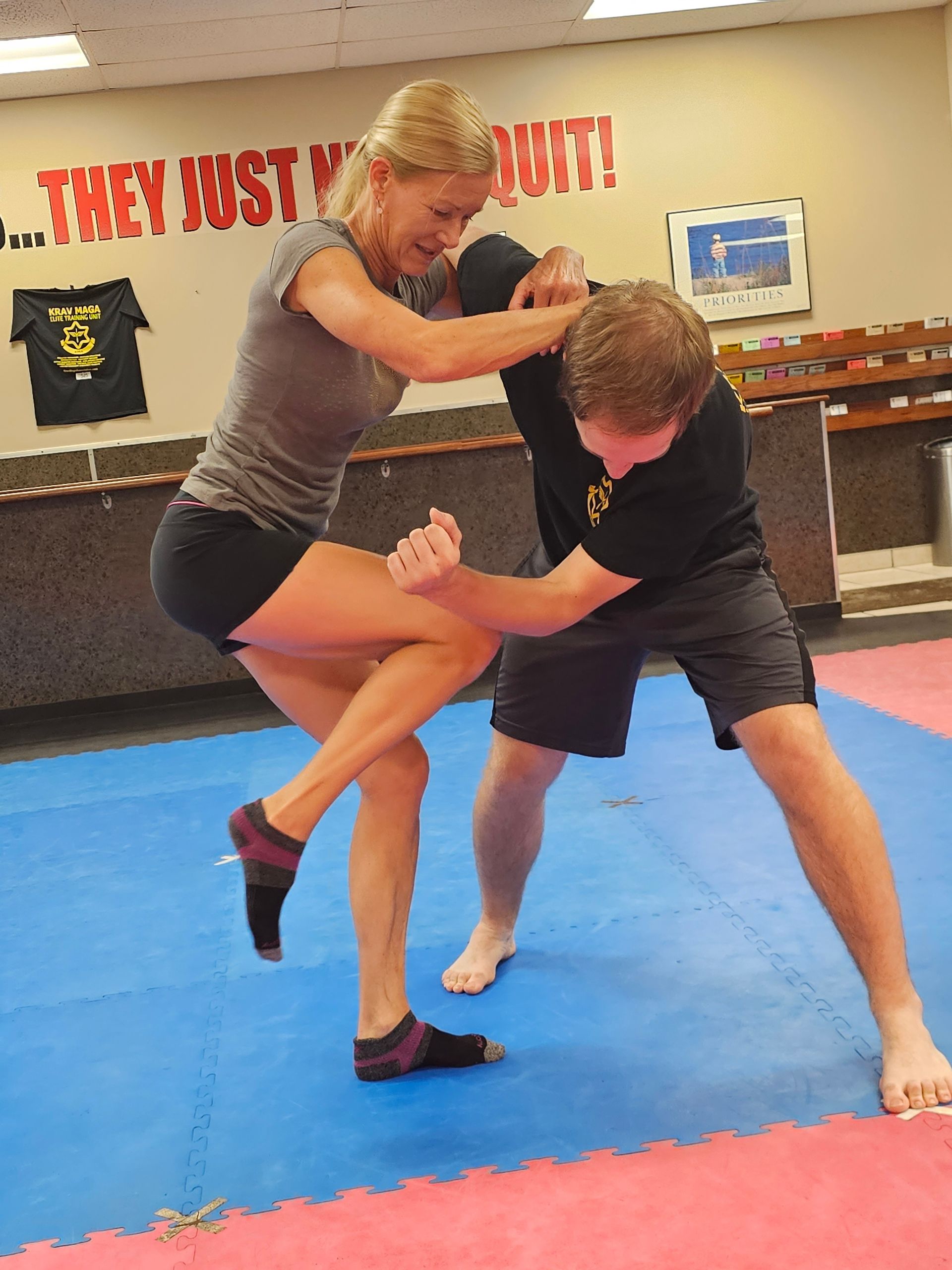
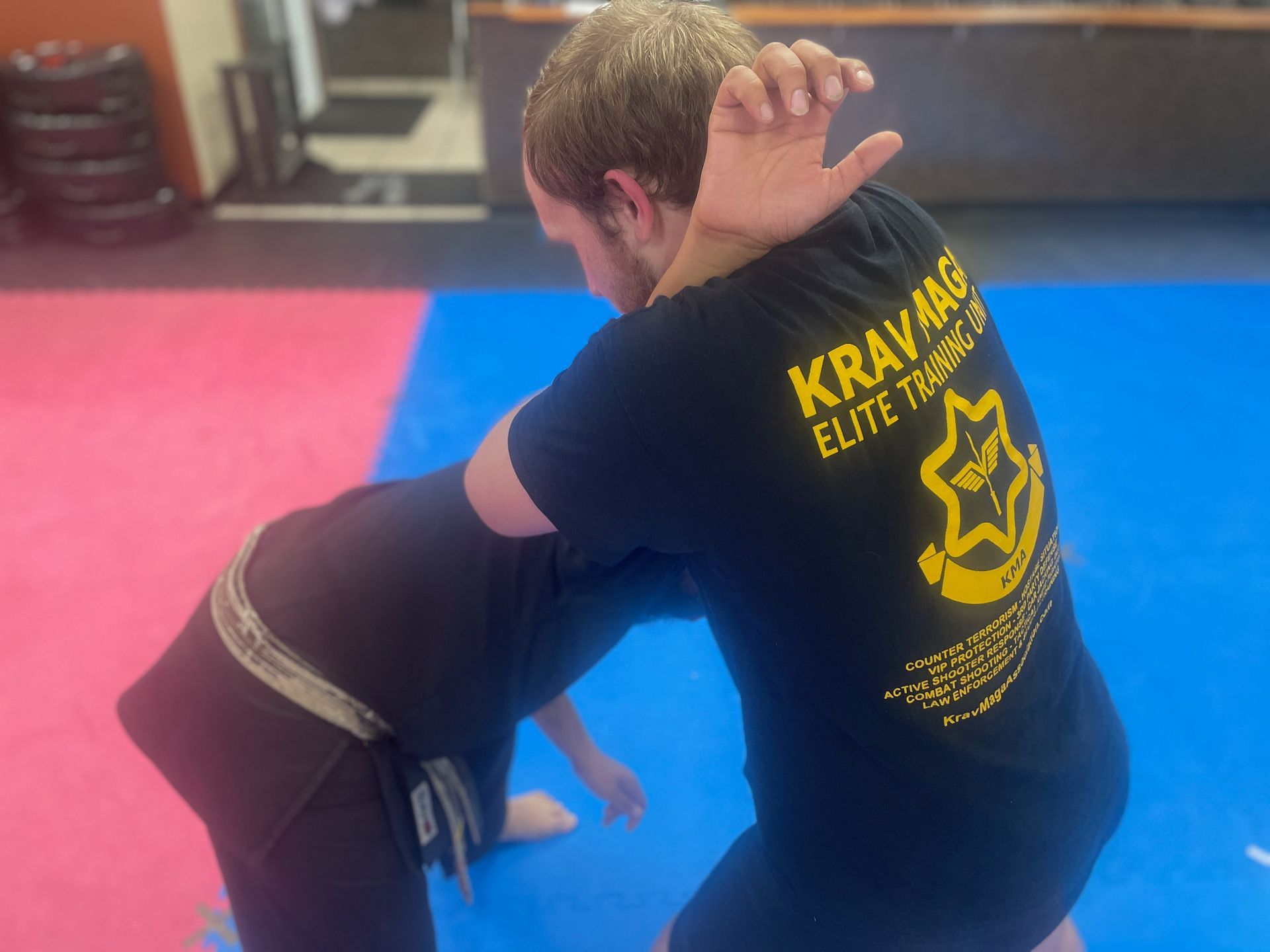
A lot of friendship-building happens during partner work. Kids learn how to cooperate without needing to be best friends first.
Partner drills teach:
• How to take turns and share space without conflict
• How to give and receive feedback without taking it personally
• How to match intensity so everyone stays safe
• How to communicate clearly, even when excited or frustrated
• How to show leadership without being bossy
Those are real social skills. And because kids practice them in a structured environment, they carry over into school, sports, and family life.
In Youth Karate in New Berlin, partner drills also rotate frequently. That matters because your child is not “stuck” with one group socially. Over time, students get comfortable working with different personalities, which is a practical life skill and a friendship skill rolled together.
Sparring and controlled contact: trust, boundaries, and confidence
Sparring can sound intimidating to parents who are new to martial arts. But when it is taught correctly, sparring is one of the best ways to build trust and boundaries.
We keep sparring controlled and age-appropriate. Students learn how to:
• Follow rules even when adrenaline rises
• Stay calm under pressure
• Respect a partner’s safety and personal space
• Reset quickly after a mistake
• Win and lose with maturity
Those experiences build a specific kind of confidence: “I can handle this, and I can do it respectfully.” Kids who learn that tend to become steady friends. They are less likely to escalate drama because they have practiced self-control in a much louder setting than a school hallway.
And yes, many parents ask about bullying. While we do not promise that any program magically prevents every social problem, we do see that students who train consistently develop stronger posture, stronger boundaries, and a calmer presence. That combination often changes how peers treat them.
Leadership in ages 7 to 12: why friendships get stronger as kids rank up
In our youth program, we treat students like developing leaders. That does not mean we expect perfect behavior. It means we coach them to notice others, take responsibility, and contribute to a positive environment.
As kids gain experience, we give them opportunities to lead in small ways: helping a newer student with a stance, demonstrating a drill, or being a good example during line work. Those moments do two things for friendships:
1. They create natural mentorship bonds
2. They teach higher-ranked students to be welcoming, not exclusive
A lot of youth activities accidentally reward cliques. We work against that by reinforcing a culture where advanced students help newer ones. Over time, that becomes normal, and “normal” is what creates long-term community.
The role of routine: friendships thrive on consistency
There is a reason parents are seeking more group-based activities again. Industry trends from 2024 to 2026 show youth martial arts growing around 15 to 20 percent annually in the U.S., and a big driver is social connection. Many families want something structured and in-person, where kids can rebuild face-to-face confidence. Surveys in the martial arts industry report that 68 percent of parents notice improved friendships from group classes.
Routine is the practical ingredient behind that. When your child knows where they will be and who they will see, they relax. They start to talk more. They start to take social risks like asking a classmate about their day, or offering help without being asked.
Our class schedule is built for families who need consistency during the week, and we keep training available year-round, which matters in Wisconsin winters. That steady access is not just convenient. It is a social advantage.
A local advantage: a safe, clean, year-round space in New Berlin
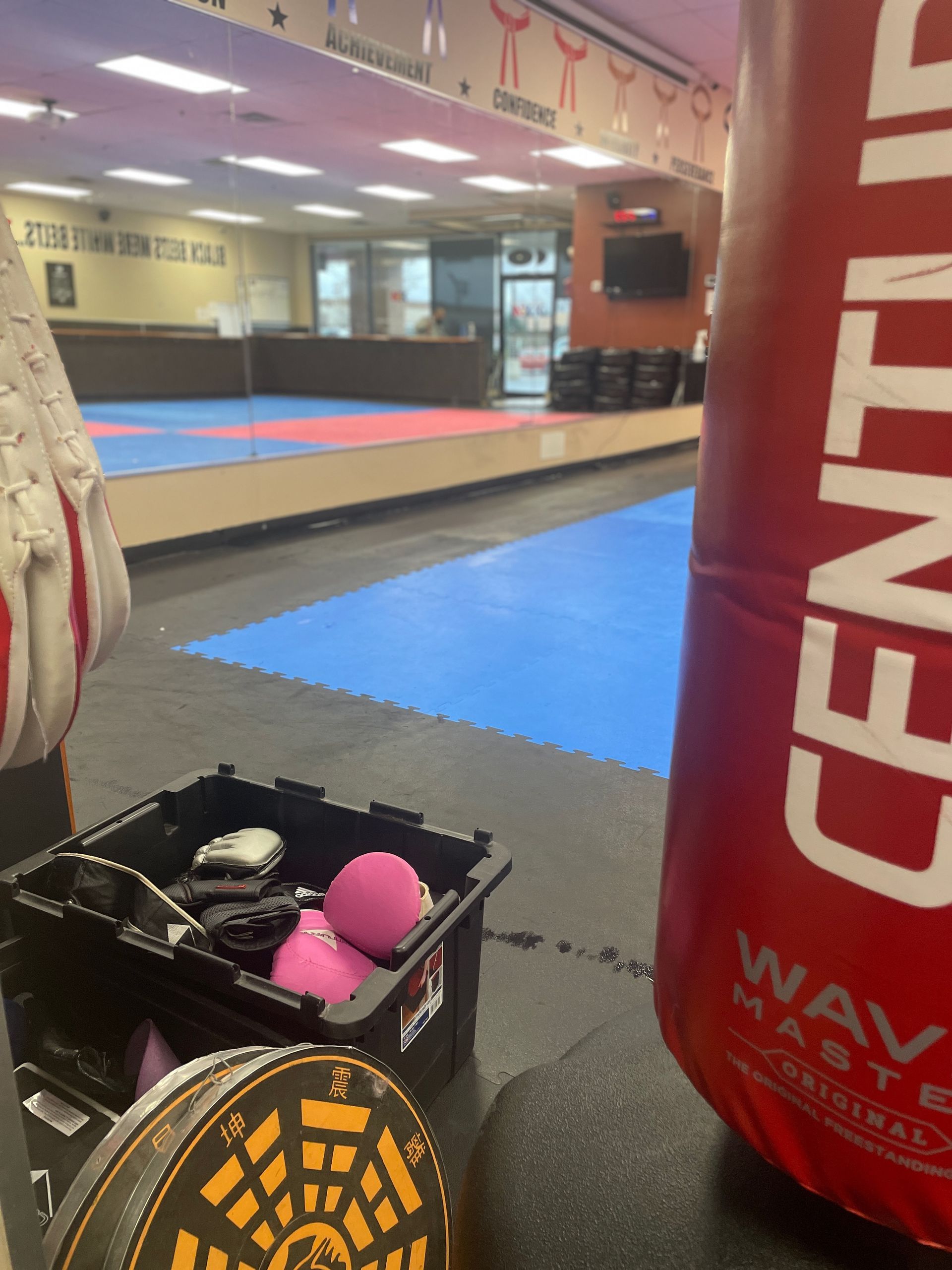
Families choose Youth Martial Arts in New Berlin for many reasons, but local convenience is a big one. Our location at 3564 S Moorland Rd makes it easy to reach from nearby areas like West Allis, Muskego, Brookfield, and Waukesha, and families appreciate having a clean and safe place where kids can be active no matter what the weather is doing.
That may sound like a small detail. It is not. When kids train in a place that feels cared for, they treat it like a community space. They look forward to coming in, and that anticipation is part of how friendships stick.
We also offer flexible options, including in-person and virtual training, plus family classes and private sessions. Even when a student needs a short-term adjustment, we aim to keep them connected to the group so they do not feel like they disappeared from their own routine.
What to look for if you want your child to build friendships through Youth Karate
Not every child makes friends the same way. Some jump in fast. Some watch quietly for a few weeks and then suddenly, one day, you hear a new name at the dinner table. Both are normal.
Here is what we recommend you pay attention to during your child’s first few weeks:
1. Do instructors praise effort and respectful behavior, not just talent?
2. Are partner drills structured so kids rotate and meet different classmates?
3. Are higher-ranked students encouraged to help newer students?
4. Is the environment orderly enough that kids feel safe making mistakes?
5. Are milestones celebrated in a way that feels earned and shared?
When these elements are present, friendships are not forced. They happen as a natural result of training.
How a free intro class helps you see the social dynamic quickly
A free intro class is useful because you can watch the “in between” moments, not just the techniques. Look at how kids talk while lining up. Notice whether students help each other fix gloves or adjust gear. Listen for encouragement after drills. Those are the signals that tell you whether Youth Karate will be a place your child can grow socially, not just physically.
You will also get a sense of whether your child feels comfortable. Sometimes you can see it in the shoulders. Sometimes it shows up as a small smile when they realize other kids are learning too.
Take the Next Step
Friendships are not a side effect of training, they are one of the clearest signs that the environment is healthy. When kids practice hard things together, celebrate earned progress, and learn to respect each other through structure, bonds form in a way that feels real and lasting.
If you want Youth Karate in New Berlin that supports both skill development and genuine connection, we have built our youth program to do exactly that at Wisconsin National Karate Kickboxing & Krav Maga. We would love to meet you, learn what your child needs, and help you see how training can create confidence and friendships that carry well beyond the mat.
Give your child a positive and active outlet by joining the kids’ karate program at Wisconsin National Karate.