Karate Basics Every Parent Should Know Before Signing Up in New Berlin
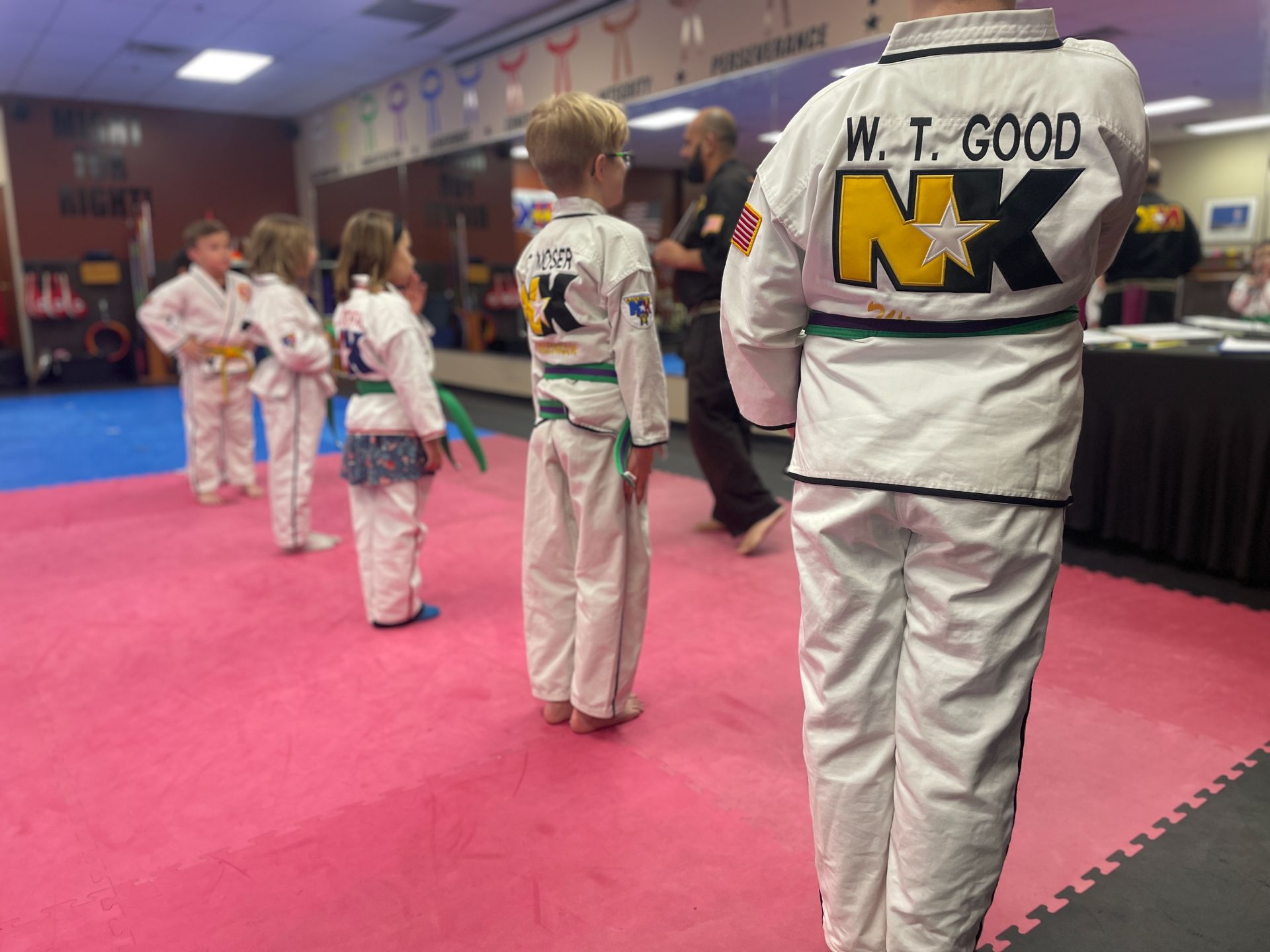
A strong start in karate is less about “fighting” and more about building focus, confidence, and safe habits from day one.
If you’re a parent in New Berlin, you’ve probably noticed how hard it can be to find an after school activity that checks every box: structure, physical movement, confidence-building, and a positive peer environment. Karate stands out because it gives kids clear rules and routines, but it also gives you something practical to track progress: skills, stripes, and belt levels that reflect real effort.
We also hear a common worry: Is this going to be too intense or too aggressive for my child. In our experience, the basics are the opposite of chaotic. Beginner training is controlled, repetitive in a good way, and built around respect. Your child learns how to listen, respond, and move safely before we ever ask for speed or power.
This guide walks you through what parents should understand before enrolling, what your child will actually learn first, and how to tell if your child is thriving in the program, not just “staying busy.”
What Karate Really Teaches at the Beginner Level
Karate is often misunderstood as a sport where kids spend most of class sparring. In reality, beginner instruction is about fundamentals: posture, balance, coordination, and discipline. Think of it like learning the alphabet before reading full books. Kids learn how to stand, how to move, and how to keep their hands and feet under control.
We teach the basics in a way that is age-appropriate and structured, especially for younger students. That structure matters. When kids know exactly what to do when they step onto the mat, anxiety drops and confidence goes up. That’s one reason martial arts enrollment has climbed in recent years, with many families looking for mental health benefits like better focus and lower stress.
The biggest shift many parents notice is that training provides a place where attention is practiced, not just demanded. Routines create repetition, repetition creates skill, and skill creates confidence.
The First Techniques Your Child Learns (And Why They Matter)
Stances: The Foundation of Balance and Control
Stances are where everything starts, because a stable base keeps techniques safe and effective. Early on, we commonly introduce:
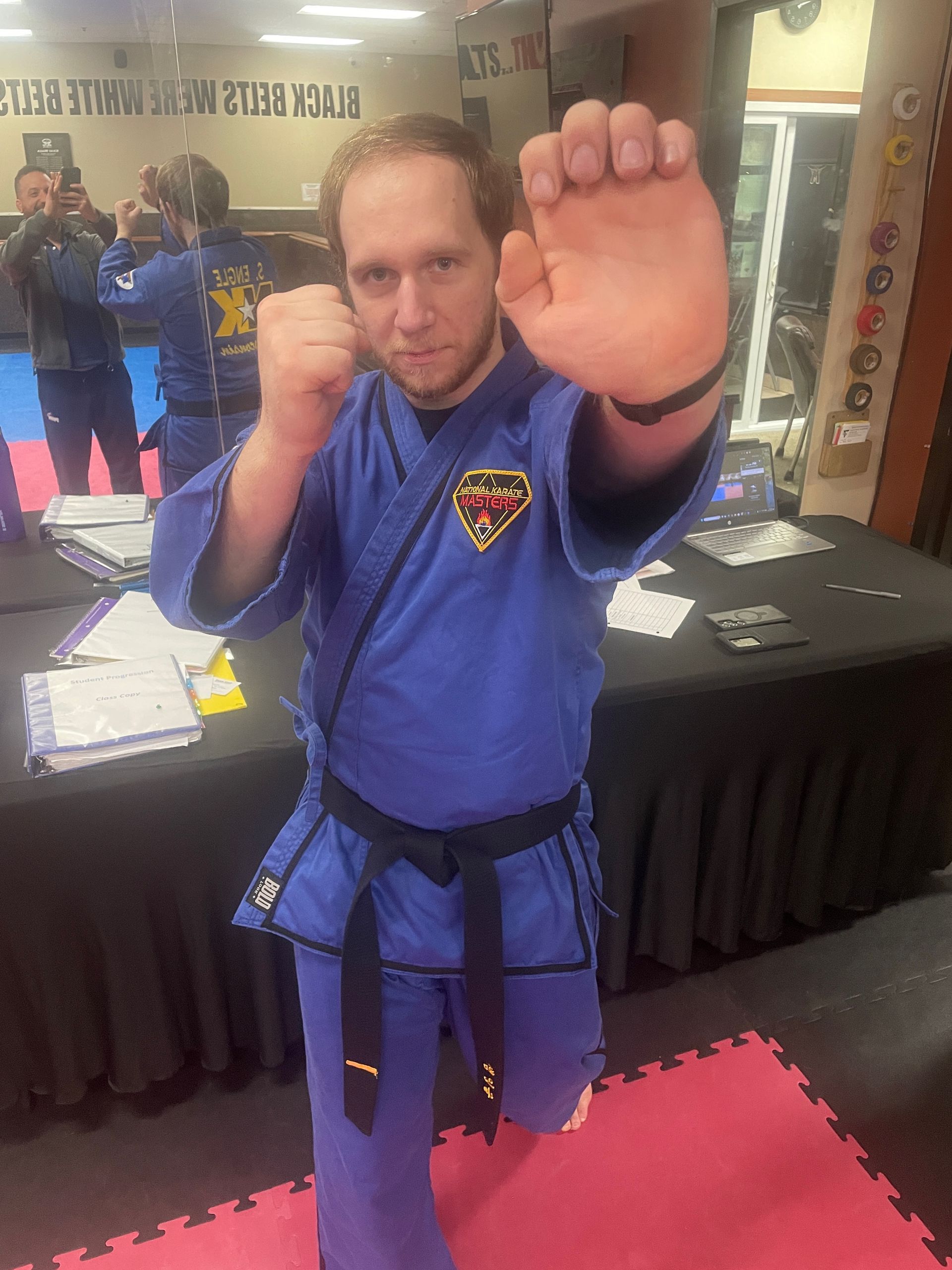
• Horse stance, which strengthens legs and teaches posture
• Front stance, which builds balance and directional movement
From a parent’s perspective, stances look simple, but they are sneaky important. A child who learns to hold a stance learns patience, body awareness, and how to stay composed when something feels challenging.
Basic Punches: Coordination Before Power
Karate punching for kids is not about hitting hard. It’s about alignment, hip rotation, and keeping elbows and wrists safe. Beginners often start with straight punches and progress toward variations like an uppercut style motion in controlled drills.
We cue kids to keep shoulders relaxed, breathe, and reset. Those resets are part of discipline training. Your child learns that doing it correctly matters more than doing it fast.
Blocks: Confidence Through Defense
Blocks are one of the best confidence builders for children because they teach a simple message: I can protect myself. We usually begin with high blocks and low blocks, practiced in the air before adding any partner distance.
Even without contact, defensive movements help kids feel less helpless in uncomfortable situations. It also supports anti-bullying skills, because posture and calm responses often prevent escalation in the first place.
Kicks: Controlled Movement, Not Chaos
Kids love kicks, but we introduce them carefully. Two common beginner kicks are:
• Front snap kick, focusing on chambering and retraction
• Roundhouse kick, emphasizing pivot and balance
The safety piece is important here. We teach kids to keep distance, aim properly, and return the foot under control. That “return” is where injuries are prevented and discipline is reinforced.
Kata: Why Forms Build Focus and Memory
A kata is a pre-arranged sequence of movements that helps students practice combinations with consistency. For kids, kata is a powerful learning tool because it builds muscle memory, directional awareness, and attention to detail.
Parents sometimes ask why kata matters if self-defense is the goal. Here’s the practical answer: when kids repeat a pattern, they learn to move without freezing. That reduces hesitation and builds confidence under pressure. It also supports learning improvements, since following a sequence trains working memory and focus. Some studies and school observations commonly cite around a 30 percent improvement in child focus when consistent routines like martial arts practice are added to the week.
Kata also gives kids a way to succeed without needing a competitive personality. Your child can be quiet and still feel proud of performing something well.
Safety for Ages 4 to 12: What You Should Expect
Safety is usually the deciding factor for parents, and it should be. Youth Karate in New Berlin needs to be structured so that kids can participate without being overwhelmed physically or socially.
In our youth classes, safety starts with how we teach:
• Clear rules before activity starts
• Demonstrations that set expectations
• Non-contact drills to learn mechanics first
• Plenty of spacing and controlled pace
• Progression only when a student shows readiness
When sparring exists, it’s introduced later and only after students demonstrate control and listening skills. Beginners spend most of their time on basics, movement drills, and forms. That foundation is what keeps training both effective and age-appropriate.
Discipline and Respect: How It’s Built Into Every Class
Discipline in Karate is not a lecture. It’s a routine. Kids bow, line up, wait for instruction, and learn to respond promptly. It’s simple, but that simplicity creates consistency.
We also build respect through small moments that add up: how students greet instructors, how they treat partners, and how they handle mistakes. A child who learns to correct a technique without melting down is learning emotional regulation, not just martial arts.
Over time, many parents notice that the habits transfer outside the dojo: better listening at home, improved follow-through with chores, and a little more patience when something is hard. It’s not magic, but it is training.
What a Typical Beginner Class Looks Like
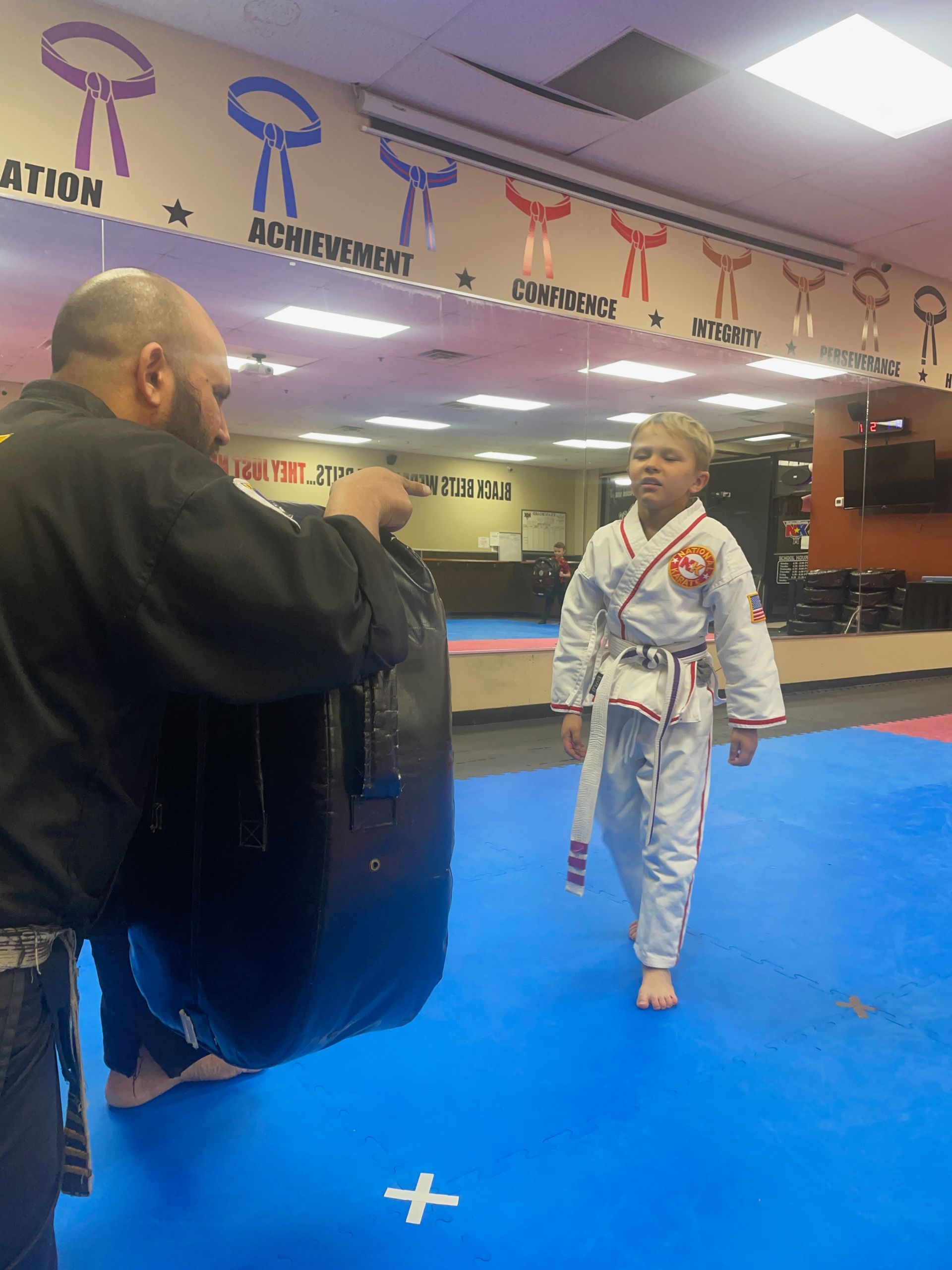
Most parents feel more comfortable once they know what the flow is. While the exact plan can vary by age group, a beginner class usually includes warmups, technique practice, and a skill focus for the day.
Here’s a simple snapshot of what you can expect in an introductory class:
• A short opening with lineup, bow-in, and respectful greetings
• Warmups that build coordination, balance, and safe mobility
• Basics practice like stances, punches, blocks, and kicks
• A focused drill, such as front stance stepping or kick chambers
• Kata practice or a beginner combination for memory and timing
• A brief close-out that reinforces effort, control, and progress
That structure helps instructors learn students’ names quickly and give individualized attention, which matters a lot for kids who are shy or brand new to group activities.
Preparing for the First Class: A Parent Checklist That Helps
You don’t need to overthink the first day, but a little preparation makes everything smoother. If your child is anxious, even small details like knowing what to wear can help.
Here’s a practical first-class checklist we recommend:
• Wear comfortable athletic clothes if a uniform is not issued yet
• Bring water, and eat a light snack beforehand if needed
• Arrive a few minutes early so your child can settle in
• Encourage your child to try, even if it feels awkward at first
• Plan on two classes per week for the first 8 to 12 weeks for best momentum
At home, kids can practice simple things safely: holding a horse stance for ten seconds, stepping into a front stance, or practicing a slow front snap kick in the air. We also like socks or athletic shoes for home practice so kids do not slip.
How Progress Works: Belts, Goals, and Realistic Timelines
Parents often want to know how long it takes to “get good.” The honest answer is that progress depends on consistency more than talent. Most beginners can start building solid fundamentals within the first month, and many students aim for an early belt milestone around the 8 to 12 week mark when training consistently.
We frame progress in a way kids understand: show up, listen, try hard, and improve one detail at a time. Belt tests become a healthy kind of pressure, because kids prepare, perform, and learn to be proud of effort, not perfection.
A helpful way to think about the timeline looks like this:
1. Week 1: learning class rules, respect rituals, basic stance positions
2. Month 1: combining basic punches, blocks, and kicks with better coordination
3. Quarter 1: building confidence through goal-setting and a belt test experience
This is one reason Youth Martial Arts in New Berlin works so well for families who want steady, measurable development.
Karate, Kickboxing, and Krav Maga: How Parents Can Think About the Differences
Families sometimes ask how these training styles relate, especially when planning for a child now and teen years later. We keep the guidance simple.
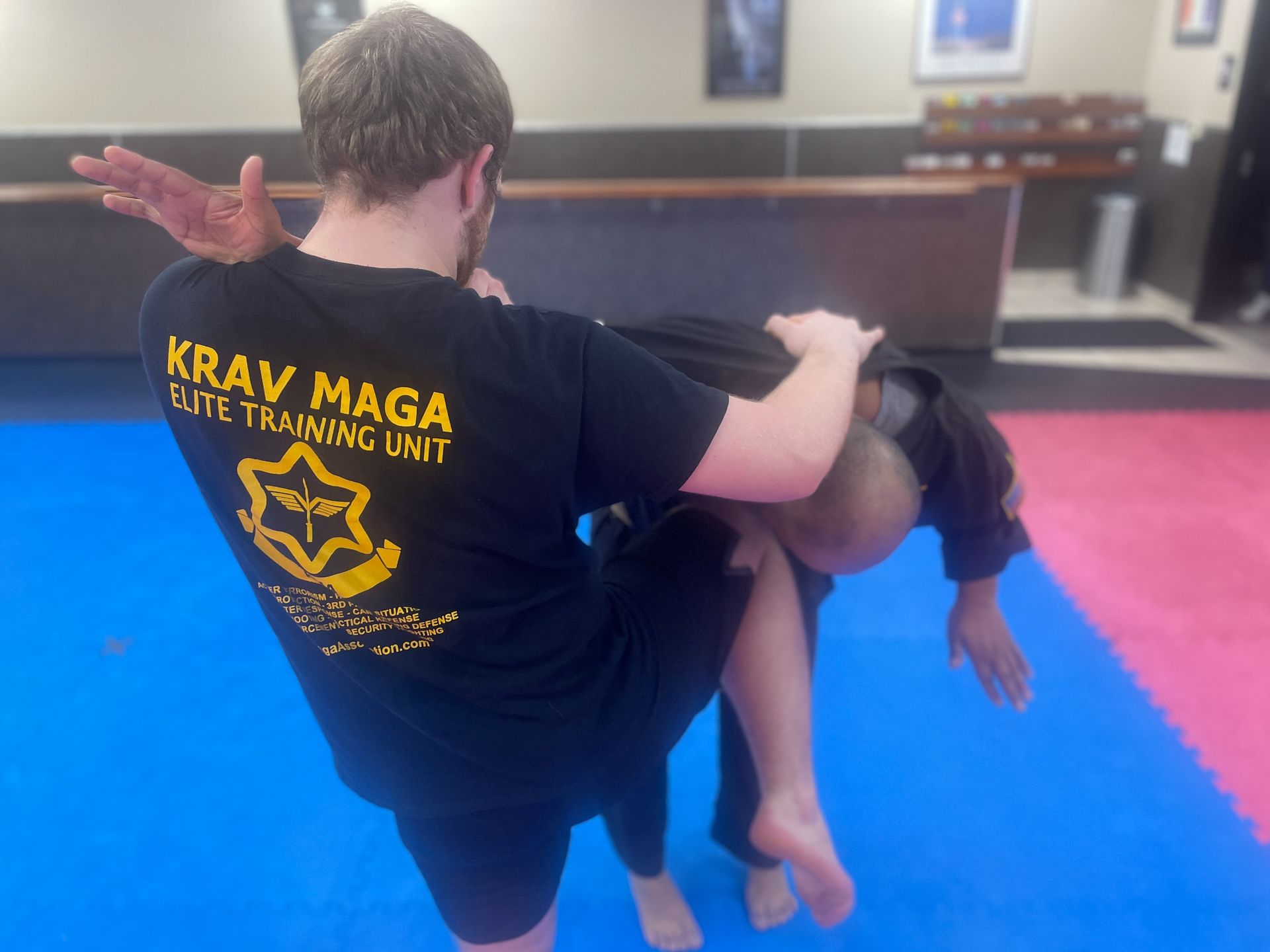
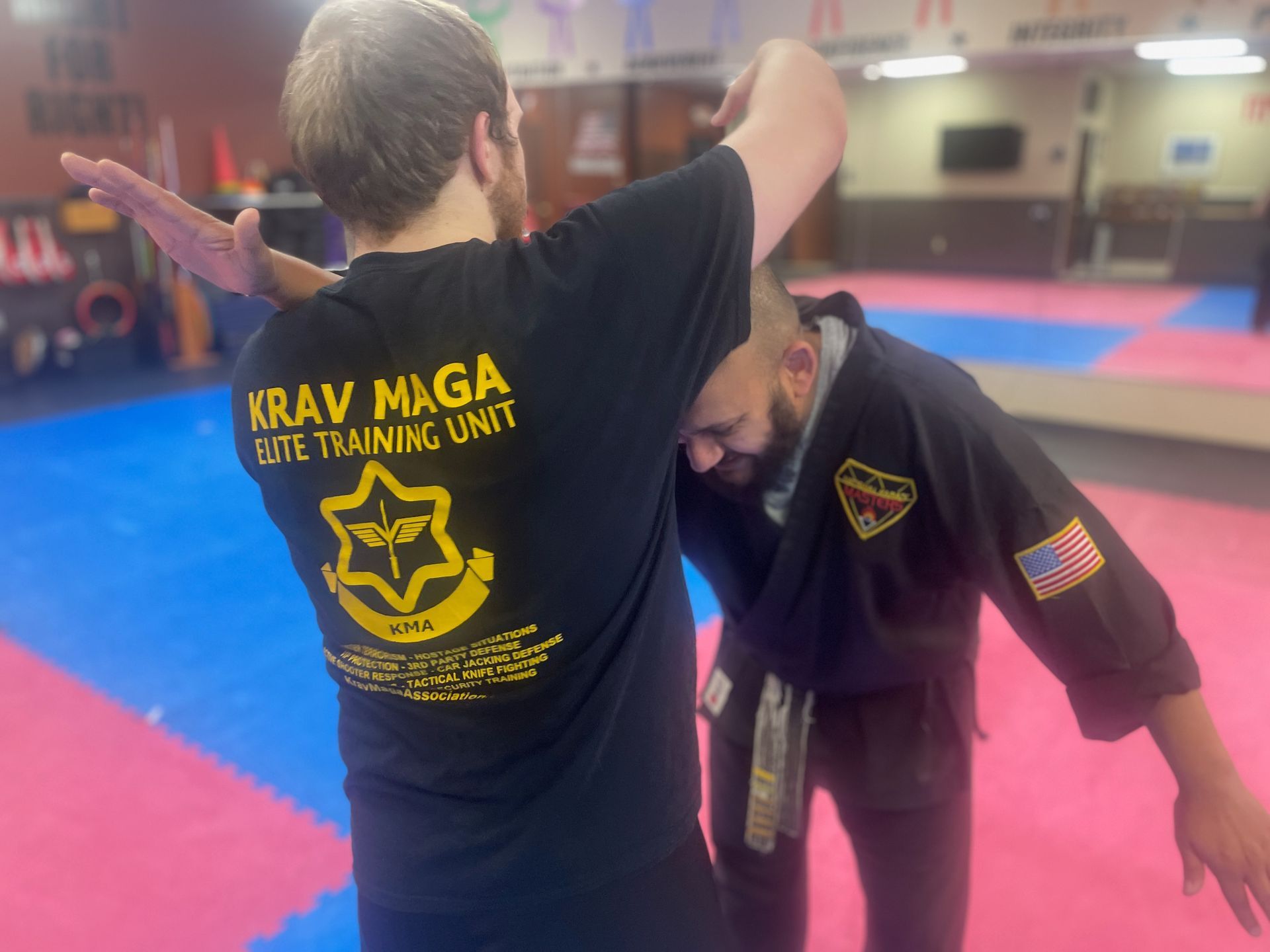
Karate is traditionally structured and form-based, which makes it ideal for kids learning fundamentals. Kickboxing adds a strong fitness element, often appealing to parents who want cardio benefits alongside technique. Krav Maga is practical and scenario-driven, commonly fitting older teens and adults who want real-world self-defense training.
In our academy, we keep the pathway clear so your child can start with a strong base and expand later as maturity and goals evolve.
Why This Matters Specifically in New Berlin
New Berlin is a family-centered community, and families here are busy. Between school, sports, and screen time, kids need an outlet that is both active and structured. We also hear more concerns about bullying and social pressure, and martial arts training can help kids handle those moments with better posture, better boundaries, and more self-control.
Access matters too. Our schedule is designed for after-school hours and weekends, and our location works well for nearby areas like Muskego, Greenfield, Elm Grove, Brookfield, and Waukesha. When training is convenient, consistency becomes realistic, and consistency is where the benefits show up.
Take the Next Step
When you understand the basics, Karate stops feeling like an unknown and starts feeling like a practical plan: safer movement, stronger focus, and real confidence built one class at a time. If you want your child to learn respect, discipline, and age-appropriate self-defense skills in a structured setting, we’ve designed our youth programs to make that first step feel welcoming and clear.
At Wisconsin National Karate Kickboxing & Krav Maga, we’ve spent decades refining how we introduce beginners to training so kids feel supported while still being challenged in the right ways. If you’re ready to explore Youth Karate in New Berlin with a program that values both life skills and technique, we’d love to help you get started.
New to martial arts? Start your journey by joining a Karate class at Wisconsin National Karate.