From White Belt to Black Belt: Navigating Youth Karate in New Berlin

The best youth programs turn belt testing into a confidence roadmap, not a pressure cooker.
Youth Karate is bigger than most parents realize, and the numbers back that up: youth enrollment in martial arts for ages 5 to 14 has risen by over 20 percent in the past decade. We see the same trend locally, too, because families in New Berlin want an activity that builds real skills while also shaping habits that carry into school, home, and friendships.
If you are looking into Youth Karate in New Berlin, the biggest question is usually not Can my child do it. The real question is How does the journey work from day one all the way to black belt, without burning out or losing motivation. We built our youth path to be clear, structured, and encouraging, with steady benchmarks so your child knows what to do next and why it matters.
This guide walks you through what to expect at each stage, how belt progression should feel, what parents can do to support the process, and how we keep training safe, fun, and purposeful while still holding students to a real standard.
What Youth Karate really builds, beyond kicks and punches
The techniques are important, but technique is not the whole point. When kids stick with training, the long-term benefits show up in places you might not expect, like how they handle frustration during homework or how they speak to adults when they are nervous.
In Youth Martial Arts in New Berlin, we focus on character development as a core piece of training, not an add-on. Modern programs across the industry are leaning hard into values like discipline, respect, and perseverance, and for good reason: these are learnable skills. They grow through repetition, coaching, and the small choice to try again even when something feels tricky.
Confidence is another big one, but we define confidence in a practical way. It is not loudness. It is not perfection. It is a calm belief that you can follow directions, try, adjust, and finish what you started. Belt advancement supports that because your child can literally see progress over time.
The white belt phase: building comfort, routines, and body control
White belt is where most of the important foundations happen. Not flashy, but honestly, this is where the magic starts. A good beginner phase should reduce uncertainty and replace it with simple routines your child can rely on.
What your child learns first (and why it matters)
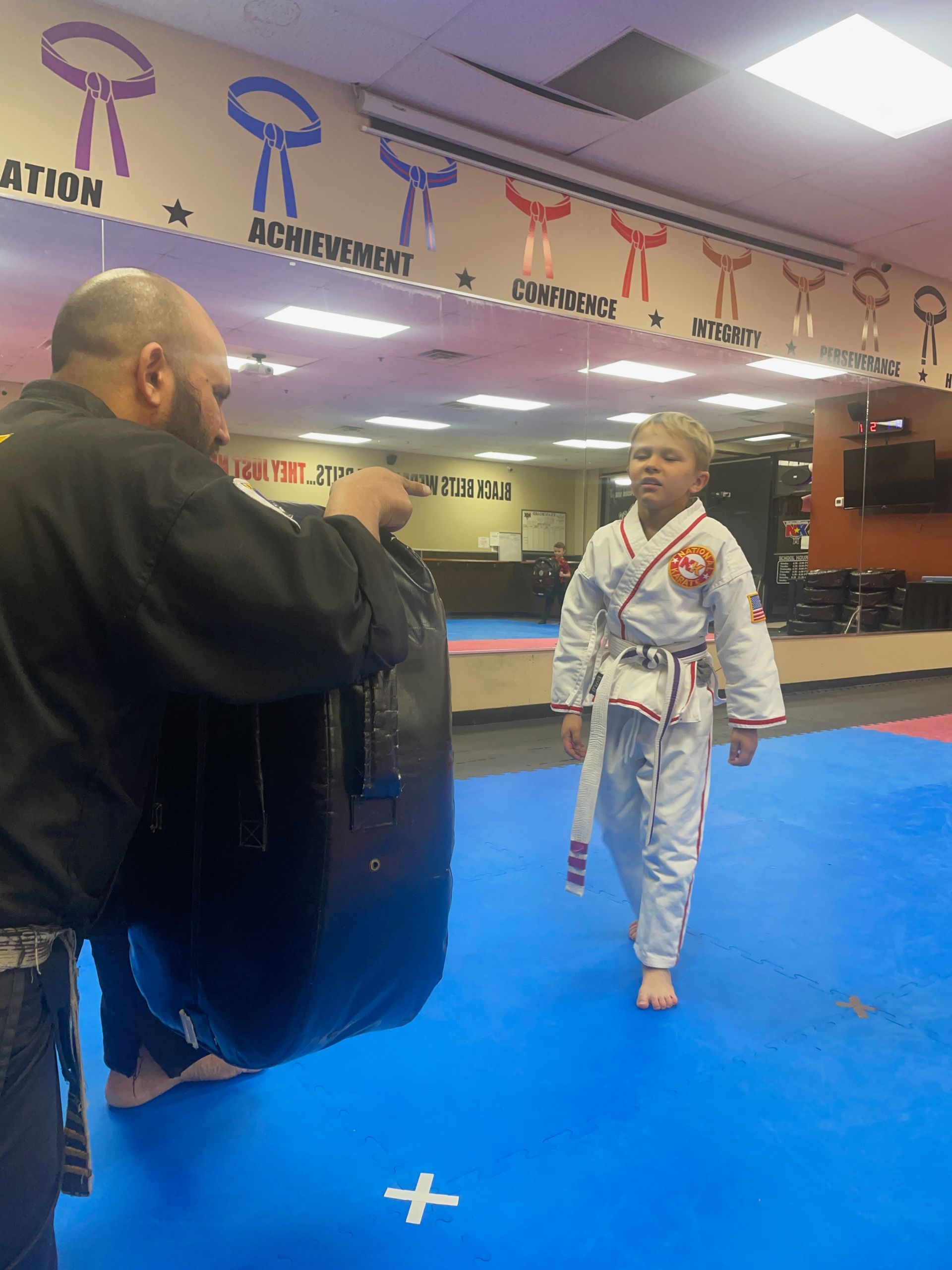
Early Youth Karate training should prioritize basics that keep students safe and successful. We start with posture, balance, and movement before we ask for speed or power. This helps kids avoid bad habits that become hard to fix later.
At this stage, we also coach classroom skills: lining up, listening for cues, responding with focus, and staying aware of space. Those details may sound small, but they are the difference between a class that feels chaotic and a class where kids thrive.
How parents can support the white belt stage
Consistency beats intensity. If your child trains regularly, the improvement comes naturally. You can help by keeping the pre-class routine calm and predictable and by treating practice like brushing teeth: not a huge event, just part of the week.
It also helps to praise effort instead of outcome. When a child hears Good job sticking with that combo even when it felt hard, it teaches persistence. If the only praise is for winning or being the best, many kids get anxious and start playing it safe.
Early color belts: turning basics into skills your child can use
Once the beginner nerves fade, kids are ready to layer complexity. This is where Youth Karate in New Berlin starts to look and feel like martial arts, but it still rests on fundamentals. We increase coordination demands and add combinations that require timing and control.
Kids also start learning how to manage mistakes in real time. If they forget a step, we coach them to reset quickly and rejoin the group. That is a life skill, not just a karate skill.
This stage is also where many students begin to set personal goals. Some want to earn the next belt by a certain month. Some want to feel more confident speaking in front of class at school. We like both types of goals because they keep training meaningful.
The role of belt tests: progress with accountability
Belt testing should never feel like a surprise. It should feel like the natural next step after a period of focused practice. When tests are used well, they teach preparation, patience, and pride in doing things the right way.
Across youth martial arts programs, progressive milestones are one of the strongest drivers of confidence and long-term retention. Kids like to see that their effort leads somewhere concrete. We agree, and we also keep expectations age-appropriate, because a seven-year-old and a twelve-year-old process pressure differently.
Here is how we frame testing in a healthy way:
- Skills first, belt second
- Preparation over cramming
- Clear feedback so your child knows what to improve
- Respect for effort, even if something is not perfect yet
Safety and structure: how we keep training positive and controlled
Parents should never have to guess whether a class is safe. Youth Karate should be physically challenging, but it must be coached with structure and supervision. That includes spacing, clear rules for contact, and drills that match a child’s maturity and skill level.
We also pay attention to energy management. Kids arrive with different kinds of days in their bodies. Some are bouncing off the walls, others are quiet and overwhelmed. Our job is to meet them where they are and guide them into focused training, without shaming them for being human.
In addition, we emphasize respect as a safety skill. When kids learn to follow directions, keep their hands to themselves unless instructed, and stop immediately on command, the entire room becomes safer and more enjoyable.
Sparring, confidence, and control: when contact makes sense
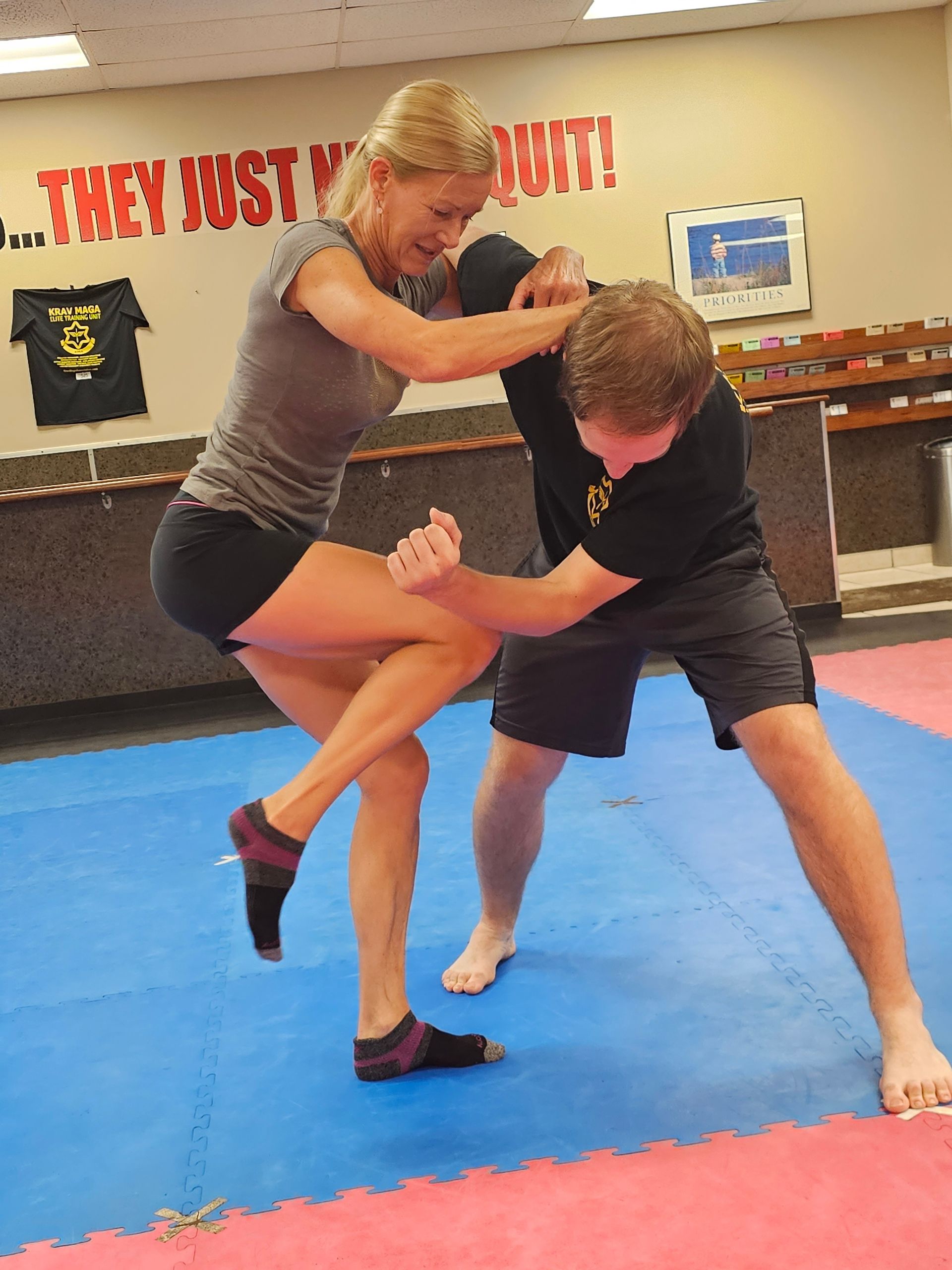
Sparring is often misunderstood. For youth students, sparring should be about timing, distance, and self-control, not about winning. When introduced gradually, controlled sparring can be one of the best tools for building calm confidence under pressure.
We do not throw new students into advanced contact. Instead, we build up in steps: stance, movement, guard, basic counters, and controlled exchanges. The goal is for your child to learn how to stay composed and make decisions while moving.
Parents often notice something interesting after a few months of this kind of practice: kids become less reactive. They pause before responding to conflict. They think. That is a quiet win that matters.
Motivation dips: what to do when your child hits a plateau
Almost every student hits a phase where progress feels slower. That is normal. The trick is recognizing that plateaus are usually where deeper learning happens, because the easy gains are gone and refinement begins.
If your child is in a slump, we recommend a simple reset:
1. Reconnect to a small goal for the next two weeks, like improving a stance or remembering a sequence cleanly.
2. Track attendance and sleep, because tired kids struggle more than you might think.
3. Celebrate consistency, not just belt promotions.
4. Talk with us so we can adjust challenges and keep training appropriately paced.
In Youth Karate, long-term growth depends on staying engaged during the boring parts. We say that with kindness, because yes, some weeks feel boring. That is where discipline is built.
Inclusivity and confidence for every kid
One of the strongest trends in martial arts right now is increasing participation across genders, including rising interest among girls in karate and related styles. We welcome that shift wholeheartedly. Youth Martial Arts in New Berlin should feel like a place where every child can train seriously, be respected, and build real competence.
Confidence also looks different depending on the child. Some kids gain confidence by speaking up. Others gain it by finally not feeling nervous walking into a new room. We coach both. We want your child to feel capable in their own way.
The black belt idea: what it means for kids, realistically
Black belt is a powerful symbol, but for youth students it should represent a level of maturity, not just the ability to perform techniques. A black belt path teaches delayed gratification: you work for something you cannot get quickly.
That matters in a world where so much is instant. Martial arts asks your child to practice, repeat, refine, and keep showing up. And yes, there are days when kids would rather be anywhere else. When they push through and still train, they learn something lasting about themselves.
We also keep the black belt journey healthy by emphasizing readiness. Belt rank should match ability, focus, and attitude. When those align, the achievement feels real, and your child knows it.
Choosing a schedule that works in real family life
The best program is the one your family can sustain. If the schedule is too aggressive, kids burn out. If it is too random, progress stalls. We encourage families to pick a realistic training rhythm and treat it like a standing appointment.
When you look at the class schedule, pay attention to what fits your child’s school load and your household routines. Kids do better when training is not constantly competing with bedtime, homework, and meals. A little planning goes a long way.
Take the Next Step with Wisconsin National Karate Kickboxing & Krav Maga
If you want a clear, supportive Youth Karate path that still holds students to meaningful standards, we built our New Berlin programs to guide your child from white belt basics to long-term black belt growth without losing the joy of training. At Wisconsin National Karate Kickboxing & Krav Maga, we keep the journey structured, age-appropriate, and focused on confidence that shows up outside the dojo, too.
When you are ready, we would love to help you map out the right starting point and the right pace, using the program details and class schedule on the website so you can make a decision that feels practical for your family.
Support your child’s personal development on and off the mat with Karate classes at Wisconsin National Karate.