5 Steps to Choosing the Best Youth Karate Program in New Berlin
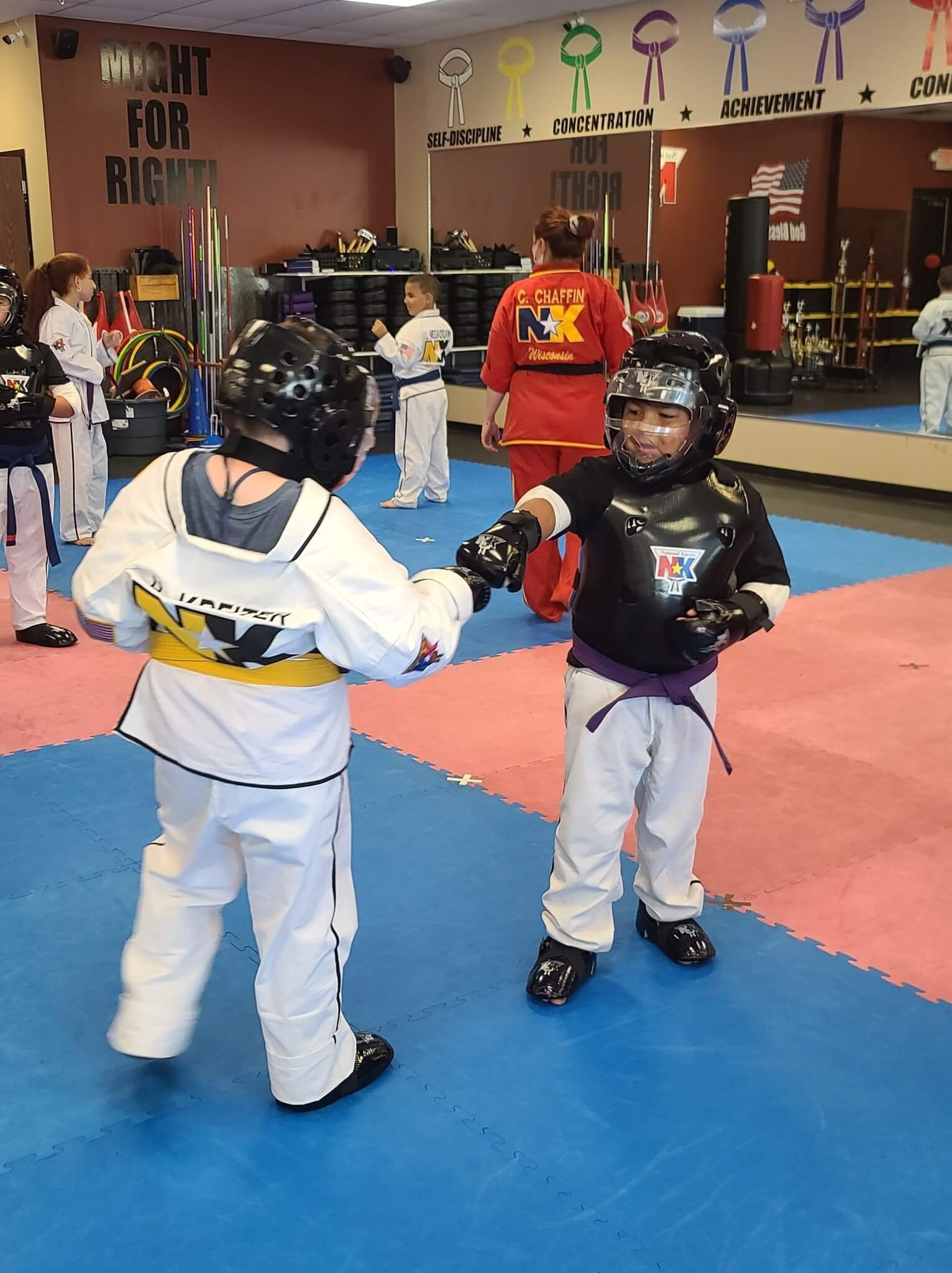
The right Youth Karate program should build confidence, focus, and skills you can actually see at home and at school.
Choosing a Youth Karate program can feel oddly high-stakes, even if you start out thinking you are just looking for a fun activity. You want your child to be active, make friends, and learn real skills, but you also want the experience to be positive and well-structured. Around New Berlin, the details matter because your schedule is busy, winters are long, and consistency is everything.
In our Youth Karate in New Berlin classes, we see the same questions come up again and again: Will my child feel comfortable? How do we know if progress is real? What if attention span is an issue? Our job is to make those answers clear, not confusing.
Below are five practical steps we recommend using before you enroll, so you can feel confident that Youth Karate is the right fit for your child and your family.
Step 1: Get clear on what you want Youth Karate to do for your child
Before you look at schedules or uniforms, start with outcomes. Youth Karate can be many things at once: a confidence builder, a focus booster, an energy outlet, and a place to practice respectful behavior with peers and adults. When you know what matters most to your family, it becomes much easier to recognize a program that matches your goals.
Match the program to your child’s real personality
Kids are not one-size-fits-all. Some walk in chatting a mile a minute. Some hang back and watch first. Some have athletic experience, and some are still figuring out balance and coordination. A strong Youth Karate program accounts for those differences through consistent structure and patient coaching.
Here are a few common goals families tell us about, and how they show up in training:
- Better focus and listening skills through repeated drills, clear rules, and routines
- Improved balance and coordination through stances, footwork, and age-appropriate kicking mechanics
- Confidence through small wins, like remembering a form or earning a new belt
- Discipline through learning how to try again without melting down when something feels hard
- Social skills through partner work, taking turns, and learning respectful communication
If you are mainly hoping for a safe indoor activity that stays consistent year-round, that is a valid goal too. In Wisconsin, that practical piece matters.
Step 2: Look for a curriculum with visible structure and real progression
A lot of parents have a good instinct here: if it feels random, it probably is. In Youth Martial Arts in New Berlin, the best experiences tend to come from programs that follow a clear curriculum with measurable milestones. That does not mean everything is rigid or overly serious. It means your child is not guessing what comes next.
What “clear progression” should look like in practice
When a curriculum is built well, your child can explain what they are learning. You can also see it in the way classes run: warm-ups have a purpose, skills build week to week, and students know what they are working toward.
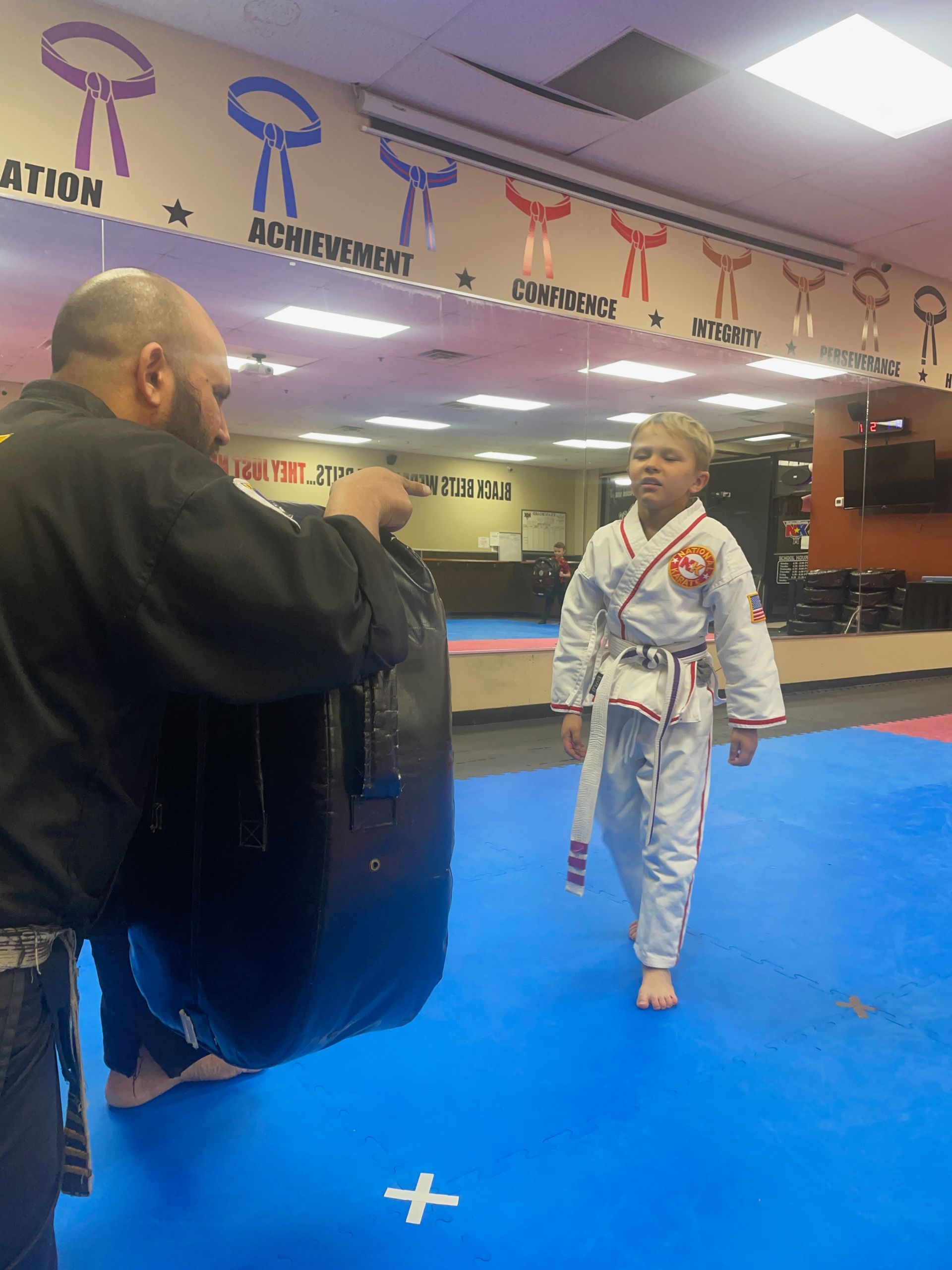
In our Youth Karate program, we use a belt system as a simple, motivating roadmap from beginner to advanced levels. It gives kids short-term goals they can understand, while also reinforcing long-term commitment. For many children, earning a belt is not about being “the best.” It is about staying consistent long enough to prove to themselves that they can improve.
Ask how fundamentals are taught
Even if your child is excited about high kicks and board breaking someday, the foundation is where quality shows up. Fundamentals in Youth Karate include stance, balance, coordination, basic strikes, and respectful behavior. If the basics are skipped, kids often plateau or get frustrated later.
A good curriculum also accounts for different learning speeds. Some kids need more repetition. Some need a slightly bigger challenge to stay engaged. The structure should allow both without labeling anyone as “behind.”
Step 3: Make sure the training environment fits New Berlin life and your weekly rhythm
This step is practical, but it is also where many families either thrive or quietly drop off after a month. Consistency is what creates progress in Youth Karate, and consistency depends on logistics.
Year-round indoor training matters more than you think
In New Berlin, outdoor activities can get disrupted for months at a time. A reliable indoor program keeps your child moving even when it is dark early, cold, or snowing sideways. More importantly, it keeps habits steady. Kids learn best when training is not constantly starting and stopping.
We run year-round indoor classes because we want students to keep building skills without long seasonal gaps. That steady rhythm supports confidence and discipline in a way that occasional participation just cannot match.
Check whether the class schedule matches real family schedules
When you are choosing Youth Karate in New Berlin, look at class times and think honestly about your week. If your child has homework, school activities, and family commitments, you need options that do not create a weekly scramble.
We recommend picking a schedule that allows you to attend consistently, even during busy seasons. Two classes a week, done reliably, usually beats an ambitious plan that collapses by week three.
Step 4: Prioritize safety systems and progress tracking, not just “tough training”
Kids can learn strong martial arts skills without feeling overwhelmed. In fact, the best Youth Karate training environments are usually the ones where students feel safe enough to try hard. Safety is not only about preventing injuries, it is also about emotional safety: knowing expectations, understanding boundaries, and being treated with respect.
What safety should include in Youth Karate
Our approach to Youth Martial Arts in New Berlin includes:
- Age-appropriate drills that scale intensity based on skill and maturity
- Clear rules for partner work, including controlled contact and respectful behavior
- Coaches who actively manage the room instead of letting chaos creep in
- Techniques practiced step-by-step so kids build confidence before speed
- Consistent warm-ups and movement prep so bodies are ready to train
You should also be able to see progress beyond “my child is tired after class.” Progress tracking can be as simple as skill checklists tied to belt levels, or instructor feedback that tells you what your child is improving and what needs work.
Why belt testing can be a healthy motivator
Belt testing, done well, gives kids a chance to practice working toward a goal and performing under a little pressure. That is a life skill, not just a karate thing. The key is that the pressure should be appropriate: encouraging, structured, and focused on effort and readiness, not perfection.
We also know kids have off days. A strong program does not shame a child for being nervous. It teaches the child how to breathe, reset, and try again.
Step 5: Take a trial class and pay attention to “fit” in the first 10 minutes
You can learn a lot quickly by stepping into the space and watching how the class feels. A trial class is not about judging your child’s athletic ability. It is about seeing whether the program communicates clearly, keeps kids engaged, and creates a respectful atmosphere.
What to watch for during a trial Youth Karate class
When you visit, notice a few practical signals:
1. Do instructors give clear, calm directions that kids can follow?
2. Do students look engaged, or are many drifting and unsure?
3. Do beginners get support without being singled out?
4. Does the class balance fun with structure, instead of leaning too far into either one?
5. Do you see small moments of leadership, like kids helping each other line up or remember steps?
We like to remind parents that a little nervousness is normal. Some kids warm up instantly. Others need a couple of classes to settle in. If the environment is steady and welcoming, most children find their footing faster than you expect.
How Youth Karate supports school and social growth
Families often tell us the biggest benefits show up outside the dojo. With consistent practice, many kids improve their ability to listen, follow multi-step directions, and stay calmer when frustrated. Youth Karate also gives children a structured place to practice social skills: greeting others, taking turns, working with partners, and handling small mistakes without spiraling.
That whole-child benefit is one reason participation in youth martial arts has been rising nationally. Parents are looking for programs that build more than fitness, and kids need year-round outlets that feel positive and purposeful.
Common questions we hear from New Berlin parents
What age is best to start?
Many children can start around age 4, as long as the class is designed for their developmental stage. At that age, the focus should be on fun structure: basic coordination, listening, and simple techniques taught with lots of repetition and encouragement.
Will Youth Karate help an active child who has a hard time focusing?
Often, yes, because the class gives movement a job to do. Kids learn to switch between high energy drills and stillness, like lining up and listening. That skill of shifting gears is a big part of focus.
Does my child need to be “athletic” to join?
No. Youth Karate is one of the few activities where beginners are expected. We build fundamentals gradually so kids improve from wherever they start, whether that is already sporty or still developing coordination.
How do we know if progress is real?
You should see progress in skills and in behavior: better balance, stronger technique, improved attention, and more confidence speaking up. Belt progression is also a straightforward way to track development over time.
Take the Next Step
If you want a clear, practical way to choose the right Youth Karate program, these five steps will keep you grounded: focus on your child’s needs, confirm structured progression, make sure the schedule fits real life in New Berlin, look for safety and progress tracking, and take a trial class to confirm the overall feel.
When you are ready, we would love to help you get started at Wisconsin National Karate Kickboxing & Krav Maga. Our Youth Karate in New Berlin program is built for steady growth, year-round consistency, and the kind of confidence that follows kids into school, sports, and everyday life.
Turn these techniques into real-world skills by enrolling in a martial arts program at Wisconsin National Karate.