Breaking Bad Habits: How Karate Cultivates Positive Change in New Berlin
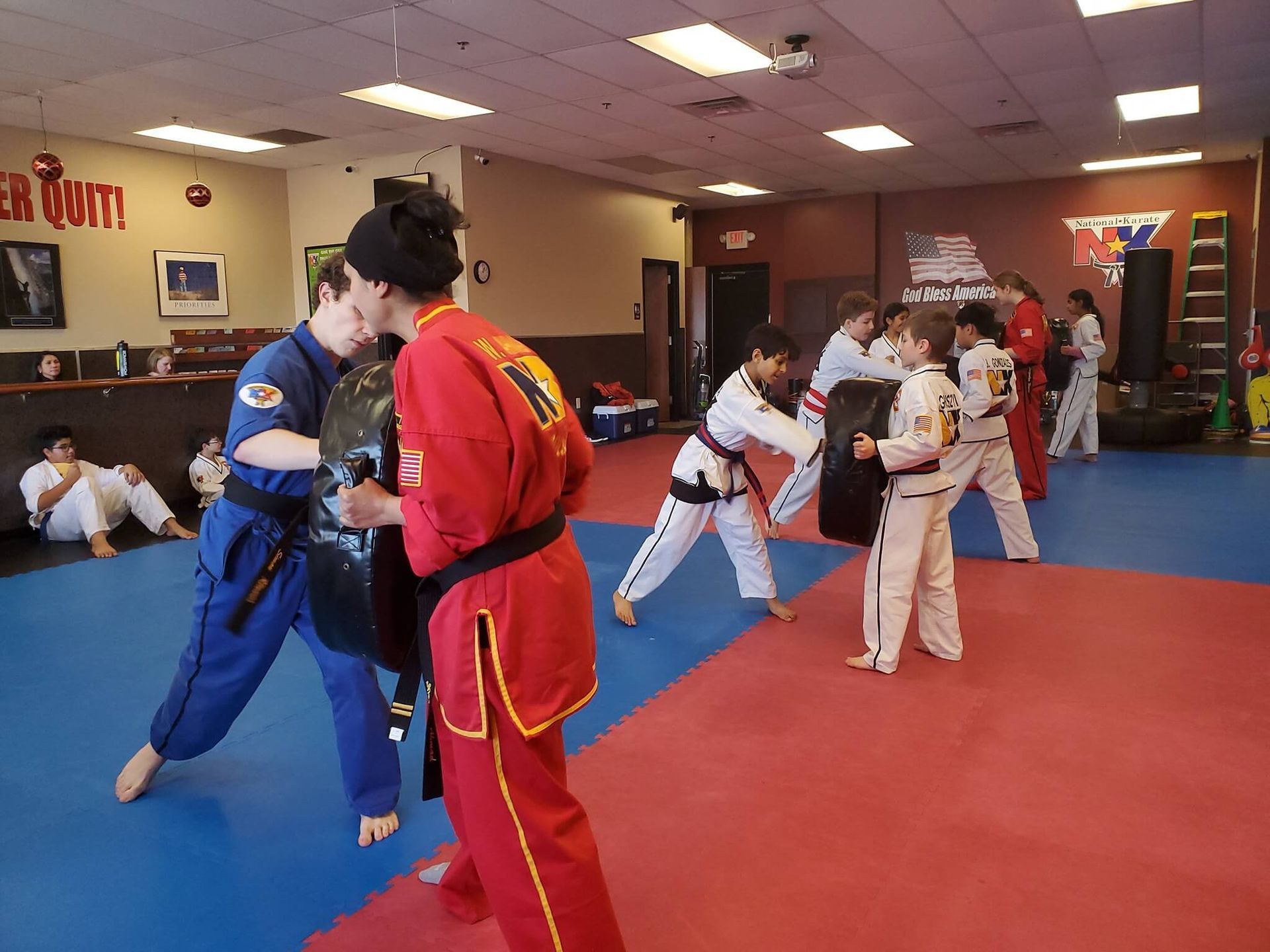
Karate gives you a repeatable, feel-it-in-your-body way to trade old patterns for better ones.
Bad habits rarely disappear because someone tells you to “try harder.” They fade when your day gets structured differently, your attention gets trained, and you start stacking small wins you can actually measure. That is one reason Karate works so well for habit change, especially for kids and teens who feel pulled in ten directions at once.
Here in New Berlin, we meet families dealing with the same modern challenges you see everywhere: rising screen time, scattered focus, irregular sleep, and the kind of attitude that shows up when kids are overstimulated and under-challenged. Our job is to turn those patterns into something healthier using a training system that rewards consistency, respect, and self-control in a very practical way.
Why bad habits stick and why Karate helps you replace them
Habits run on a simple loop: cue, response, reward. The cue might be boredom after school, the response might be scrolling or snapping at a parent, and the reward is quick stimulation or the feeling of “getting your way.” The tricky part is that the brain likes efficient routines, even when the routine is not helping you.
Karate changes the loop by giving you a different response that still produces a real reward. Instead of chasing fast stimulation, you practice controlled movement, steady breathing, and clear goals that build progress over time. It sounds simple, but repetition with feedback is powerful.
Recent trends back this up. Nationwide, youth martial arts participation has climbed after 2024, with many areas reporting a 15 to 20 percent increase in enrollment as parents look for discipline-building activities that counterbalance screen-heavy schedules. At the same time, youth mental health concerns have become more visible, and ADHD rates have been reported as rising in recent years. In our classes, we respond with something refreshingly concrete: clear expectations, consistent routines, and a community that notices effort.
The discipline piece: structure beats willpower
Willpower is unreliable at 4:30 PM on a Tuesday. Structure is what carries you. In Karate, structure is baked into everything: how you line up, how you bow in, how you listen, and how you practice.
When you walk into class, the environment itself becomes a cue. Your shoes come off, your mind shifts, and you know what is expected. That repeated experience is one way students start breaking habits like interrupting, ignoring directions, or quitting when something feels difficult.
We also keep training progressive. You are not thrown into advanced skills on day one. You learn fundamentals, then build. That matters for habit change because progress has to feel achievable or it does not stick.
Karate and the brain: repetition, dopamine, and calmer focus
One reason habits can feel stubborn is that the brain is chasing dopamine, the “reward” chemical tied to motivation and learning. Quick-hit habits like constant phone checking can train your brain to expect frequent rewards. Karate retrains that expectation by rewarding effort and improvement, not instant gratification.
Repetitive drills, forms, and combinations create a predictable practice rhythm. Over time, students learn to tolerate discomfort, stay engaged longer, and take pride in doing something well, even when nobody is handing out instant rewards. Research and expert commentary in sports psychology have linked skill repetition to improved self-regulation, and many practitioners report meaningful changes within about six months when training consistently.
On a practical level, we see it as “calm focus.” Students get better at listening, finishing tasks, and keeping emotions from running the show. That is not magic. It is trained.
Common bad habits we see in New Berlin and how training addresses them
New Berlin is family-focused, and a large portion of households include kids and teens. That is a good thing, but it also means many families are actively searching for structured after-school routines that do more than just fill time.
Here are patterns we hear about often, and how training helps:
• Poor focus and starting tasks but not finishing them: Drills require attention to detail, and forms teach follow-through from beginning to end.
• Disrespectful tone or arguing: Respect is practiced, not lectured, through consistent etiquette and accountability.
• Giving up quickly: Belt progression and skill goals build patience, especially when students learn that effort is noticed.
• Sedentary routines: Training is physical, but it is also engaging, so students move because they want to improve.
• Impulse control issues: Controlled techniques and partner work teach “stop on command,” which transfers surprisingly well to everyday situations.
This is where Karate becomes more than a sport. It becomes a daily-life skill set.
Youth Karate in New Berlin: what your child actually learns week to week
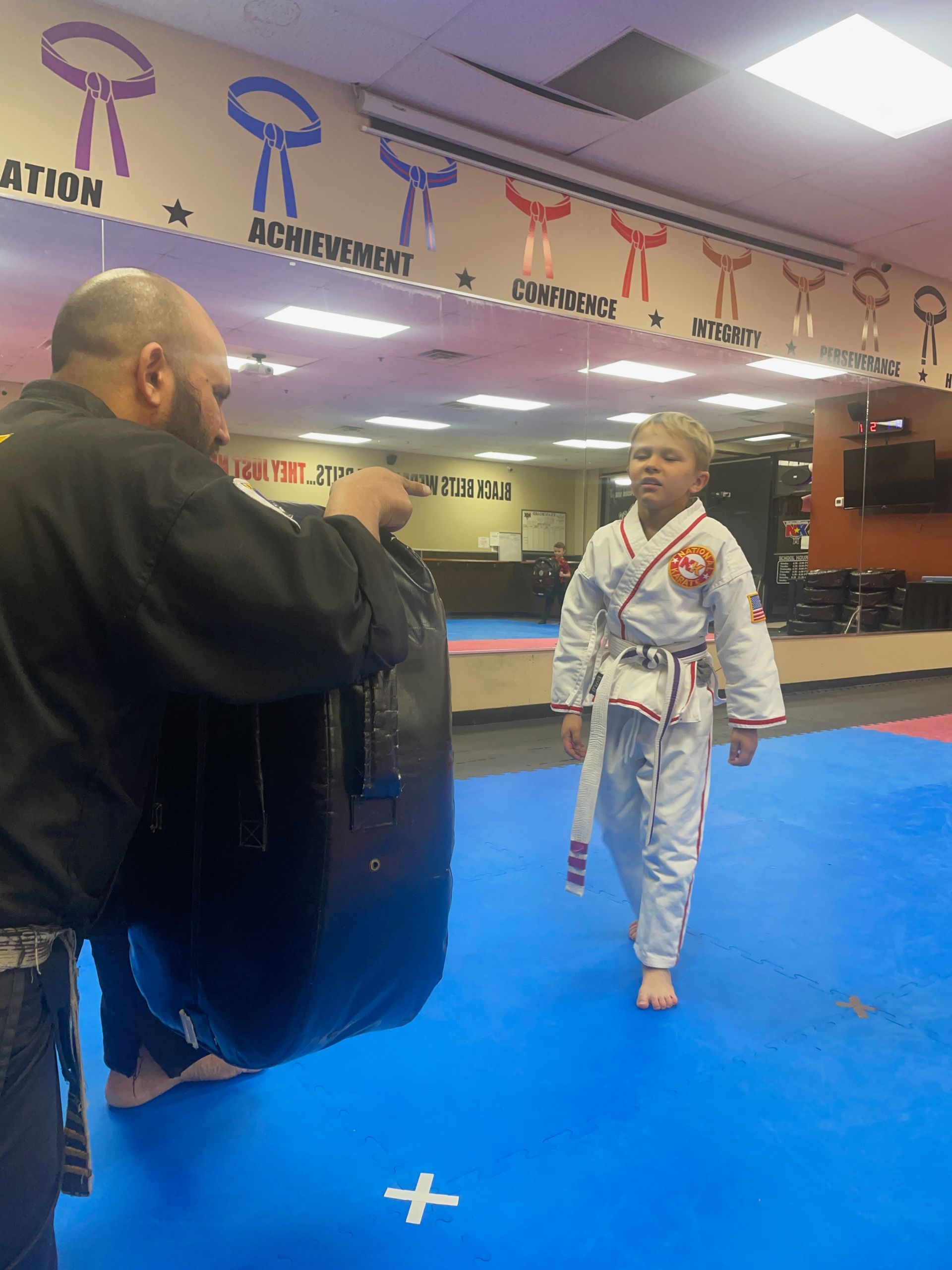
When families ask about Youth Karate in New Berlin, the real question is usually, “What will my child be practicing, and will it help at home and school?” We keep the answer practical.
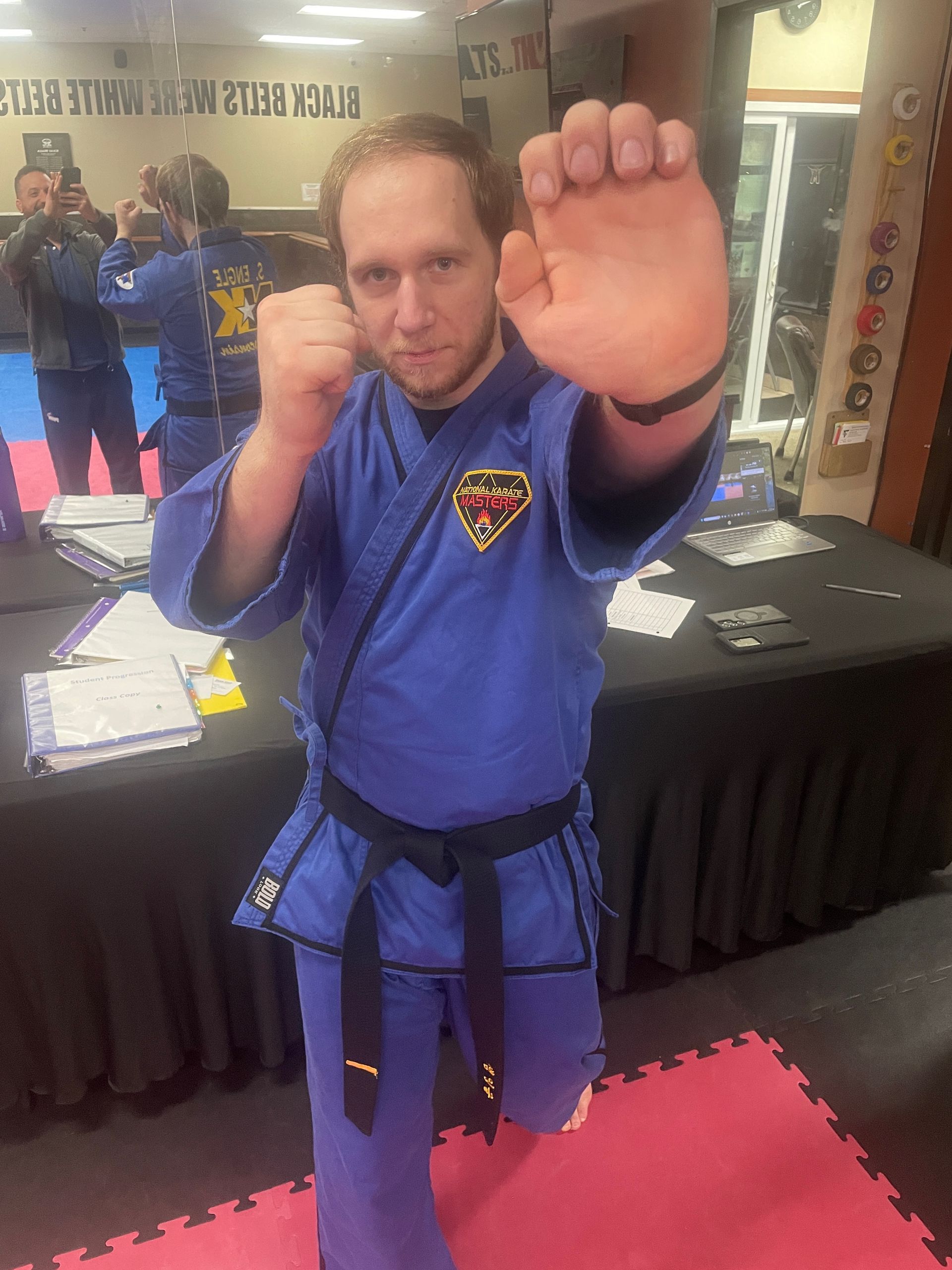
Your child learns how to stand, move, and strike with control, but just as important, how to listen under pressure and keep trying after a mistake. That mix builds confidence without turning into cockiness.
Life skills we coach alongside technique
We do not separate character from training because it is all connected. A student who learns to control a kick can learn to control a reaction, too. In our youth programs, you can expect consistent attention to:
• Respectful communication with instructors, parents, and training partners
• Following directions the first time, even when distracted
• Goal setting through rank progression and skill benchmarks
• Positive peer interaction that builds camaraderie instead of competition
• Basic self-defense concepts taught in an age-appropriate, safety-first way
Families often tell us they notice better behavior and improved focus after a few weeks. The shift is usually small at first, then it stacks up.
Youth Martial Arts in New Berlin: why the room matters as much as the curriculum
Youth Martial Arts in New Berlin is not only about what is taught. It is about the environment where it is taught. Kids pay attention to what adults tolerate, what peers celebrate, and whether effort is taken seriously.
Our classes are structured, but not cold. Students are encouraged, corrected, and challenged. That balance matters for habit change because it builds accountability without shame. If a student is having an off day, we do not write them off. We guide them back to the standard.
We also see how much consistency helps families. When class is part of the weekly rhythm, kids come to expect that they will move, learn, and be coached. That expectation alone can reduce the tug-of-war at home.
A simple habit-replacement framework you can use with Karate at home
You do not need to turn your living room into a dojo. But you can absolutely use Karate to replace a bad habit with a better one, especially if you keep it short and repeatable.
Here is a practical way we recommend doing it:
1. Pick one “problem time” each day, like after school or right before bed.
2. Choose a 10-minute Karate routine as the replacement habit (basic stances, footwork, or a beginner form).
3. Keep the cue consistent, like “snack first, then practice,” so the brain links the sequence.
4. Make the reward immediate and healthy, like marking a calendar, earning extra reading time, or simply hearing “good job finishing.”
5. Track it for two weeks, then adjust the routine slightly to keep it engaging.
This approach works because it does not rely on motivation. It relies on a system, and systems are what make habits stick.
What adults get from Karate when the goal is breaking a pattern
Habit change is not just a youth issue. Adults come to Karate for plenty of reasons: stress, fitness, confidence, and the desire to stop feeling stuck in routines that are not working.
If your bad habit is inconsistent exercise, training gives you a clear schedule and a community that expects you to show up. If your bad habit is stress eating or doom-scrolling, training gives you a physical outlet that resets your mind in a more productive way. And if your bad habit is self-doubt, progress in class becomes proof that you can improve with practice.
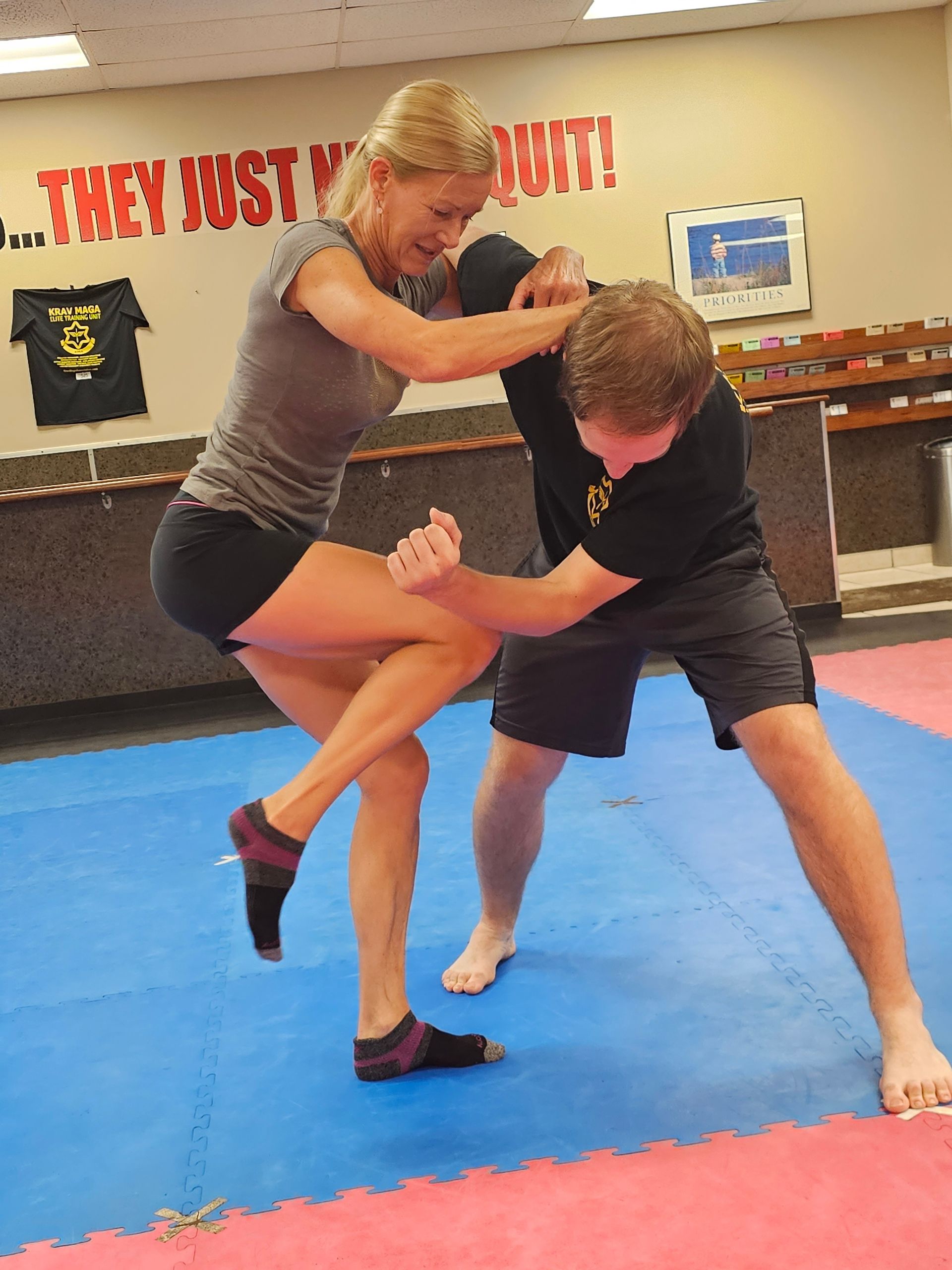
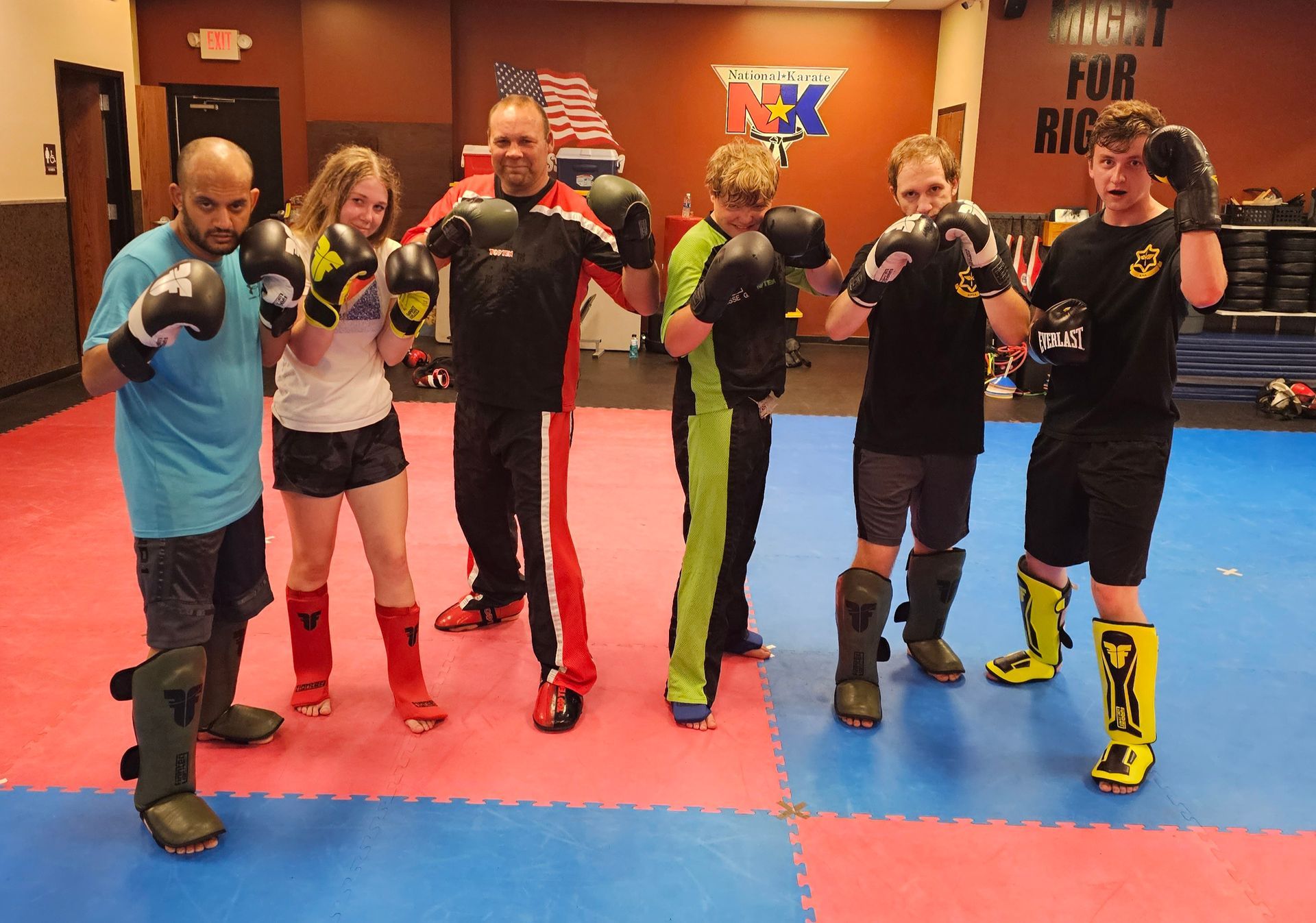
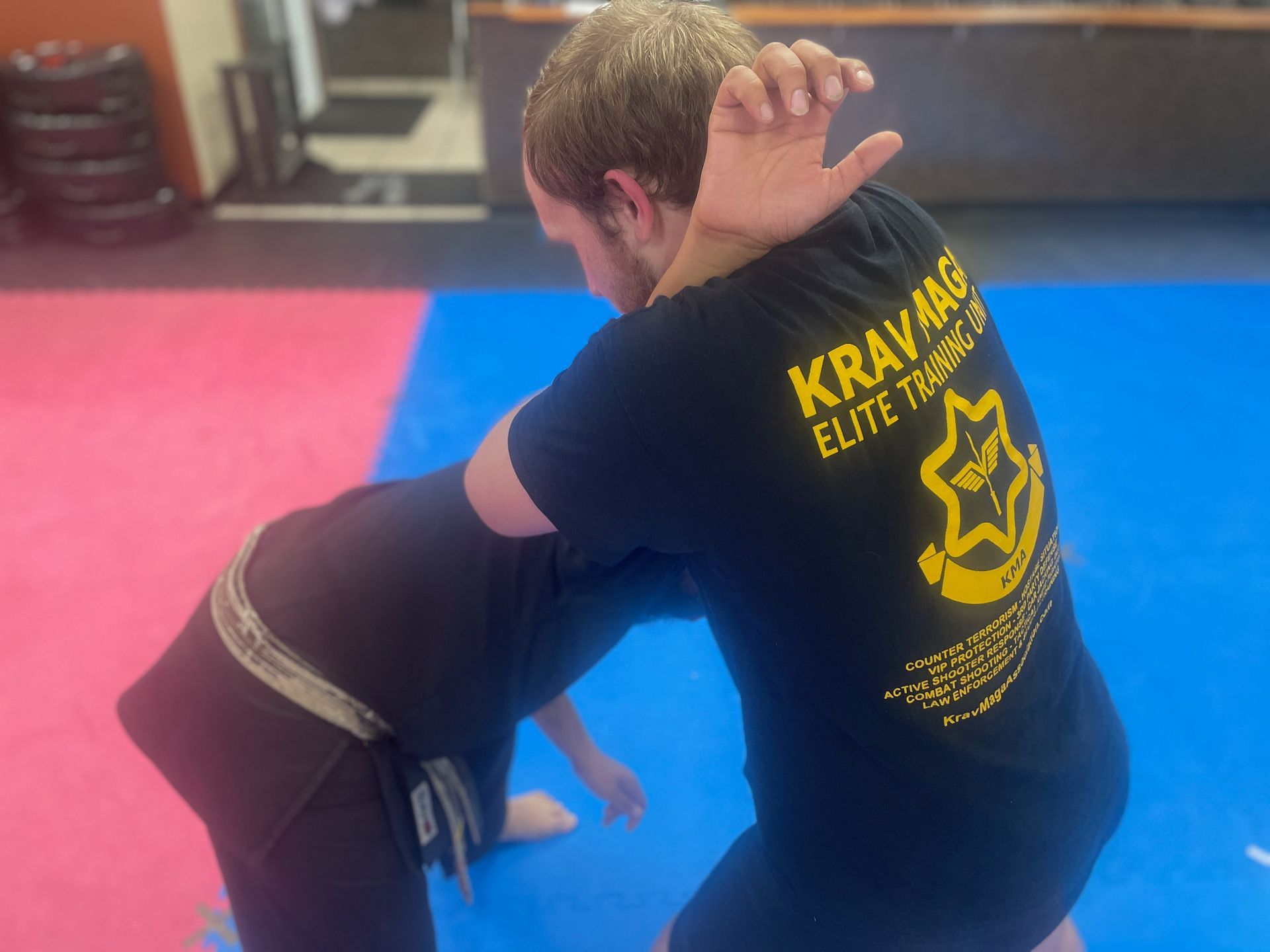
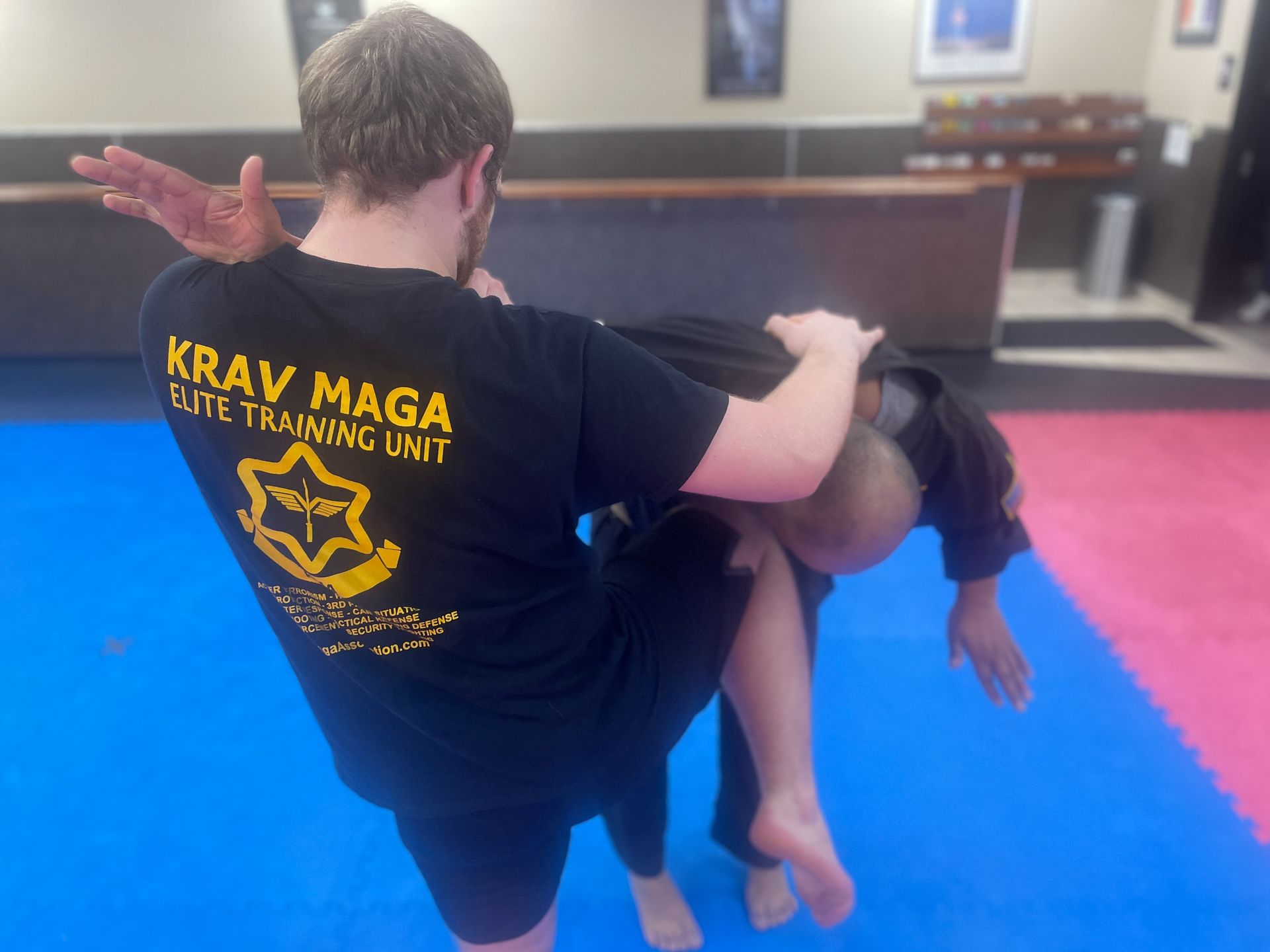
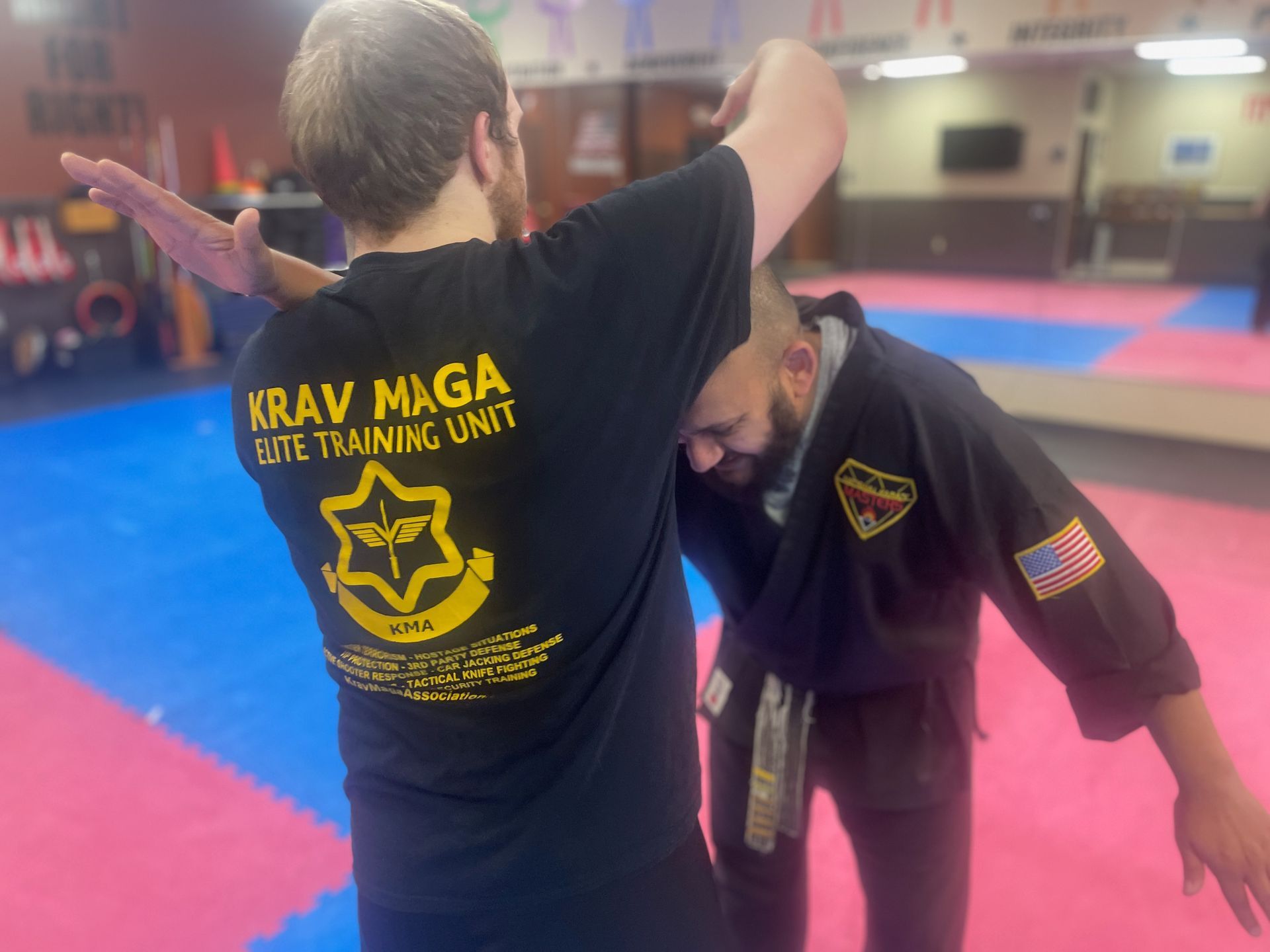
We also offer kickboxing and Krav Maga programs, and many adults like pairing striking fitness with practical self-defense concepts. The point is not to be perfect. The point is to build a pattern you can repeat.
How fast can you expect to see changes?
Some changes show up quickly: posture improves, energy increases, and students start using more respectful language because it is reinforced in every class. Deeper habit change takes longer, usually because life is busy and consistency is the real driver.
From what we see, many students and parents notice meaningful shifts within weeks, and the more lasting “this is who I am now” changes tend to settle in around the six-month mark when training has become routine. That timeline matches what many practitioners report in broader martial arts habit-change research, too.
The key is showing up even when you do not feel like it. That is the habit underneath every other habit.
Practical details families ask about: age, schedules, and starting simple
Families often ask when kids can start. Our youth programs typically work well for ages 4 and up, with classes designed to match attention span and coordination. Beginners are welcome, and we keep the learning curve friendly.
For scheduling, we generally offer evening classes during the week and Saturday morning options. The easiest way to find a time that fits your household is to check the class schedule page on the website. We also offer a free trial experience so you can see how the class feels before making a commitment.
If you are wondering about cost, the right answer depends on how often you want to train and which program fits your goals. We keep membership options straightforward and will talk you through what makes sense for your family.
Take the Next Step
Building better habits is not about a single breakthrough. It is about practicing the same small, positive choices until they feel normal, and Karate gives you a place to do that with guidance and structure. When you train consistently, you are not just learning techniques. You are learning how to keep promises to yourself.
At Wisconsin National Karate Kickboxing & Krav Maga, we use clear instruction, traditional respect, and progressive training to help New Berlin students replace unhelpful patterns with confidence, discipline, and real-life skills that show up at home, at school, and at work.
Develop discipline, coordination, and confidence by training in a Karate class at Wisconsin National Karate.