Unlocking Friendship: How Youth Karate Fosters Social Skills in Kids
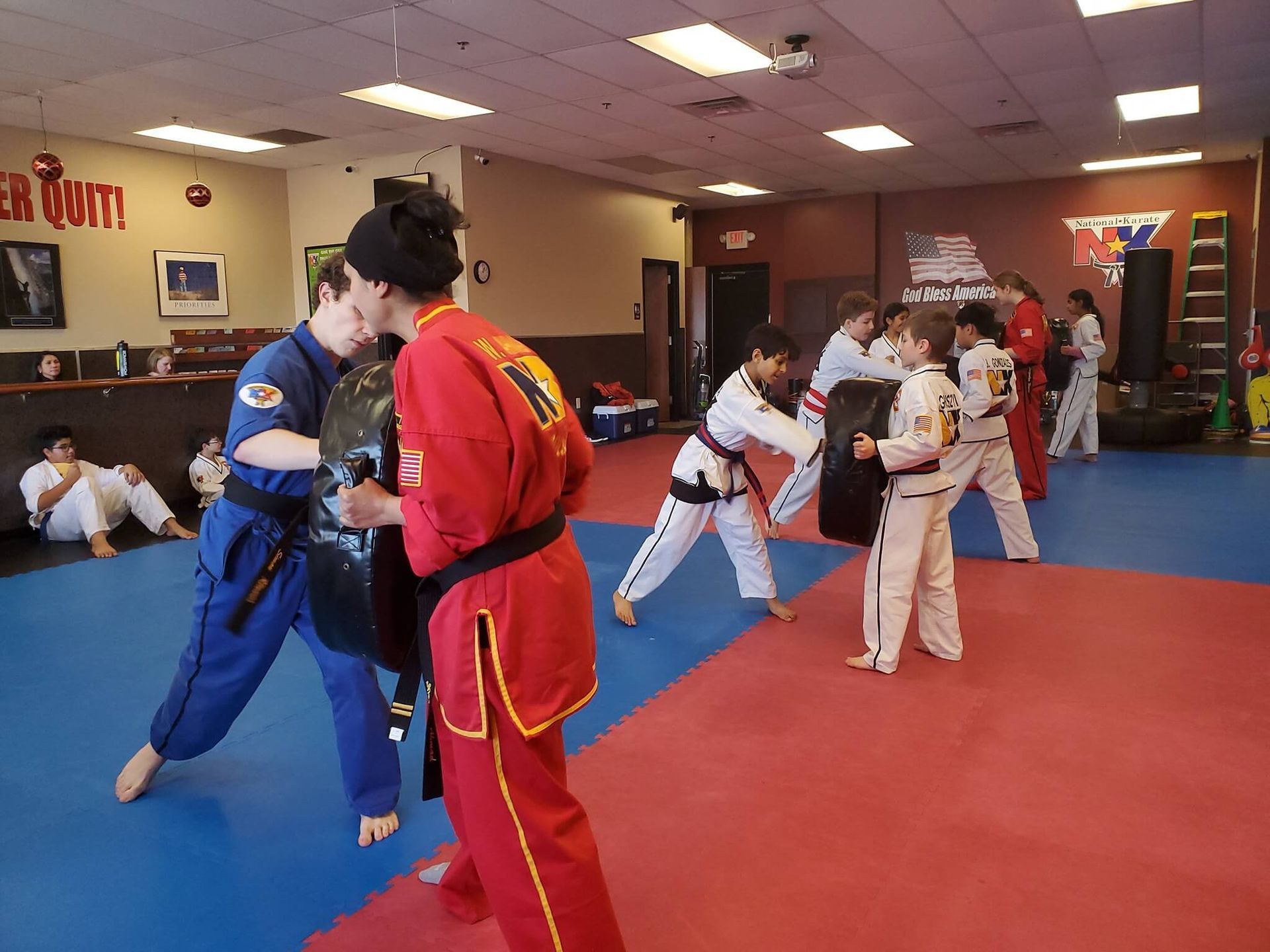
Youth karate can be the place where a quiet kid finally finds a group that feels like home.
If you are searching for Youth Karate in New Berlin, chances are you are thinking about more than kicks and punches. Most parents we meet are really asking a deeper question: How do we help our child feel confident around others, make good friends, and handle group situations without melting down or shutting down?
Youth Karate works because it gives kids a rare mix of structure and belonging. It is physical, yes, but it is also social by design. Every class puts kids near peers, asks them to listen, take turns, speak up, and show respect. Over time, those small moments turn into real social skills that show up at school, at birthday parties, and even at the dinner table.
Research backs this up. A 2024 study on traditional karate for young children reported significant improvements in social behavior, peer interaction, and interpersonal skills compared with kids who did not train. Parents in that study also described shy children becoming more socially active and more confident speaking up. That matches what we aim for in every class: steady progress, supportive partners, and a culture where kids learn to connect.
Why social skills are a big deal right now
Kids are growing up with a lot of screen time, busy schedules, and fewer unstructured chances to practice face-to-face communication. Even when kids are surrounded by others, it does not automatically mean they feel connected. Many kids need coaching in the basics: how to introduce themselves, how to handle losing gracefully, how to read the room, and how to try again after an awkward moment.
Youth Karate gives kids a repeated, low-pressure way to practice those skills.
Karate in New Berlin is also a practical fit for families because it is indoor, consistent, and year-round. In Wisconsin winters, that matters. When it is dark early and outdoor plans fall apart, a structured class can be the difference between cabin-fever chaos and a kid coming home calm, proud, and pleasantly tired.
How Youth Karate turns strangers into training partners and training partners into friends
Friendship is not usually taught directly in school. Karate lets us teach it indirectly, through rituals and routines that make social behavior feel normal.
Respect creates safety, and safety creates connection
The etiquette in karate is not about being formal for no reason. Bowing, lining up, waiting your turn, and thanking a partner are social scripts kids can lean on. For a shy child, scripts are comforting. For a high-energy child, scripts provide boundaries.
When kids know what to do, they relax. When kids relax, they connect.
A 2024 paper on karate in youth education highlights the idea that instructors act as educators shaping attitudes and responsibility. That is exactly the point: the class is not just movement, it is guided behavior practice.
Partner drills teach communication without making it awkward
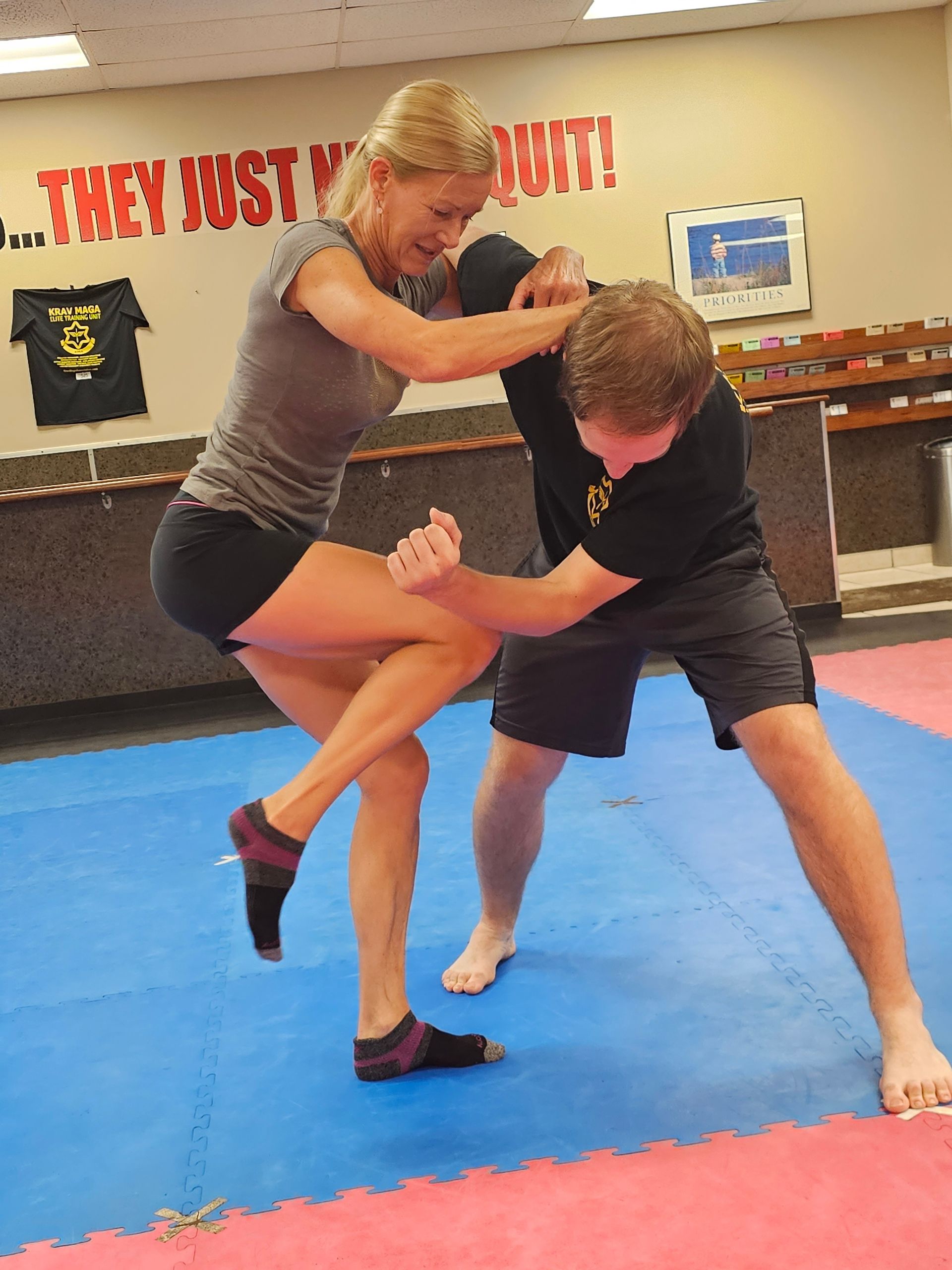
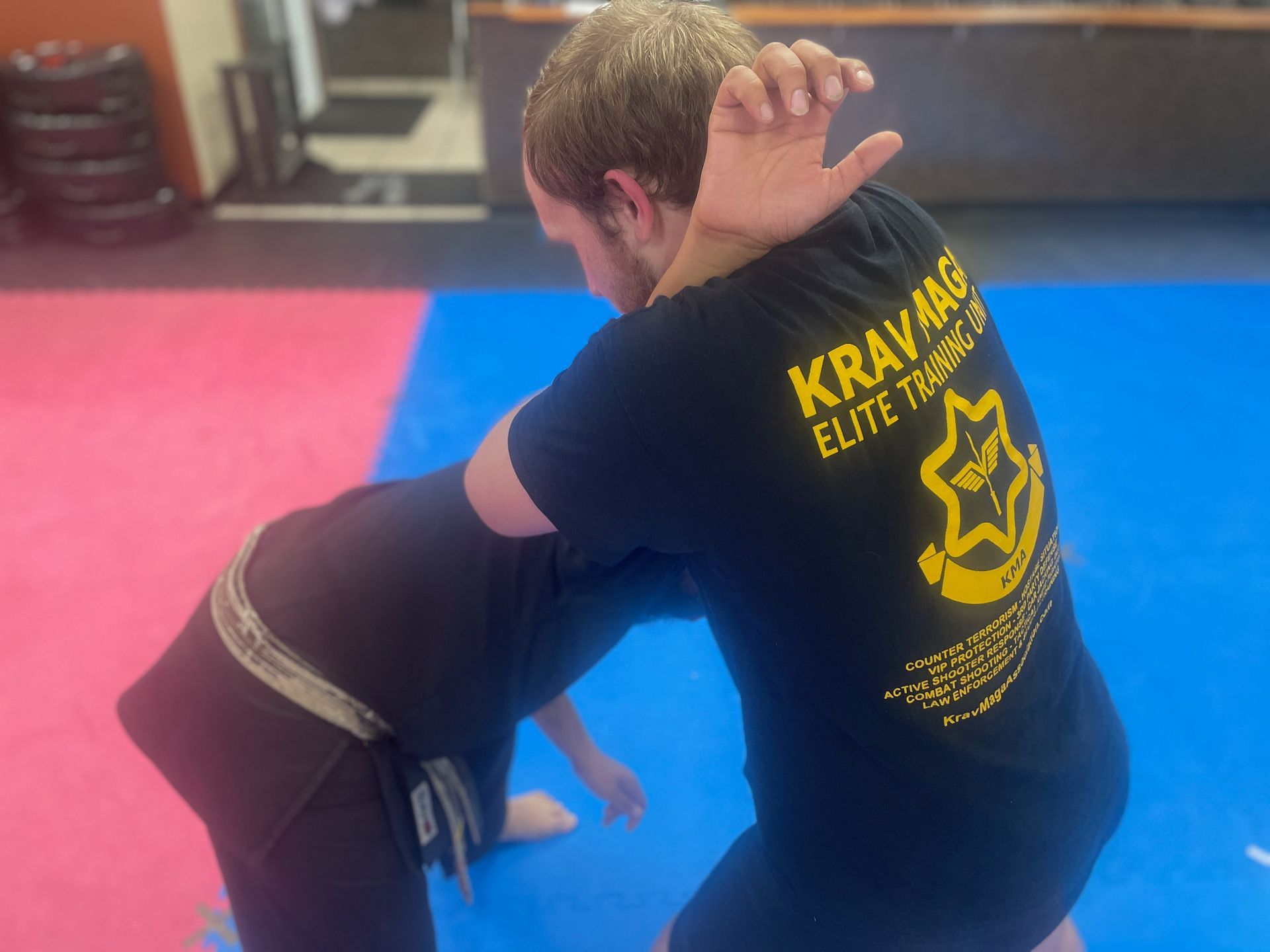
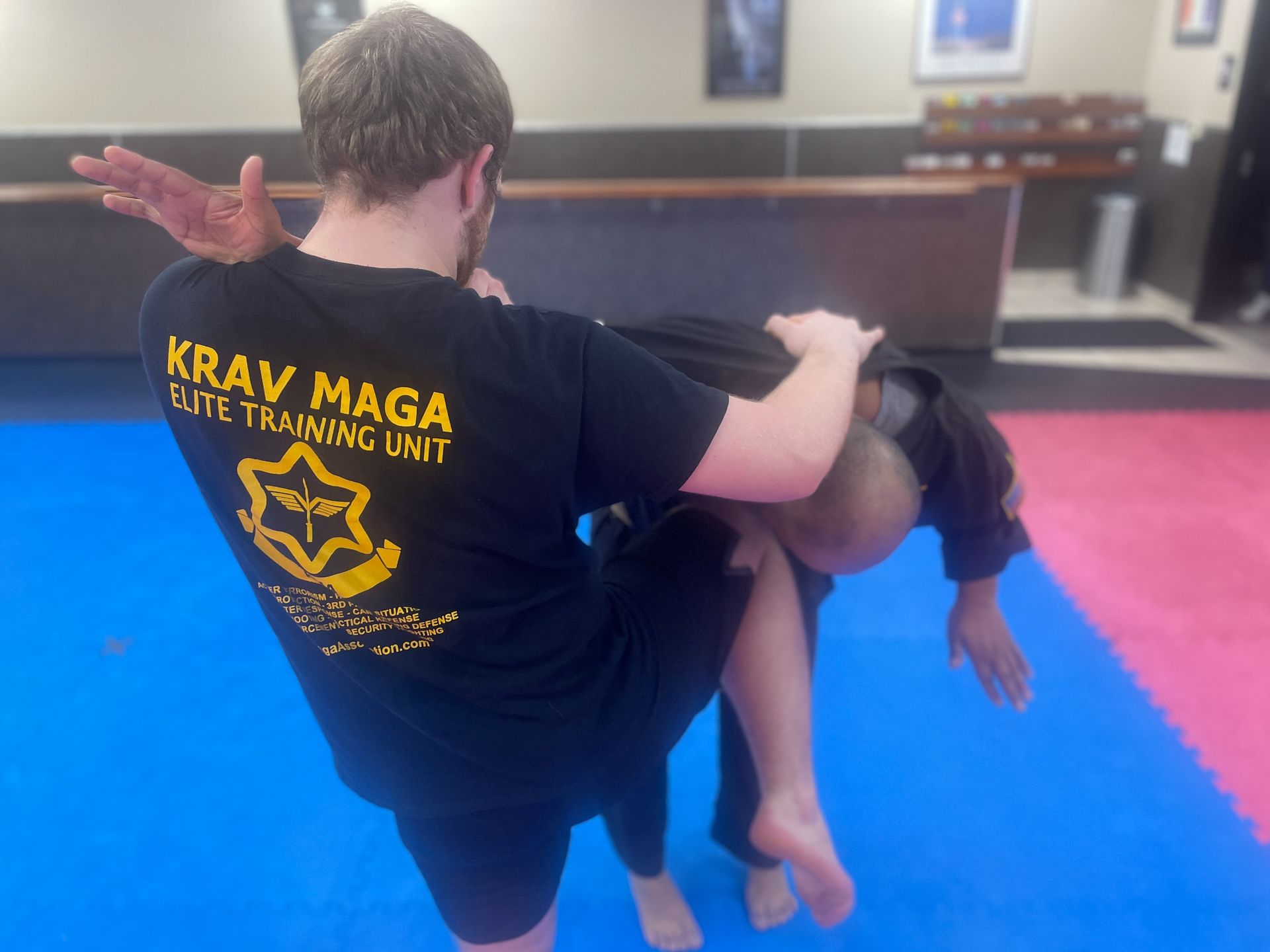
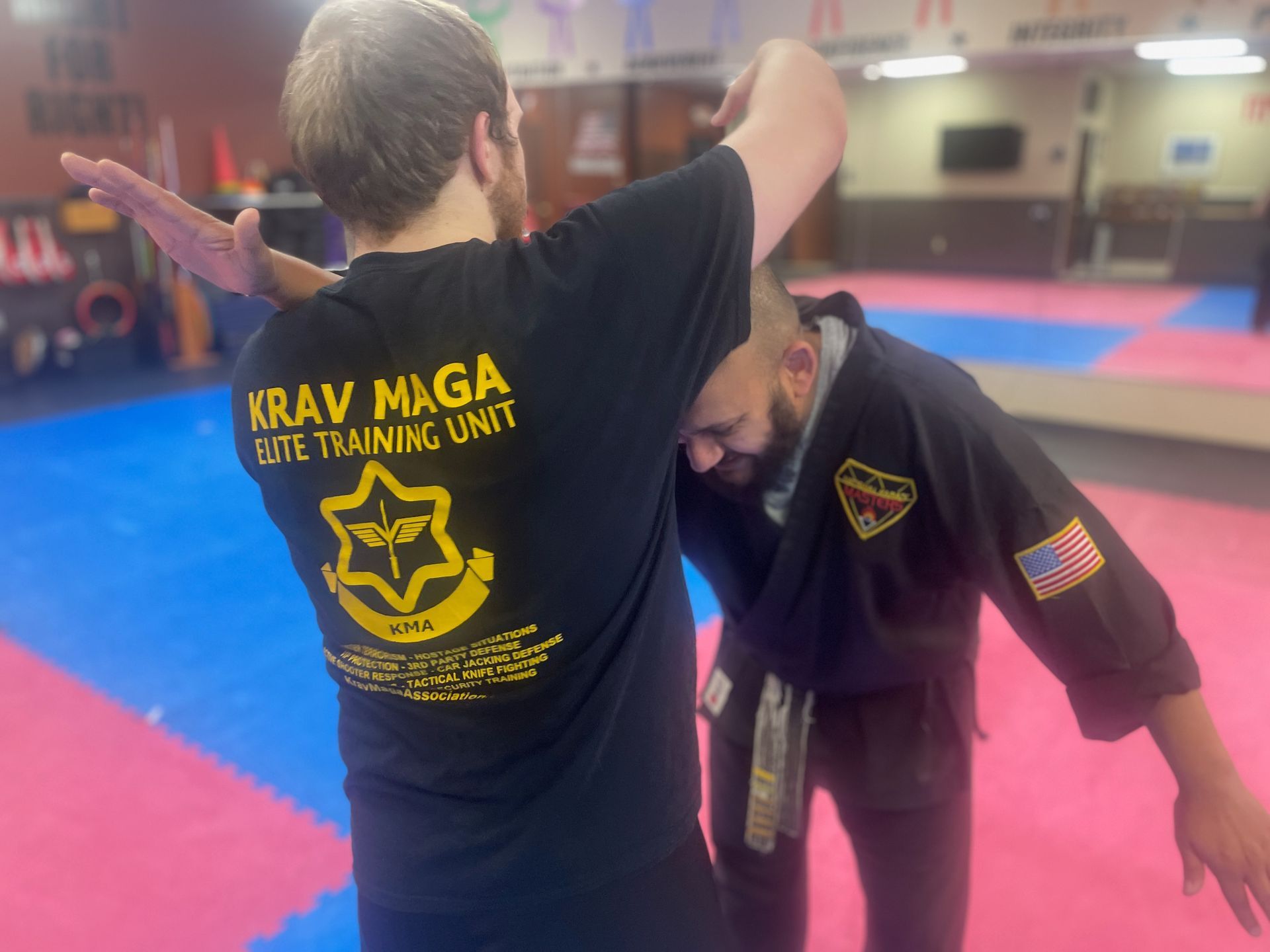
Partner work is where social skills get real. Kids have to look at another person, match distance, listen to directions, and cooperate. Nobody can do it alone. Even simple drills become lessons in empathy and awareness.
We also see something interesting: kids often start with a “do not talk to me” vibe, then slowly begin to laugh, ask questions, and encourage each other. It is not forced. It just happens because the environment gives them a reason to interact.
That lines up with findings from the 2024 study where parents noticed kids staying after class to play with new friends and becoming more engaged socially.
Group challenges build belonging without “team sport pressure”
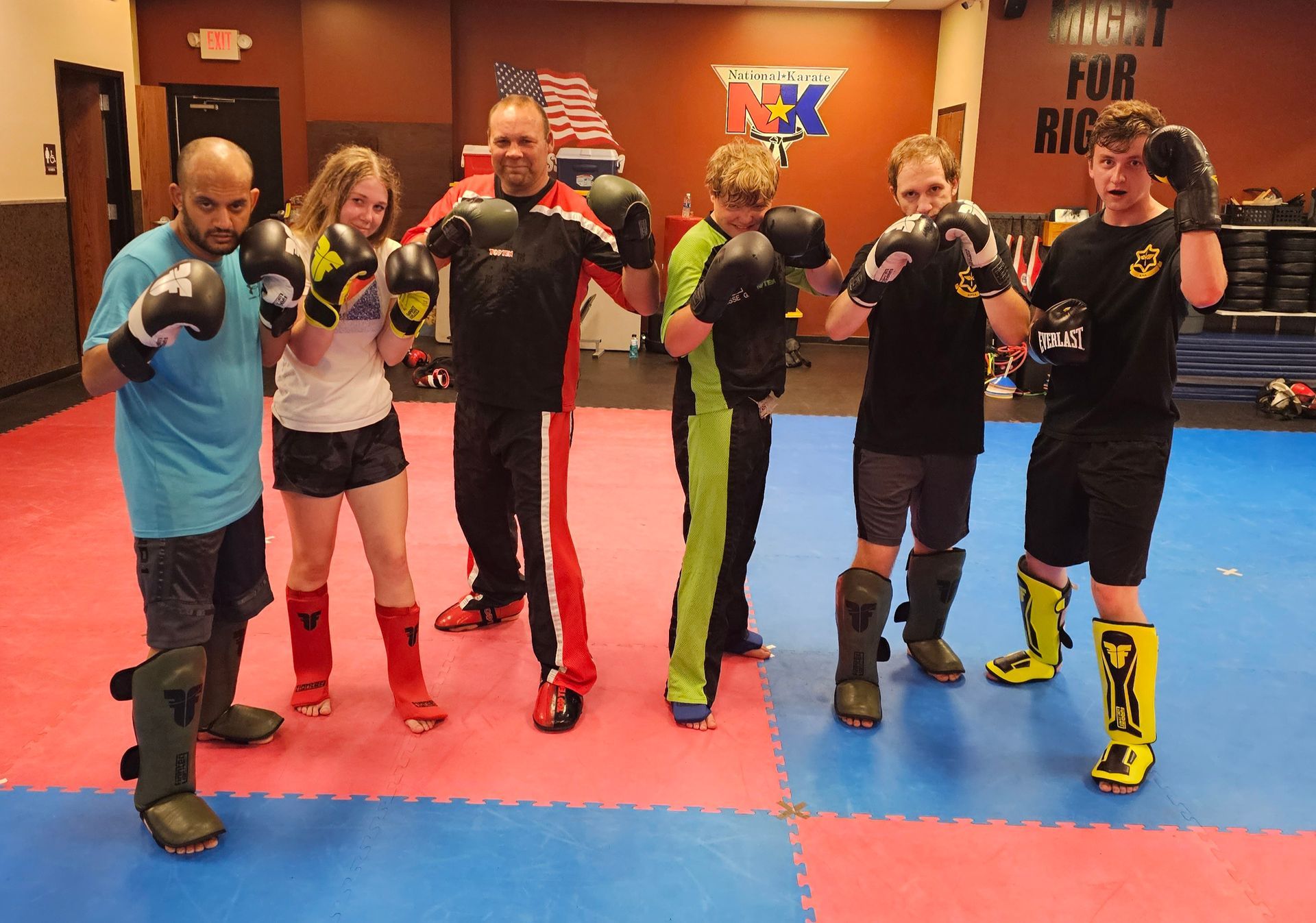
Some kids love traditional team sports. Some kids really do not. Youth Karate can be a good middle ground because progress is personal, but the experience is shared. Kids train side-by-side, celebrate each other’s belt milestones, and learn that improvement is not a competition against classmates.
A 2022 systematic review of martial arts in children reported improved social skills and self-confidence, along with less aggressiveness. That “less aggressiveness” piece matters for friendship. Kids who learn self-control tend to keep friends longer.
What your child practices socially in a typical class
A class has a rhythm that quietly teaches social skills. Here is what that usually looks like, and what it builds beyond technique:
• Bow-in and simple dojo etiquette that reinforces respect, attention, and polite greetings
• Warm-ups and movement games that encourage taking turns, sharing space, and cheering for peers
• Skill practice in lines that teaches patience, listening, and handling small corrections without taking it personally
• Partner drills that require cooperation, clear communication, and trust in a controlled setting
• Group skill challenges that create a shared goal and help kids feel like part of something
Over time, those pieces become habits. Kids start to introduce themselves more easily. Kids start to hold eye contact a little longer. Kids start to say “good job” without being prompted. Those are friendship skills, even if we never call them that.
A social-skills roadmap through belt progress
One of the most useful parts of Youth Karate is the clear progression. Kids do not just show up and hope confidence magically appears. They earn it step by step.
White belt: the “learning how to be in a group” stage
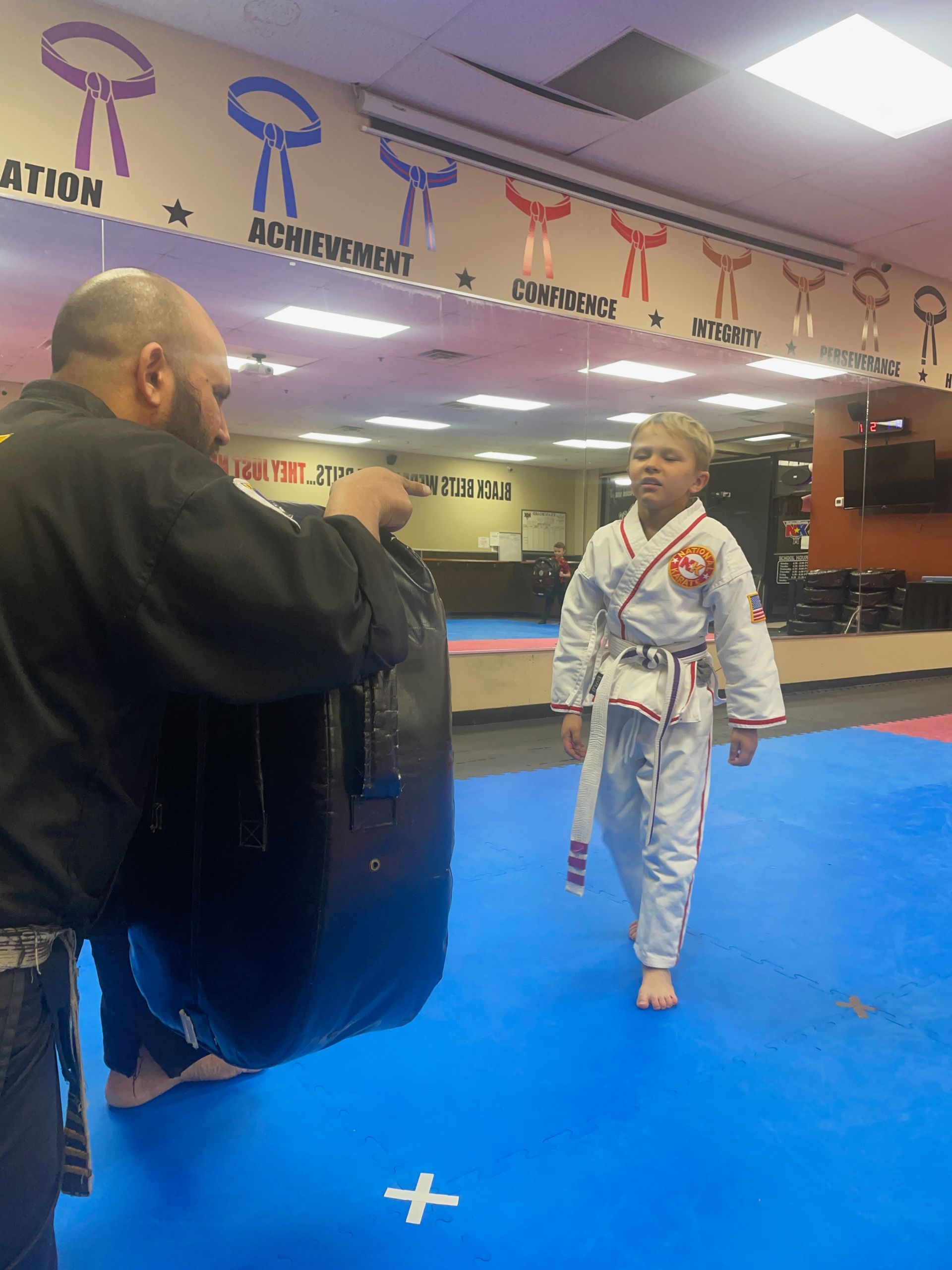
Beginners often start with nerves. At this stage, we focus on simple wins: standing in line, responding to cues, trying a drill with a partner, and finishing class feeling successful. Social growth here can look like a child saying one word to a partner instead of none, and that is a big deal.
Middle belts: the “I belong here” stage
Once kids know the routine, energy shifts. Kids begin to recognize classmates, remember names, and feel proud of being a regular. This is where we often see kids start talking before class, laughing during warm-ups, and bouncing back faster after mistakes.
Advanced youth levels: the “leadership and mentoring” stage
Older or more experienced kids often help younger students by modeling etiquette, being a steady partner, and demonstrating drills. Leadership is one of the best social skill accelerators because it requires awareness of others, patience, and kindness in action.
This is also where kids learn that strength is not loud. Sometimes strength is being the one who welcomes the new student.
Shy kids, high-energy kids, and kids who have had a rough social year
Parents often ask if karate is only for confident kids. Honestly, confident kids do fine, but Youth Karate can be especially helpful for kids who are struggling socially.
If your child is shy or anxious
Karate is structured, predictable, and repetitive in a good way. That predictability lowers social pressure. Kids do not have to invent conversation. They can talk about the drill, the belt, the game, the next step. Those shared reference points make socializing easier.
The 2024 study reported that around 60 percent of parents noticed shy or introverted kids becoming more socially active and more confident speaking in public. That is a huge signal that the environment matters.
If your child is high-energy or impulsive
Kids with big energy often want friends, but struggle with the “rules of friendship” like personal space, waiting, and taking feedback. Karate gives constant practice with those boundaries, and it rewards self-control.
The 2022 review noting reduced aggressiveness in martial arts participants is part of this. When kids learn to regulate, friendships tend to stabilize.
If your child has dealt with bullying or exclusion
Youth Karate can support a child in two ways: building calm confidence and teaching respectful boundary setting. We focus on awareness, posture, voice, and self-control, not “fighting back.” The goal is a kid who can handle social friction with less fear and more clarity.
Will karate make my child more aggressive?
This question comes up a lot, and it is a fair concern. The evidence we lean on points in the opposite direction. The 2022 systematic review found increased social skills and self-confidence alongside less aggressiveness. When karate is taught with a strong emphasis on respect and responsibility, it tends to build restraint.
In our classes, we treat self-control as a skill, not a personality trait. Kids practice it like anything else: repeatedly, with coaching, and with positive reinforcement.
What “safe and structured” really means in kids training
Safety is physical and social.
Physically, Youth Karate uses age-appropriate drills and careful supervision. Beginners learn control first. Contact is not something we rush, and nobody should feel pushed into situations that overwhelm them.
Socially, we also protect the training environment. Respect is non-negotiable. Kids learn to support partners instead of mocking mistakes, and we redirect behavior quickly so the class stays positive and focused.
Research in youth-focused karate education highlights the importance of pro-social attitudes and ethical values, especially when instructors act as educators shaping behavior. That is not just theory. It is what makes the dojo feel different from a chaotic playground.
How to help your child get the most social benefit from Youth Karate
You do not need to overthink it, but a few simple habits help.
1. Commit to a consistent schedule for the first month so your child has time to recognize faces and learn routines
2. Encourage your child to learn one new name per week and say hello before class
3. Ask specific questions after class like “Who did you partner with today?” instead of “How was it?”
4. Celebrate effort, not perfection, because social confidence grows when kids are not afraid to be seen trying
5. Give it time, since friendships often form after repetition, not after one great class
These steps sound small, but they create momentum. Kids build familiarity. Familiarity builds comfort. Comfort builds conversation.
Ready to Begin with Wisconsin National Karate
Friendship is not a bonus benefit of training. It is one of the outcomes we build on purpose, class after class, through respectful routines, partner practice, and leadership opportunities that help kids feel seen.
At Wisconsin National Karate, our Youth Karate program in New Berlin is designed to help your child grow socially while learning real skills in a structured, encouraging environment that families can rely on week after week.
No experience is needed to get started. Join a free karate trial class at Wisconsin National Karate today.