The Science Behind Karate: How Martial Arts Boost Brainpower in New Berlin
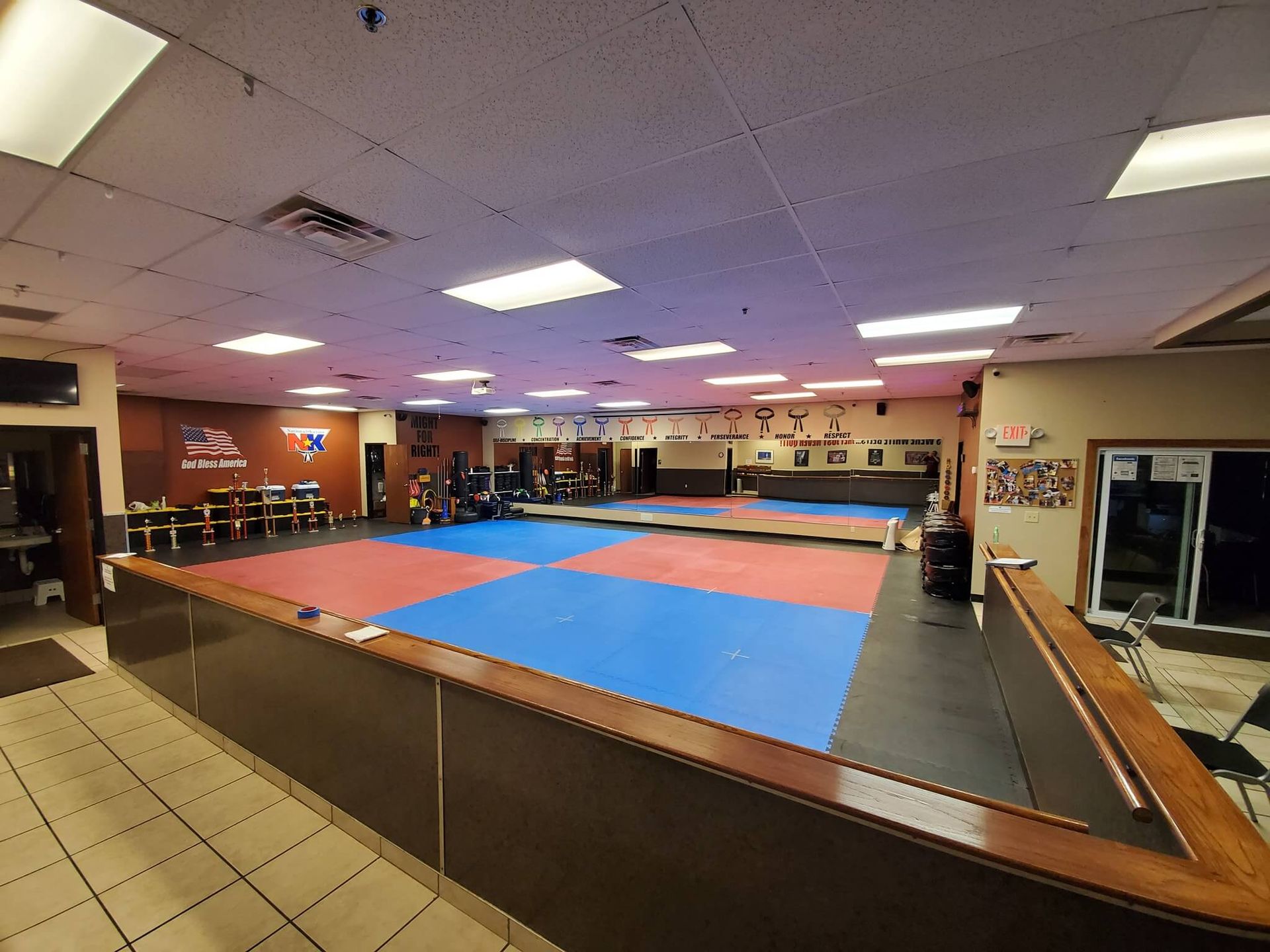
Karate training is physical, but the real surprise is how quickly your focus, memory, and decision-making start to sharpen.
Karate is often described as a workout, a self-defense skill, or a confidence builder, and we agree with all of that. But in our New Berlin community, we also see something that’s a little more interesting: when you train consistently, your brain starts to change right alongside your body. You don’t just move better, you think better, too.
In our classes, you’re not only learning strikes, blocks, and footwork. You’re practicing attention control, pattern recognition, stress regulation, and fast problem-solving in a safe, structured environment. That blend matters, because everyday life asks for those same skills, just without a uniform and a belt.
This article breaks down the science-informed reasons Karate can support brainpower, what that looks like in real training, and how Adult Karate in New Berlin can fit into a busy schedule without feeling like another chore on your calendar.
Why Karate Is a Cognitive Workout (Not Just a Physical One)
A lot of fitness improves mood and energy, but Karate has a unique “brain plus body” design. Every class asks you to coordinate multiple systems at once: vision, balance, timing, breathing, and decision-making. The moment you try to land a clean technique with good form, your brain is handling a real-time puzzle.
Attention: practicing focus on purpose
Modern life trains distraction. Notifications, multitasking, and constant switching make it harder to stay locked in on one task. In Karate, we do the opposite. We train sustained attention in short, repeatable rounds. When you’re working combinations, you can’t drift. If your mind wanders, your stance collapses, your timing gets late, and you feel it immediately.
Over time, this becomes a skill you can bring to work, parenting, or studying: focusing even when you’d rather check out.
Memory: building recall through repetition and variation
Karate asks you to remember sequences and apply them under different conditions. That is important because memory improves when you practice retrieving information, not just hearing it once. In class, we repeat core techniques, then we change the context: different partners, different distances, different tempos. That “same, but different” structure nudges the brain to store and access movement patterns more effectively.
Executive function: planning, inhibition, and self-control
Executive function is your brain’s management system: choosing priorities, resisting impulses, and staying organized under pressure. Karate supports this in a practical way. You practice holding back unnecessary motion, waiting for the right opening, and following a plan instead of reacting emotionally. For adults, that can feel surprisingly relevant. You’re training composure, not just power.
The Brain Science Basics: What Training Encourages Your Nervous System to Do
We keep the science practical. You don’t need a neuroscience degree to benefit, but it helps to understand what’s happening under the hood.
Neuroplasticity: your brain adapts to what you repeat
Neuroplasticity is the brain’s ability to reorganize and strengthen connections based on experience. When you train Karate, you repeat coordinated movements with feedback. That combination is exactly what supports skill learning: repetition, attention, correction, and progression.
The cool part is that it’s not only about learning a kick. It’s about improving how you learn in general. When you consistently put yourself in a structured learning environment, your brain gets better at building new maps.
Motor learning: turning “thinking hard” into “moving smoothly”
In the beginning, techniques feel clunky because your brain is using conscious effort to control every piece. With practice, movement becomes more automatic. That shift frees up mental bandwidth. It’s one reason students often say they feel calmer after class. Your nervous system is learning efficiency, and efficiency tends to feel like clarity.
Stress response: practicing calm in controlled discomfort
A little pressure, applied safely, teaches your body that you can stay functional when your heart rate rises. Controlled drills, timing work, and partner practice give you a chance to feel adrenaline without being overwhelmed by it. You learn to breathe, reset, and continue.
That matters for brainpower because chronic stress can drag down attention and memory. Training gives you a place to practice the opposite: purposeful stress with a recovery built in.
What Brain-Boosting Karate Practice Looks Like in Our New Berlin Classes
“Brain benefits” can sound abstract until you connect it to what actually happens on the mat. Here are a few parts of class that consistently train cognition while you train technique.
Forms and combinations: pattern recognition and sequencing
Whether you love structured sequences or you’re the type who likes to improvise, forms and combinations train your brain to recognize patterns and execute them cleanly. You learn order, rhythm, and transitions. It’s like learning a physical language.
Even better, you don’t just memorize. You refine. Each time you revisit a sequence, you notice something new: your balance, your breathing, the angle of a hip. That’s attention to detail, practiced repeatedly.
Partner drills: real-time decision-making
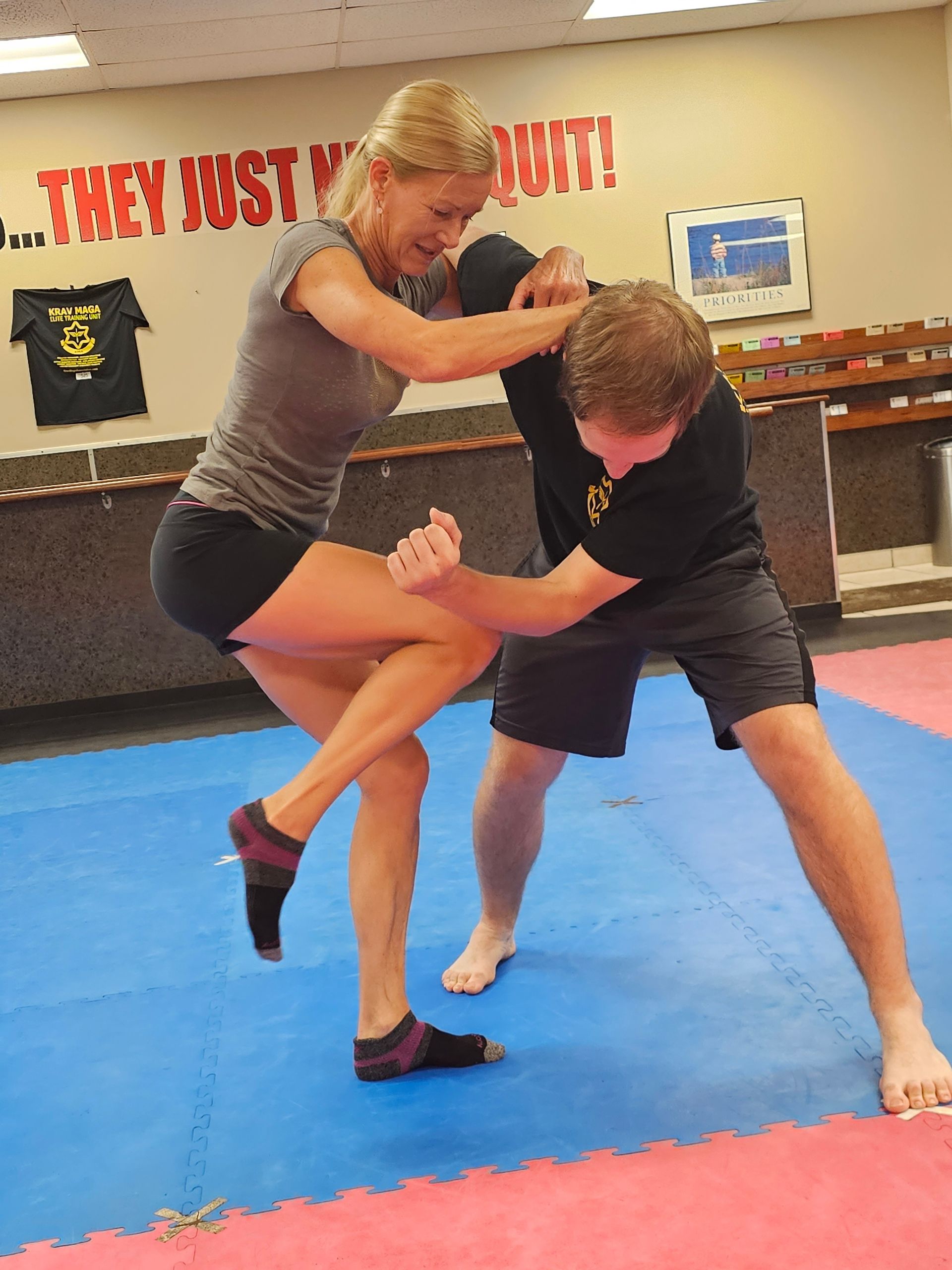
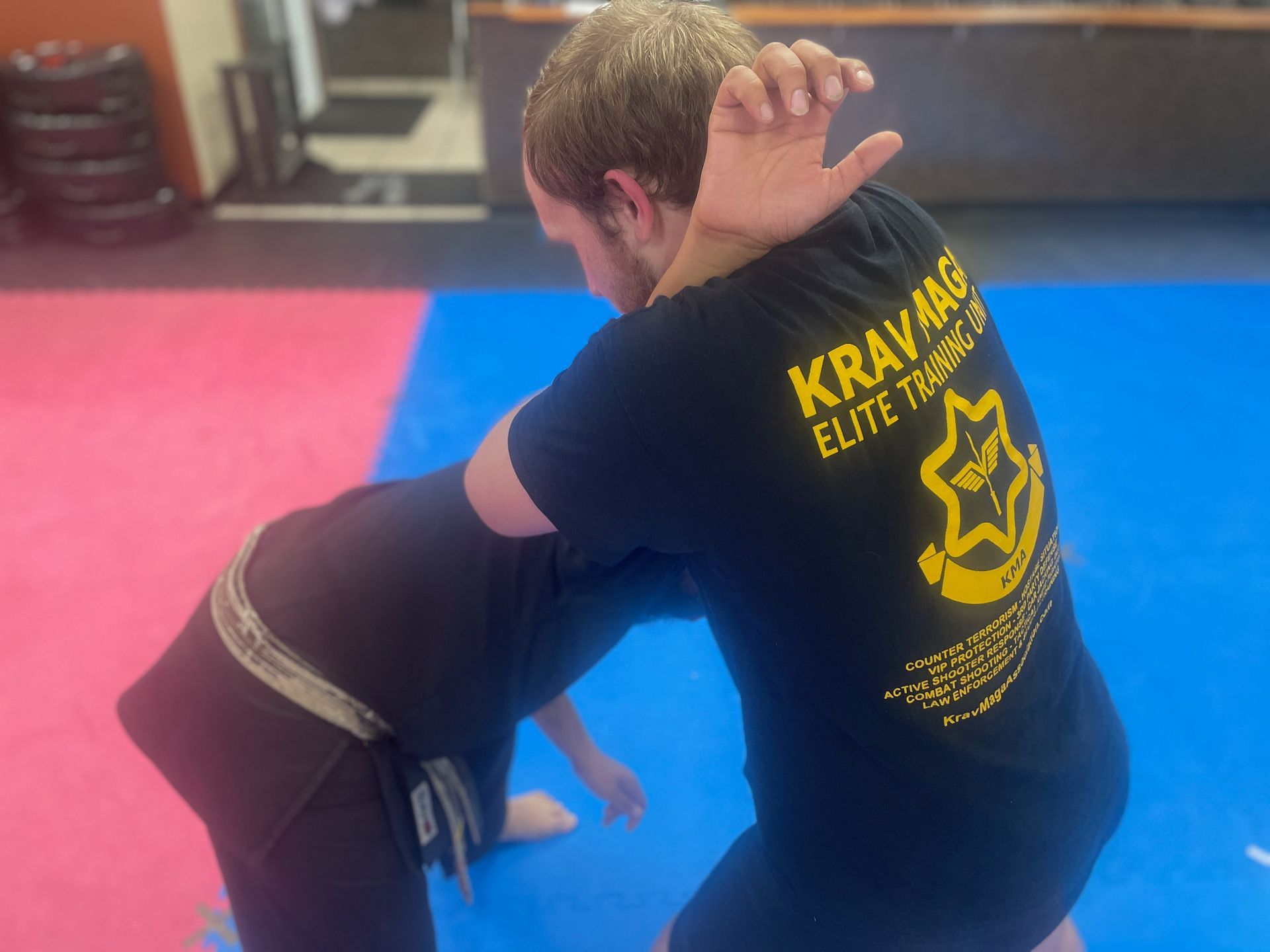
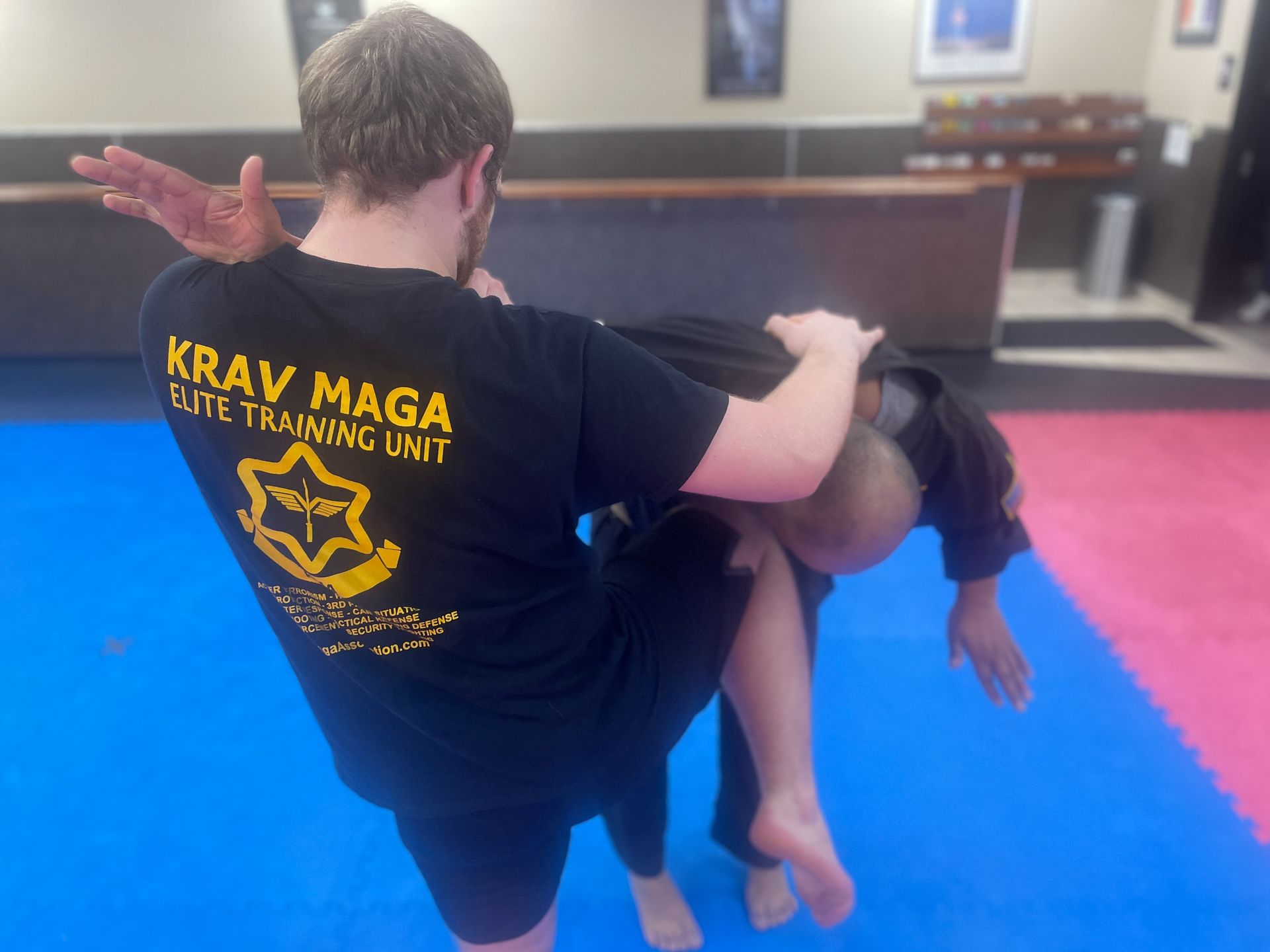
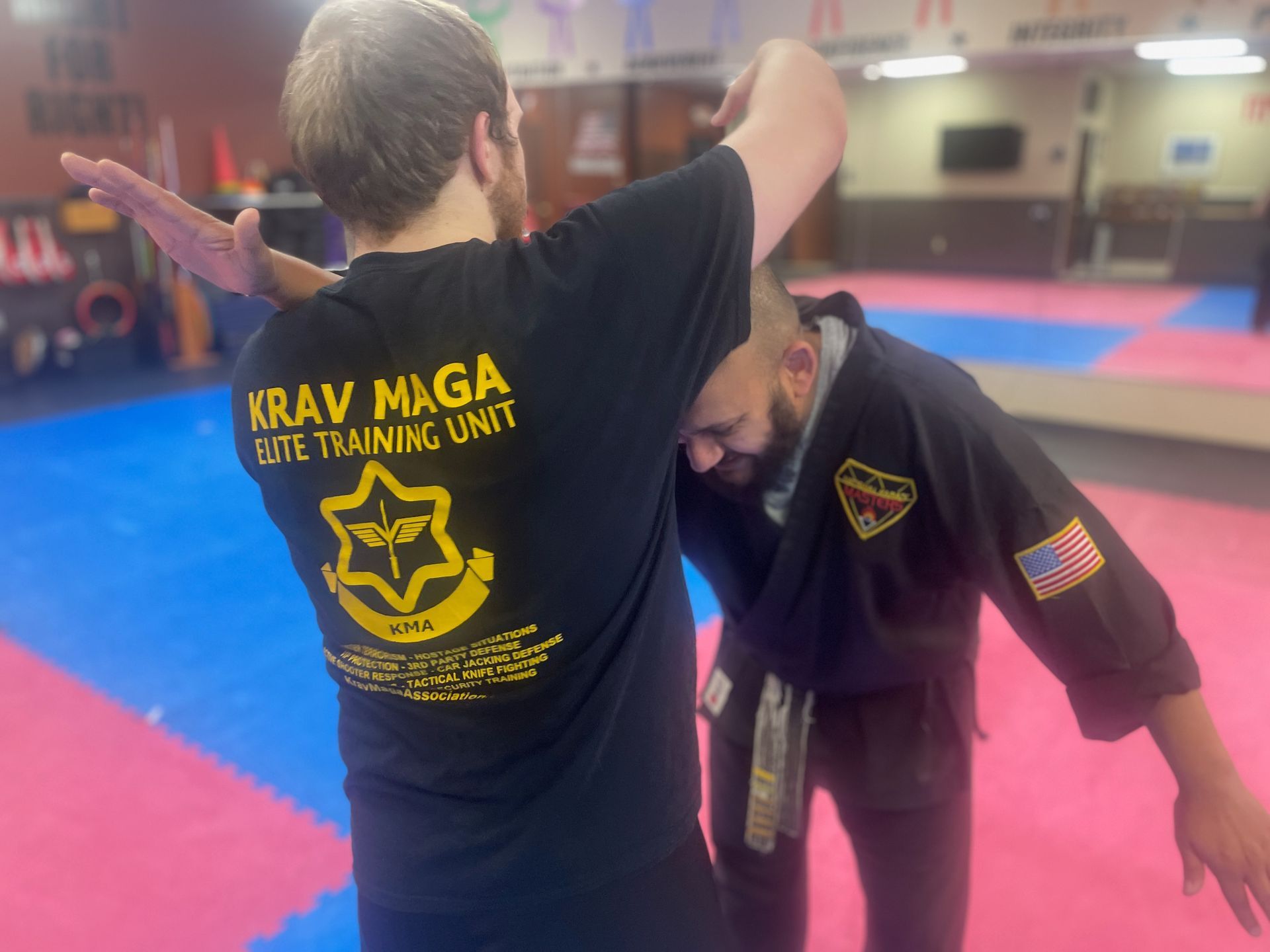
Partner work teaches timing, distance, and response selection. You’re constantly reading cues: What is the other person doing? What’s the safest option? What’s the simplest option? Your brain is sorting information quickly and choosing an action under time pressure, which is a very transferable skill.
Controlled sparring: staying sharp without getting reckless
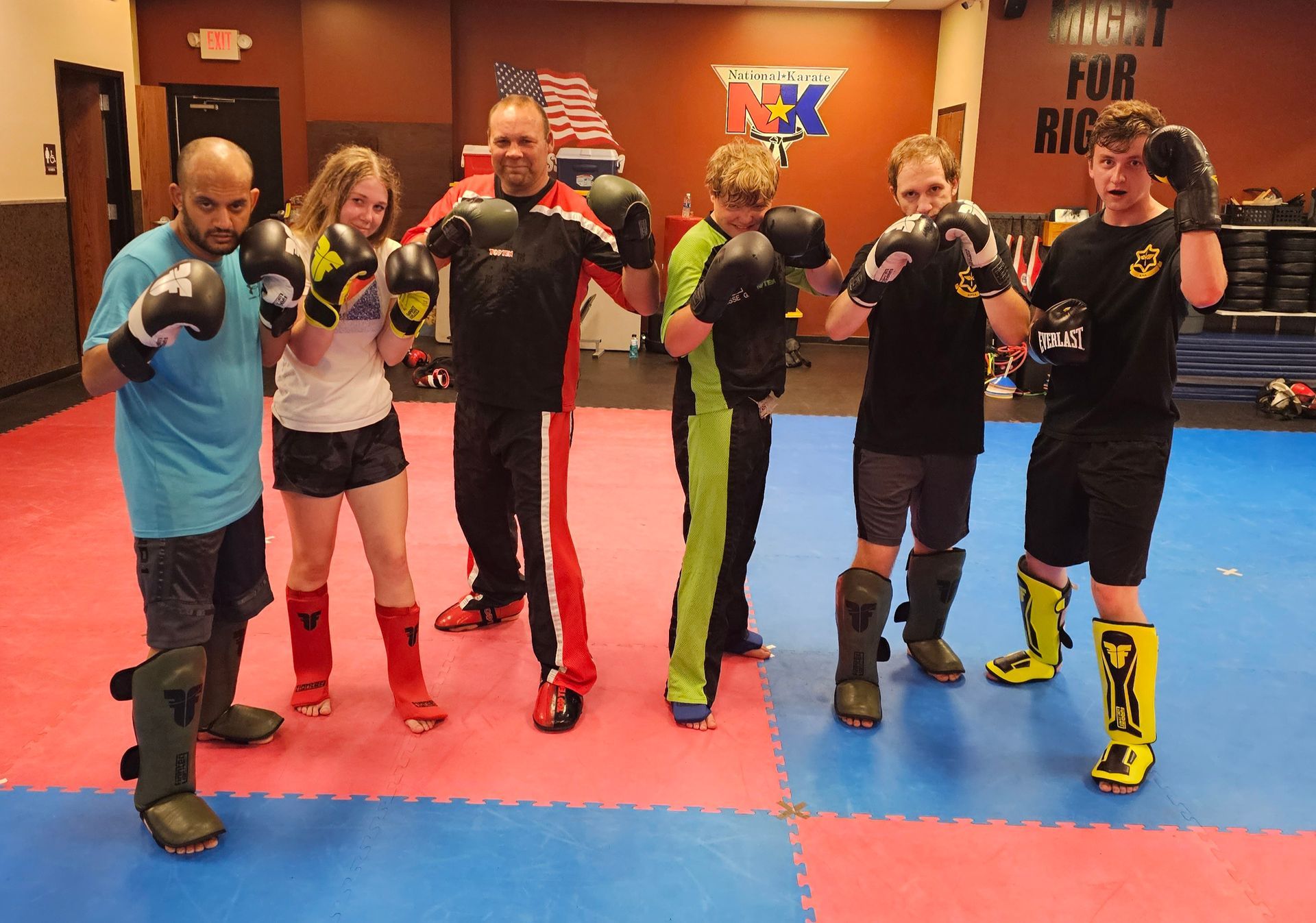
Sparring is not about chaos. Done correctly, it’s about learning to stay aware, manage impulses, and make smart choices. You’re building mental flexibility: switching between offense and defense, adjusting strategy, and recovering after a mistake instead of spiraling.
How Karate Supports Adult Focus, Mood, and Mental Stamina
Adult life can be mentally noisy. Work demands, family responsibilities, and the general pace of everything can leave you feeling like your brain is always “on,” but not always productive. Adult Karate in New Berlin gives you a structured hour where your attention has one job: train.
A break that actually restores you
A lot of “breaks” still involve screens. Training is different. You move, breathe, and focus. It’s effort, yes, but it often feels clarifying. Many adults notice that after class, it’s easier to transition into the rest of the evening with less mental clutter.
Confidence that comes from competence
Confidence isn’t just hype or pep talks. It’s built when you can do something today that you couldn’t do last month. Karate makes progress visible: cleaner technique, better balance, improved stamina, faster reactions. That sense of steady capability can reduce anxiety and improve your willingness to tackle hard tasks outside the studio.
Better self-regulation when you’re frustrated
Everybody gets frustrated. Training gives you a routine for working through it: reset posture, breathe, try again, ask a question, refine one detail. You’re practicing a response to difficulty that is useful everywhere.
The Skills That Carry Over Most (A Quick Checklist)
Karate in New Berlin isn’t just about what happens during class. The training tends to spill into daily life in practical ways. Here are the cognitive skills we see developing most often:
• Improved sustained attention, especially when tasks are repetitive or mentally tiring
• Faster decision-making under pressure without rushing into bad choices
• Stronger working memory for sequences, instructions, and multi-step tasks
• Better emotional control, including recovery after mistakes or unexpected stress
• More body awareness, which can support posture, breathing, and overall energy
• Increased confidence from consistent, measurable skill progression
Why Our Teaching Approach Matters for Brain Benefits
Not all practice is equal. To build brainpower, training has to be progressive, safe, and structured enough that you can improve without burning out.
Progressive complexity: the brain needs a challenge it can handle
If everything is too easy, you don’t adapt. If everything is too hard, you get frustrated and quit. We keep students in that productive middle zone: learning fundamentals, then layering complexity at the right pace. You’ll feel challenged, but you’ll also feel guided.
Clear feedback: learning accelerates when you know what to fix
Good feedback shortens the learning curve. In class, we focus on specific corrections you can act on right away: stance width, hand position, breathing rhythm, target alignment. The goal is not to overwhelm you with details. It’s to give you the one or two changes that make everything click.
Consistency: the underrated key to mental gains
Brain benefits come from showing up. Two classes a week often beats an intense burst followed by a long break. When you train consistently, your nervous system stays engaged in the learning process, and you notice the mental improvements more clearly.
How to Start Karate in New Berlin Without Overthinking It
Starting something new can feel weird, especially as an adult. You might wonder if you’re “too out of shape,” too busy, or too inexperienced. We hear that a lot, and it’s okay. The point is to start where you are and build.
Here’s a simple way to approach your first few weeks:
1. Pick a realistic training rhythm you can keep, even when life gets busy
2. Focus on fundamentals first, because basics drive progress faster than tricks
3. Track one small win each week, like better balance or remembering a combo
4. Ask questions in class, because clarity reduces frustration and speeds learning
5. Give it a month of consistent effort before you judge how it fits your life
Take the Next Step
If you want training that strengthens both body and mind, Karate is one of the most practical ways to do it. You’ll work on coordination, attention, self-control, and stress management in a setting that stays structured and supportive, even when the drills get challenging.
When you’re ready to experience that process in person, Wisconsin National Karate Kickboxing & Krav Maga in New Berlin is set up to help you start smoothly, stay consistent, and keep progressing in a way that feels earned. We’d love to help you build the kind of focus and confidence that shows up everywhere else, not just in class.
Turn what you learned here into hands-on training by joining a Karate program at Wisconsin National Karate.