The Parent’s Guide to Supporting Your Child’s Journey in Youth Karate

When you know what to watch for and how to help at home, your child’s karate progress starts showing up everywhere else too.
If you are exploring Youth Karate for your child, you are not alone. Across the U.S., more than 4 million kids train in martial arts, and children under 18 make up a huge share of total participants. We see that trend reflected right here in our New Berlin community, where families want structured activities that build confidence, focus, and fitness without adding more screen time.
Youth Karate in New Berlin can be an anchor in a busy week. It gives your child a place where expectations are clear, progress is measurable, and effort gets recognized. In our classes, we coach kids toward strong basics, respectful behavior, and practical skills they can actually use, all while keeping training safe and age appropriate.
This guide is built to help you support your child, whether your goal is better listening at home, a healthier routine, stronger social confidence, or simply a positive activity that sticks. We will walk through what to expect, how to encourage without pressure, and how to turn practice into a habit your child can own.
Why Youth Karate is growing and why parents in New Berlin are choosing it
Youth programs are growing fast, with children’s martial arts enrollment rising more than 20 percent in recent years. That growth makes sense when you look at what families want: discipline, confidence, physical activity, and a community that reinforces good habits. Teen participants also report strong health benefits compared to other sports, and we often hear parents mention improved energy and mood once training becomes consistent.
In New Berlin, families juggle school, homework, and packed calendars. Youth Martial Arts in New Berlin can fill the gap between traditional sports seasons and provide consistency year round. Instead of waiting for the next team tryout, your child can keep building skills each week, at a pace that rewards steady effort.
Another shift we are proud to see is inclusivity. More girls are joining martial arts programs than ever, and the confidence boost is real. On the mat, everyone practices fundamentals, everyone learns how to be a good partner, and everyone earns progress through effort.
What parents should expect in the first month
The first month is usually a mix of excitement and adjustment. Some kids love the structure immediately. Others need a few classes to feel comfortable, especially if the room feels new, loud, or fast paced.
Here is what we suggest you watch for early on:
Your child is learning the routine before the techniques
In the beginning, the wins are often simple: lining up correctly, following instructions the first time, remembering to keep hands up, and using respectful language. Those habits matter. Youth Karate is not just about the punch or the kick, it is about learning how to learn.
Emotions may swing a bit, and that is normal
A child can be thrilled after one class and frustrated the next. New skills are tricky, and karate asks kids to try, fail safely, and try again. If your child has a tough day, we recommend you keep your response calm and consistent: show up, do your best, and let the next class be a fresh start.
Improvement starts showing up at home in small ways
Parents often tell us their child stands taller, speaks more clearly, or takes feedback with less resistance. Those are the early signals that training is working, even before big technical milestones show up.
The parent role: support without turning training into a battle
We love motivated families, but we also know how quickly motivation can turn into pressure if you are not careful. The goal is to build a long term relationship with training, not to squeeze results out of your child in week two.
Focus on process praise, not outcome praise
Instead of “You were the best,” try “I noticed you kept trying even when it was hard.” Youth Karate rewards effort and consistency, and your words should match that.
Let instructors coach, and you be the steady encouragement
It can be tempting to correct technique from the sidelines. We recommend you keep coaching minimal unless we specifically ask for at home help. Your child benefits when the dojo is the place for instruction, and home is the place for encouragement and recovery.
Use a simple question after class
Try one of these on the ride home:
- What was the most fun part today?
- What felt tricky today?
- Who did you partner with?
- What is one thing you want to do better next time?
You will get better answers than “How was class,” and you will learn how your child is experiencing training.
Building an at home routine that actually sticks
Most kids do not need long practice sessions at home. In fact, short and consistent is better than long and occasional. We like “small reps, often,” especially for younger ages.
A simple approach that works for many families is a three day micro routine:
1. Pick two techniques to review from class, like a stance and a basic kick.
2. Practice for five to eight minutes, with a timer, then stop while it still feels manageable.
3. End with one small win: a clean stance, a strong guard, or a respectful bow.
That is it. The consistency is the magic. When Youth Karate becomes part of your family rhythm, your child stops relying on motivation and starts relying on habit.
Safety, confidence, and the right kind of toughness
Parents often ask about safety, and we take that seriously. Youth training should challenge kids, but it should not be reckless. We focus on control, supervision, and progressive skill development. We also teach kids how to be good training partners, because safety is a shared responsibility.
What “toughness” should mean in a youth program
We define toughness as staying calm, following directions, and trying again. It is not about being aggressive. It is not about dominating other kids. It is about self control.
Confidence grows when your child sees proof of progress. A stronger stance. Better balance. A clearer voice. Even the ability to make eye contact and say “Yes, sir” or “Yes, ma’am” with conviction can be a big change for some kids. Youth Karate in New Berlin often becomes a place where kids practice confidence in a safe, structured setting before they need it elsewhere.
Bullying prevention: what we teach kids and what you can reinforce
Parents want practical anti bullying skills, and we agree that confidence and awareness matter. We emphasize behavior that reduces risk: posture, attention, boundaries, and smart decision making. Physical techniques are part of training, but prevention starts earlier than that.
At home, you can reinforce a simple “three step response”:
- Use your voice clearly: Stop. Back up.
- Create space and move toward safety.
- Tell a trusted adult and keep telling until it is addressed.
This pairs well with what kids practice in Youth Karate: steady breathing, calm posture, and the ability to follow a plan even when emotions spike.
Nutrition, sleep, and energy: the hidden performance boosters
You do not need to overhaul your household to support training. A few basics go a long way.
If your child is dragging in class, we often see one of three things: not enough water, not enough sleep, or a snack that spikes energy and crashes fast. A simple snack with protein and carbs, plus water, can noticeably change focus. Sleep matters even more. Kids learn skills when the brain consolidates information overnight, which is one reason consistent sleep can lead to quicker improvement.
Youth Martial Arts in New Berlin is physical, but it is also mental. The better your child’s recovery, the better your child’s focus.
Goal setting that keeps kids motivated (without bribery)
Belts and stripes are motivating, but we like to add personal goals too. Goals should be specific and controllable. “Get a new belt” is exciting, but “practice my stance for three minutes three times this week” builds ownership.
Here are a few kid friendly goals we use and recommend:
- Remember the ready stance without being reminded
- Keep hands up during drills
- Use a strong voice when answering
- Help a newer student feel welcome
- Finish class without quitting when tired
Those goals build character and skill at the same time. Youth Karate works best when kids feel proud of how they trained, not just what they earned.
How our curriculum blends tradition with practical training
Karate has deep tradition, and we respect it. At the same time, modern families want skills that feel relevant. Our approach uses classic fundamentals like stances, blocks, strikes, and forms, while also keeping training practical, athletic, and engaging for kids.
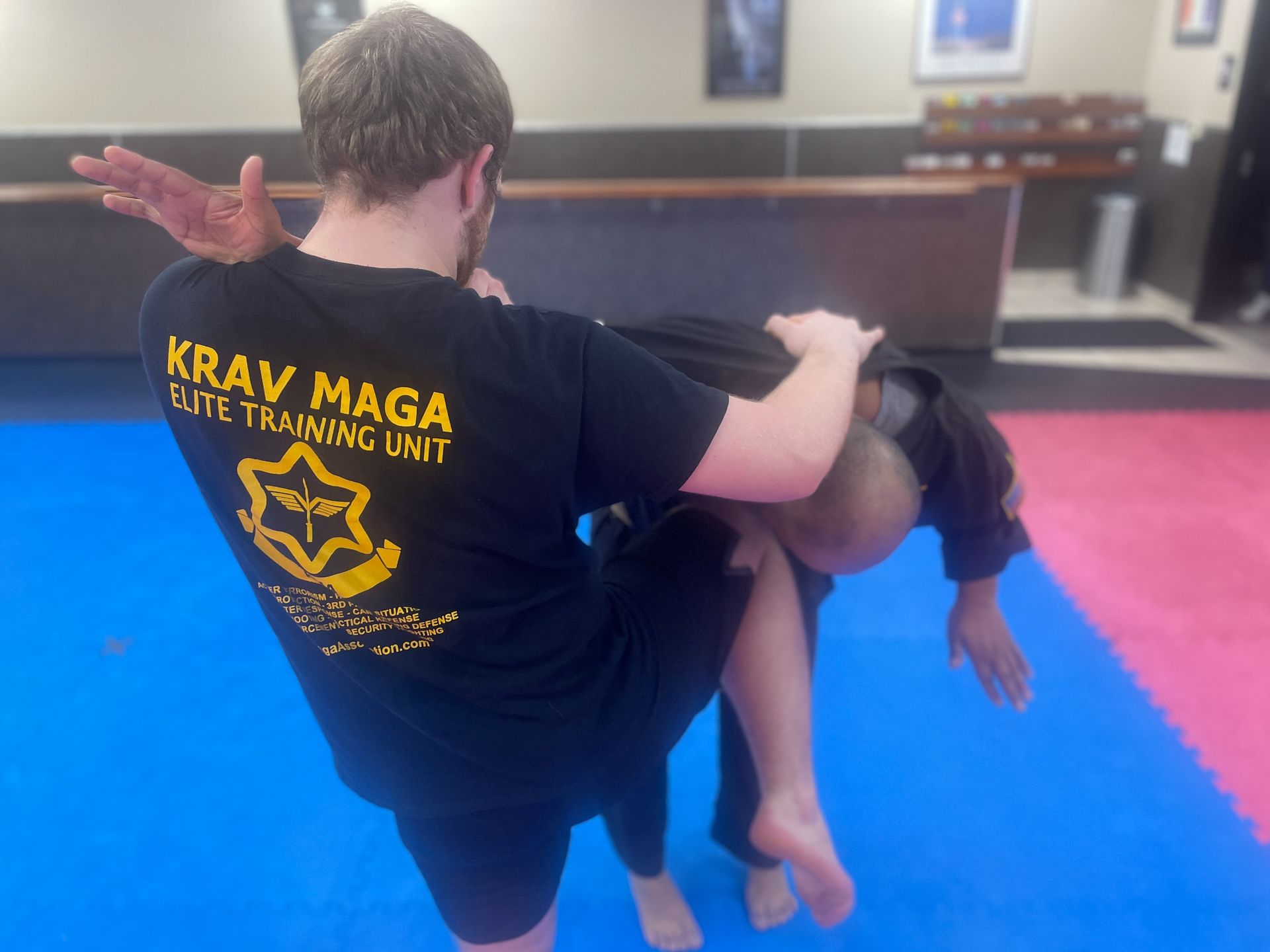
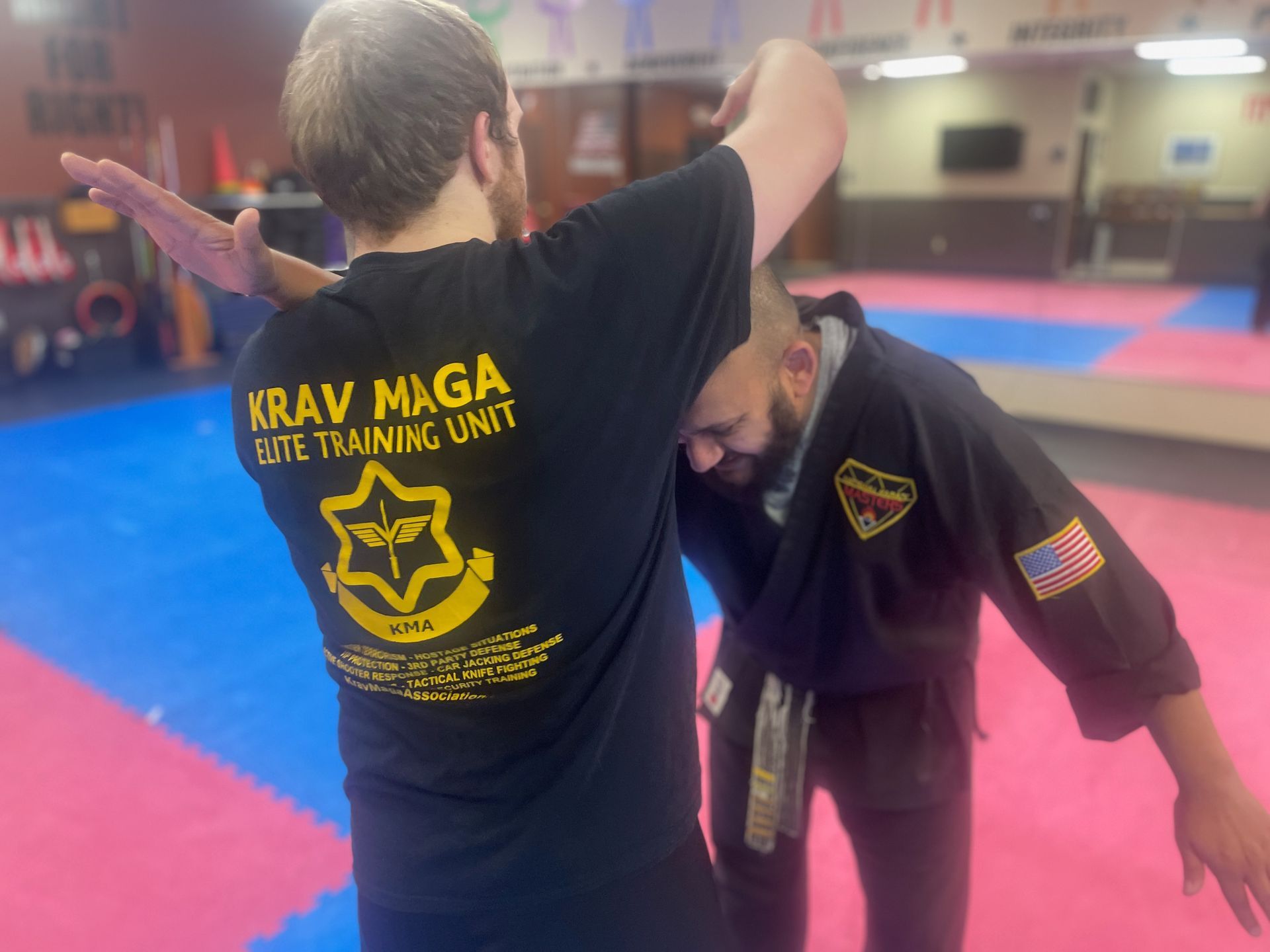
We also understand that many families are interested in well rounded self defense. That is why our broader training environment includes kickboxing and krav maga concepts, adapted appropriately for youth development and safety. Kids benefit from variety when it is structured well, because it keeps attention high and helps different learning styles click.
Technology has changed how kids learn too. Many families use apps, videos, or simple at home reminders to support practice. We keep guidance clear so your child can review the right details, not random content that confuses technique.
Common parent questions we hear in New Berlin
What age should my child start?
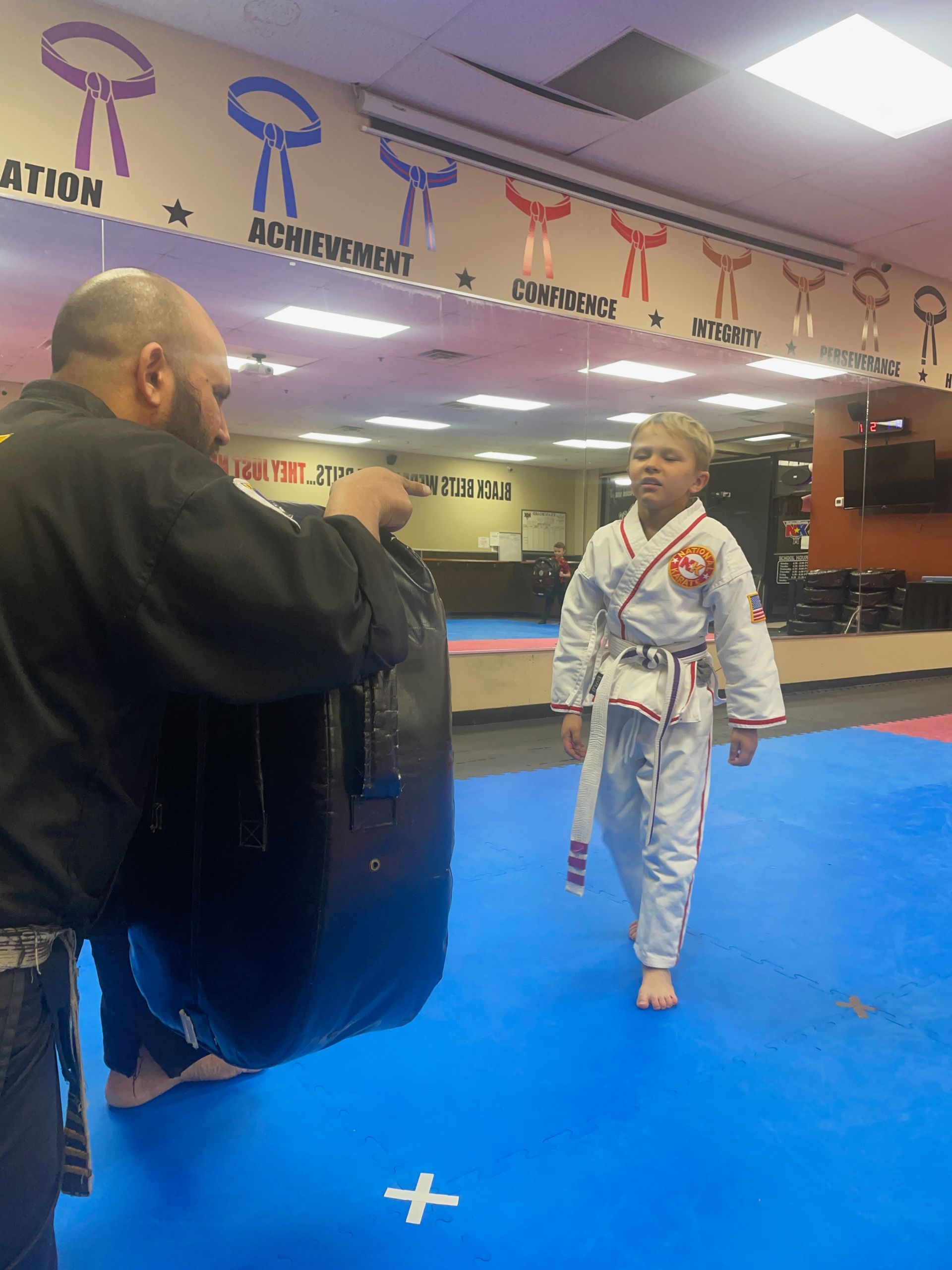
Many children begin between ages 4 and 7, depending on attention span and readiness. We meet kids where they are and build from there.
How many classes per week is best?
For many families, two to three classes per week is a great rhythm. It is enough repetition to build skill without feeling overwhelming.
What if my child has ADHD or struggles with focus?
We structure class with clear expectations, short segments, and frequent opportunities to reset. Youth Karate can be a strong complement to school routines because it rewards listening, posture, and follow through.
Will my child get hurt?
No activity is zero risk, but we reduce risk through supervision, control, and progressive training. We also teach kids how to move safely and respect partners.
Take the Next Step
If you want your child to get the real benefits of Youth Karate, the best support you can provide is simple: consistency, encouragement, and a clear routine that makes training feel normal. When you pair that with a structured program that values safety and character, kids tend to thrive, and you can actually see it in how your child carries into school, home, and friendships.
We built our youth programs to serve New Berlin families with a mix of tradition, practical skill building, and positive coaching, and we would be glad to help you map out the right starting point. At Wisconsin National Karate Kickboxing & Krav Maga, we keep the process clear for parents and welcoming for kids, so your child can focus on learning and growing.
Support your child’s personal growth on and off the mats with training at Wisconsin National Karate.