Karate vs. Kickboxing: Which Martial Art Fits Your Goals in New Berlin?
The best choice is the one you can train consistently, safely, and with a purpose you actually care about.
If you are deciding between Karate and kickboxing in New Berlin, you are already asking the right question: what do you want your training to do for you? We meet adults every week who want self-defense, better fitness, stress relief, or a challenge that feels structured instead of random. The tricky part is that both styles can deliver results, just in different ways.
Karate tends to be the better fit when you want precision, control, and long-term growth you can measure. Kickboxing tends to shine when you want high-energy conditioning and full-contact style striking skills built through combinations. In our programs, we help you match the art to your goals and your lifestyle, because the best training plan is the one you will still enjoy three months from now.
In this guide, we will break down the real differences, how each one feels in class, and how to choose based on what you want your body and mind to be capable of.
What Karate Training Actually Emphasizes
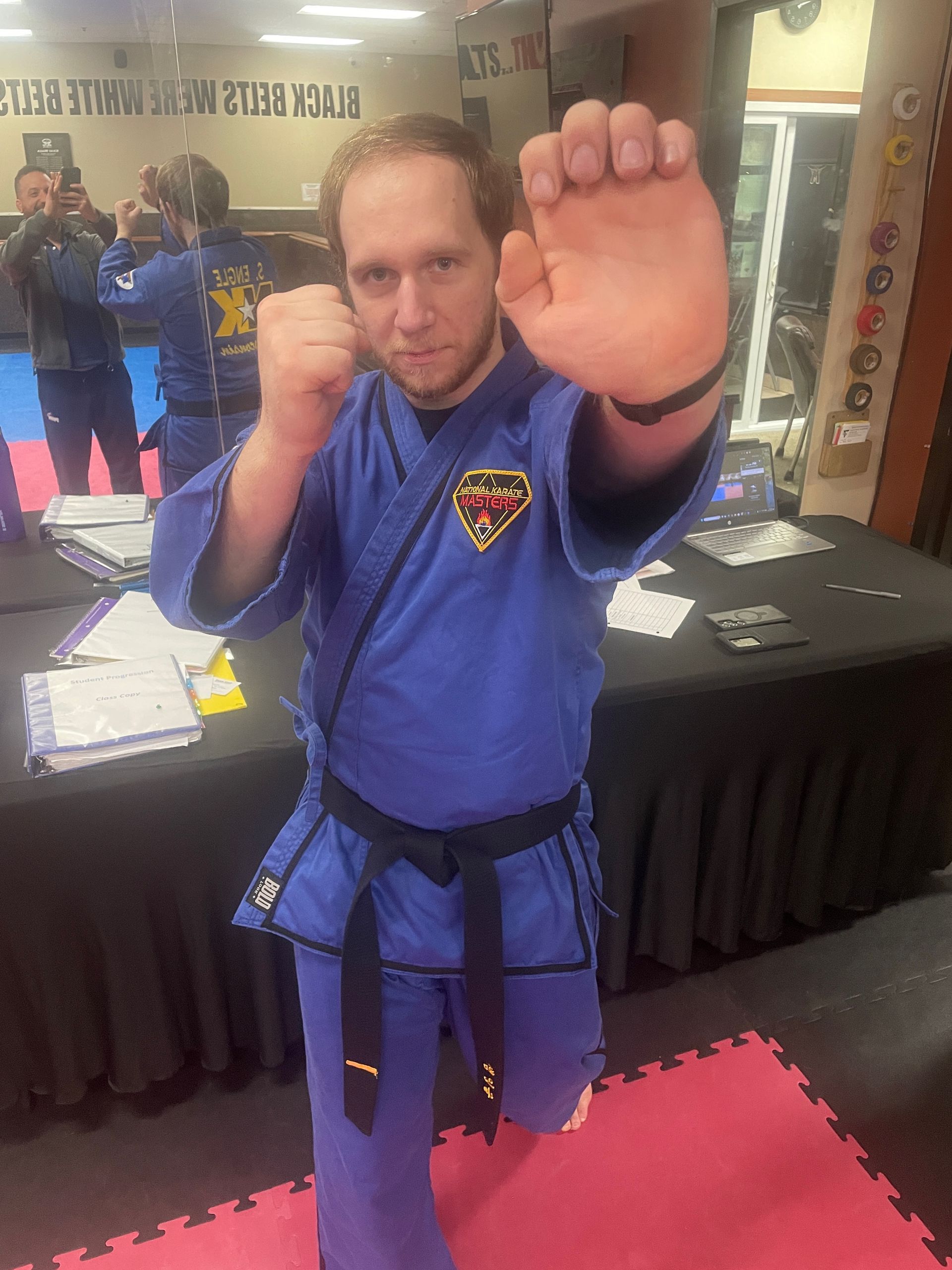
When people say Karate, some imagine slow motion forms or point sparring that does not look realistic. Modern Karate is more practical than that, especially when it is taught with purpose: clear mechanics, timing, and the ability to stay calm while something unexpected happens.
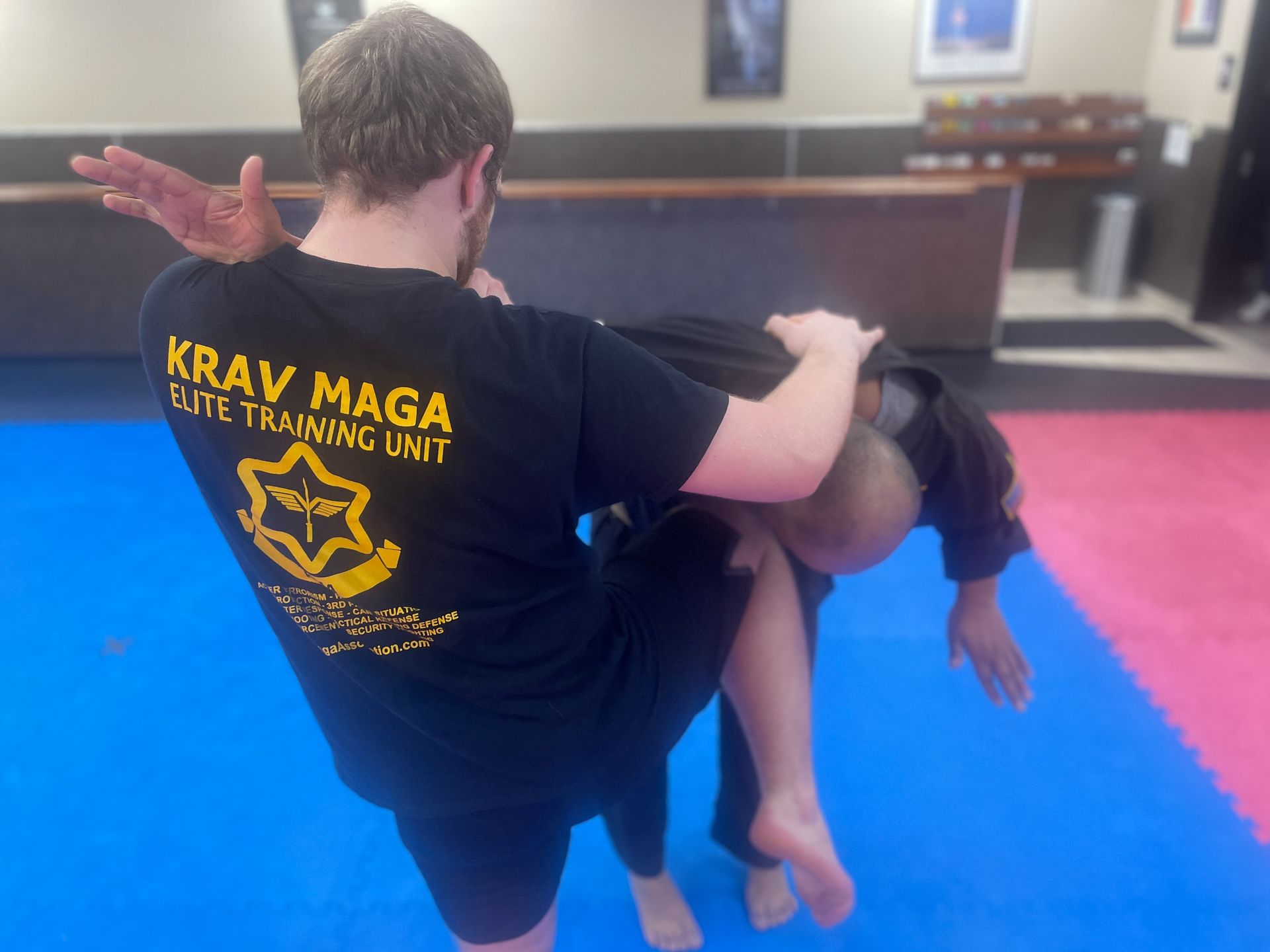
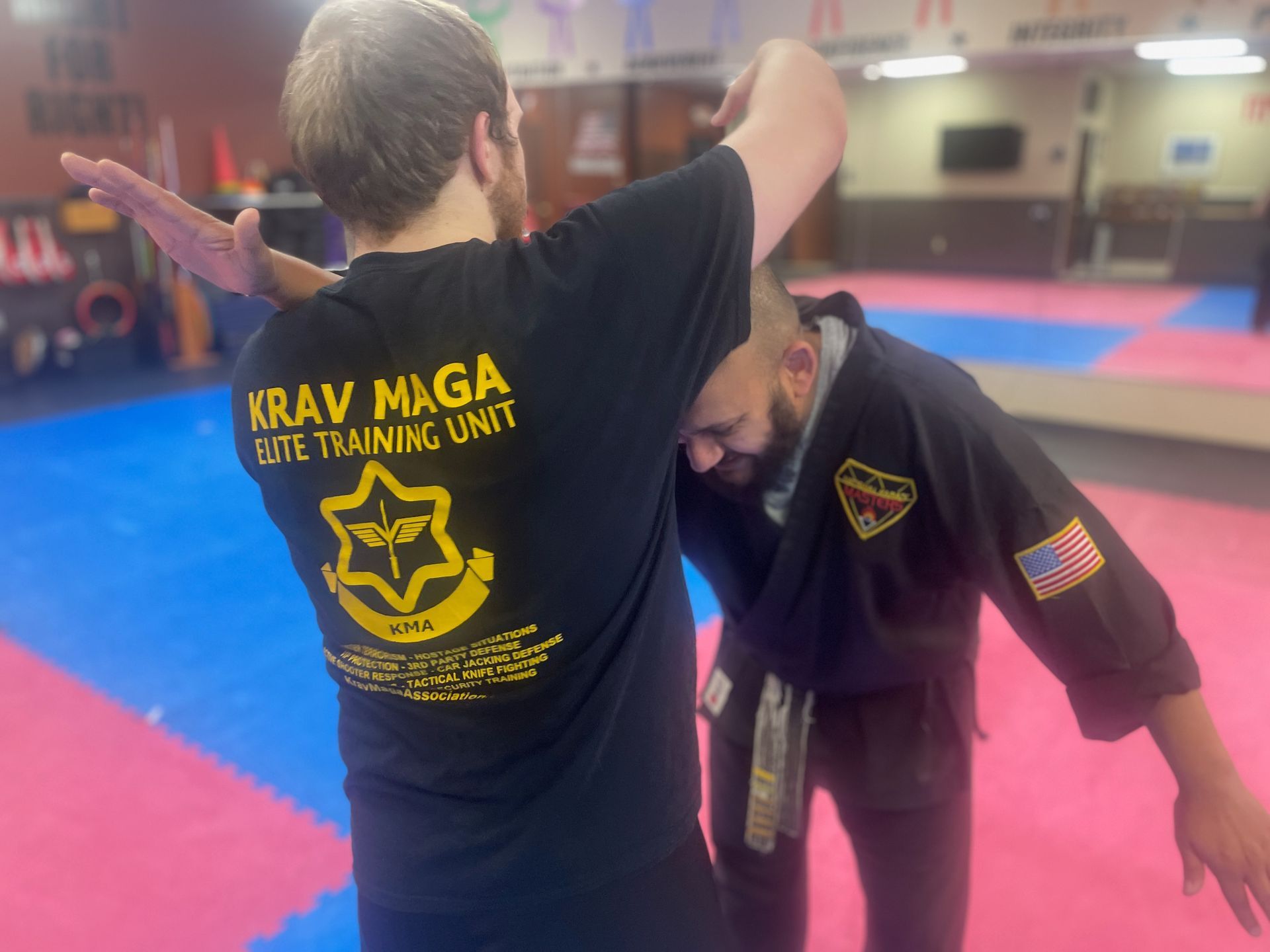
Our Karate training emphasizes a few core ideas. First, we build technique around clean fundamentals: stance, balance, hip engagement, and precise targeting. Second, we use forms (kata) as a way to sharpen coordination and teach you how to move with intention, not just throw strikes. Third, we use controlled partner drills and light-contact sparring to help you apply skills without turning every class into a bruising contest.
For many adults, this combination is the sweet spot. You get real progress, you feel yourself improving week to week, and your body holds up well enough to train consistently.
The “why” behind Karate’s control
Controlled contact is not “soft,” it is strategic. You can repeat reps with better form, you can learn timing, and you can train around work and family without feeling wrecked. That matters in Adult Karate in New Berlin, where a lot of students are balancing training with a full schedule.
Karate also tends to include a stronger philosophical foundation: self-discipline, awareness, and restraint. In practical terms, that shows up as better decision-making under pressure, not just better punches.
What Kickboxing Prioritizes (And Why It Feels So Different)
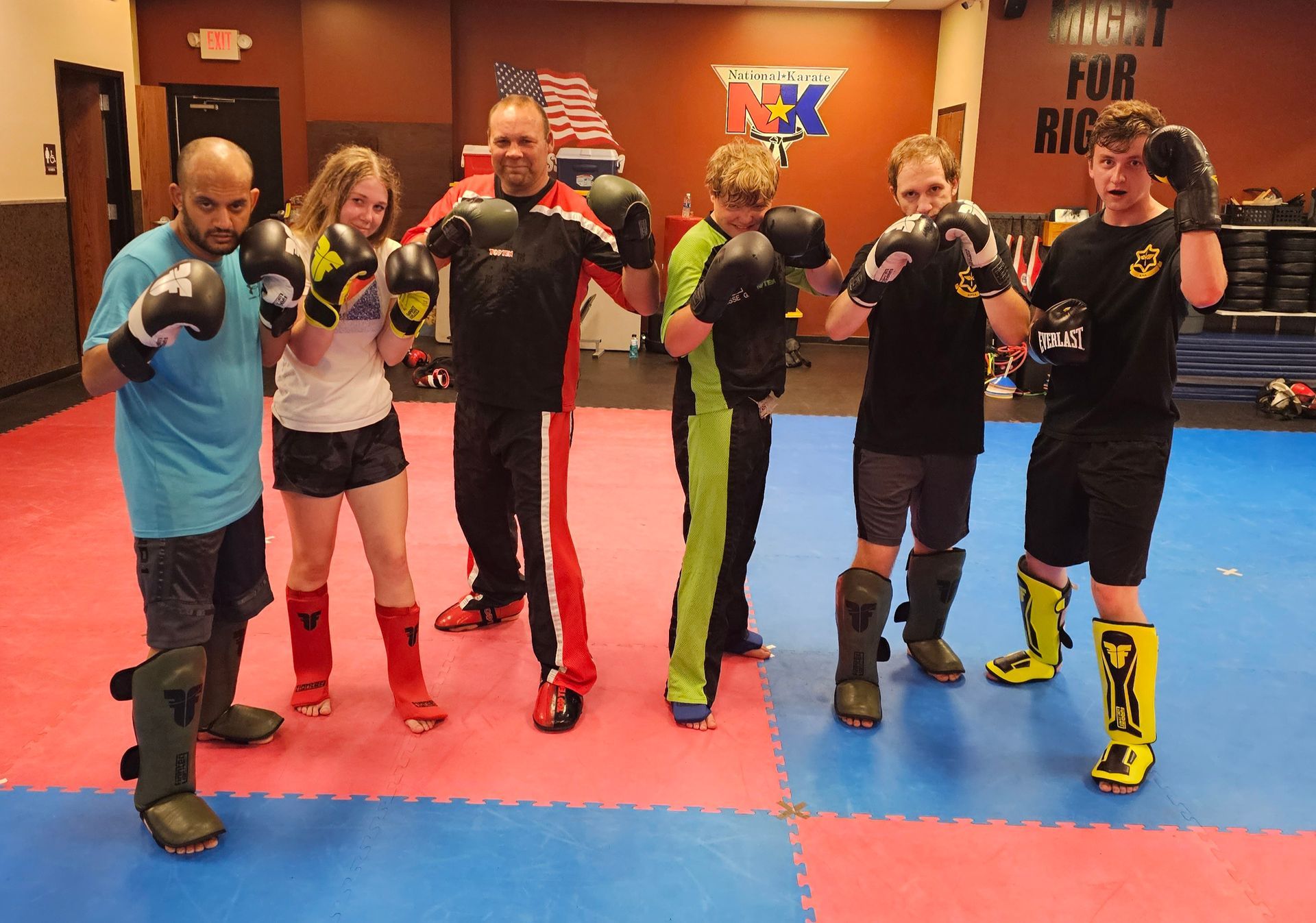
Kickboxing is usually more “go, go, go.” The pace is faster, the combinations are longer, and the conditioning element is front and center. You will typically work punches and kicks in flowing sequences, build power through hip rotation and momentum, and develop endurance through rounds that feel athletic and intense.
A good kickboxing class can be an incredible workout. You sweat early, your lungs work, and you get that satisfying feeling of effort. Because many kickboxing approaches lean more full-contact over time, the intensity can be higher, and so can the injury risk if you are not careful about recovery, coaching, and control.
If your goal is rapid conditioning, sharper striking combinations, and a sport-style training vibe, kickboxing may line up well.
A quick note on intensity and sustainability
Intensity is great, until it is not. We see plenty of adults start strong with high-output training, then disappear because their shins, shoulders, or neck cannot keep up. Sustainable progress is not about doing the hardest class once, it is about training consistently. That is one reason many people in Karate in New Berlin like the controlled progression and measured contact level.
Karate vs. Kickboxing: The Key Differences That Matter Day to Day
When you compare Karate and kickboxing, it helps to focus on what you will actually do in class and how that supports your goals.
Contact level and training feel
Karate often uses light-contact sparring and controlled partner work, especially while you are building fundamentals. Kickboxing more commonly builds toward heavier contact and competitive-style rounds, depending on the program.
Neither approach is “right” for everyone. If you want practical skill-building with a lower risk of getting banged up, Karate is often the better match. If you want to pressure-test striking with a sport intensity, kickboxing can be a better fit.
Technique focus: precision vs. combinations
Karate tends to emphasize a single clean strike, block, or counter at the right moment. Kickboxing tends to emphasize combination flow: jab-cross-hook-low kick, repeated with rhythm and pressure.
In self-defense situations, that Karate mindset of timing and decision-making can be valuable. In athletic contexts, that kickboxing rhythm and output can be a big advantage.
Philosophy and motivation style
Karate is usually more structured. You have clear curriculum checkpoints, belt progression, and a sense that you are building a foundation brick by brick. Kickboxing is often more performance-driven: rounds, conditioning, and the satisfaction of pushing your physical limits.
If you like structure and visible milestones, Karate often wins. If you like intensity and workout energy, kickboxing often wins.
Which One Is Better for Self-Defense in Real Life?
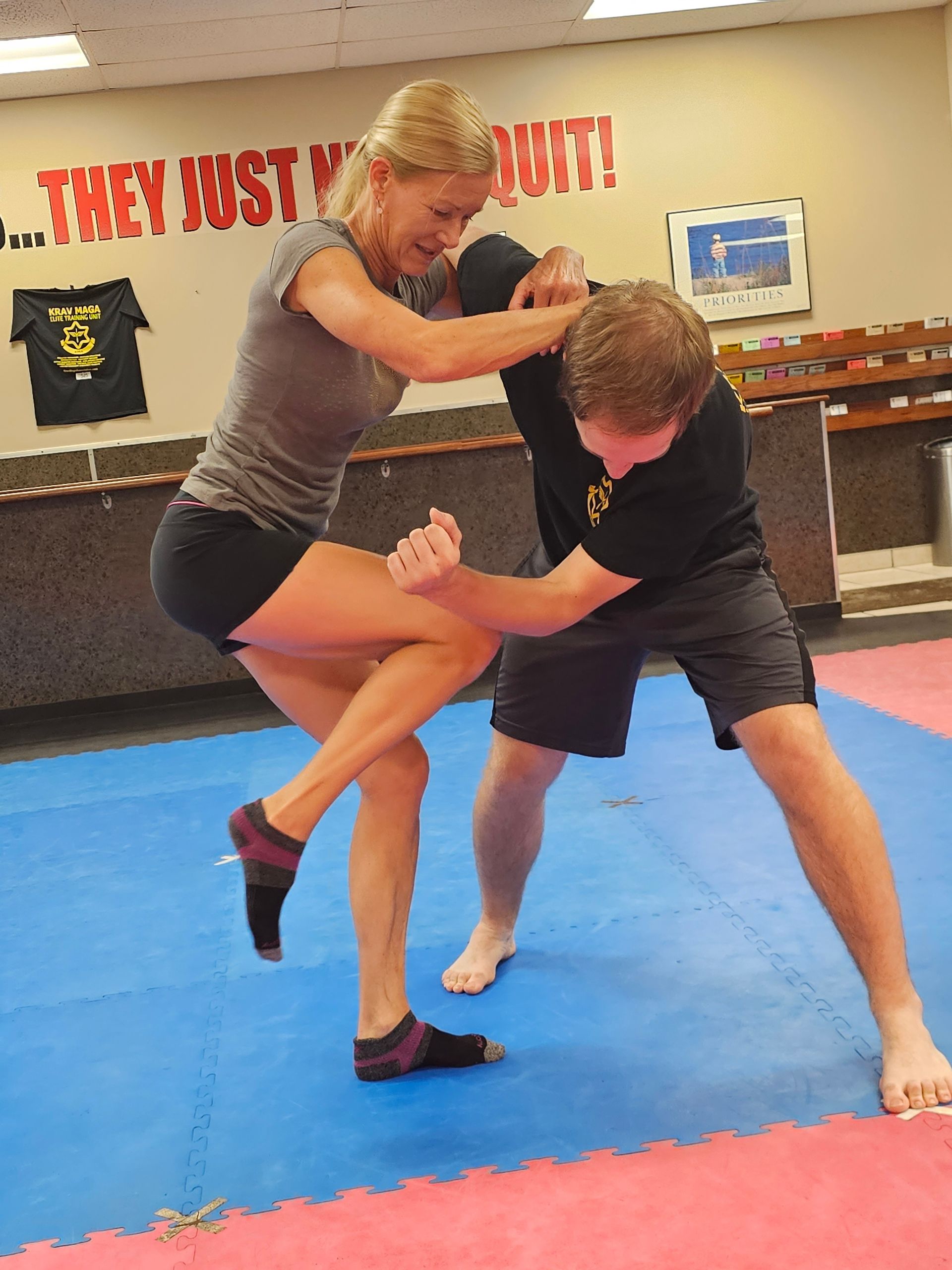
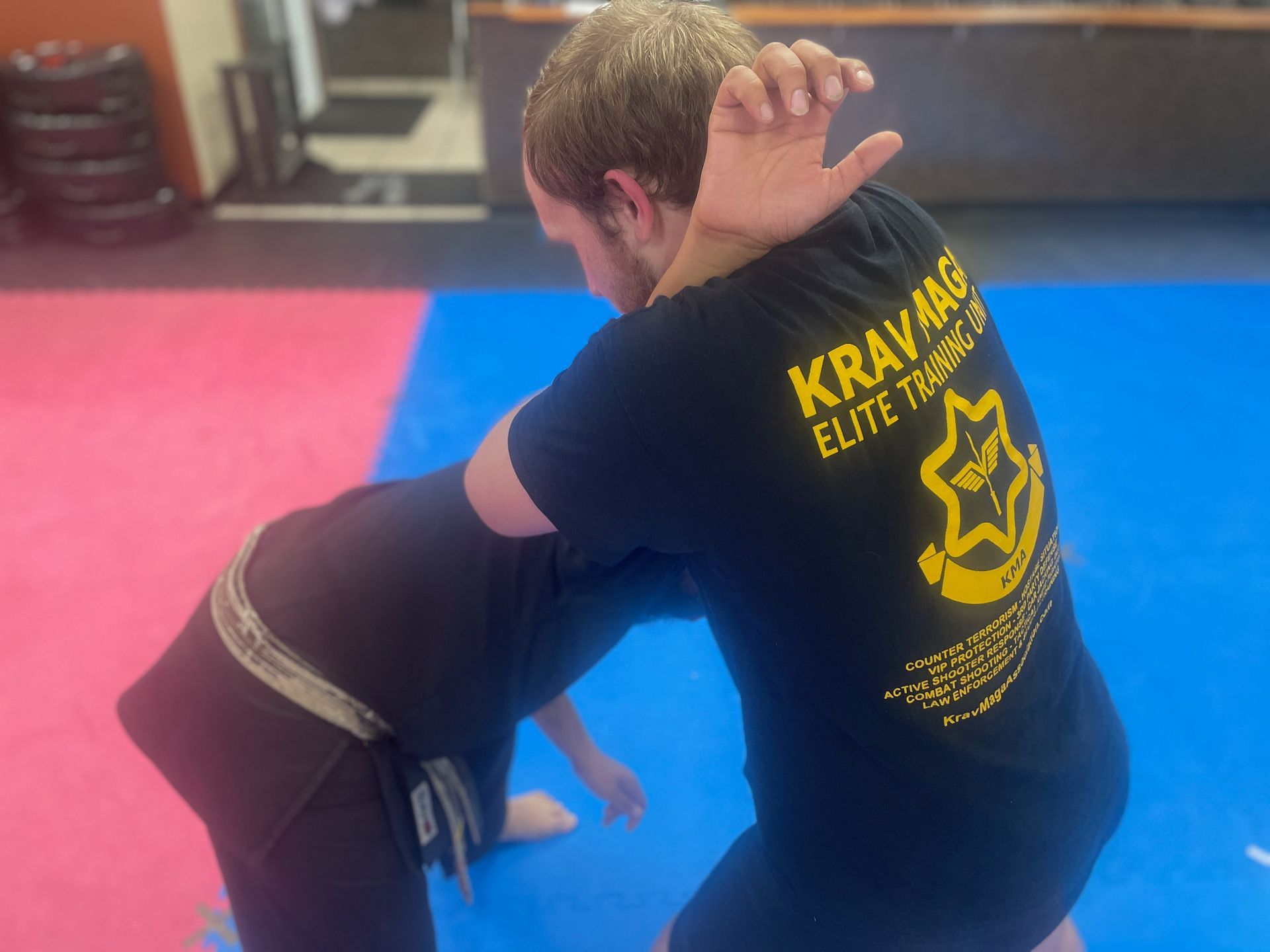
Self-defense is messy. It is not always a clean exchange of punches at a comfortable distance. It might involve surprise, awkward angles, grabbing, and the need to stay aware of what is happening around you.
Karate has an edge here because it tends to include a broader self-defense framework: distance management, precise counters, and the discipline to avoid overcommitting. When you learn to move well, keep your balance, and respond decisively, you are building skills that translate beyond “ring rules.”
Kickboxing is powerful for striking, especially when you need conditioning and the ability to keep throwing combinations under stress. If your self-defense plan relies heavily on striking and you want that athletic output, kickboxing can contribute a lot. The key is making sure training includes awareness and realistic context, not just sport rhythm.
Fitness Goals: Fast Results vs. Long-Term Progress
If your goal is to get in shape, both styles work, but the path feels different.
Kickboxing often delivers quick cardio gains. The rounds, pad work, and combinations can improve endurance fast, and that immediate sweat can feel motivating. Karate builds fitness too, but it often shows up as progressive improvement in balance, coordination, flexibility, and strength through technique. It is not “easy,” it is just a different kind of hard.
Many adults tell us they want something they can do for years, not weeks. Karate tends to be ideal for that, especially if you want a training style that supports joints, recovery, and consistent practice.
Confidence: Outer Confidence vs. Inner Calm
Confidence is one of those benefits that is hard to describe until you feel it.
Kickboxing often builds outer confidence quickly. You feel tough. You feel athletic. You feel like you can handle a hard round and keep going. Karate builds inner confidence in a different way. You learn control. You learn how to keep your breathing steady. You learn that calm focus is a skill, not a personality trait you either have or do not have.
In Adult Karate in New Berlin, that kind of steady confidence tends to show up outside the dojo too: better posture, clearer boundaries, and less hesitation in stressful moments.
Is Karate Too Slow or Outdated?
No, and we understand why the question comes up. Some people only see Karate through old movie clichés or overly rigid drills. But modern Karate includes fast sparring, dynamic footwork, and realistic application when it is taught with that intent.
Kata is not “just dancing.” When you learn to connect kata to movement principles and partner drills, it becomes a tool for building mechanics and body control. That matters for adults because better mechanics mean fewer injuries and better performance, even if your goal is simply to feel strong and capable.
If you want something current and practical, Karate can absolutely meet you there.
How to Choose Based on Your Goals (Quick Comparison)
Here is a simple way we help students sort it out:
| Goal | Best Fit | Why it tends to work |
| Self-defense and awareness | Karate | Emphasizes control, balance, and practical responses under pressure |
| Quick conditioning and sweat | Kickboxing | High-output rounds build cardio and stamina fast |
| Structure and measurable progress | Karate | Belt progression and curriculum give clear milestones |
| Sport-style striking and combos | Kickboxing | Combination work and pressure rounds develop rhythm and power |
If you are torn, you are not alone. Many people like elements of both. The most important thing is choosing a path that matches your body, schedule, and motivation style.
What a First Class Feels Like in Our Programs
Most beginners worry about two things: being behind and getting hurt. A good first class should reduce both worries, not intensify them.
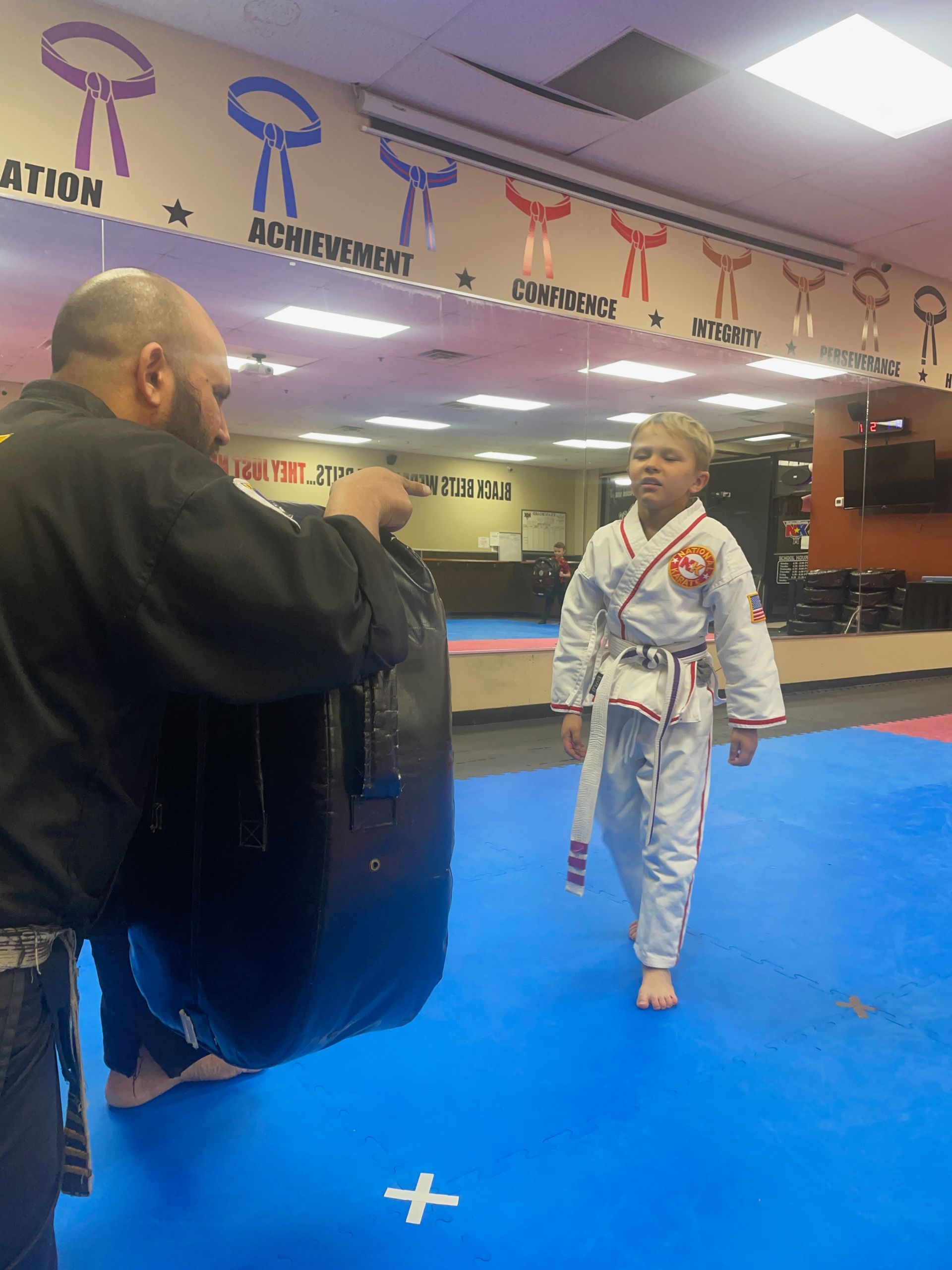
In our Karate classes, you can expect a welcoming structure. We start with movement and basics, focus on technique you can repeat safely, and layer in partner drills at a pace that makes sense. You will work, you will sweat a bit, and you will leave feeling like you learned something specific.
In our kickboxing training, the first class usually feels more athletic. You will still learn fundamentals, but you may notice the pace is higher and the combinations are longer. We keep coaching front and center so intensity does not become chaos.
What we recommend for busy adults
If your schedule is tight, consistency beats perfection. We recommend picking a plan you can realistically follow for the next 8 to 12 weeks. That is where results start to feel real.
Here are a few practical signals you are choosing well:
- You feel challenged, but not destroyed for two days after every class
- You can name one thing you improved each week, even if it is small
- You feel safer and more coordinated, not just tired
- You can see yourself training through seasonal busy stretches
A Simple Way to Get Started Without Overthinking It
If you want a clear, no-drama way to decide between Karate and kickboxing, use a short trial period mindset. Your first goal is not mastery. It is fit.
1. Choose your top goal: self-defense, fitness, confidence, or structure
2. Try a beginner-friendly class and notice the pace and contact level
3. Pay attention to how your body feels the next day
4. Commit to a short training block and track progress week to week
5. Adjust based on results, not assumptions
This approach works because it puts your real experience ahead of internet opinions. And honestly, that is where the truth is.
Take the Next Step
Choosing between Karate and kickboxing comes down to the outcome you want and the training style you will stick with. If you want structured progress, controlled contact, and skills that support self-defense and long-term development, Karate is usually the best place to start. If you want a faster-paced conditioning focus with combination-heavy striking, kickboxing can be a great match.
We built our options at Wisconsin National Karate Kickboxing & Krav Maga so you do not have to guess your way forward. You can explore the class schedule, try a class, and talk with us about your goals so your training plan fits your life in New Berlin, not just an ideal week on paper.
Continue your martial arts journey beyond this article by joining a Karate class at Wisconsin National Karate.