Is Karate Right for You? Exploring Styles and Goals in New Berlin
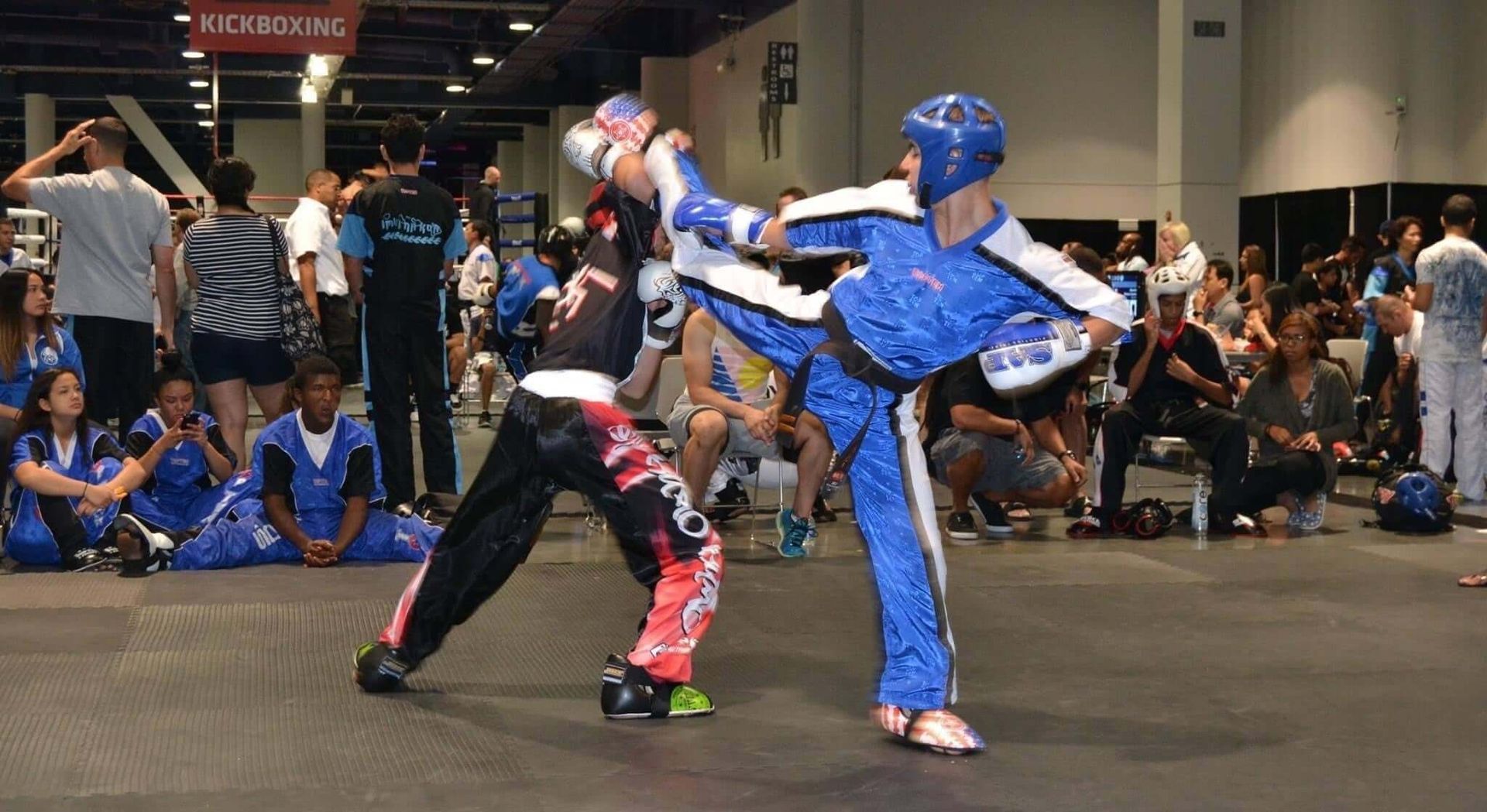
Karate can be many things at once: a workout, a skill, a mindset, and a practical path to confidence.
Choosing Karate usually starts with a simple question: what do you actually want out of training? Some people want a clear, structured way to get fit. Some want practical self-defense. Others want their child to build focus, respect, and follow-through without it feeling like another lecture. In New Berlin, we meet students at all of those starting points, because goals are personal, and progress should be, too.
We also know that starting can feel weird. You might be excited and skeptical at the same time. You might wonder if you are too out of shape, too busy, or too new to this kind of environment. Our job is to make the path clear: what Karate is, how styles differ, and how your goals connect to the right kind of training.
If you are exploring Youth Karate in New Berlin or looking for a place where adult training still feels welcoming, this guide will help you understand how we think about the journey, what you can expect from class, and how to decide if this is the right fit.
What Karate really is and what it is not
At its core, Karate is a system of skill-building. You learn how to move your body with intention, how to generate power safely, how to manage distance, and how to stay calm under pressure. Over time, it becomes less about memorizing techniques and more about applying principles: balance, timing, control, and awareness.
Karate is not magic, and it is not just about fighting. We treat it like a craft. You train the basics, refine them, and stress-test them in appropriate ways for your age and experience. That approach is what turns training into something you can rely on, instead of something that only works in your imagination.
It also helps to be clear about what you are signing up for: consistent practice. Progress is real, but it is earned. We keep things encouraging and structured, but we do not pretend you can get confident by reading about confidence.
Styles, training methods, and why “style” is only part of the decision
People often ask about styles first, and that makes sense. Different Karate traditions can emphasize different rhythms of movement, different types of sparring, and different ways of teaching forms and fundamentals. But here is the more useful question: what training methods will help you reach your goals?
We look at three big building blocks.
Fundamentals that create reliable technique
Fundamentals are the unglamorous part that makes everything else work: stance, footwork, posture, guard position, hip rotation, and breath control. When these pieces are trained well, you hit with more power, move with better balance, and protect yourself more naturally.
This is also where injuries get prevented. Good mechanics keep training sustainable, especially for adults who sit at desks all day or parents who are already carrying a little extra stress in their shoulders and hips.
Forms, drills, and repetition with purpose
Some students love the precision of forms. Others prefer partner drills. We use both because each teaches something different. Forms build coordination, sequencing, and focus. Drills build timing, reaction, and application. Repetition is not “doing the same thing forever” when it is coached well. It is how your body learns to respond without freezing.
You may notice that the first few weeks feel like your brain is busy. That is normal. Eventually, the movements start to click, and the mental load drops. That is one of the quiet benefits of training: you become more comfortable learning new things again.
Controlled contact and pressure in the right dose
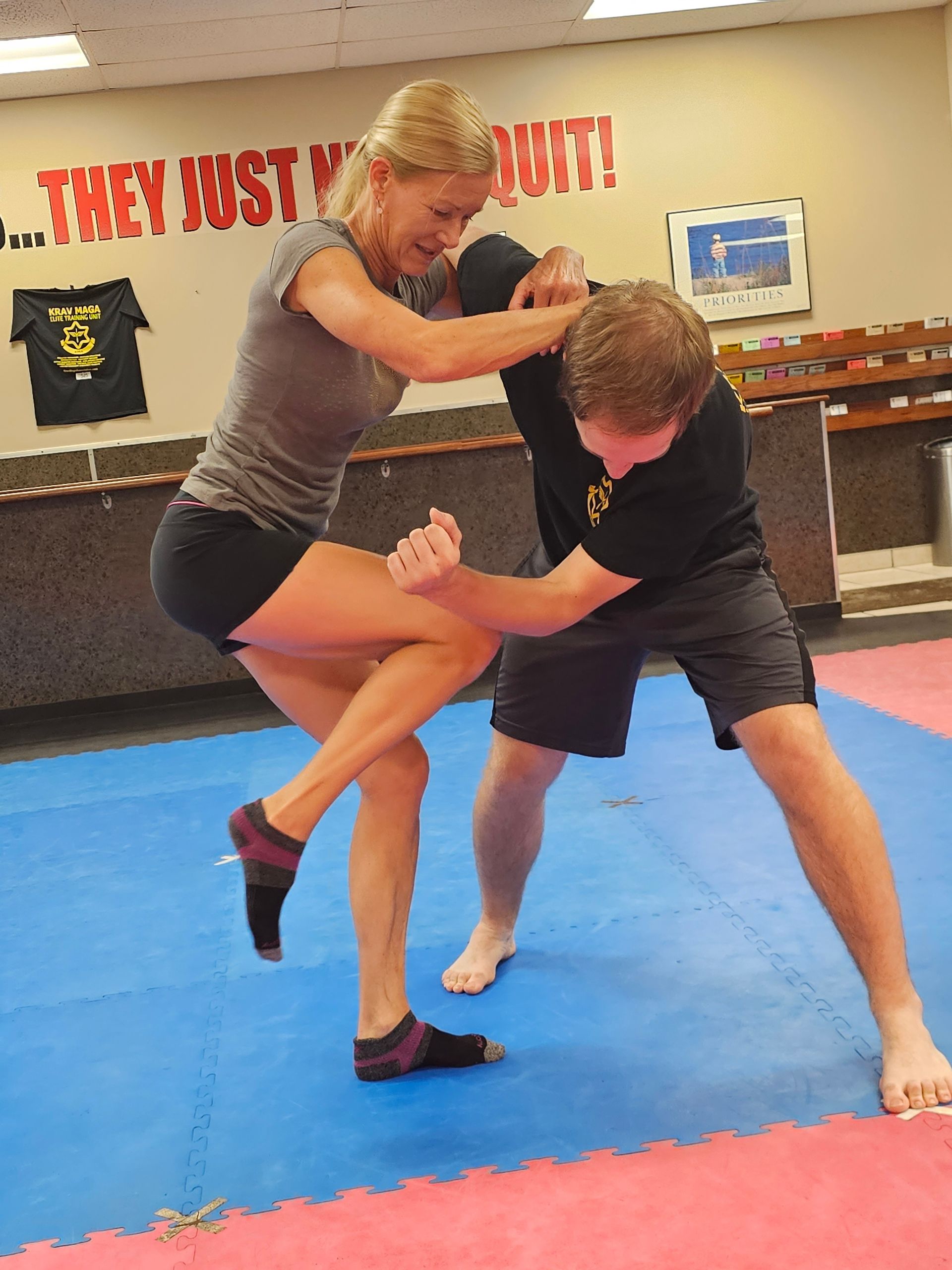
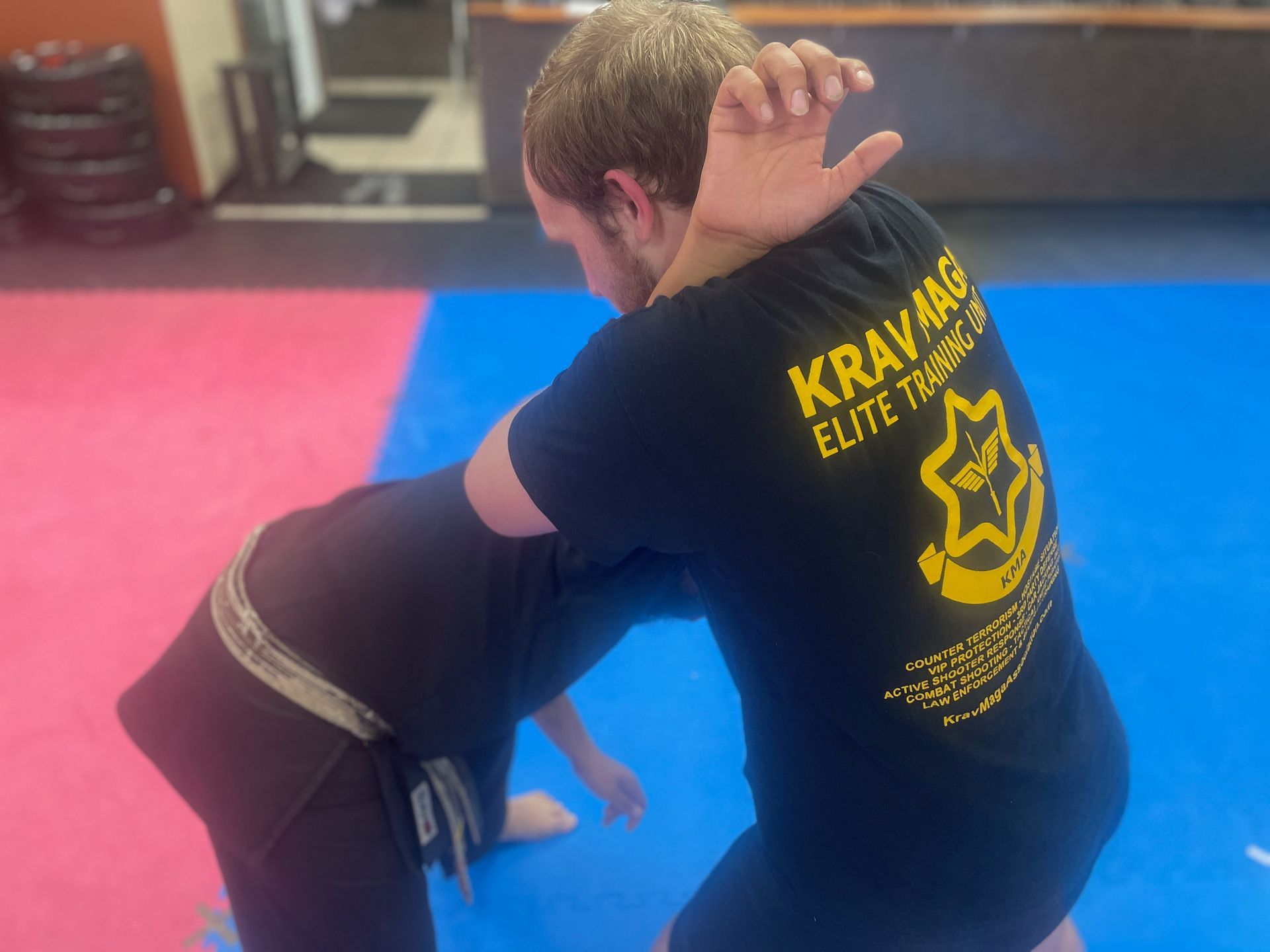
If your goal includes self-defense or performance under stress, you need some level of pressure testing. That does not mean everyone is thrown into hard sparring. It means we scale intensity to your age, experience, and comfort level while still giving you chances to apply what you are learning.
The right dose of pressure is what turns technique into usable skill. You do not want to be shocked by adrenaline the first time something feels fast. You want to recognize that feeling and keep working anyway.
Matching Karate to your goals in New Berlin
The easiest way to know if Karate is right for you is to map your goals to what training actually does. Here are the most common outcomes we help people pursue, and what usually makes the difference.
Goal: fitness you can measure without getting bored
Karate training builds strength, coordination, and conditioning, but it also gives you markers of improvement that are not just a number on a scale. Your kicks get higher. Your balance improves. Your recovery between rounds gets better. You stop feeling clumsy during footwork. Those are real wins.
We also like the way skill-based fitness keeps people consistent. When you are learning, you show up because you want to get better, not because you feel guilty. That is a much more sustainable motivator.
Goal: practical self-defense and awareness
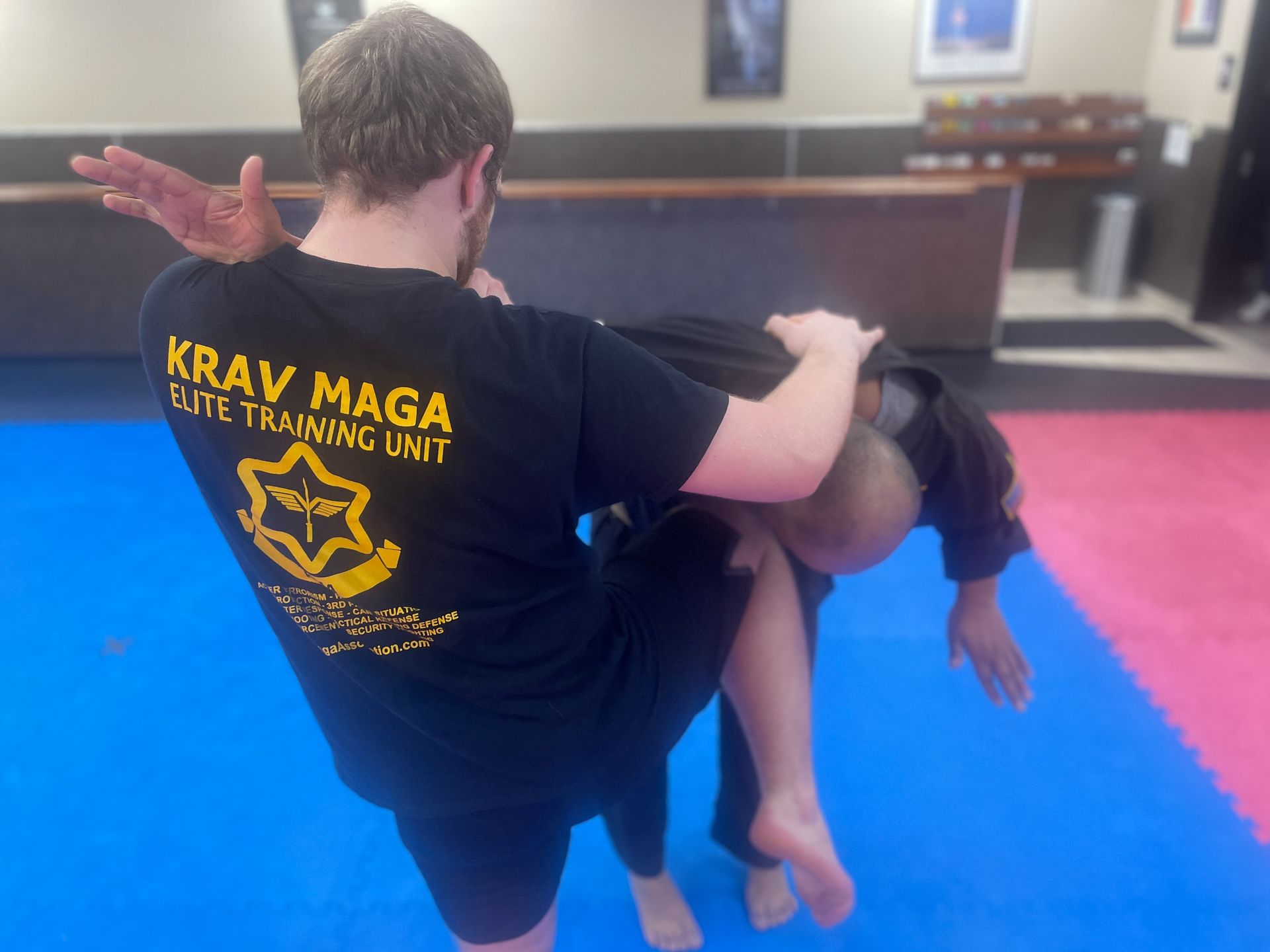
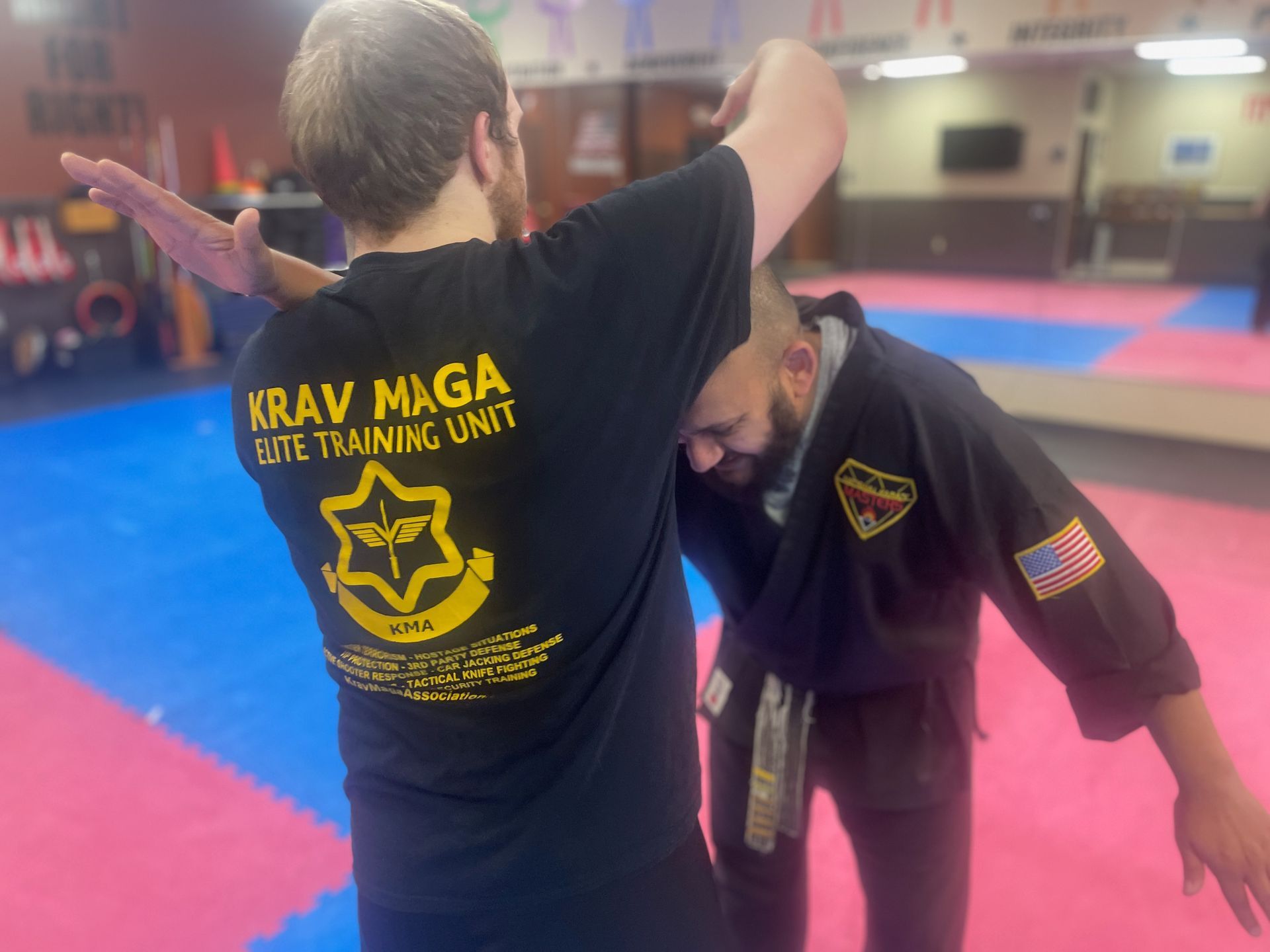
Self-defense is more than techniques. It includes posture, boundary-setting, and situational awareness. We build these habits into training so you are not only learning how to strike, but also how to recognize and avoid problems earlier.
When people say they want self-defense, they usually mean they want to feel less helpless. Karate can support that goal by building a calm, ready posture and the ability to move decisively. You learn what distance feels like, what a stable stance is, and how to protect yourself while moving.
Goal: confidence and focus for kids and teens
Youth Martial Arts in New Berlin is not just about burning energy, although that does help. For many families, the real value is structure. Kids learn how to listen, follow directions, take correction, and keep going after mistakes. That is a life skill dressed up as training.
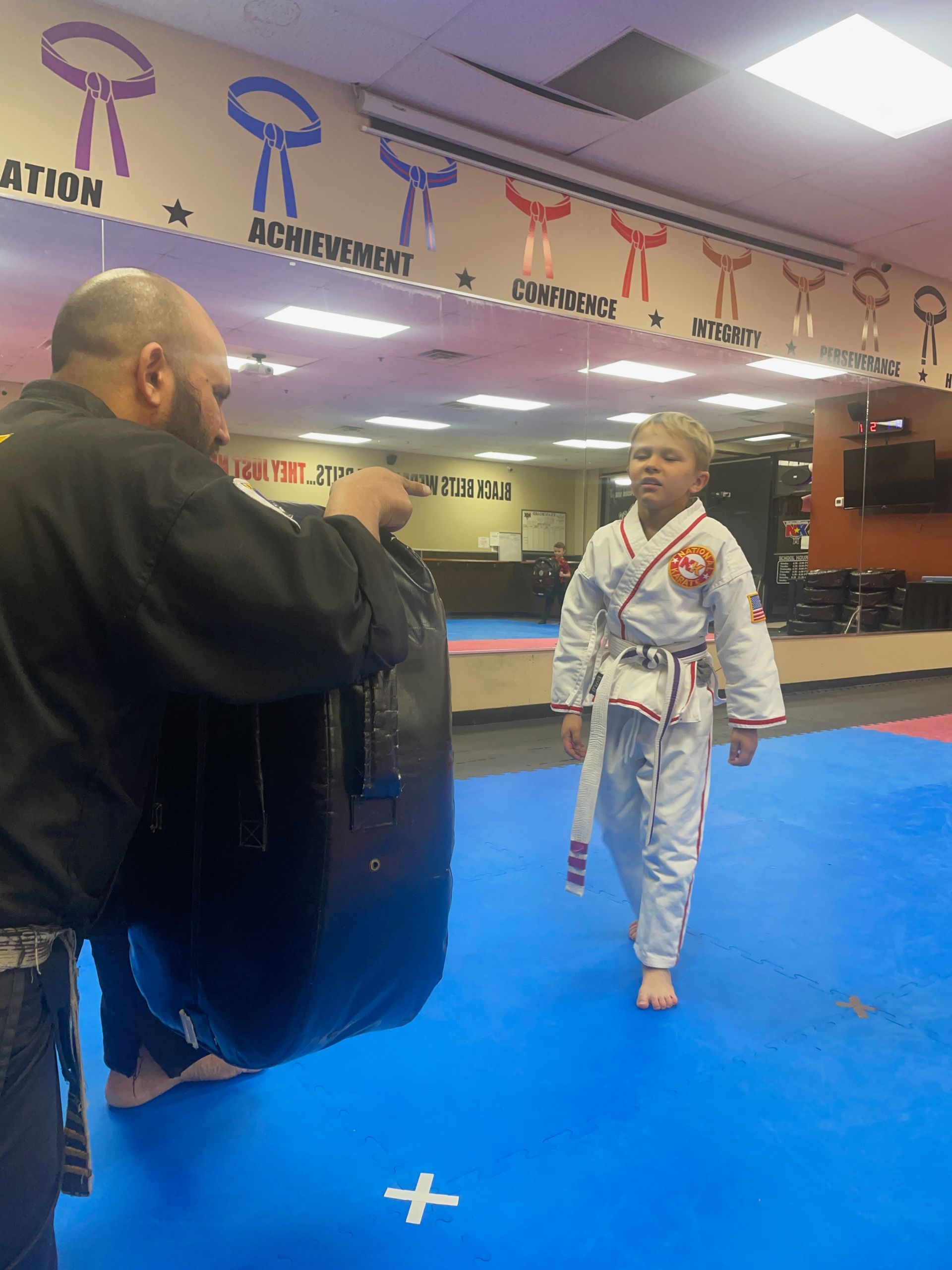
In Youth Karate in New Berlin, we keep classes active and age-appropriate, with clear expectations and consistent routines. Kids benefit from knowing what “good effort” looks like and having coaches who notice it.
What you can expect in a typical class
A good class has a rhythm. You should feel guided, not lost, and challenged, not overwhelmed. While exact content depends on the program and level, most sessions include a blend of these elements:
• Warm-up and movement prep that loosens hips, ankles, shoulders, and core without wasting time
• Technical instruction where we break down a small number of skills and coach the details
• Partner drills or pad work that lets you feel timing, distance, and control in a safe way
• Conditioning that supports performance, like stance holds, core work, or interval rounds
• A short wrap-up that reinforces what you improved and what you should focus on next
You will probably be a little tired and a little proud after class. That combination is common, and honestly, it is part of why people stick with it.
Who Karate tends to fit best (and when it might not)
Karate is a great fit if you like structure, clear progress, and training that combines physical skill with mental discipline. It works well for adults who want a practice, not just a workout, and for kids who benefit from consistent expectations.
It may be a tougher fit if you want a completely unstructured environment where you just show up and freestyle every day. We keep training supportive, but we also keep it organized. That structure is where the growth comes from.
If you have past injuries, we can still often work with you, but you need to be willing to communicate and scale intensity. Training smart is part of training well.
The role of schedule and flexibility in long-term progress
One of the biggest predictors of success is not talent. It is attendance. You do not need to train every day. You just need a schedule you can actually maintain.
We offer classes across multiple days and time blocks, including weekday evenings and Saturday hours, because real life is busy. Some students prefer a consistent weekly routine. Others rotate times depending on work, school, or family needs. We support that because the best plan is the one you will follow for months, not the one you imagine for one perfect week.
We also offer flexible training options that can include in-person and virtual classes, along with private lessons and family classes. That flexibility matters when your calendar changes, but your goals stay the same.
How we help beginners feel comfortable fast
Starting is easier when you know what “good beginner” looks like. It does not look like perfection. It looks like effort, listening, and showing up again.
We introduce skills progressively and explain the why behind the movement, not just the shape. When you understand the purpose of a stance or a guard position, you improve faster because you can self-correct. We also keep the environment respectful and focused. You should feel welcome, but you should also feel like you are here to train.
If you are nervous about being watched, you are not alone. Most people feel that on day one. It usually fades quickly once you realize everyone is working on something, and nobody is grading you on your first attempt.
A simple way to choose your focus: three training paths
If you are still deciding, we recommend choosing one primary focus for your first few months. You can always expand later. Here are three common paths we help students follow:
1. Foundation first: prioritize basics, mobility, and consistent attendance to build clean technique
2. Performance and conditioning: emphasize pad rounds, combinations, and fitness benchmarks tied to skill
3. Self-defense readiness: focus on distance, timing, awareness, and realistic drilling at an appropriate intensity
None of these paths locks you in. They just help you start with clarity, which makes training feel less scattered.
Take the Next Step with Wisconsin National Karate Kickboxing & Krav Maga
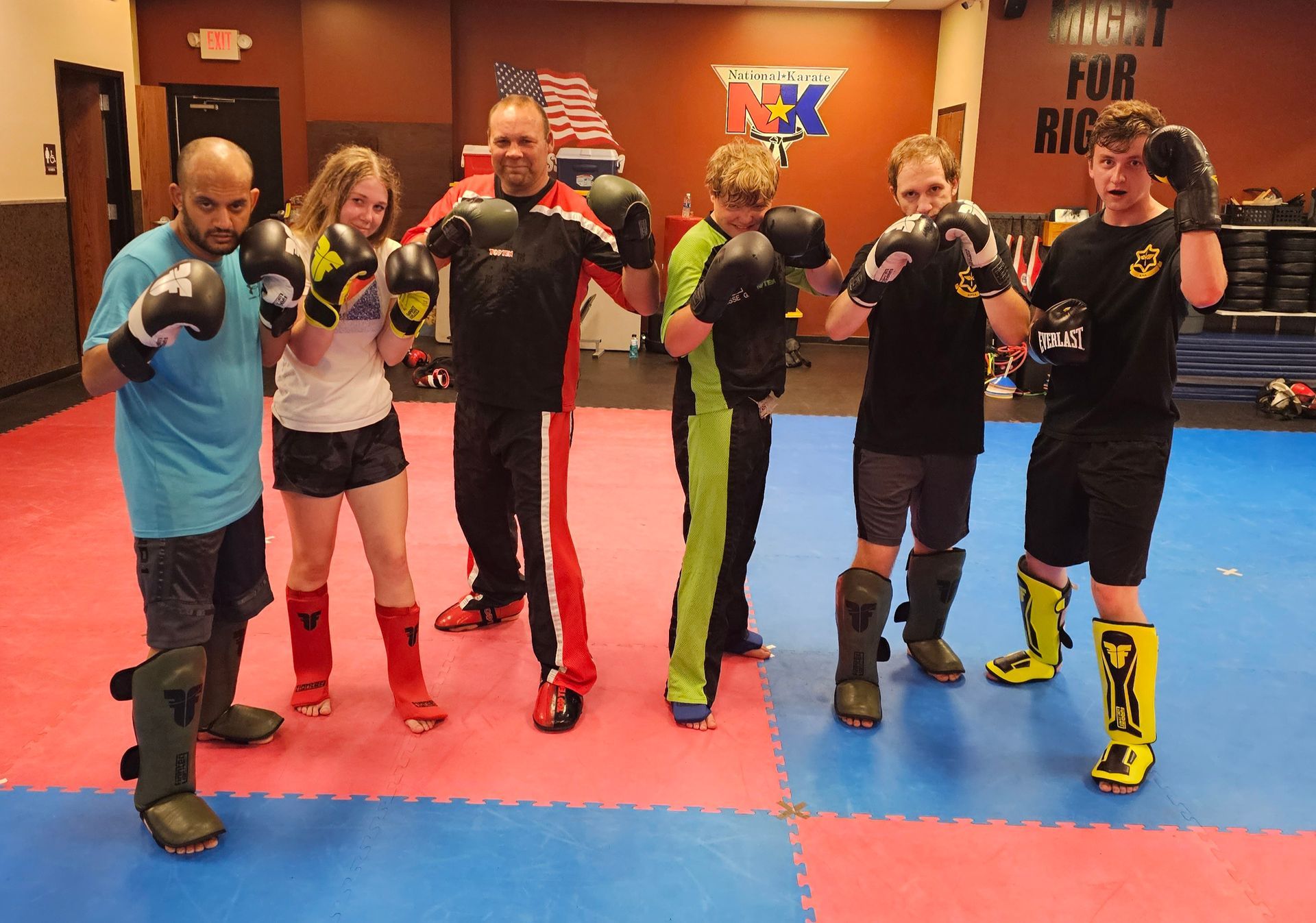
If you want Karate training in New Berlin that balances structure, skill development, and real-world confidence, we built our programs to meet you where you are and keep you progressing. Whether your priority is Youth Martial Arts in New Berlin, a focused adult practice, or a family activity you can actually sustain, we will help you connect your goals to the right training plan.
You can explore options, get a feel for the class schedule, and start with a clear first step at Wisconsin National Karate Kickboxing & Krav Maga, where we keep training practical, respectful, and genuinely doable week after week.
Train consistently and see real progress by joining a Karate class at Wisconsin National Karate.