How Youth Karate Sparks Lifelong Healthy Habits in New Berlin Kids
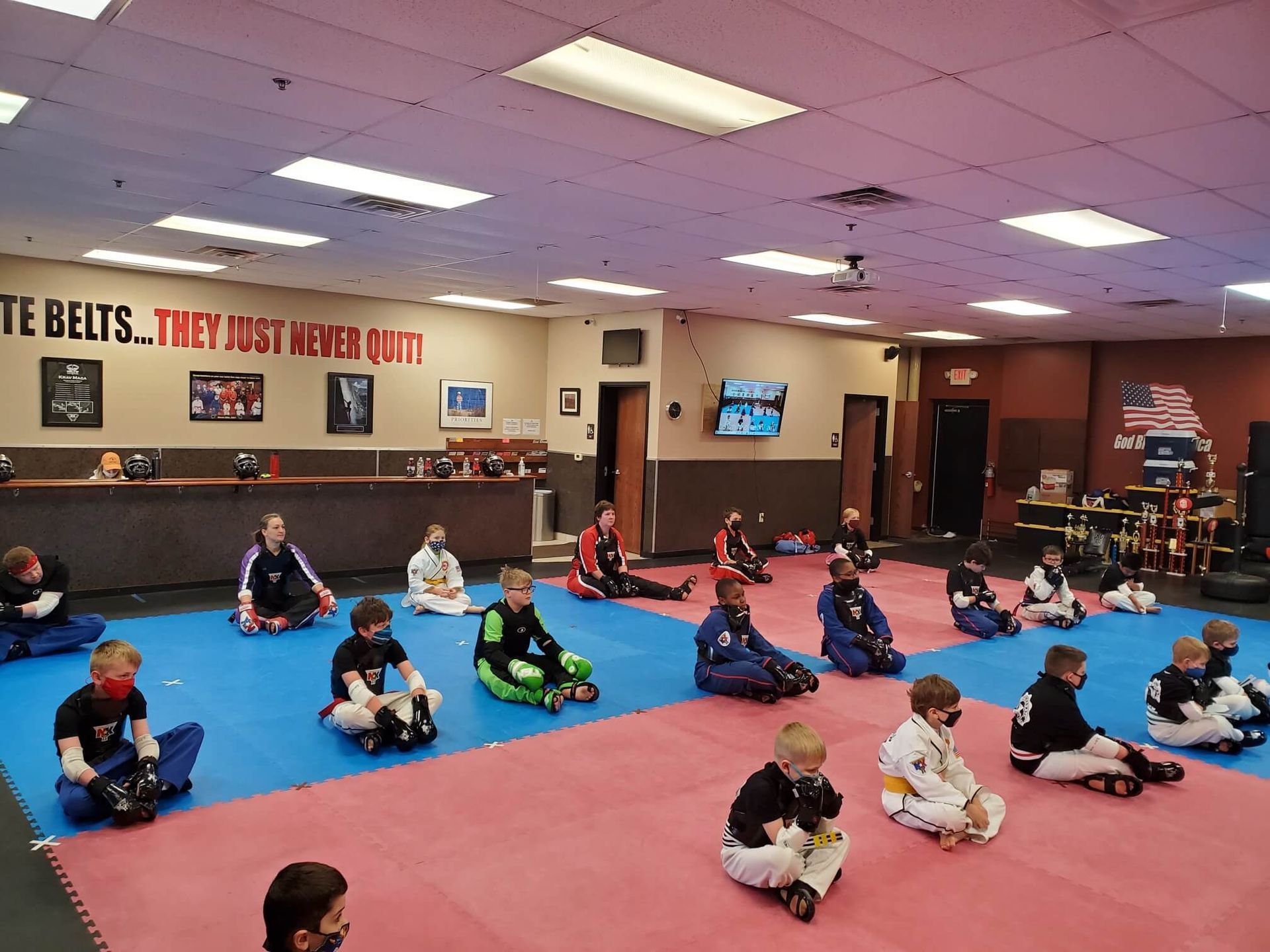
Youth Karate can be the starting point for a healthy routine that sticks long after childhood ends.
Parents in New Berlin tell us a similar story: staying active is not usually the hard part, but staying consistent is. Schedules get busy, motivation comes and goes, and kids outgrow activities faster than shoes. Youth Karate works differently because it blends movement with structure, clear goals, and a sense of progress your child can actually feel week to week.
In our classes, Youth Karate is not treated like random exercise disguised as fun. We teach it as a skill, and that matters. When kids see that effort leads to measurable improvement, healthy habits start to attach to something deeper than willpower.
This article explains how Youth Karate in New Berlin can support fitness, focus, confidence, and better daily choices, and how our coaching approach helps those benefits last.
Why healthy habits are hard for kids to keep and how martial arts helps
Most kids are not short on energy, but healthy habits require repeatable routines. A habit forms when the environment makes the next good choice easier than the next distracting choice. Youth Martial Arts in New Berlin gives kids a place where the expectations are clear: show up, try hard, listen, practice, and improve.
Karate also solves a problem many youth sports run into: kids can feel “picked” or “benched.” Our classes are structured so every student practices the same core skills, then progresses at an individual pace. That means your child is not waiting on a coach’s attention to participate. We build participation into the format, and that keeps kids engaged long enough for habits to take root.
Research on youth karate and martial arts consistently links training with improvements in physical fitness such as strength, flexibility, balance, coordination, and cardiorespiratory fitness. One year of karate training has been associated with notably higher overall fitness growth compared to non-participants, with especially meaningful gains in balance. We see those improvements show up in everyday life: fewer clumsy spills, better posture, and more confidence in how kids move through space.
The “show up” habit: how consistency becomes a skill
A lot of programs talk about discipline, but we treat it as something we coach, not something kids either “have” or “don’t have.” Your child learns consistency through small wins: lining up quickly, remembering how to tie a belt, staying focused through warmups, and returning next week ready to build on the last class.
We also keep goals close enough to reach. When progress is too vague, kids drift. When progress is too hard, kids quit. Karate is naturally built around stepping stones, so the student always has a next target. That forward pull makes “showing up” feel purposeful instead of like another obligation on the calendar.
What consistency looks like in a real week
A typical student starts to connect dots outside the dojo within a few months. Homework happens a little faster because attention improves. Morning routines get smoother because kids practice following steps. Even basic self-care, like drinking water and stretching, feels more normal because our classes reinforce those behaviors without making it a lecture.
Healthy habits are rarely about one big breakthrough. Usually, the win is quieter: less arguing about practice, fewer “I don’t want to go,” and more moments where your child takes initiative.
Building a healthy body through Youth Karate training
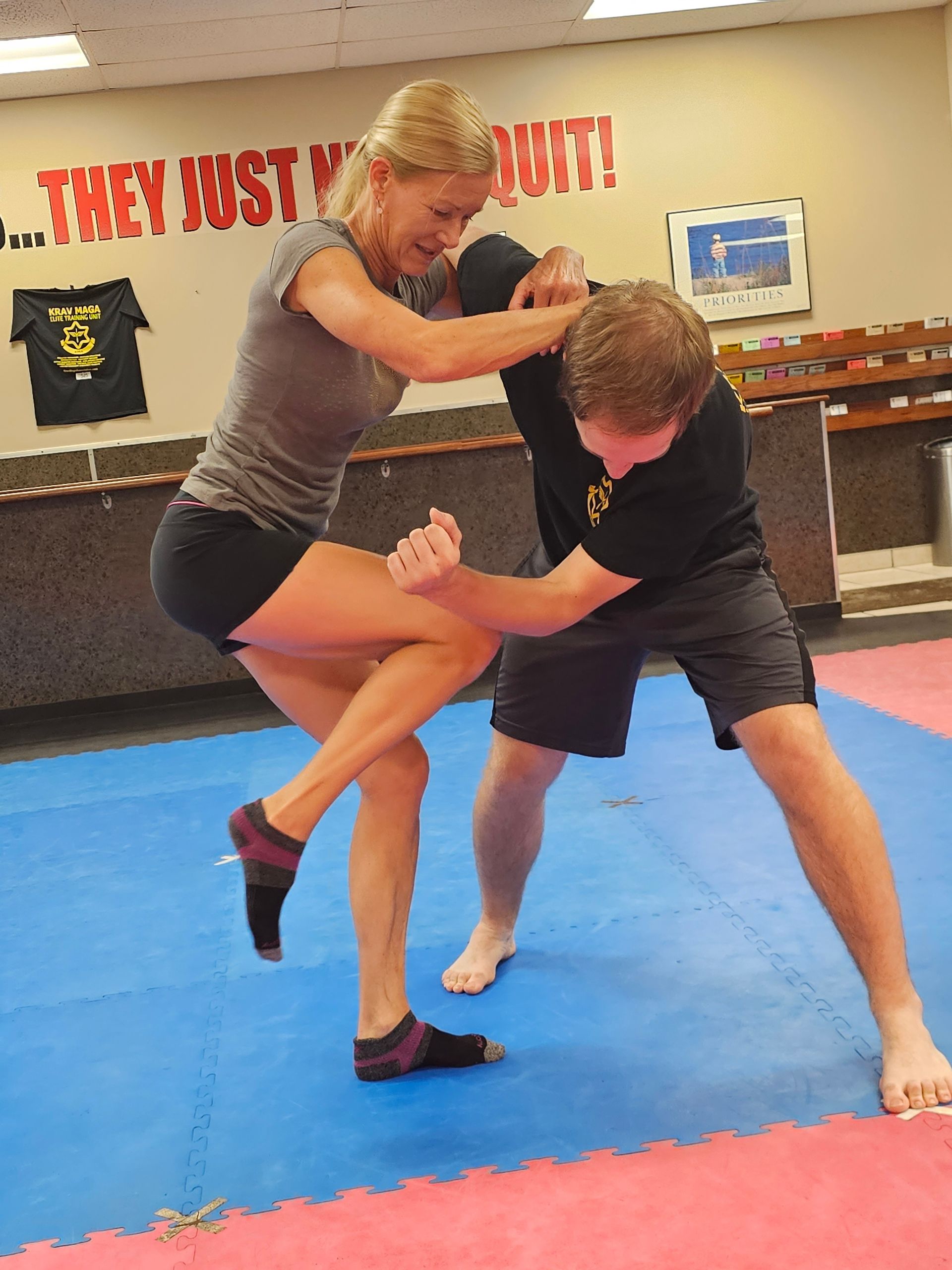
Youth Karate is full-body training, but it is also skill-based movement, which keeps kids mentally involved. Instead of doing reps just to do them, students are learning how to generate power through the hips, maintain balance while kicking, and coordinate hands and feet under control.
From a health perspective, this matters because kids are more likely to stick with an activity that feels like learning, not just sweating. Over time, our students build:
• Better balance and coordination through stance work, kicking mechanics, and controlled footwork
• Stronger legs and core from repeated movement patterns, not just occasional “conditioning”
• Improved flexibility through consistent warmups and safe range-of-motion training
• Cardiorespiratory endurance because classes cycle between technique, drills, and active practice
• Healthier body composition as kids stay active in a structured way across seasons
We keep safety and form at the center. Kids do not need to be pushed to exhaustion to improve fitness. They need consistent practice, good coaching, and a pace that keeps technique clean.
Balance is a “hidden” health benefit parents notice fast
Balance is easy to overlook until you see it improve. Karate puts kids in positions where wobbling is normal at first, then gradually less normal. That’s good news for sports performance, but it is also good news for basic confidence. A child who feels physically stable tends to feel emotionally steadier, too, especially in new environments.
The food, sleep, and hydration ripple effect
We cannot make choices for your child outside class, but we can create the conditions where better choices start to feel natural. Youth Martial Arts in New Berlin often becomes the first activity where kids notice cause and effect in their bodies.
If a student comes to class tired, focus slips. If a student skips water, energy drops. If a student eats only sugar before training, the crash is real. Over time, kids start experimenting with better routines because they want to feel good during class.
We keep these conversations simple and age-appropriate. Instead of rules, we focus on performance cues:
• “Try drinking water earlier in the day so you are not catching up at class.”
• “A good night of sleep makes learning techniques easier.”
• “A balanced snack helps you stay steady through drills.”
That approach helps kids build self-awareness, which is the root of lasting healthy habits.
Confidence that does not depend on being the loudest kid in the room
Confidence is sometimes misunderstood. We are not trying to turn every student into an extrovert. We are building a quieter kind of confidence: the ability to stay composed, follow instructions, and keep trying when something feels difficult.
Studies on youth karate have found parent-reported gains in self-expression and confidence, including comfort speaking up in front of groups. We see that in small moments: a student asks a question instead of freezing, or volunteers to demonstrate a technique even if it is not perfect.
This matters for healthy habits because confidence is a fuel source. Kids who believe “I can get better” tend to practice more, move more, and take setbacks less personally.
How we coach confidence in class
We use a mix of clear expectations and positive correction. Kids get direct feedback, but it is never vague. “Good job” is nice, but “your guard is higher and your stance is stronger” is what helps a student connect effort to outcome. That connection becomes a habit of thinking, and it carries into school and home life.
Focus and emotional control: the mental side of physical training
Youth Karate is a natural focus builder because it asks kids to pay attention in short bursts, then apply what they heard immediately. That is a powerful learning loop: listen, do, adjust, repeat.
We also train emotional regulation in practical ways. When kids get frustrated, we show them how to reset. When energy is too high, we teach them how to bring it down. When confidence dips, we guide them back to a workable step. Research on martial arts has linked training with reduced stress, improved mindfulness, and reductions in bullying behaviors, which aligns with what many parents hope for: better self-control without constant reminders.
In class, the skill is not “never feel mad.” The skill is “feel it, manage it, and keep moving forward.”
Social health: respect, boundaries, and teamwork
Kids do not just train beside each other. They learn how to share space, wait their turn, partner up safely, and treat peers with respect. Those are social health habits, and they matter more than people realize.
Because karate involves personal space and contact awareness, it naturally teaches boundaries. Students learn when to engage, when to pause, and how to follow rules that keep everyone safe. That carries into school settings where kids need to read social cues and manage impulsive decisions.
What parents often notice at home
A lot of families tell us the same few changes show up first:
1. Better listening, especially when directions are short and clear
2. More patience with siblings, or at least fewer blow-ups
3. More willingness to practice something hard without quitting immediately
4. A stronger sense of personal responsibility, like packing their gear or remembering class days
These are not instant transformations, but they are the kinds of shifts that build a healthier household rhythm.
Making healthy habits stick: how we structure Youth Karate in New Berlin
Youth Karate in New Berlin works best when training feels predictable in a good way. Our classes follow a rhythm so kids feel secure, but we vary drills enough to keep attention alive. That balance matters because kids thrive when they know what is coming next, yet still feel challenged.
We also teach habits explicitly, not as a side effect. Students practice:
• How to enter class and get ready quickly
• How to respond to coaching with a calm “try again” mindset
• How to set short goals and work toward them
• How to be a safe partner and a respectful teammate
Those routines become automatic, which is exactly how healthy habits work.
A quick note on motivation
Motivation is unreliable for adults, and it is even more unreliable for kids. We design our Youth Karate program so your child does not need to feel motivated every day to benefit. When the routine is strong, the habit carries them through the low-energy days, and the wins stack up.
Take the Next Step
If you want an activity that supports fitness, focus, and real-life self-management, Youth Karate is one of the most well-rounded options you can give your child. Our job is to make training clear, encouraging, and consistent so healthy habits do not fade when the school year gets busy.
You can see how we teach and what our schedule looks like at Wisconsin National Karate Kickboxing & Krav Maga, where we serve New Berlin families with structured classes that help kids grow on and off the mat.
Ready to begin your training journey? Join a karate or kickboxing class at Wisconsin National Karate today.