How Karate in New Berlin Unlocks Self-Defense Confidence for All Ages
Real confidence is built in small, repeatable moments of practice you can feel in your posture, your voice, and your decisions.
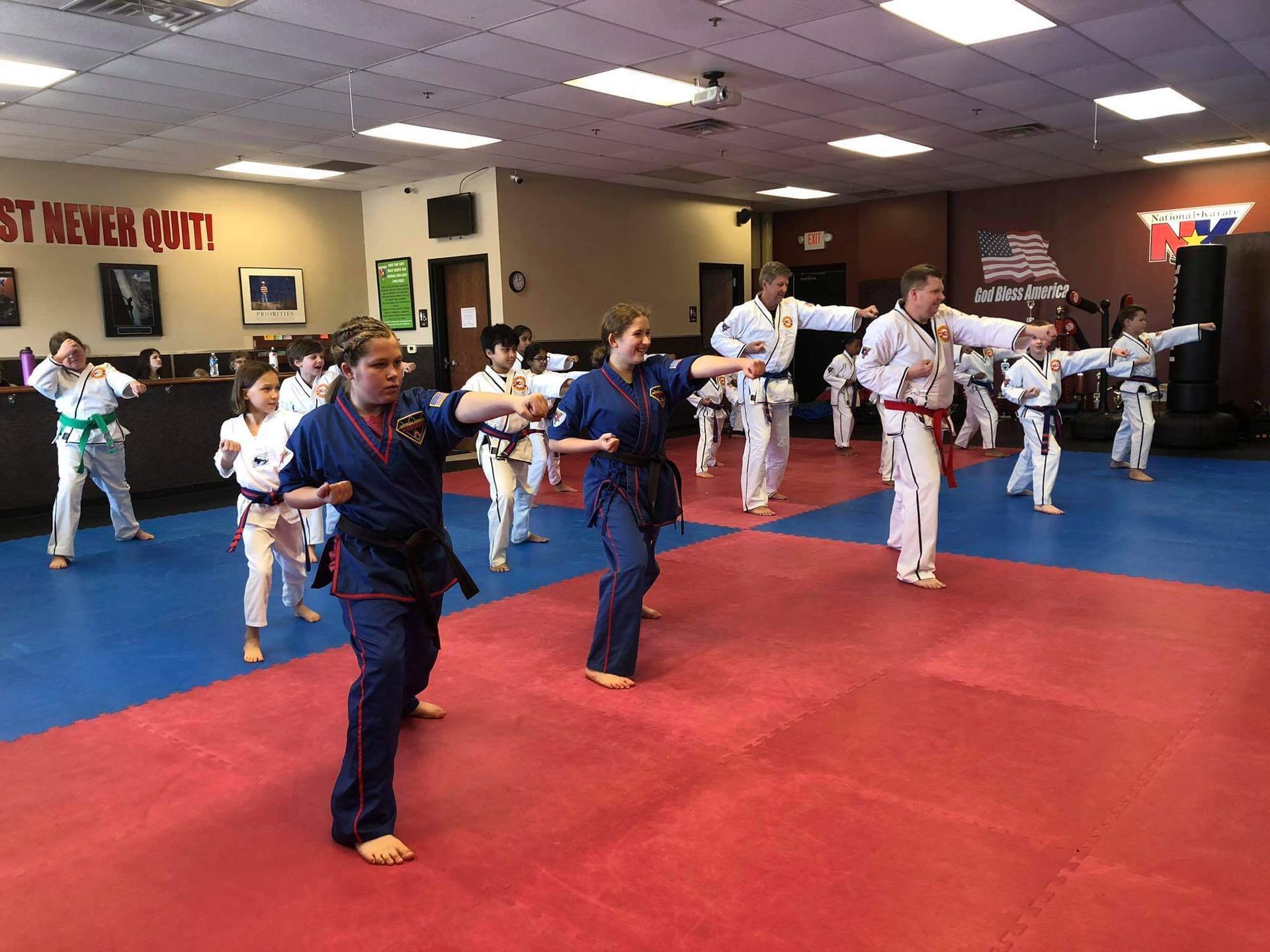
Karate is often what people think of first when they picture martial arts, but what surprises many new students is how quickly it becomes practical. In our New Berlin classes, we use Karate as a structured path to real self-defense habits: awareness, calm breathing under pressure, and the ability to move with purpose instead of freezing.
We also see something else happen that is harder to measure but easy to notice. Students start standing a little taller. Kids make eye contact sooner. Adults stop apologizing for taking up space. That is the kind of self-defense confidence that carries into school hallways, parking lots, workplaces, and everyday life.
Because we teach beginners every week, we build training so it works for real schedules and real bodies. Whether you are enrolling a kindergartener, a teen, or starting for yourself, we meet you where you are and help you build from there, step by step.
Why Karate is a confidence multiplier, not just a workout
A workout can make you tired. Karate training changes how you respond. Confidence is not something we try to hype up in a speech; it is something you earn by doing hard things in a controlled setting until your brain starts trusting you.
That is why we keep class structure consistent. Bowing in, lining up, working basics, drilling combinations, practicing partner skills, and cooling down are not just traditions. They create a rhythm that helps students feel safe enough to try, fail, adjust, and try again.
When you repeat quality movement with coaching, you build two kinds of confidence at once: physical confidence (you can move, strike, and defend) and decision confidence (you can choose what to do under stress). That combination is what self-defense is really about.
The difference between learning moves and learning readiness
We can teach a punch in minutes. Readiness takes longer, and it is worth it. Readiness means you notice what is happening sooner, you create distance when you need to, and you have a plan for your hands, your voice, and your feet.
Our Karate approach blends traditional technique with practical application. You learn how to generate power safely, how to protect your head, and how to move off the line. Then we connect those pieces to scenarios that make sense for your age and lifestyle.
A big part of readiness is also restraint. Students learn control, because real confidence does not need to prove itself. That lesson lands especially well with kids and teens.
What you learn in our New Berlin Karate classes (and why it matters)
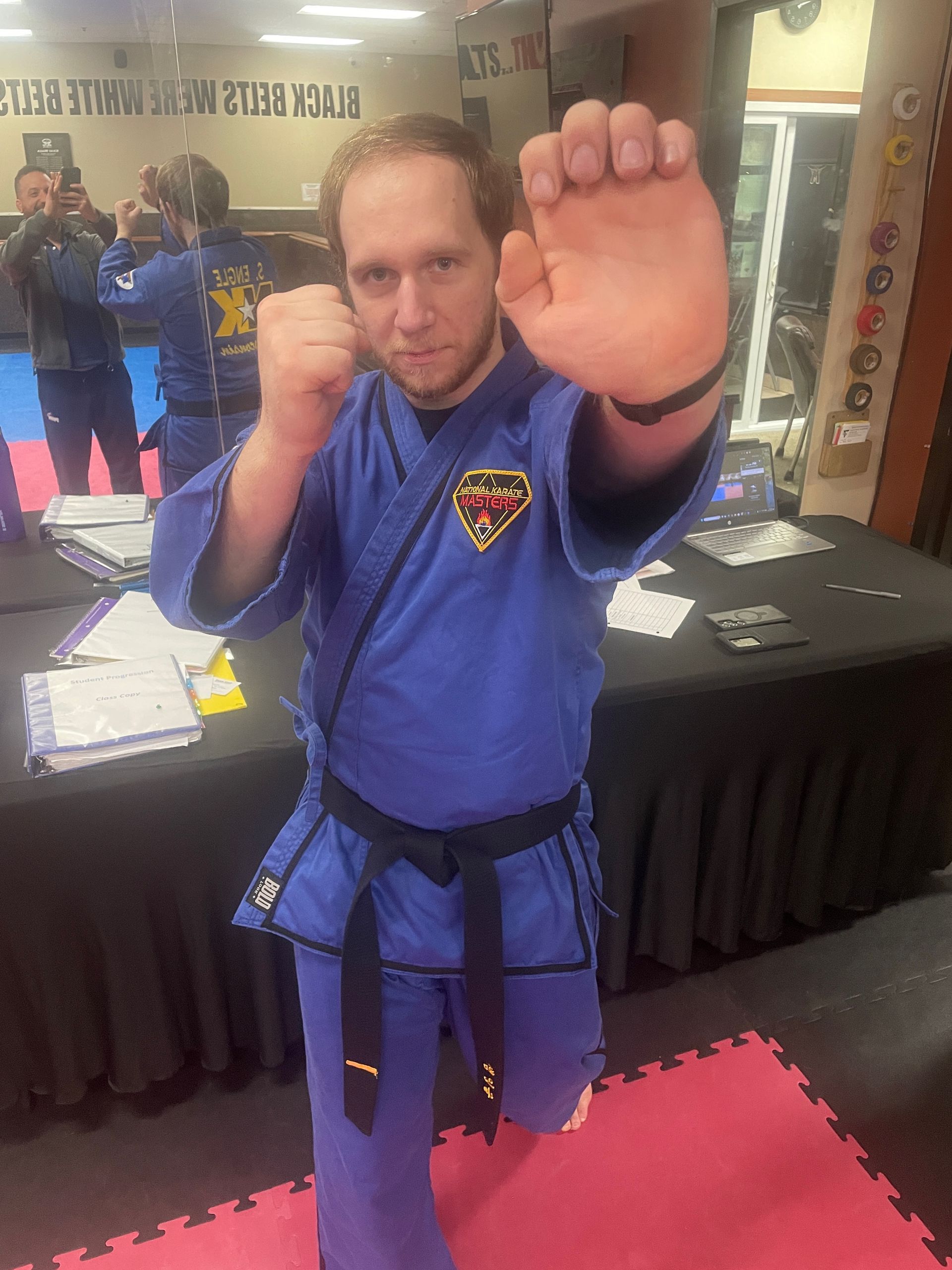
We teach Karate as a complete skill set: striking, blocking, footwork, balance, timing, and composure. But the real magic is in how the skills stack. Each week builds on the last, so you are never tossed into the deep end without a lane to swim in.
Here are a few things students typically develop as they train consistently:
• Strong stances and footwork that improve balance, posture, and quick direction changes
• Core striking tools like punches, kicks, knees, and controlled combinations you can actually remember
• Defensive habits such as keeping your hands up, moving your head, and creating space under pressure
• Partner drills that teach timing, distance, and calm communication without turning class into chaos
• Respectful training etiquette that builds self-control, focus, and the ability to learn from correction
That last point is easy to overlook, but it is one reason families stick with training. The culture of respect keeps the room safe and keeps improvement steady.
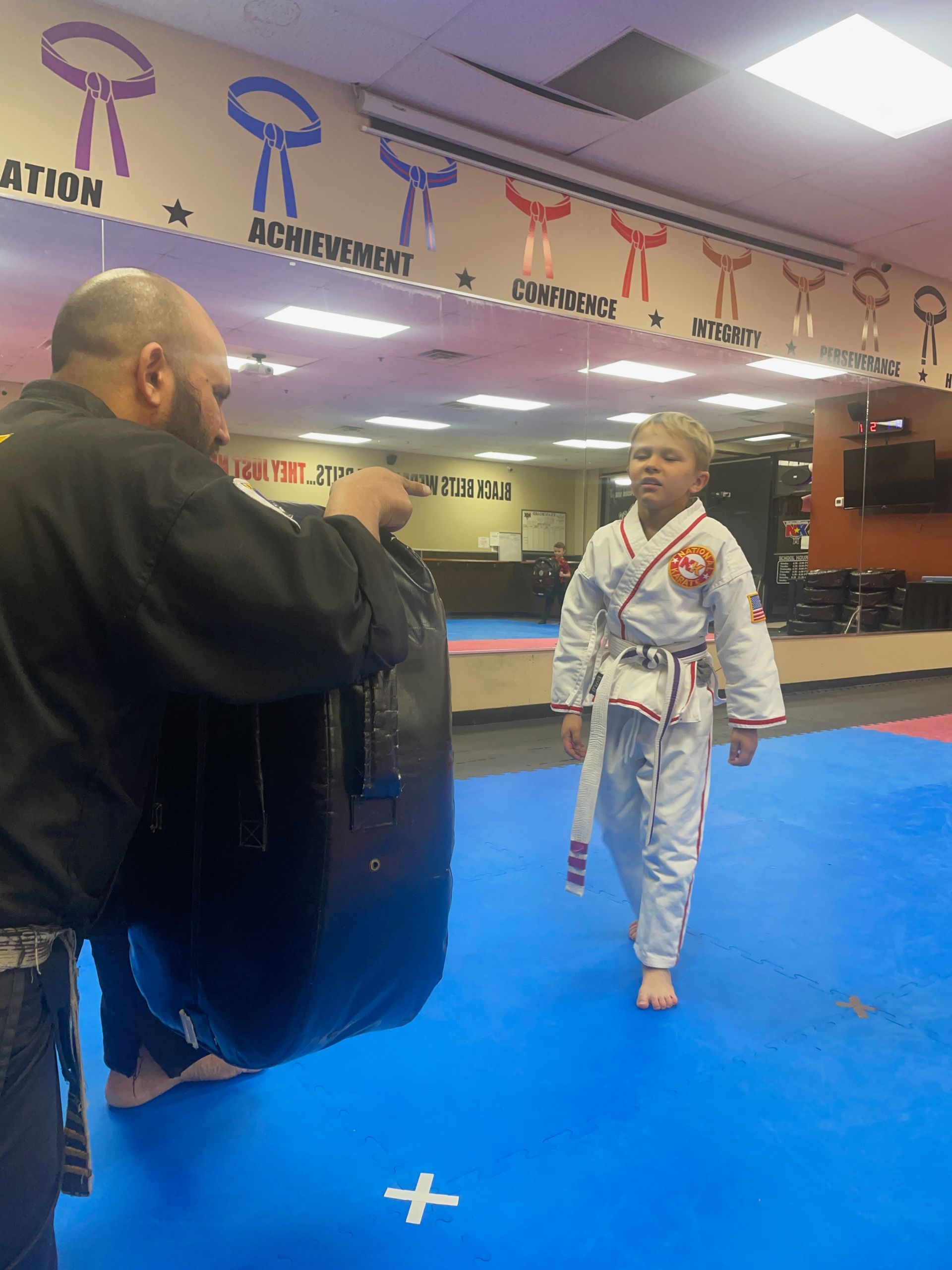
Youth Karate in New Berlin: confidence kids can use at school and at home
When families ask about Youth Karate in New Berlin, the question under the question is usually the same: Will this help my child carry themselves differently? We build our youth training around that outcome.
Kids thrive when expectations are clear and consistent. In class, we reinforce listening skills, taking turns, using a strong voice, and staying composed when something is challenging. Over time, those habits show up outside the studio: homework routines get smoother, teacher feedback is handled better, and arguments at home tend to cool down faster.
We also train self-defense in age-appropriate ways. For younger kids, that often looks like boundary setting, awareness, and getting to a safe adult. For older kids and teens, we can layer in more realistic responses while still keeping safety and control as the priority.
Anti-bullying skills without turning kids into bullies
A confident child is harder to target, and that is not just a motivational phrase. It is body language, eye contact, and the ability to speak clearly. We practice that directly.
We coach kids on:
• Using a firm voice and simple phrases that are easy to recall
• Keeping hands up in a non-threatening, protective position
• Moving toward safety rather than standing and arguing
• Knowing when to get help quickly instead of trying to win a confrontation
Those skills sit nicely inside Youth Martial Arts in New Berlin because they are life skills first. Karate techniques support the message, but the message matters just as much.
Teens and Karate: a better outlet than “figure it out later”
Teens live in a world of pressure, and it shows up in posture, mood, and motivation. Karate gives teens a place to work hard and see progress in a way that is not tied to a grade, a like, or someone else’s opinion.
We keep teen training challenging, because teens can tell when something is watered down. They learn combinations, partner work, and conditioning that makes them feel athletic and capable. We also talk about situational awareness, making smart decisions, and avoiding ego-driven choices. That part is quietly powerful.
Teens also benefit from a community that is positive but not fake. Training partners notice effort. Coaches correct with clarity. That kind of feedback loop builds a grounded confidence that lasts.
Adult Karate in New Berlin: practical self-defense and real fitness
Adults often walk in with one of two concerns: “Am I too out of shape?” or “Am I going to be the only beginner?” The answer is no to both. We plan for adults to start at zero and improve safely, and we keep class culture welcoming because nobody learns well when they feel judged.
Karate is a full-body workout that also improves coordination and mobility. You will sweat, but you will also learn how to move with intent. That matters if your goal is self-defense, because technique without balance or breathing control tends to fall apart under stress.
We also understand that adults want training to feel useful. That is why we pair technique with context: distance management, de-escalation mindset, and clean fundamentals that you can execute without needing perfect conditions.
How we keep training safe while still making it realistic
Safety is not the opposite of realism; it is what allows you to practice often enough to become good. We use progressive drills, protective equipment when needed, and coaching that emphasizes control.
Students earn intensity over time. You start with basics and controlled partner work, then build toward more dynamic training like sparring elements or advanced applications when you are ready. That progression is where confidence is born.
More than Karate: how we integrate kickboxing, Krav Maga, sparring, and weapons training
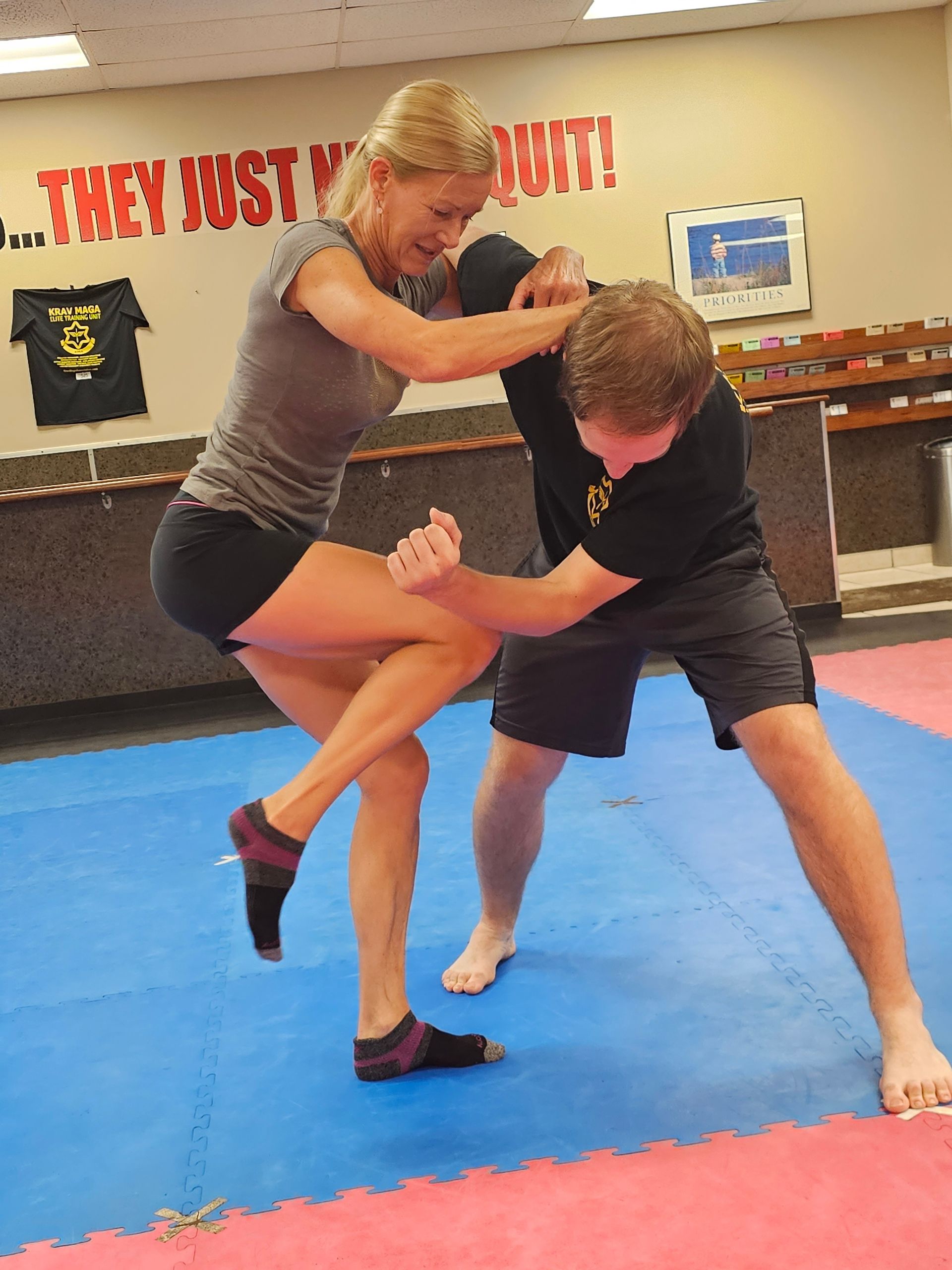
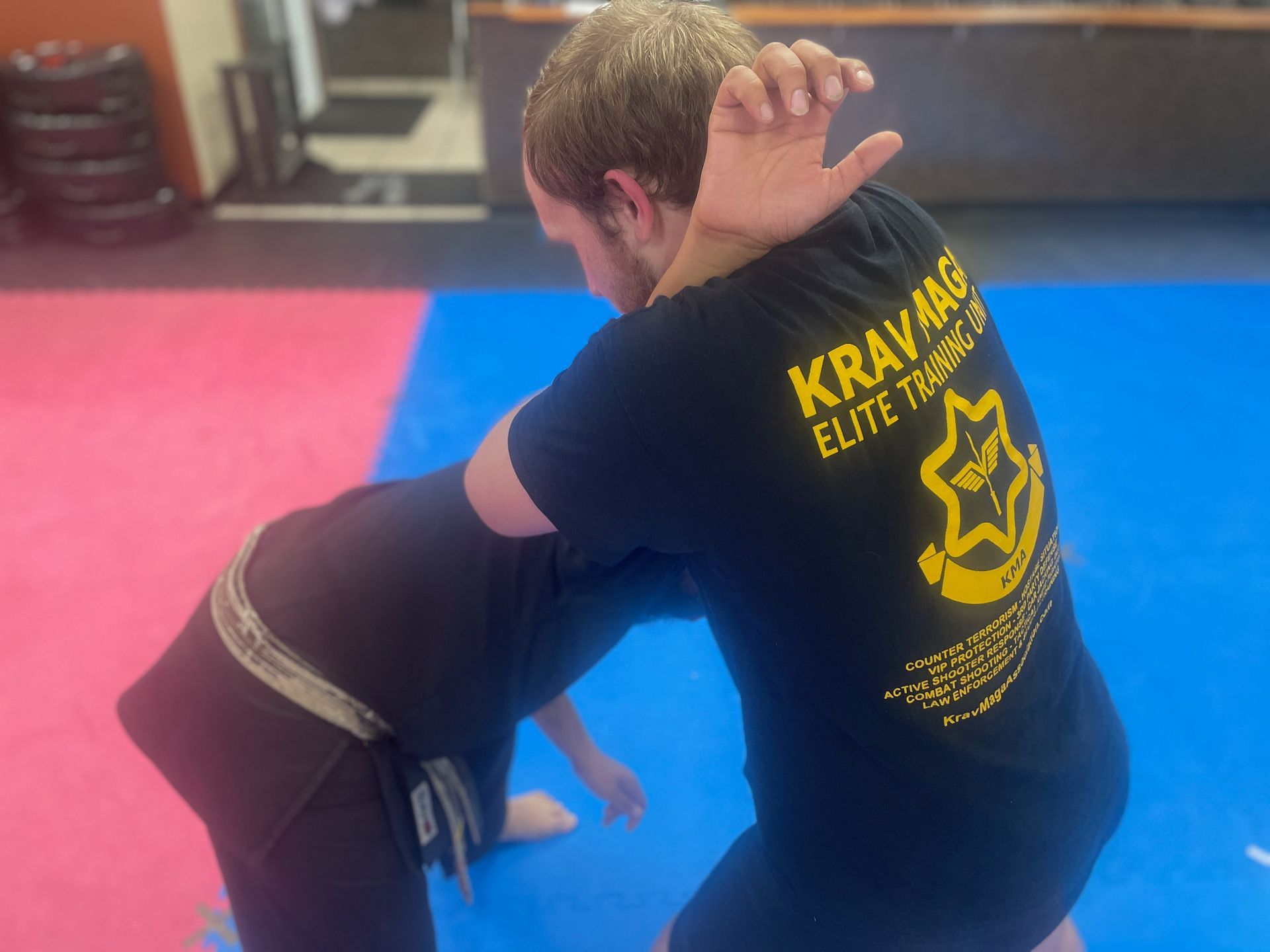
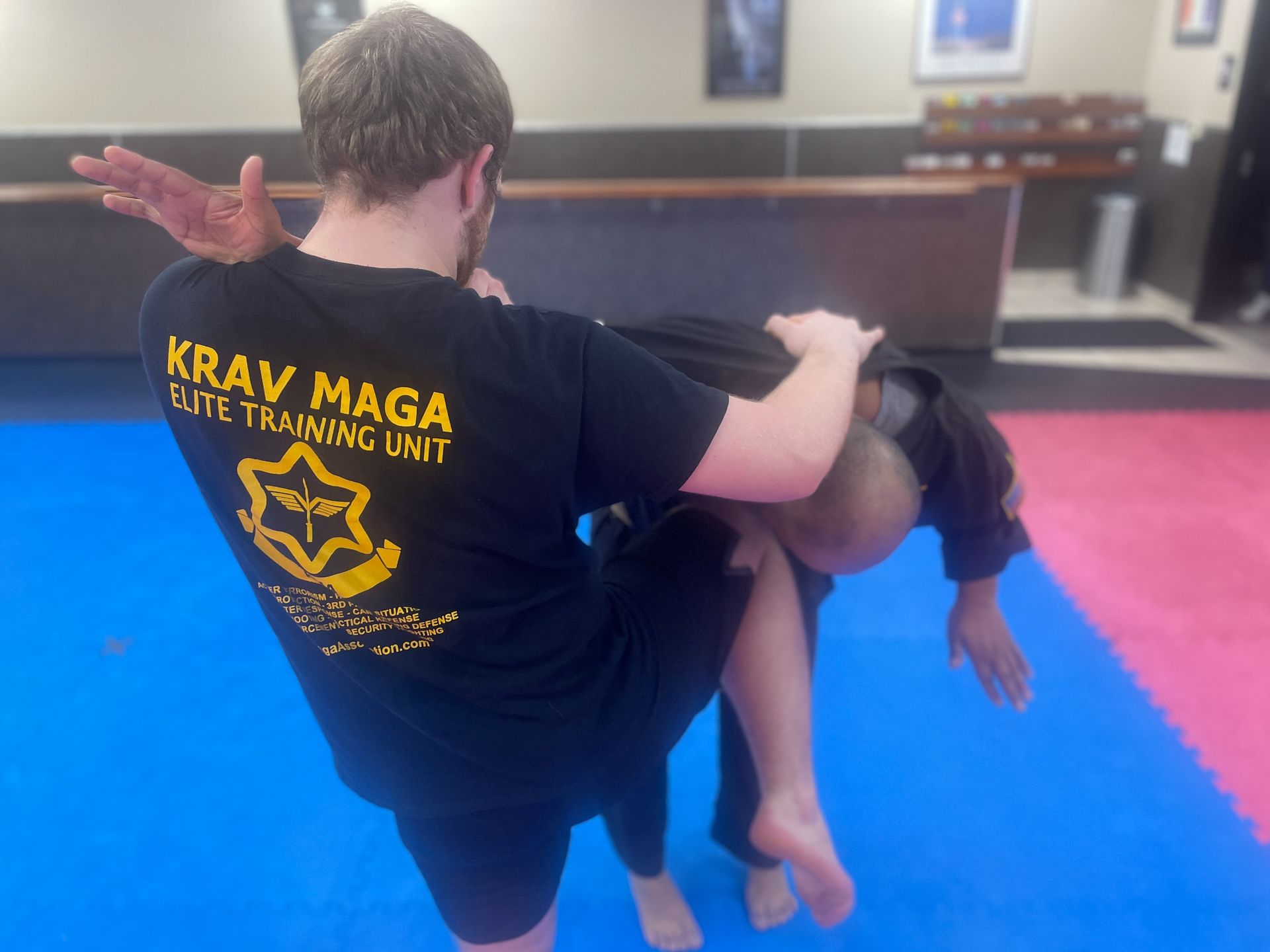
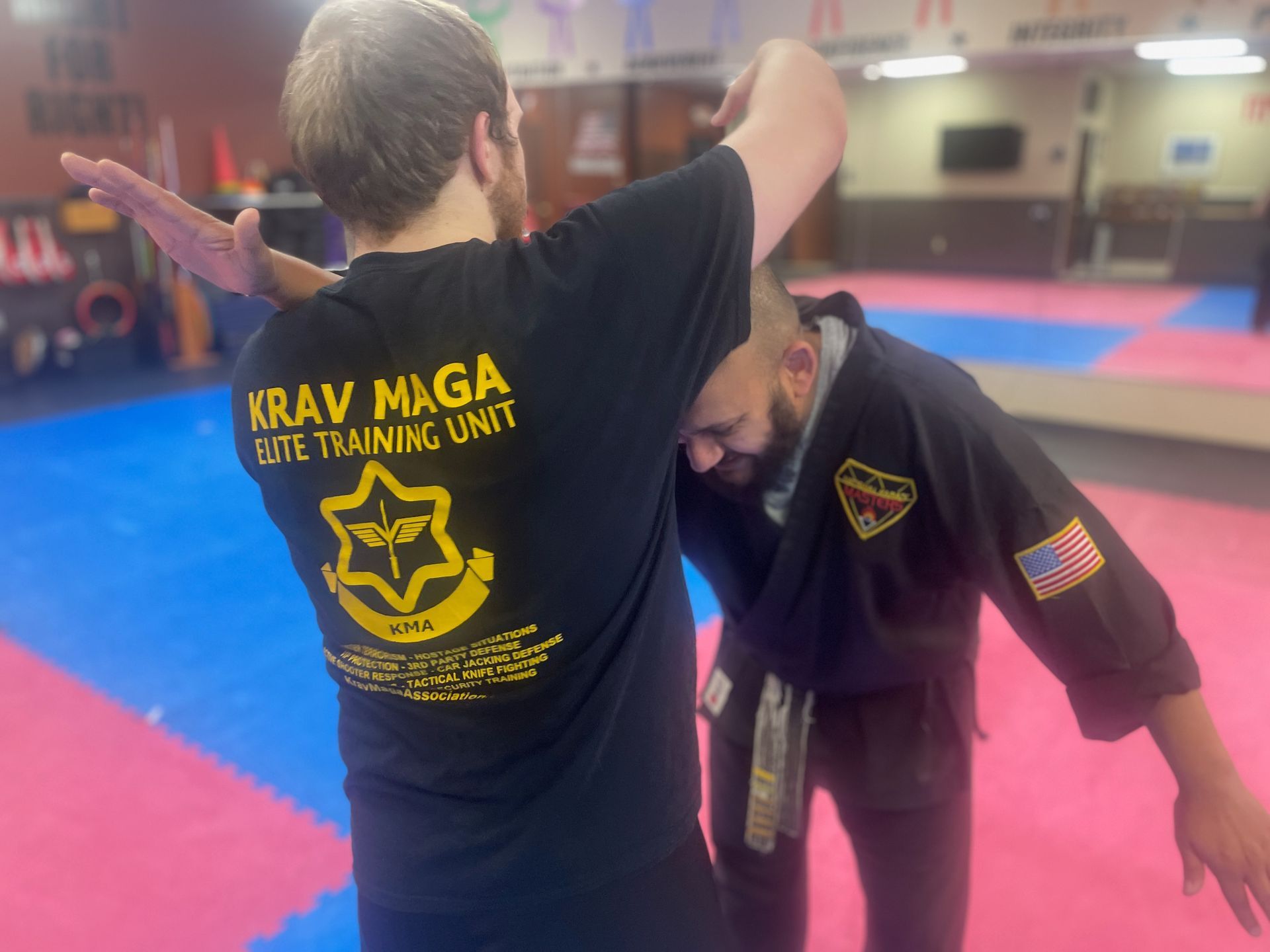
While Karate is a core foundation, we also offer other training formats that round out real-world ability. Some students love the traditional structure of Karate and add a higher-tempo class for fitness. Others want a more scenario-driven self-defense emphasis and appreciate how Krav Maga concepts complement striking and movement.
Sparring, when introduced properly, teaches timing and emotional control. You learn what it feels like to manage distance, read cues, and stay calm while moving. That translates directly to self-defense confidence, because the body stops panicking as easily.
Weapons training, taught responsibly, is also about discipline and coordination. It refines grip, stance, and precision, and it gives experienced students a new way to challenge focus.
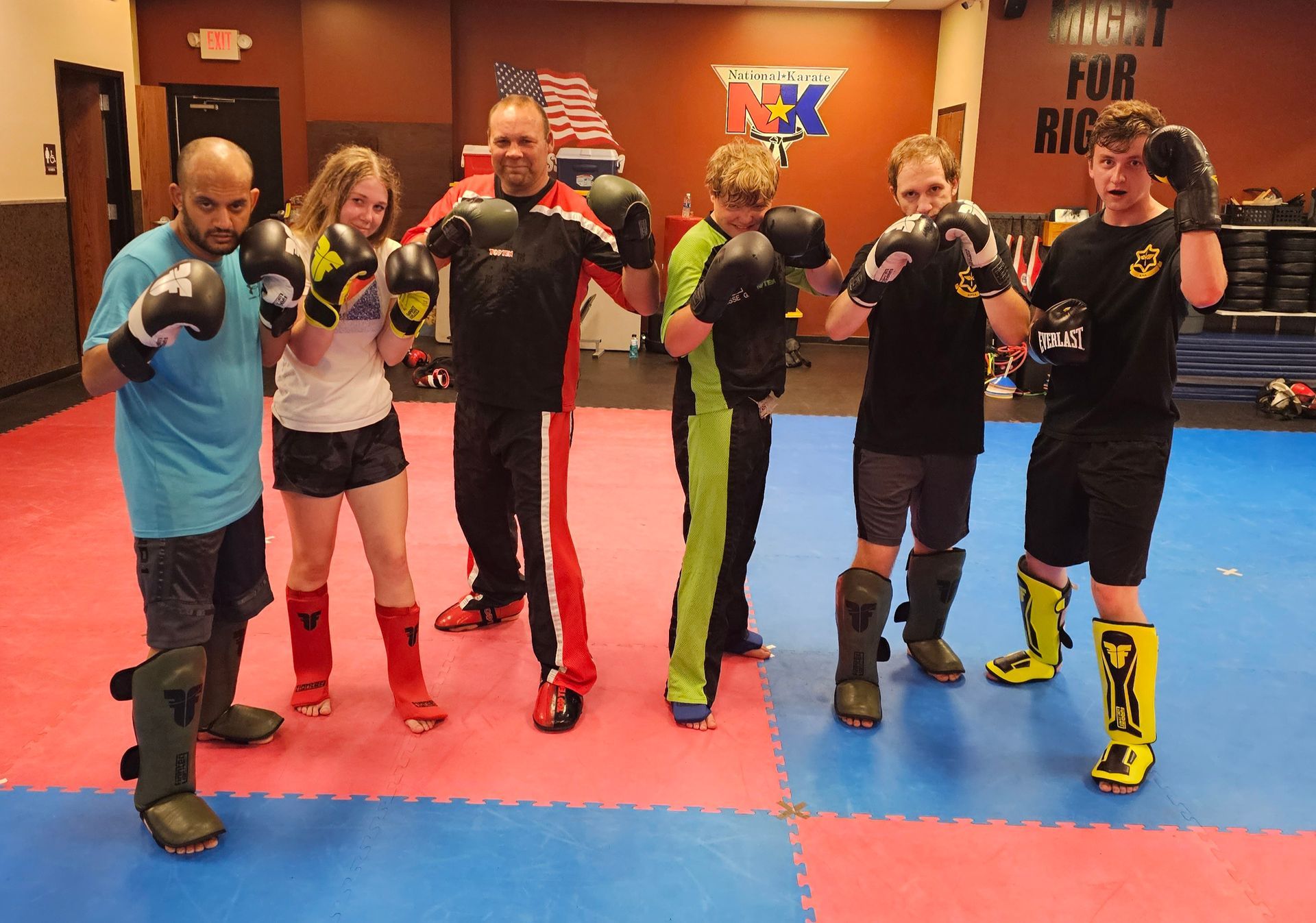
We also offer family classes, which is honestly one of the most practical ways to train. Parents and kids can share a skill, build a routine, and speak the same “language” of respect and effort at home.
What a typical beginner journey looks like (weeks 1 through 9)
A lot of people want a timeline. While everyone progresses differently, beginners often follow a similar arc. Here is a realistic view of what you can expect when you show up consistently:
1. Week 1: You learn etiquette, basic stance, and a few core strikes so you can participate right away
2. Weeks 2 to 3: Footwork and guard position start to feel less awkward, and combinations become smoother
3. Weeks 4 to 5: You begin partner drills focused on distance, timing, and simple defensive responses
4. Weeks 6 to 7: Conditioning improves and you can train longer without feeling totally gassed
5. Weeks 8 to 9: Confidence becomes visible because you move with purpose and you remember what to do
The best part is that progress is not only physical. Many students notice better focus, better mood after class, and a steadier response to stress.
Class schedule flexibility and training options in New Berlin
We run classes with the reality of busy families in mind. Our class schedule includes evening options Monday through Friday and Saturday morning training. That spread matters if you are juggling school activities, work meetings, and the general chaos of modern calendars.
We also offer different training formats, including in-person and virtual options, plus private instruction when a more focused pace is helpful. Some students like virtual sessions for consistency when travel or winter weather gets in the way. Others prefer the energy of the mat and the community. Either way, we keep the curriculum aligned so you are not “starting over” when your schedule changes.
If you are deciding for your child, a good rule of thumb is to choose the schedule you can sustain. Consistency beats intensity every time.
Take the Next Step
Building self-defense confidence is a process, and Karate gives that process a clear structure you can stick with. When you train with us, you are not just learning techniques; you are building posture, focus, awareness, and the ability to stay calm under pressure, whether you are 6 or 60.
At Wisconsin National Karate Kickboxing & Krav Maga, we make that journey approachable and practical in New Berlin with progressive coaching, a welcoming community, and training options that fit real life. When you are ready, we are ready to help you start.
Continue your martial arts journey beyond this article by joining a class at Wisconsin National Karate.