How Karate Helps New Berlin Youth Build Social Skills and Friendships
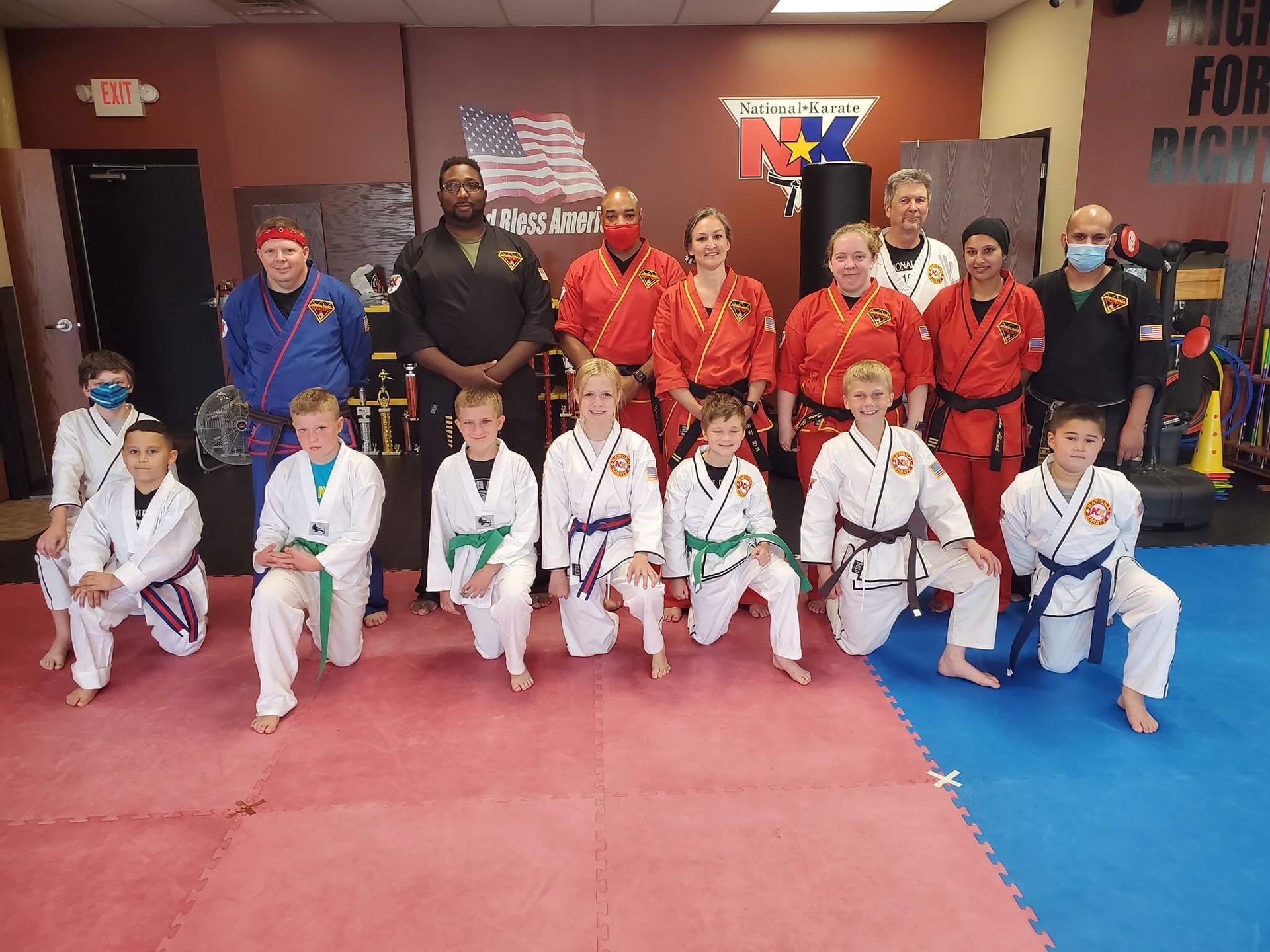
Karate is one of the few activities where your child can learn confidence and kindness at the same time, in the same class.
If you are looking at activities for kids and teens in New Berlin, the social side often matters just as much as the physical one. You want your child to move more, sure, but you also want your child to feel comfortable speaking up, joining in, and making real friends without forcing it.
That is one reason we love teaching Karate. The techniques are important, but what surprises many families is how quickly the social growth shows up: kids learn names, learn routines, learn how to partner up, and learn how to be part of a group without getting lost in it.
In our New Berlin classes, we build those social skills on purpose. The mats become a place where your child practices introductions, teamwork, listening, and leadership in small, steady moments that add up over time.
Why social skills are hard for kids right now, and why movement helps
Social skills are not just “being outgoing.” For many kids, the hard part is reading the room, handling mistakes, or starting a conversation without feeling awkward. Even confident kids can struggle when a new group activity feels unfamiliar or when they do not know where to stand, what to do, or who to talk to.
Structured movement helps because it gives kids a shared task. Instead of “go make friends,” the assignment is simple: line up, practice, switch partners, encourage your teammate, and try again. Those tiny interactions remove the pressure and replace it with a clear role.
Karate does this especially well because classes have a rhythm. When kids know what is coming next, they can relax and pay attention to the people around them. That is where social growth tends to sneak in, almost quietly.
The built-in friendship system: how our classes naturally connect kids
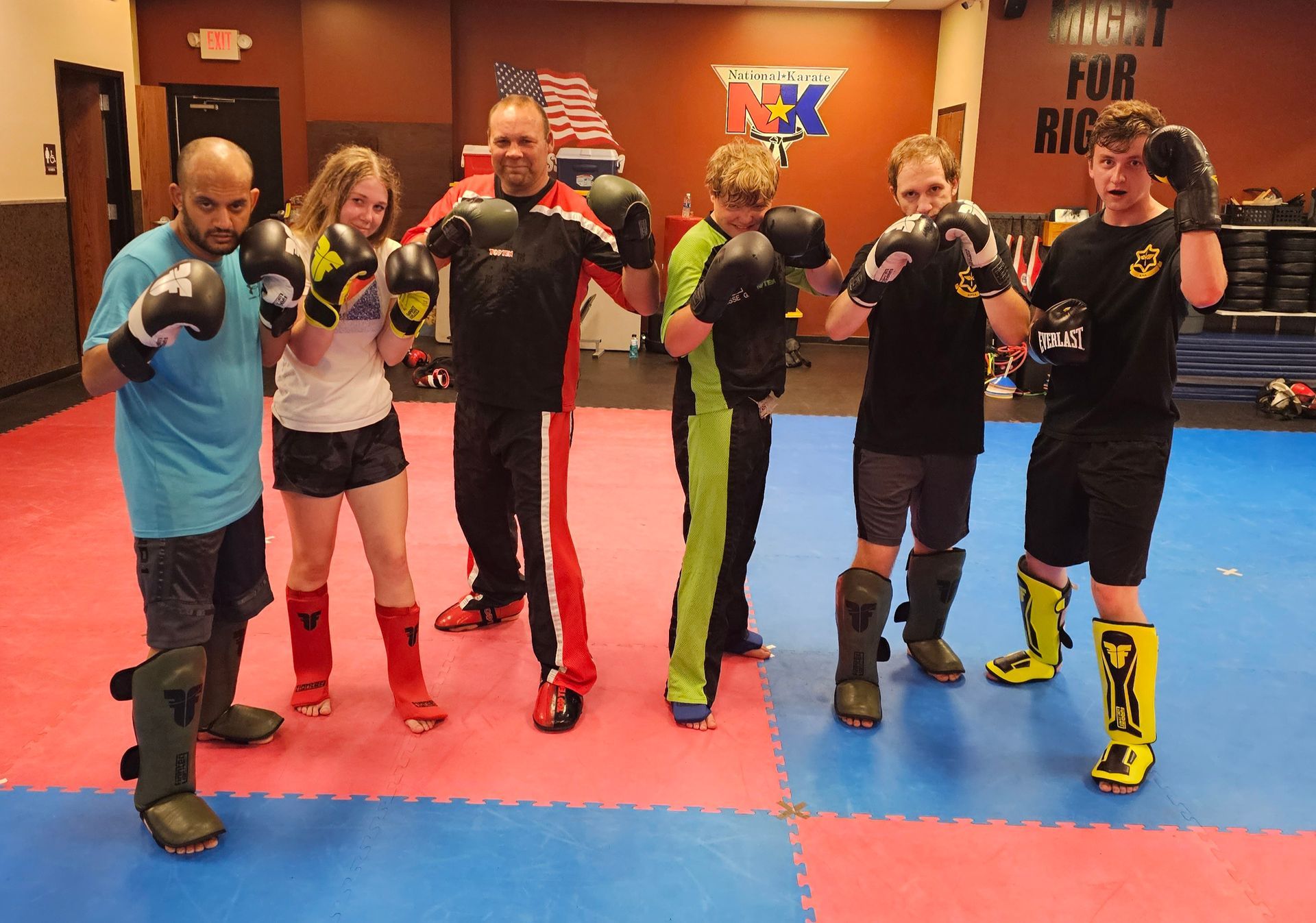
Kids do not bond because we tell them to. Kids bond because they share experiences, laugh at the same little challenges, and feel proud of each other when something clicks. Our training environment is designed to make those experiences happen in a safe, age-appropriate way.
Partner drills teach conversation without the spotlight
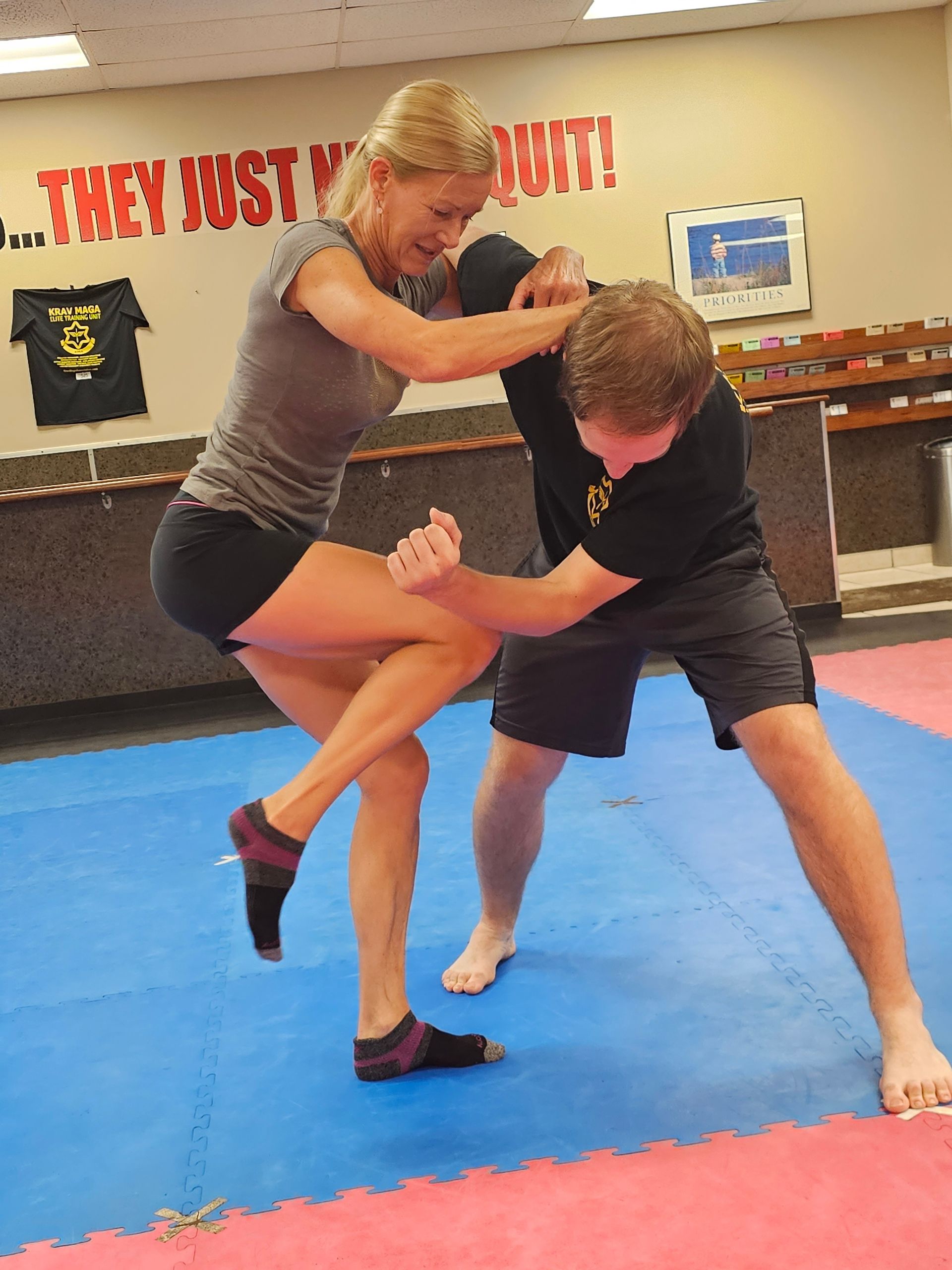
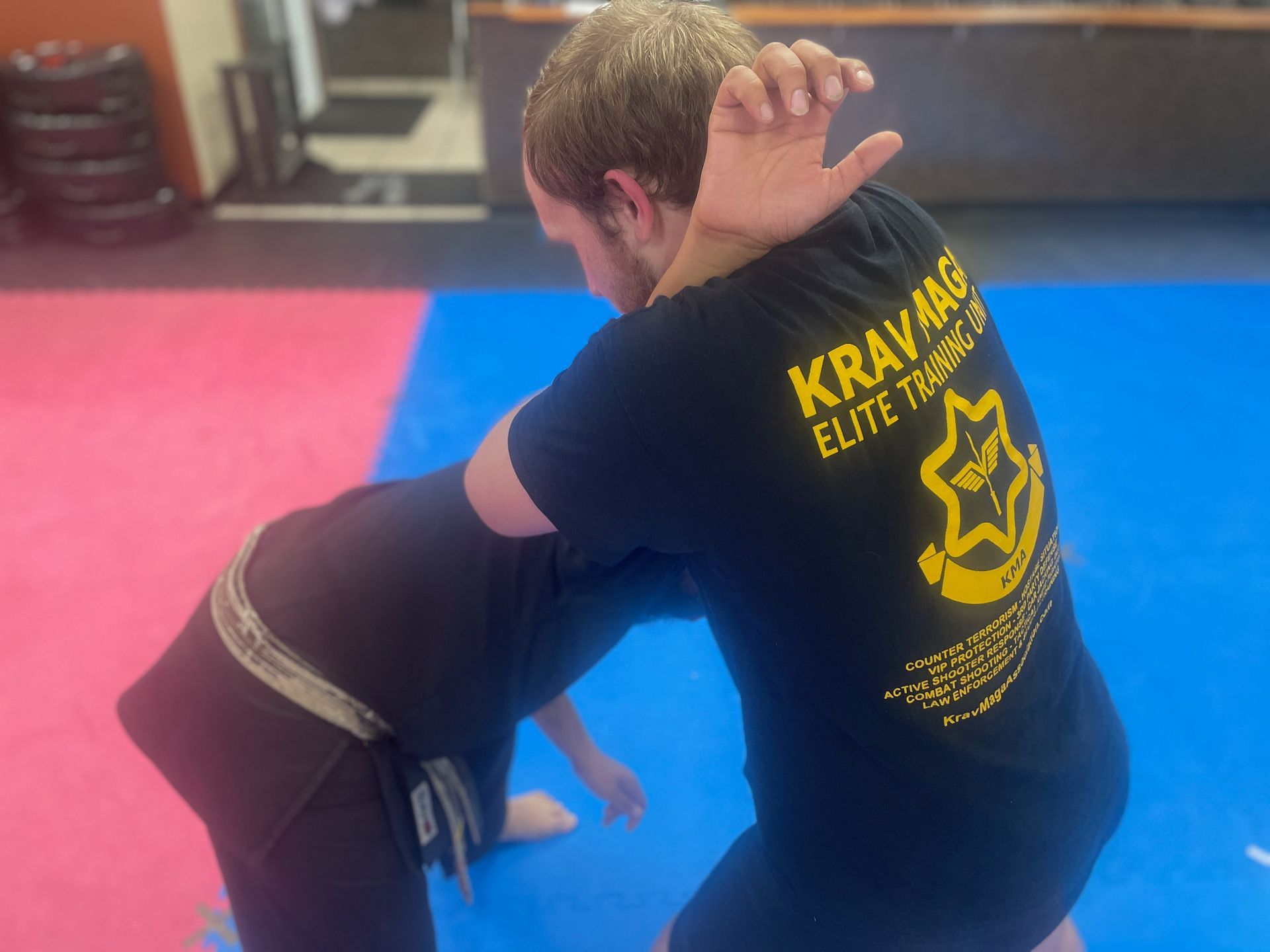
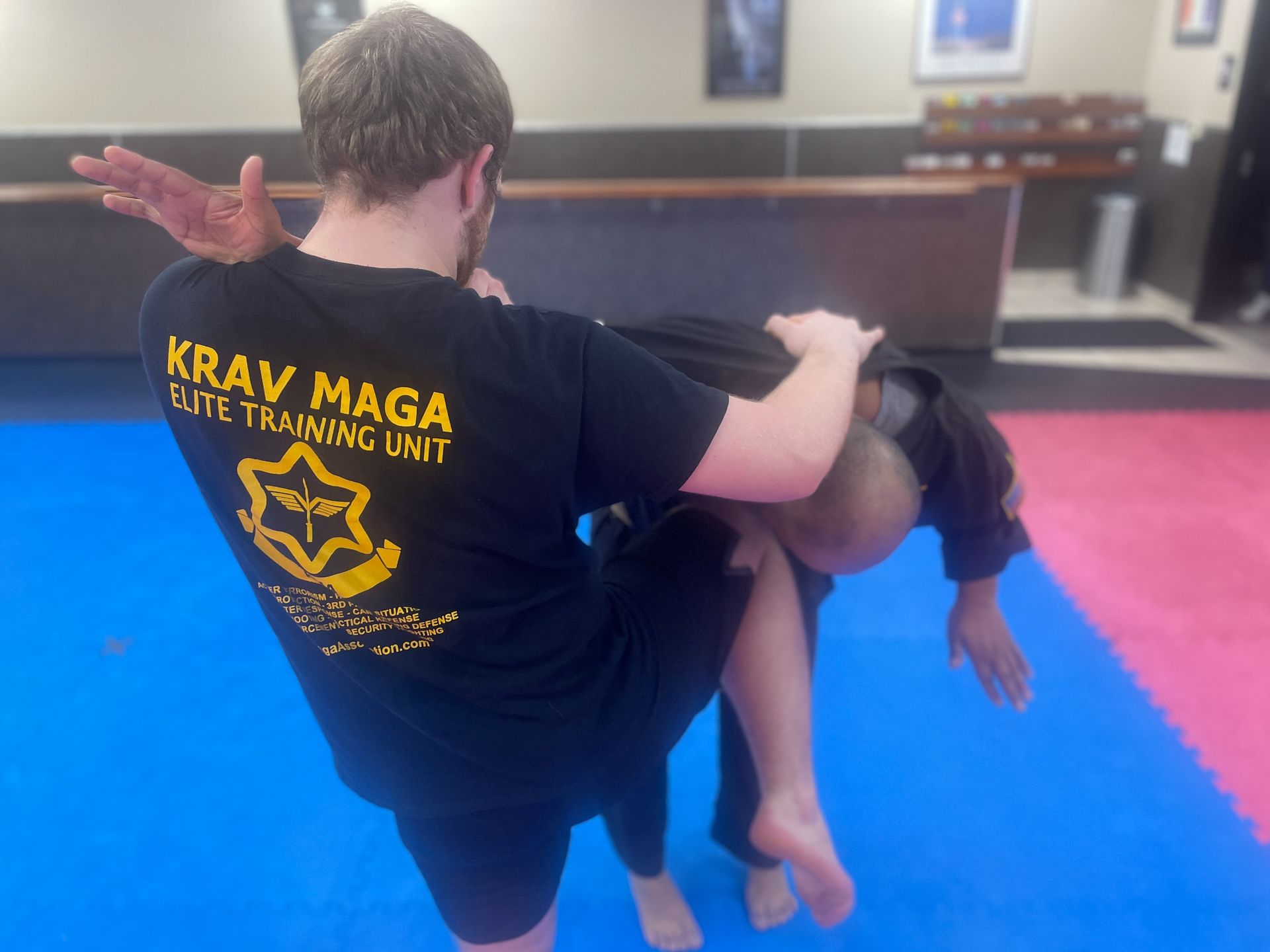
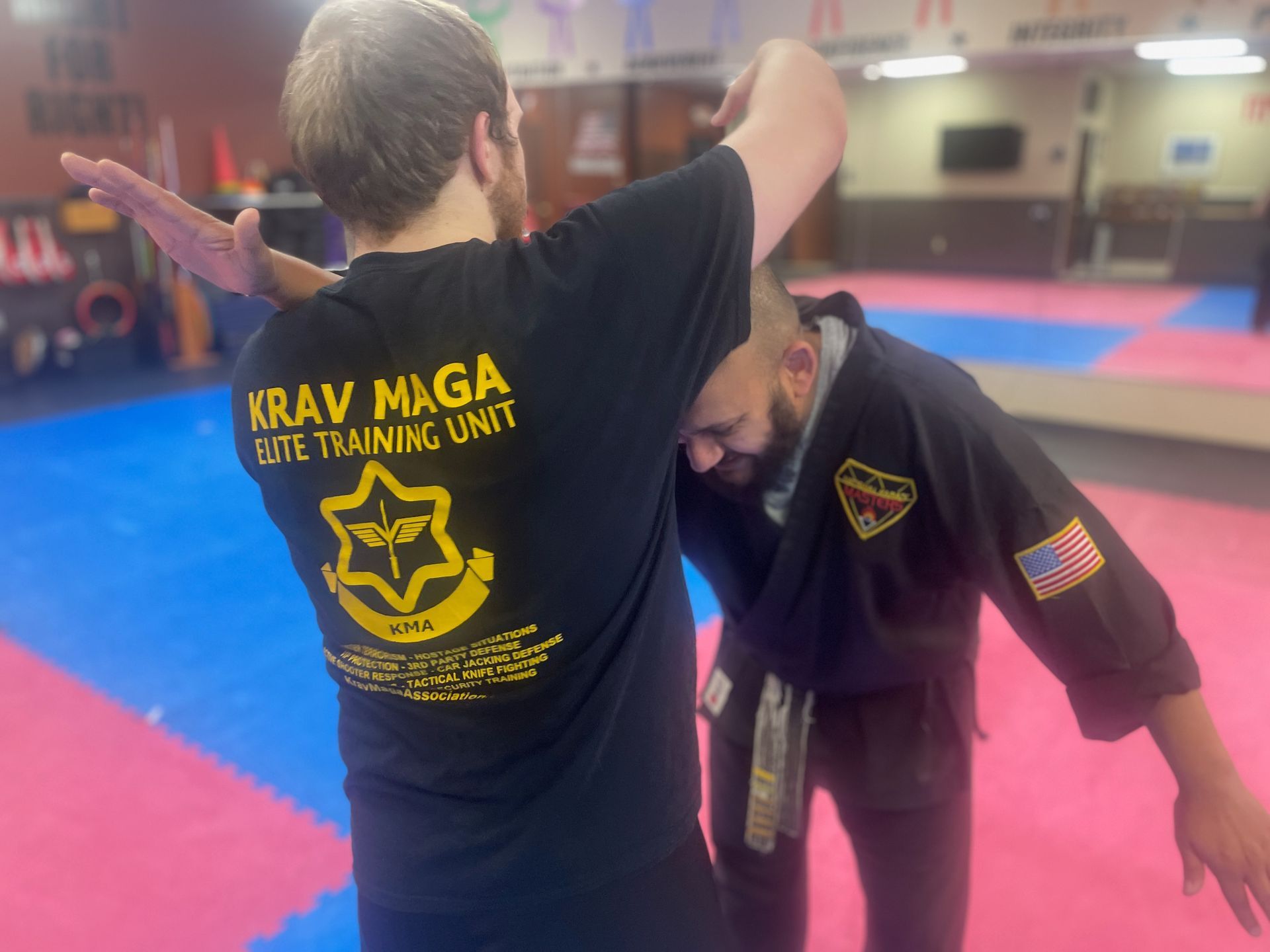
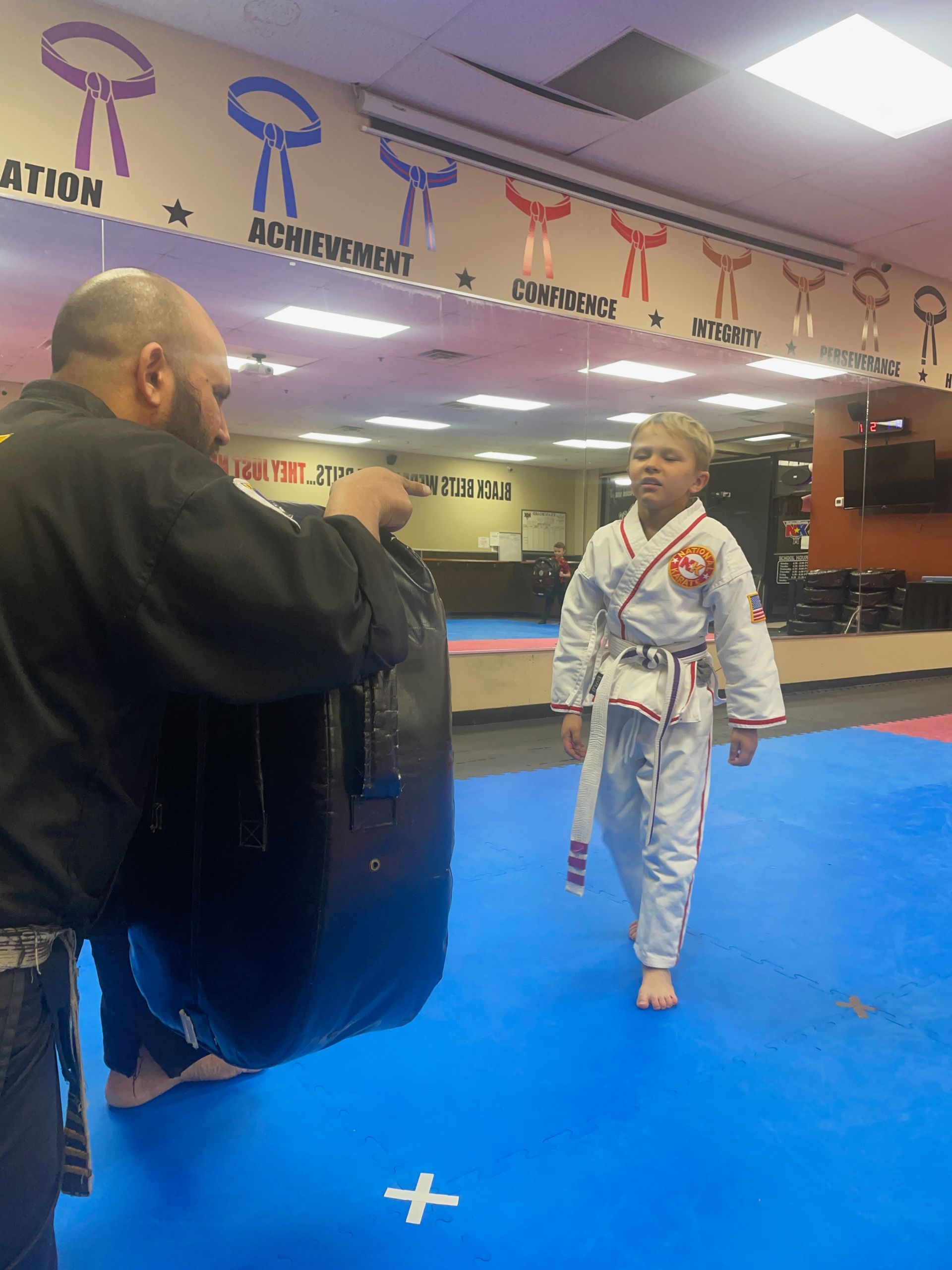
When kids work in pairs, social skills become practical. You cannot hold pads for someone without communicating a little. You have to ask, “Are you ready?” You have to adjust distance. You have to take turns. Even a quick “Nice job” counts.
Because the focus is on the drill, your child is not “performing socially.” Your child is cooperating. That distinction matters, especially for kids who feel shy, sensitive, or unsure in new groups.
Group routines make belonging feel normal
Lineups, warmups, and shared etiquette give kids a simple way to feel included. Knowing how to bow in, when to listen, and when to respond as a group teaches social timing. It is a real skill, and kids take it with them into classrooms, teams, and family gatherings.
Over time, kids start to recognize each other’s progress. Someone who struggled with a technique last month suddenly gets it, and the room notices. That is how peer respect forms, and it is one of the healthiest friendship starters we see.
Social confidence comes from doing hard things together
Confidence is often described as a feeling, but we see it more as a pattern. A student tries something new, gets coached, makes a mistake, recovers, and tries again. That is the process, and it is also the process of social confidence.
In Karate in New Berlin, kids get repeated chances to practice calm behavior in small stressful moments. Not big dramatic moments, just everyday ones: getting called up, being corrected, working with a new partner, or learning a challenging combo. When they realize they can handle that, talking to a classmate feels easier, too.
And yes, we keep it supportive. Kids grow fastest when they feel safe enough to attempt the hard thing, even if they mess it up a little.
Respect and courtesy: the social skills many parents actually want
A lot of parents tell us the same thing in different words: “We want our child to be confident, but we also want our child to be respectful.” That is not always easy to find in youth activities.
Our classes use clear expectations around manners and listening. Not harsh rules, not fear-based discipline, just consistent standards. When kids practice courtesy in class, it becomes more natural outside of class. You may notice:
• Better eye contact when speaking to adults
• Less interrupting, more waiting for a turn
• More thoughtful tone when correcting a sibling
• A stronger habit of saying “thank you” and “good job” to peers
These changes are small, but they change how kids are received by others, and that changes friendships in a big way.
Learning to handle conflict without drama
Friendships are not only about having fun. They are also about repairing moments that go wrong. Kids need skills for disagreement, frustration, and misunderstanding, and those skills do not magically appear with age.
Karate gives a simple framework: stay calm, follow instructions, keep control, and solve the problem. When we coach students through partner work, they learn to reset quickly. If a drill feels too intense, we adjust. If someone goes too fast, we slow down. If a student gets frustrated, we breathe and try again.
That is conflict management, just in kid-sized doses. Later, when your child is dealing with a group project or a friend disagreement, that “reset” habit is already familiar.
The role of belt progress in building peer support
Kids love seeing progress they can measure. Belts and stripes do that in a concrete way, but there is an extra social benefit: progress creates shared milestones.
Students cheer for each other’s wins because everyone knows what it took to get there. And students who are a little ahead naturally become role models. We see older or more experienced students helping newer students with simple things like where to stand, how to tie a belt, or how to remember a combination.
That mentoring dynamic is a powerful friendship builder because it gives kids a way to be helpful without being bossy. It also gives newer students a safe person to follow, which lowers social anxiety during the first weeks.
What you will notice at home as social skills improve
Social development can be hard to measure week to week, but families often notice patterns after a month or two. The changes are rarely loud. They are more like quiet upgrades in how your child carries themselves.
Here are a few common shifts parents report when a child sticks with training:
• Your child speaks a little more clearly and directly, especially with adults
• Your child shows more patience when waiting in line or sharing space
• Your child becomes more willing to try new activities without needing you nearby
• Your child recovers faster after a mistake instead of shutting down
• Your child talks about classmates by name and mentions specific moments from class
That last one is a big deal. It usually means friendships are forming naturally.
How we support shy kids, high-energy kids, and everyone in between
Not every child enters class with the same social comfort level. Some kids are quiet and observant. Some kids are friendly but impulsive. Some kids are confident with adults but unsure with peers. Our job is to coach the whole child, not only the technique.
For shy or anxious students
We keep the expectations clear and the steps small. A shy student does not need to be pushed into the center of attention. We can build confidence through repetition, positive coaching, and partner rotations that feel predictable.
Often, shy kids thrive once they realize they are allowed to take up space without being judged. That is when you start seeing them greet classmates first or volunteer for a drill.
For energetic or easily distracted students
We give structure and purposeful movement. High energy is not a problem when it has direction. In class, we channel that energy into drills, focus cues, and listening habits. Over time, these students learn how to be excited and respectful at the same time, which helps friendships because peers feel safe around them.
Where families fit in: community without pressure
We know families are busy. School nights are packed, weekends fill up fast, and nobody wants one more stressful commitment. Our class structure is designed to be consistent and clear so you can plan around it.
We also offer options that help families connect in a positive way, including opportunities where parents and kids can share the training experience. When families train together, kids often feel more comfortable walking into class, and parents get to see the social growth in real time.
And if your goal includes Adult Karate in New Berlin, that can matter, too. When kids see a parent practicing something challenging, it sends a strong message: growth is normal, and everyone is still learning. That mindset makes it easier for kids to try, fail, laugh, and try again with friends.
A simple way to tell if Karate is the right social fit for your child
Every child is different, so we like to keep the decision practical. When you are evaluating whether Karate in New Berlin will help your child socially, look for a few signs during the first classes:
1. Your child starts recognizing classmates and instructors and mentions them at home
2. Your child understands the basic routine and seems less unsure about where to stand
3. Your child is willing to partner up, even if it takes a little time
4. Your child shows pride after class, even when the techniques are still new
5. Your child is interested in coming back, not because you pushed, but because it felt good
Those signals usually mean the environment is supporting both skill and belonging.
Ready to Begin
Building friendships takes more than “putting your child around other kids.” It takes a setting where cooperation is normal, respect is practiced, and progress is shared. That is exactly what we aim for every day on the mat, because the social wins matter as much as the physical ones.
If you want a program where Karate supports confidence, communication, and real connection, we would love to help you get started at Wisconsin National Karate Kickboxing & Krav Maga here in New Berlin.
Give your child a positive and active outlet by joining the kids’ Karate program at Wisconsin National Karate.