How Karate Classes in New Berlin Strengthen Family Communication Skills
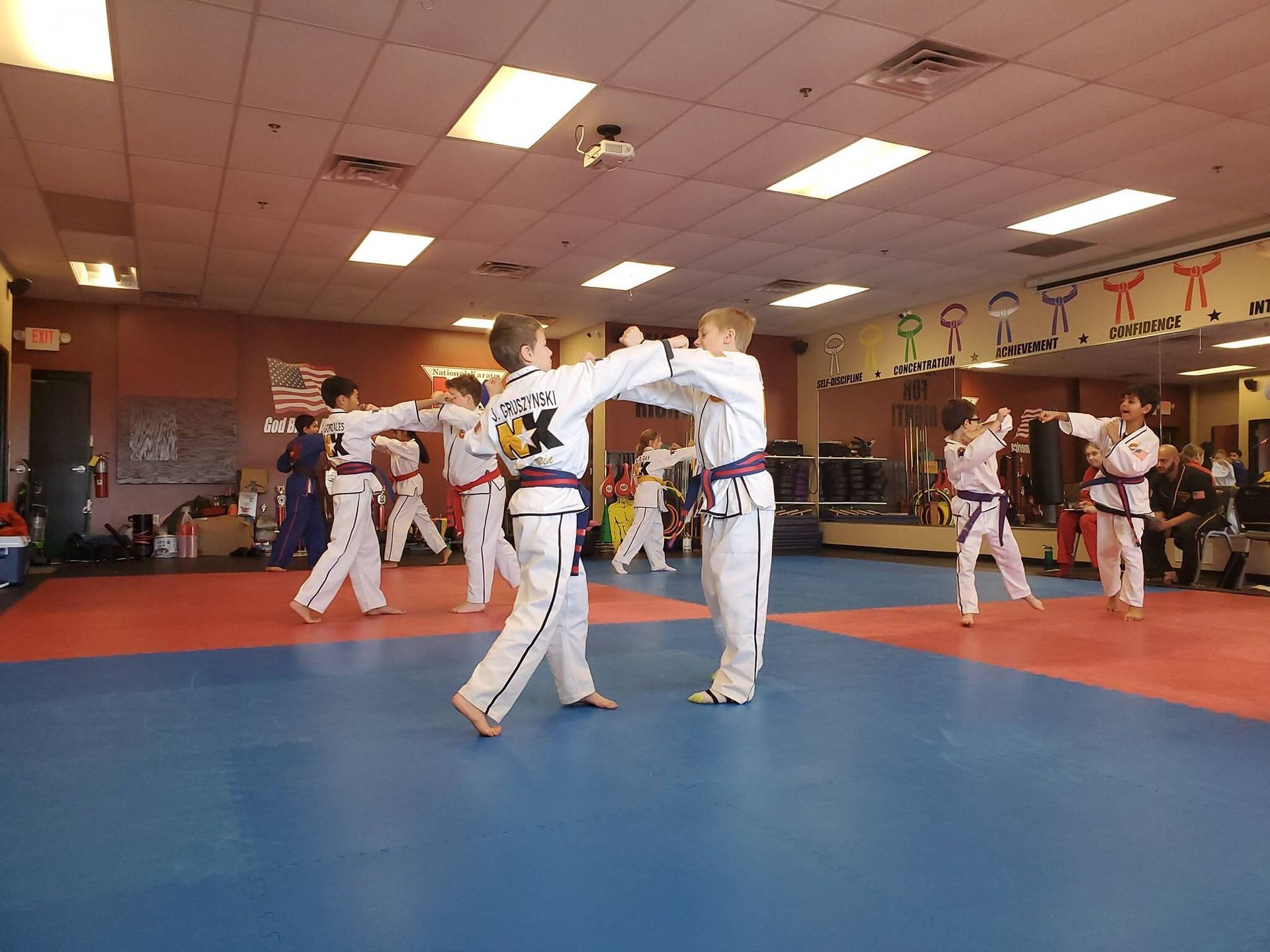
When your family trains together, you gain a shared language for respect, feedback, and follow-through that carries into everyday life.
Families usually come to us for Karate because they want something practical: better fitness, real self-defense basics, a healthy after-school routine, or a way to get off screens. What often surprises people is what happens between the techniques, the drills, and the belt goals. Communication starts to change in small, steady ways.
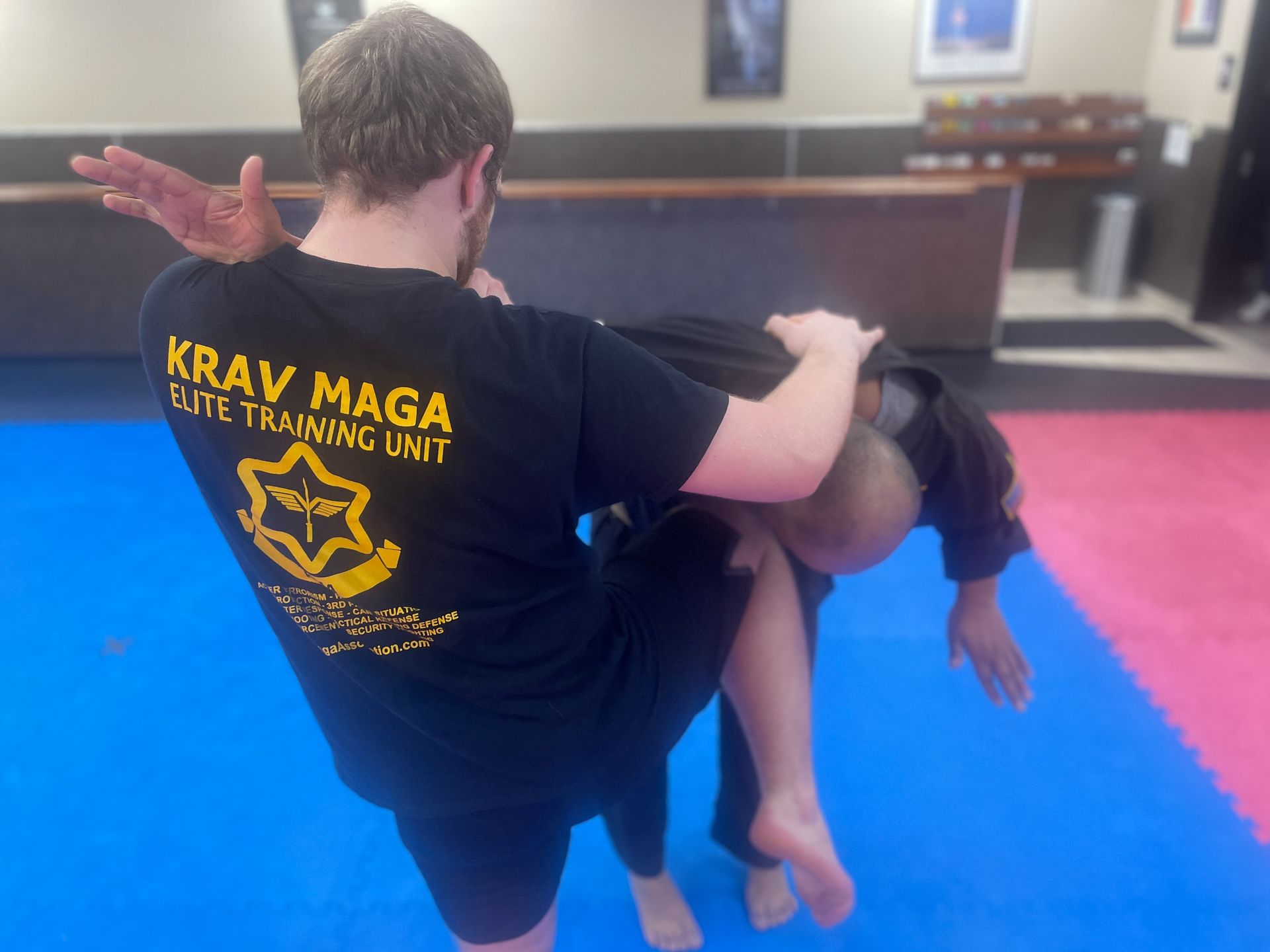
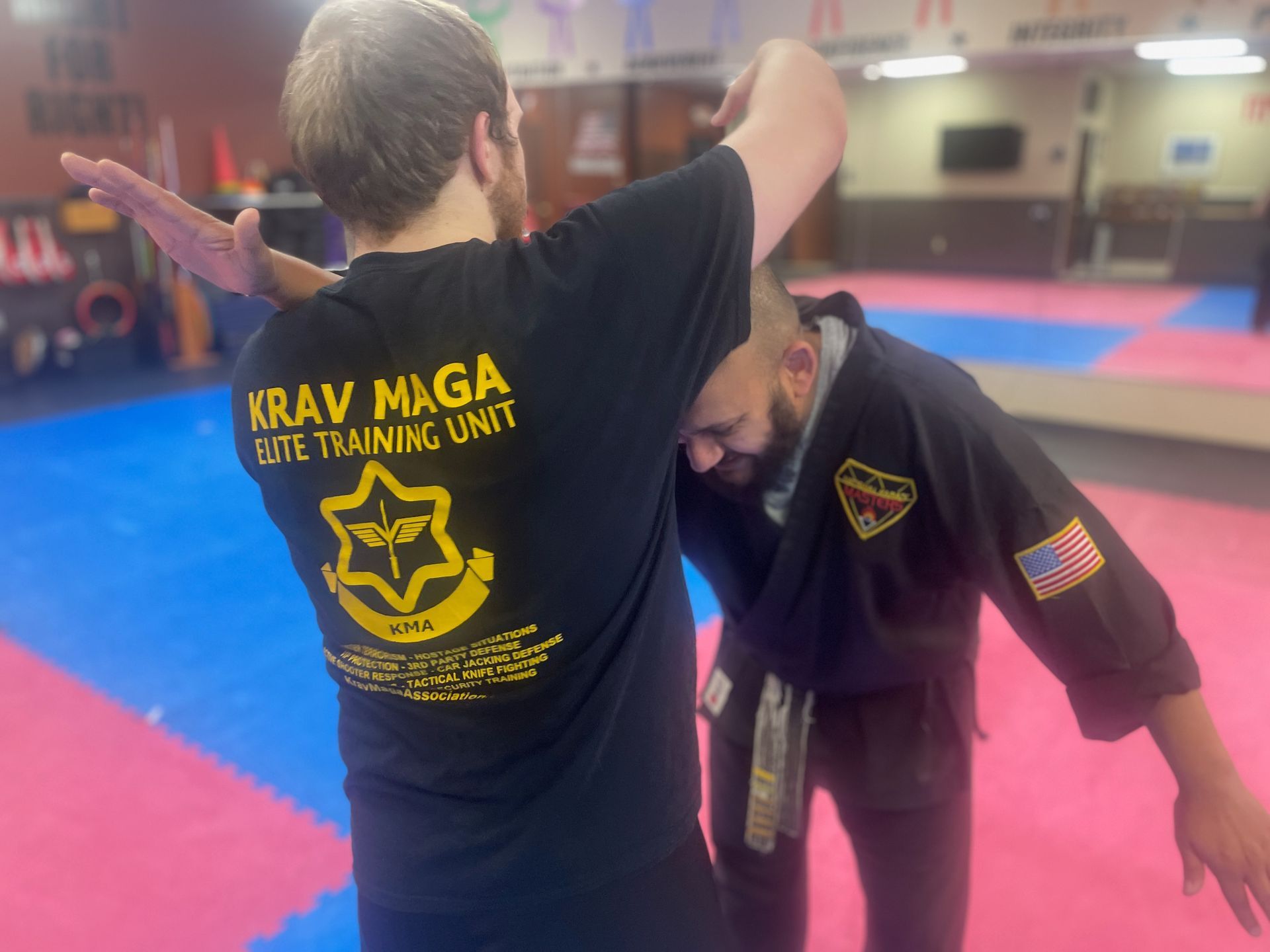
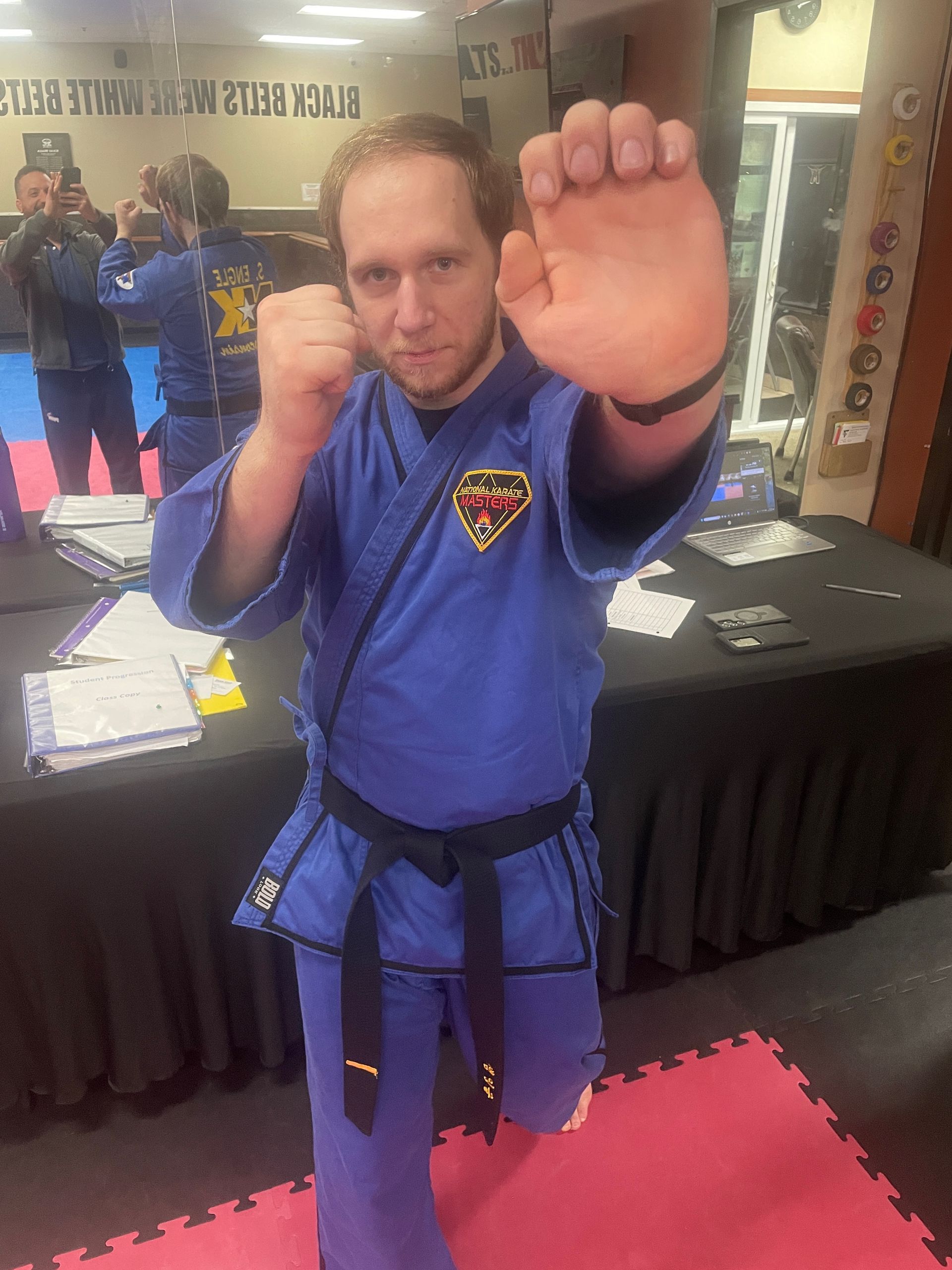
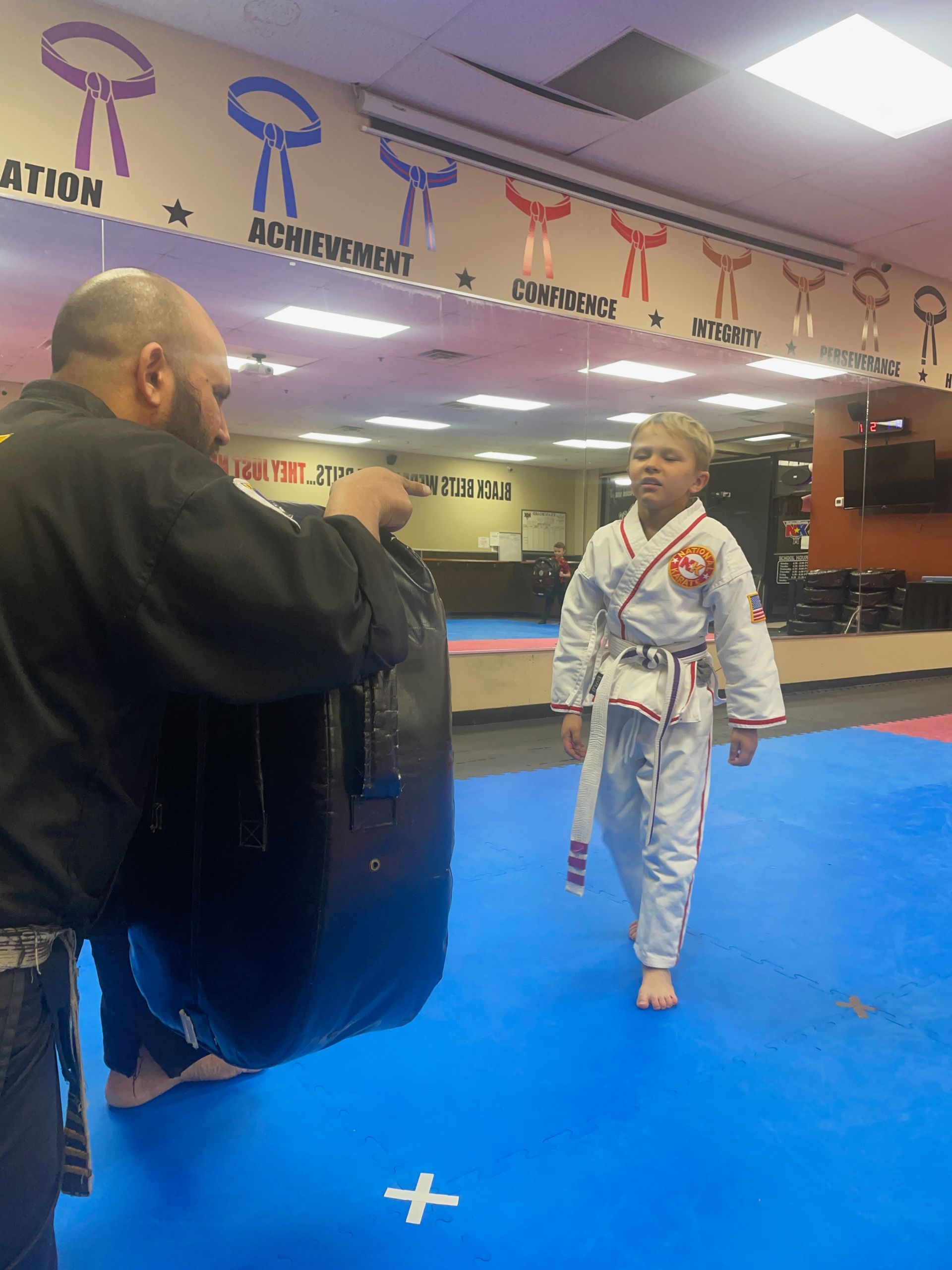
In our Karate in New Berlin classes, you and your kids practice listening under pressure, speaking clearly, and staying calm when something feels challenging. Those are martial arts skills, yes, but they are also family skills. Over time, the way you correct a stance in class starts to resemble the way you handle a disagreement at home: direct, respectful, and solution-focused.
This article breaks down how training in our programs builds better family communication, why it works, and how you can reinforce those lessons at home without turning your living room into a dojo.
Why Karate naturally trains communication, not just techniques
Karate is structured. You bow in, you line up, you follow directions, you practice with partners, and you receive feedback. That structure is exactly what many families are missing in day-to-day conversations, especially when schedules are packed and everyone is tired.
Communication gets better when it is practiced in a consistent format. In class, we create repeating cycles of instruction, attempt, correction, and improvement. At home, many families only hit “correction” when something goes wrong. In training, your family experiences the full loop, and it becomes normal to try again without taking it personally.
Karate also gives families a shared reference point. Instead of vague reminders like “pay attention,” you have specific, neutral language: “eyes up,” “guard up,” “breathe,” “reset.” Those short cues become surprisingly useful in car rides, homework time, and even morning routines.
The three communication skills we build in every class
Listening without reacting
One of the biggest communication breakdowns in families is not a lack of love. It is reactivity. Someone hears a correction and instantly feels criticized. In our classes, students learn to listen to an instruction, accept it, and apply it, even if it is not what they expected to hear.
We coach students to pause and process. That pause becomes a habit. It is also a big reason parents tell us their kids become easier to redirect at home, and why adults report less snap-judgment when stress spikes.
Speaking clearly and respectfully
Karate has built-in etiquette, and we take it seriously. Respect is not a lecture, it is an action you repeat: how you address instructors, how you treat partners, how you enter and exit the floor. When students speak in class, we guide them toward clear, appropriate communication, even when they are frustrated.
For families, this matters because respectful speech is contagious. If your child practices saying “Yes, sir” or “Yes, ma’am” (or an equivalent respectful response), then “Okay” and “I understand” start showing up at home too. It is not magic. It is repetition in a place where expectations are consistent.
Giving and receiving feedback
Feedback is where most people get stuck. Adults sometimes avoid it because they do not want to sound harsh. Kids sometimes resist it because it feels embarrassing. In training, feedback becomes normal and safe, because everyone is working on something.
We correct with specifics, not labels. “Turn your hip over on that kick” lands better than “You are doing it wrong.” And once you experience that kind of coaching, it becomes easier to use the same approach with your spouse or your child: address the behavior, not the person.
How shared training changes the way families talk
When you train at the same place, the conversations you have during the week get more concrete. Instead of asking, “How was class?” and getting a one-word answer, you can ask, “What did you work on with your stance?” or “Did you practice your blocks today?” You are speaking your child’s new language.
That shared context also reduces power struggles. Parents do not have to invent new rules or consequences at home. You can reference the same ideas we use in class: consistency, effort, and personal responsibility. It shifts the vibe from “Because I said so” to “You know the standard, let’s meet it.”
And there is a quiet benefit here that is easy to overlook: families laugh more. Learning something hard together tends to bring out lightness. When a parent and child both struggle with a new drill, it becomes a shared story, not an argument.
What family communication looks like inside a typical class
Our classes follow a predictable rhythm, and that rhythm reinforces healthy interaction. Students know when to be quiet and listen, when to move, when to partner up, and when to ask questions. This matters because communication improves when expectations are clear.
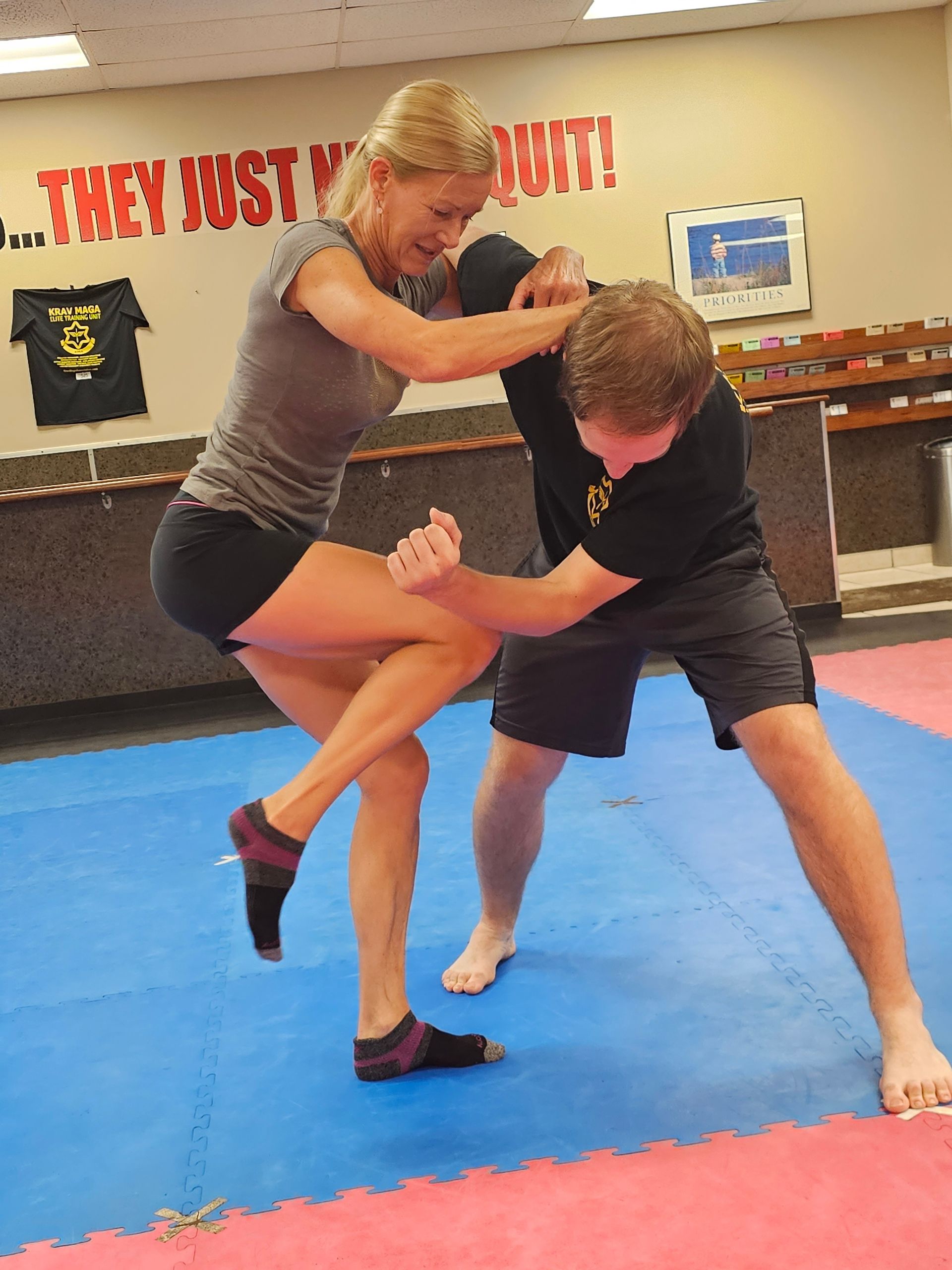
You will see moments where a child wants to rush, and a parent reminds them to slow down. You will see adults learning to accept correction without ego. You will see kids practicing patience while they wait their turn. Those moments are communication training in disguise.
We also keep the environment supportive. When students feel safe, they can take feedback without shutting down. That psychological safety is one reason families say the positive atmosphere helps them stick with it.
Why “discipline” is really a communication tool
Discipline is often misunderstood as punishment. In our Karate program, discipline means follow-through. It means showing up, practicing the basics, and taking small steps even on days when motivation is low.
That matters for families because follow-through is a communication skill. If you say you will do something, and you do it, trust grows. If your child says they will practice, and you help them set a realistic plan, you are building a relationship where words mean something.
We see this in belt progressions. Students learn that goals are not wishes, they are commitments paired with action. That lesson transfers directly into household routines: chores, schoolwork, sleep schedules, and the way family members rely on each other.
Adult Karate in New Berlin and the ripple effect at home
Adults sometimes join because they want a challenging workout or practical self-defense training. Then they notice something else: they are calmer. They are more patient. They do not carry stress in the same way.
When you train as an adult, you practice emotional regulation every time you struggle with a new technique. You learn to breathe, reset, and try again. At home, that can look like fewer escalations and more problem-solving.
Adult Karate in New Berlin also helps parents lead by example. Kids watch what you do more than what you say. When they see you working on your own skills, taking corrections, and staying consistent, your coaching at home feels legitimate, not just authoritative.
The role of self-defense in communication and confidence
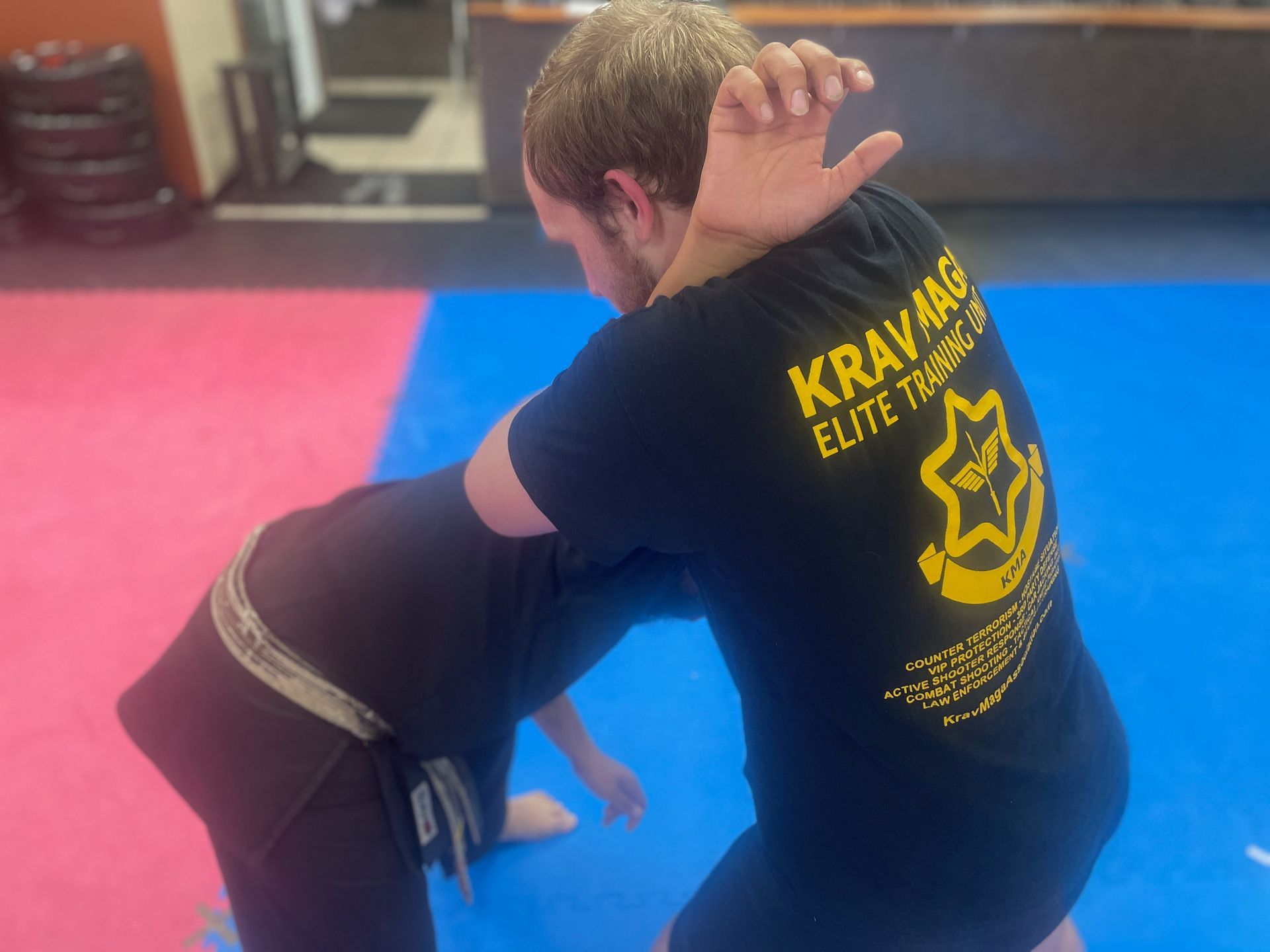
Self-defense is not only physical. It starts with awareness, boundaries, and decision-making. When students learn to recognize unsafe situations, practice assertive posture, and speak clearly, they are developing communication that protects them.
For kids, this often means learning to use their voice confidently and respectfully. For teens, it can mean better boundary-setting and less social pressure. For adults, it can mean clearer communication in uncomfortable situations, including the ability to de-escalate.
In a family setting, that kind of confidence improves communication because fear tends to distort conversations. When you feel capable, you speak more directly. You ask for help sooner. You do not hide problems until they explode.
Ways to reinforce class communication skills at home
You do not need to add homework or turn family time into a drill session. Small, consistent cues work best, especially when they feel natural.
Here are a few simple, realistic ways families reinforce what we teach:
• Use short cues you already hear in class, like “reset,” “breathe,” or “eyes up,” when tension rises at home.
• Ask specific questions after class, such as “What did you improve today?” instead of “Did you do good?”
• Set one shared weekly goal, like attending two classes or practicing a basic technique for five minutes.
• Praise effort and consistency rather than talent, because effort is something your child can control.
• Keep corrections behavioral and specific, like “slow your steps,” rather than “stop being careless.”
These small habits keep the communication loop alive outside the dojo, and they tend to feel encouraging rather than controlling.
What makes family-friendly training actually work
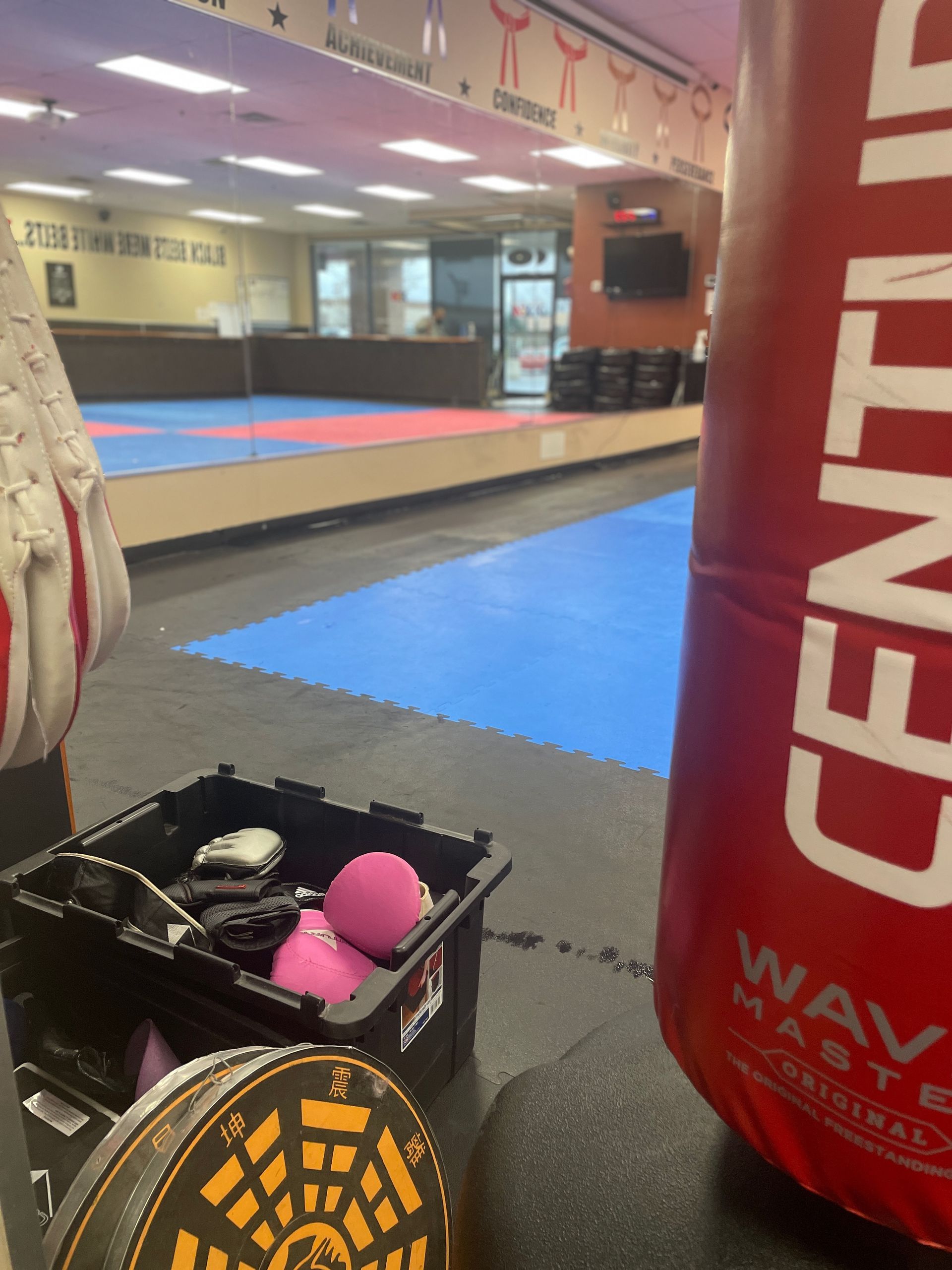
Family programs succeed when the training meets people where they are. That means beginners feel welcome, kids stay engaged, and adults do not feel out of place. We personalize instruction, learn names quickly, and give students the kind of attention that keeps them improving without feeling singled out.
Our schedule also matters. Many New Berlin families are balancing work, school activities, and commuting across nearby areas. Evening classes during the week and Saturday morning options give families a realistic way to stay consistent, and consistency is where communication improvements show up.
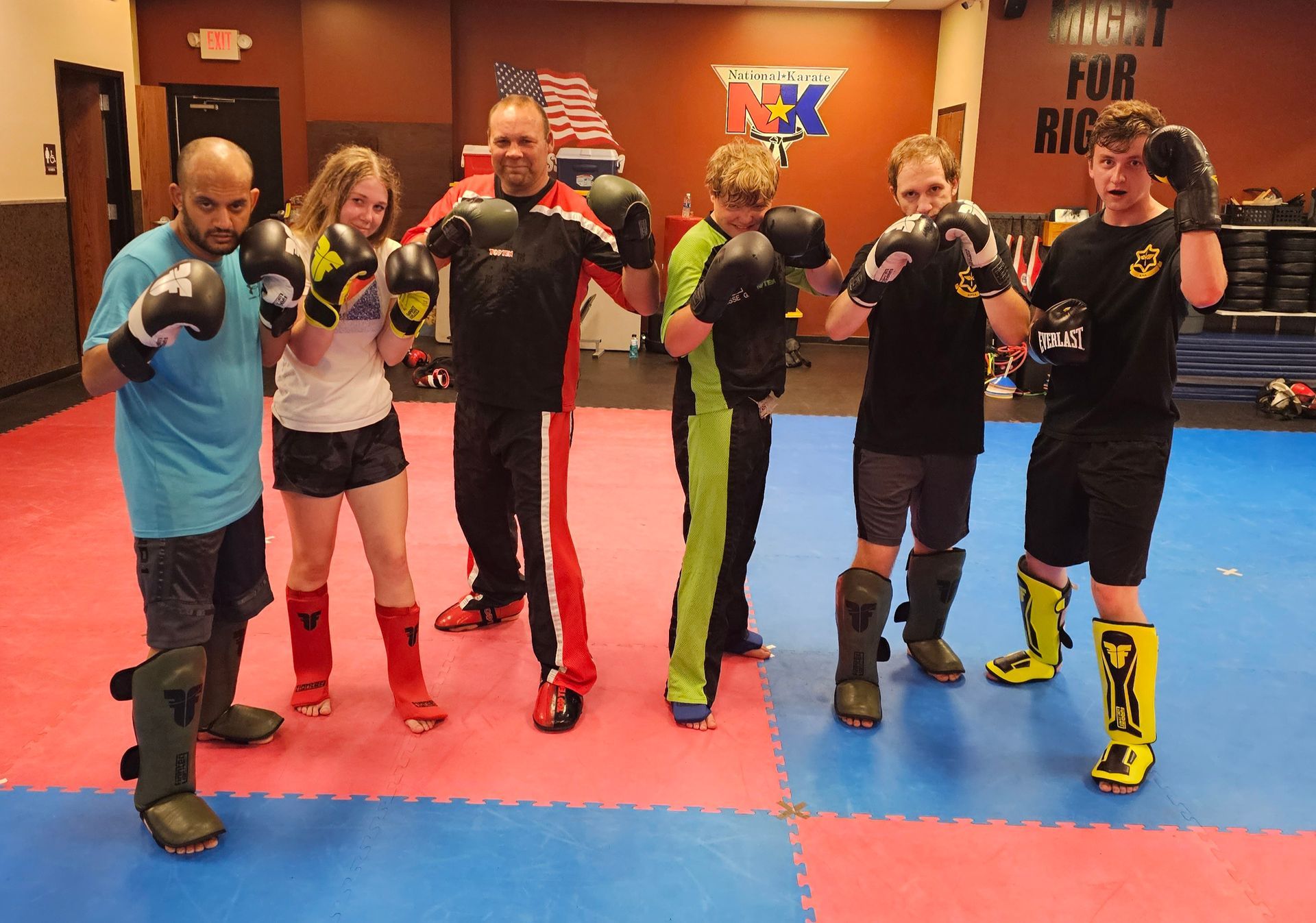
Over time, we see families develop a shared culture: respect in tone, clearer expectations, and better recovery after conflicts. Progress is not perfect, but it is noticeable. That is the point.
Take the Next Step
If you want a family activity that does more than burn energy, Karate can be a practical way to build communication skills through shared structure, respectful coaching, and consistent goal-setting. When you train together, you get repetition in the exact moments that matter: listening, responding, and trying again.
We built our family-friendly approach at Wisconsin National Karate Kickboxing & Krav Maga to support kids, teens, and adults in the same community, with instruction that stays personal and standards that stay clear. If you are ready to strengthen how your family communicates, we are ready to help you start.
Continue your martial arts journey beyond this article by joining a class at Wisconsin National Karate.