How Karate Classes in New Berlin Foster Resilience and Grit in Kids

Karate is one of the few activities where kids practice staying calm, trying again, and showing up even when something feels hard.
A parent once told us that what surprised them most was how quickly our instructors learned their child’s name, then used it with steady encouragement every class. That sounds simple, but it changes everything for a kid who’s still figuring out where they fit. In Karate, being seen and being guided both matter, especially in the moments when a child misses a step, loses focus, or feels frustrated.
In New Berlin, families are navigating busy schedules, screen time battles, and a real rise in stress for kids. Regional trends show child mental health referrals have increased since 2023, and many parents are looking for something practical that builds emotional strength, not just physical fitness. Our Karate classes are built around that exact need: helping kids develop resilience (bouncing back) and grit (sticking with goals over time).
When you watch a child train consistently, you start to see small shifts that add up. Better posture. More patient listening. Less quitting mid-task. That’s what this article is about: how our youth training environment turns everyday practice into real-life coping skills your child can use at school, at home, and in friendships.
Why resilience and grit matter more than ever for New Berlin kids
Resilience is not the same as “toughness.” Resilience is the ability to recover after disappointment and keep moving forward without falling apart. Grit is the long-term version of that: choosing to work toward something meaningful even when motivation comes and goes. Kids are not born with those skills fully formed, and we shouldn’t expect them to be.
A lot of youth activities reward natural talent quickly. That can be fun, but it sometimes teaches the wrong lesson: if you’re not instantly good at it, it must not be for you. Karate flips that script. Progress is earned through repetition, correction, and showing up again next week. And yes, sometimes that means a child feels challenged. That’s the point, and we guide them through it.
In a suburban community with high youth sports participation, kids often get plenty of physical outlets but fewer chances to practice mental skills like focus under pressure, emotional control, and recovery after mistakes. Our youth martial arts environment gives kids a structured place to build those skills with coaches who pay attention and peers who are going through the same thing.
How Karate trains the “try again” reflex
The most important moment in a kid’s class is often the moment right after something goes wrong. A technique doesn’t land. A combination gets mixed up. A child freezes because they’re worried about doing it “perfect.” In our Karate classes, we coach kids to treat that moment as information, not a verdict.
Resilience grows when kids learn to separate performance from identity. Instead of “I’m bad at this,” we redirect toward “That attempt didn’t work yet.” That one word, yet, is powerful. It keeps the brain in learning mode. Over time, kids stop panicking at correction and start expecting it as part of improvement.
We also use consistent class structure because predictability reduces anxiety. When kids know what’s coming next, they can spend more energy trying hard and less energy worrying. That steady rhythm becomes a safety net for kids who struggle with transitions, attention, or confidence. It’s not flashy, but it’s effective.
The role of repetition (and why kids secretly need it)
Repetition is where grit is built. Kids don’t always love it at first. Practicing the same stance or block can feel boring until something clicks. Then they realize, “Oh, I’m actually better than last month.” That realization is a real confidence builder because it’s based on evidence, not hype.
Our instructors use repetition in a way that stays engaging: short rounds, clear goals, and quick feedback. The goal is not to drill kids into exhaustion. The goal is to teach them how to persist without melting down, and how to take coaching without taking it personally.
Belt progression: a built-in grit system
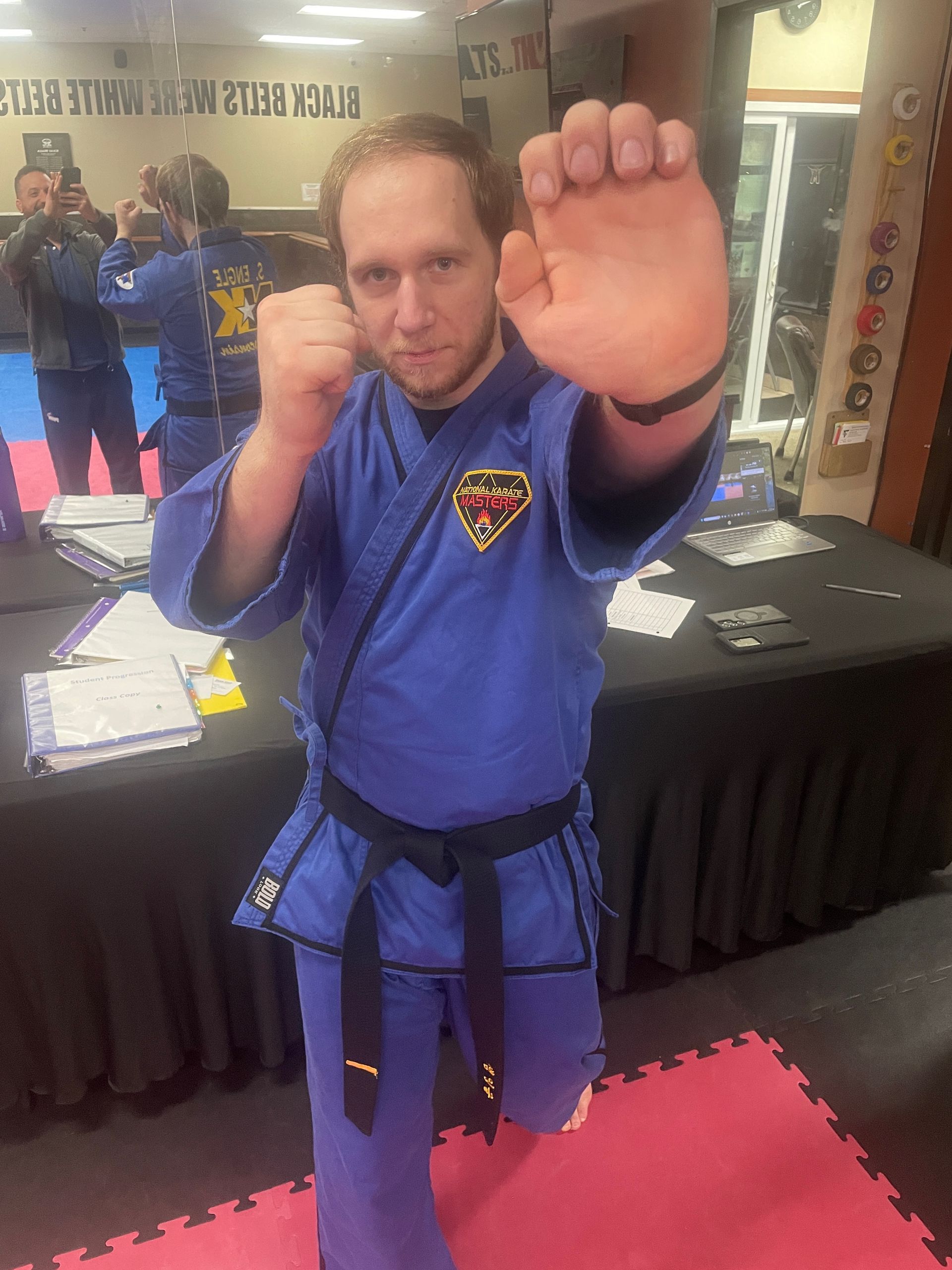
Kids understand levels. They understand milestones. The belt system in Karate gives them a long-term goal structure that most school assignments don’t. School often feels like constant resets: new unit, new test, new expectations. Belt progression is different. Skills stack, and kids can feel that stacking happening.
Testing also teaches patience. A child may want the next belt right now, but we teach that readiness matters. That lesson transfers directly into schoolwork, sports, and friendships: you don’t rush growth. You earn it.
Here’s what the belt journey teaches, step by step:
1. Set a goal that takes time, not just a weekend.
2. Practice consistently even when the excitement fades.
3. Accept correction as part of the process.
4. Manage nerves during evaluation moments.
5. Celebrate progress, then return to training with humility.
A big part of grit is learning to keep going after a setback. If a child struggles during a test cycle, we guide them back into focused practice with a plan. The message stays steady: you’re not behind, you’re building.
Safe challenges: sparring and partner drills without intimidation
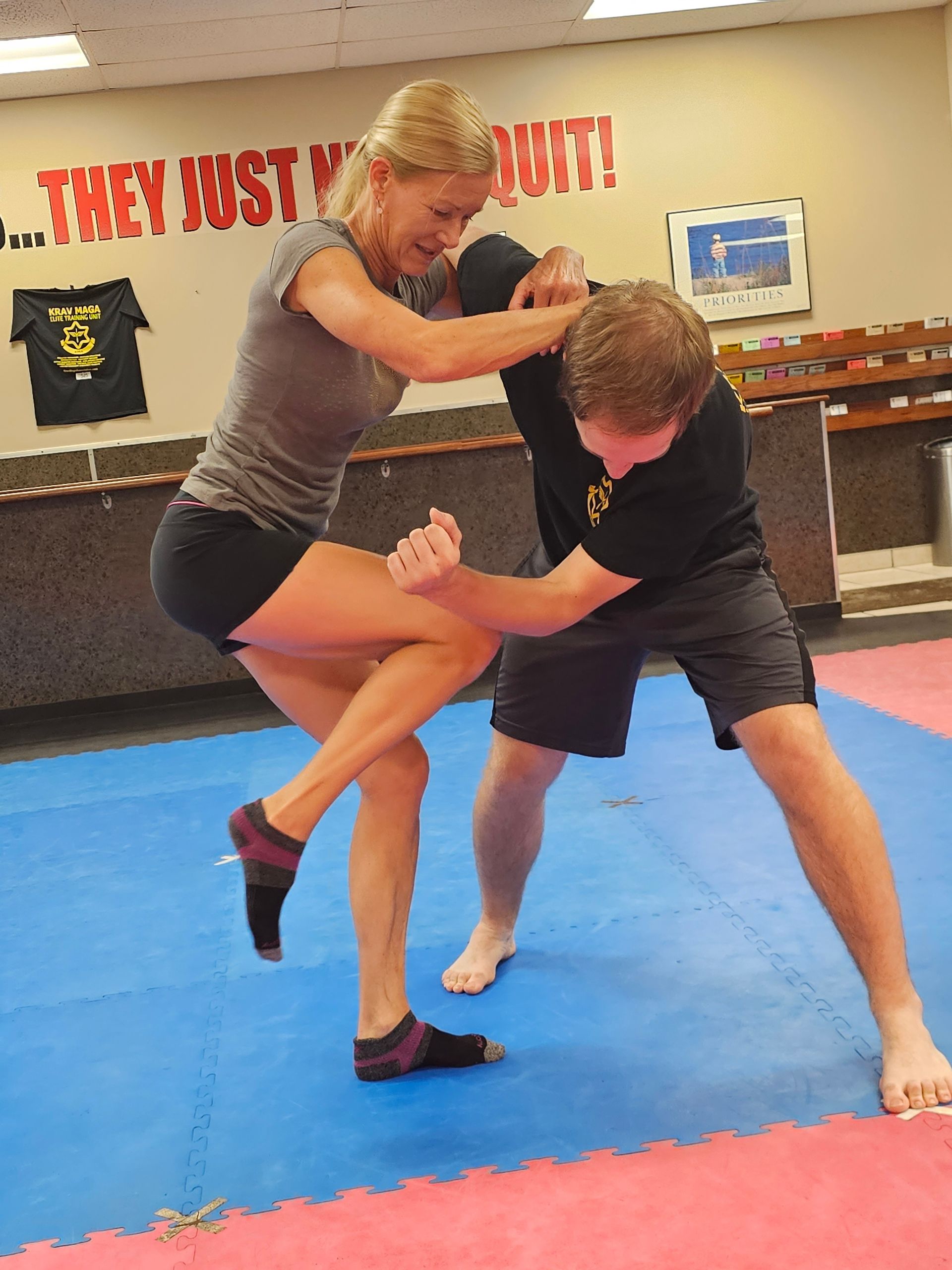
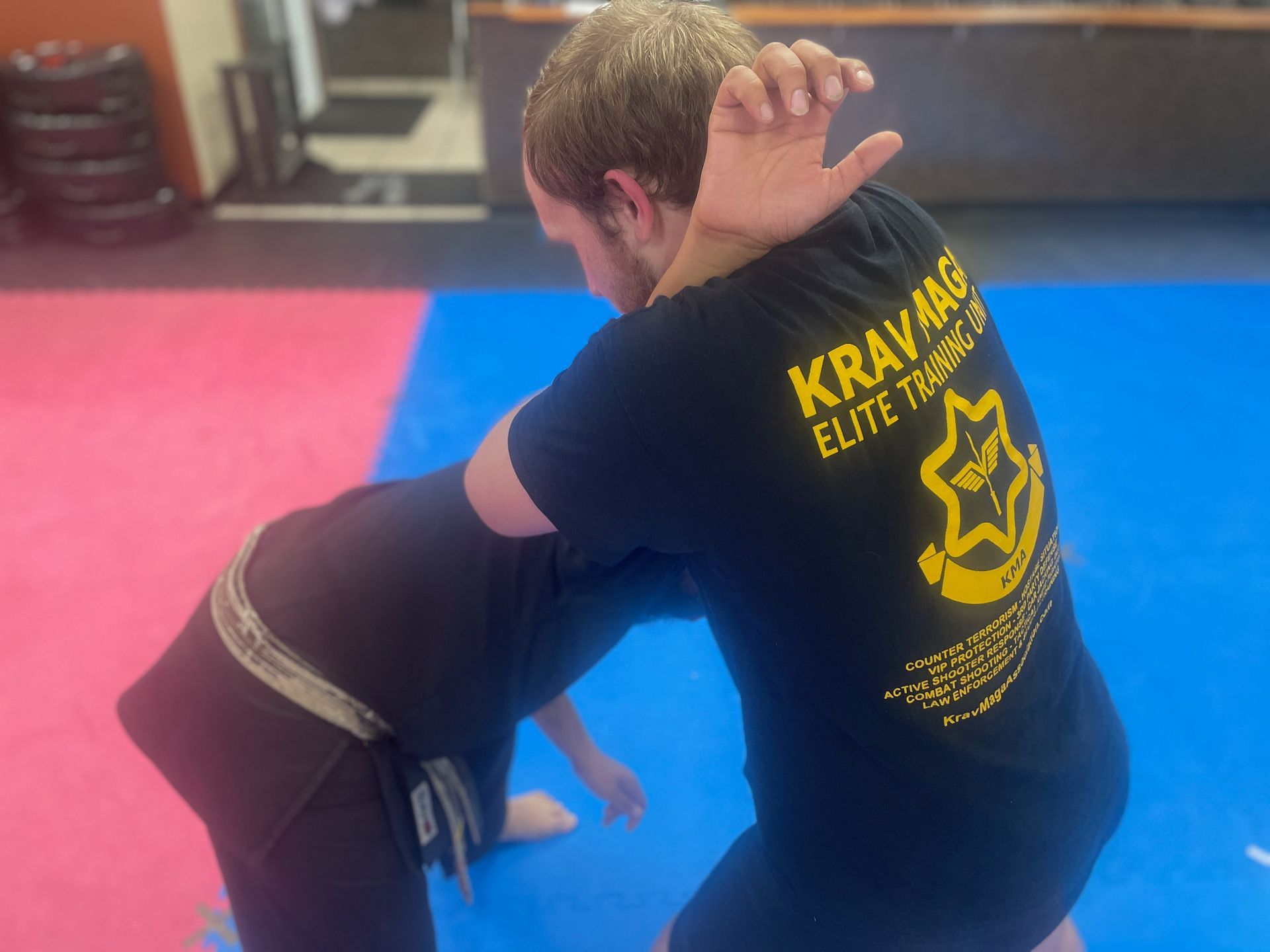
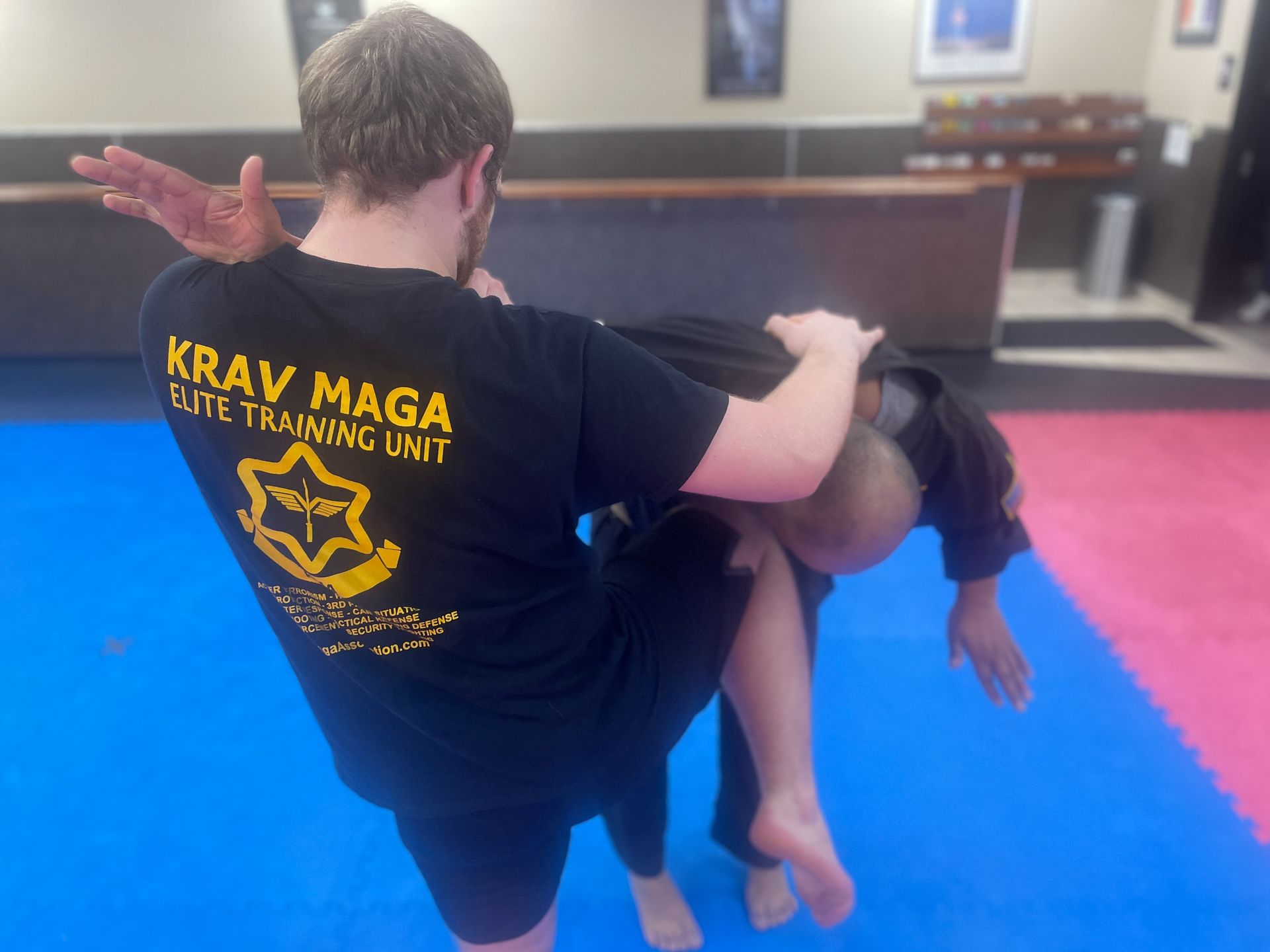
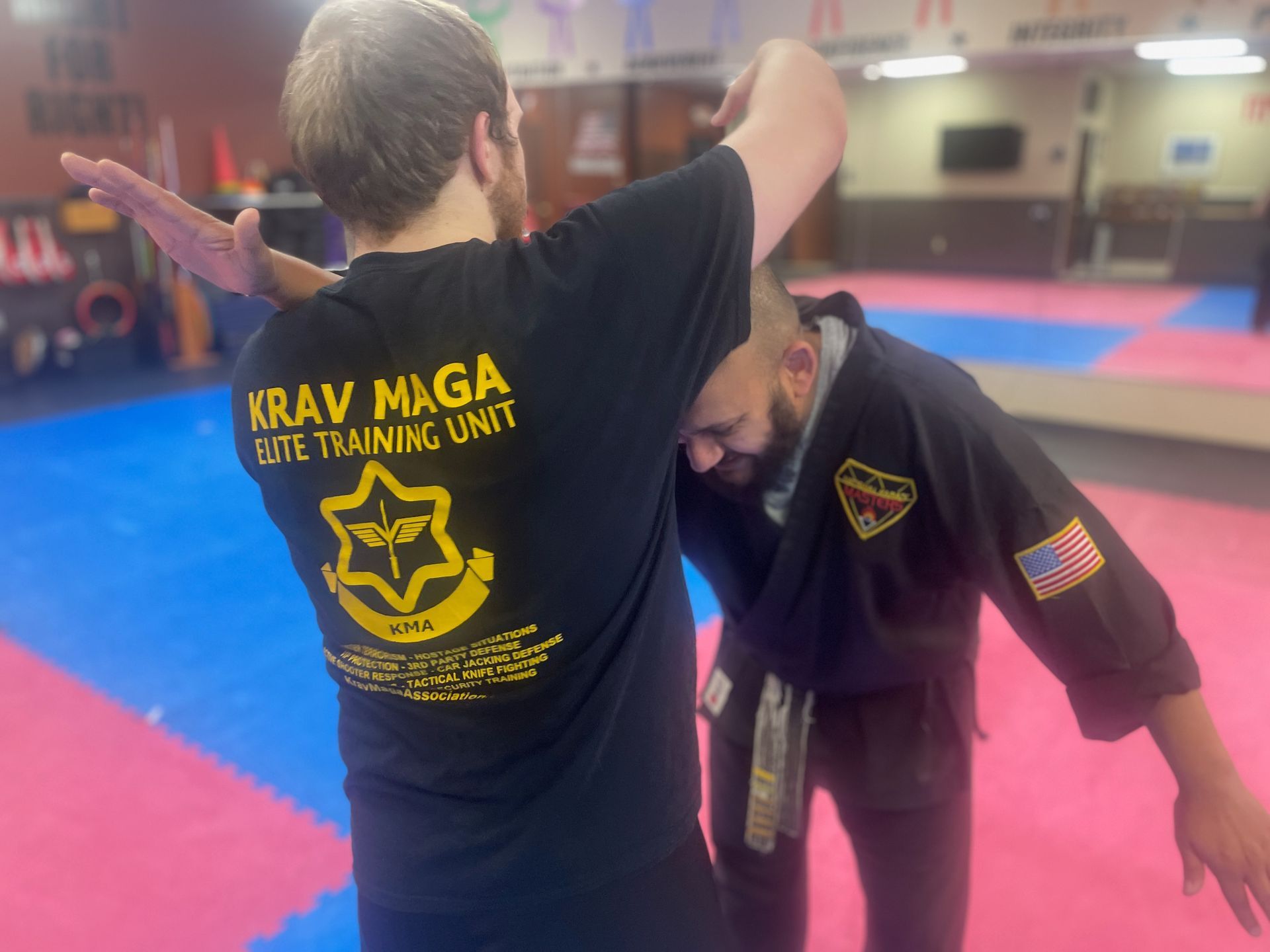
Kids don’t need chaos to learn courage. They need controlled challenge in a clean, well-run environment. Partner drills and controlled sparring teach kids how to face pressure while staying respectful and calm. That’s resilience training in motion.
In these drills, kids learn to:
- Breathe and think while someone is moving toward them
- Stay aware of space and timing
- Recover quickly after a mistake
- Keep emotions steady (no angry spirals)
- Follow rules even when energy is high
This is also where confidence becomes practical. It’s not just “I feel good about myself.” It’s “I can handle a difficult moment and make a choice.” That kind of confidence is grounded, and parents notice it at home. Kids argue less intensely. They try homework with less drama. They handle “no” with fewer tears. It doesn’t happen overnight, but it happens.
Respect and discipline: the quiet skills that protect kids later
We talk a lot about discipline, but we don’t mean harshness. We mean self-control. We mean listening the first time. We mean learning how to pause before reacting. In Karate, kids practice those skills every class, sometimes without realizing it.
Respect is also not just saying “yes sir” or “yes ma’am.” Respect is how kids treat training partners. It’s how they handle winning without bragging and losing without quitting. It’s how they accept a coach’s correction without shutting down. Those habits are social skills, and they become emotional armor when kids face peer pressure or conflict.
Our youth martial arts classes are structured so kids learn boundaries in a positive way. The rules are clear, the expectations are consistent, and the coaching is direct but supportive. Many parents tell us their child needs structure, and honestly, most kids do. They may resist it at first, but they relax once they know what “good behavior” actually looks like in a room full of movement and noise.
Confidence that comes from self-defense and awareness
Self-defense in Karate is not about turning kids into fighters. It’s about making them harder to intimidate. When a child stands taller, speaks clearly, and makes eye contact, the social dynamics around them shift. Confidence changes how a kid walks into school, how they respond to teasing, and how they interpret challenges.
We teach awareness and boundaries in age-appropriate ways. Kids learn to notice their surroundings, respect personal space, and respond with calm assertiveness. That matters in real life, especially for kids who freeze under pressure or struggle to speak up.
When parents ask whether training is “worth it” for confidence, we often point to something simple: kids start believing their effort matters. That belief is the foundation of resilience. If a child thinks effort changes outcomes, setbacks don’t feel final.
What parents tend to notice first (and why it sticks)
Some changes show up fast. Others are slow and steady. Based on what families share with us, these are common early wins:
- Improved listening and following directions without repeated reminders
- Better frustration tolerance when something feels difficult
- More willingness to try new things without quitting quickly
- Increased patience with siblings and classmates
- A noticeable boost in posture, presence, and eye contact
One reason these gains stick is that kids get frequent, honest feedback. Not vague praise. Real coaching that says, “Here’s what you did well, here’s what to fix, and here’s how to fix it.” That kind of feedback builds grit because it gives kids a roadmap instead of a label.
Youth Karate in New Berlin: fitting real schedules and real family life
Parents are busy. Kids are busy. We keep that reality in mind with a class schedule that includes evenings during the week and Saturday options, so families can build consistency without turning life upside down. You can check the class schedule page to see the most up-to-date times.
Our location in New Berlin makes training accessible for families coming from nearby Waukesha County and surrounding communities. We also keep the training space clean and organized because safety and focus are not optional when kids are learning movement skills.
For families exploring Youth Karate in New Berlin, a helpful mindset is to think in months, not days. The biggest gains in resilience and grit come from steady practice, not quick hacks. That’s exactly what Karate is designed to reward.
How we keep classes structured, personal, and supportive
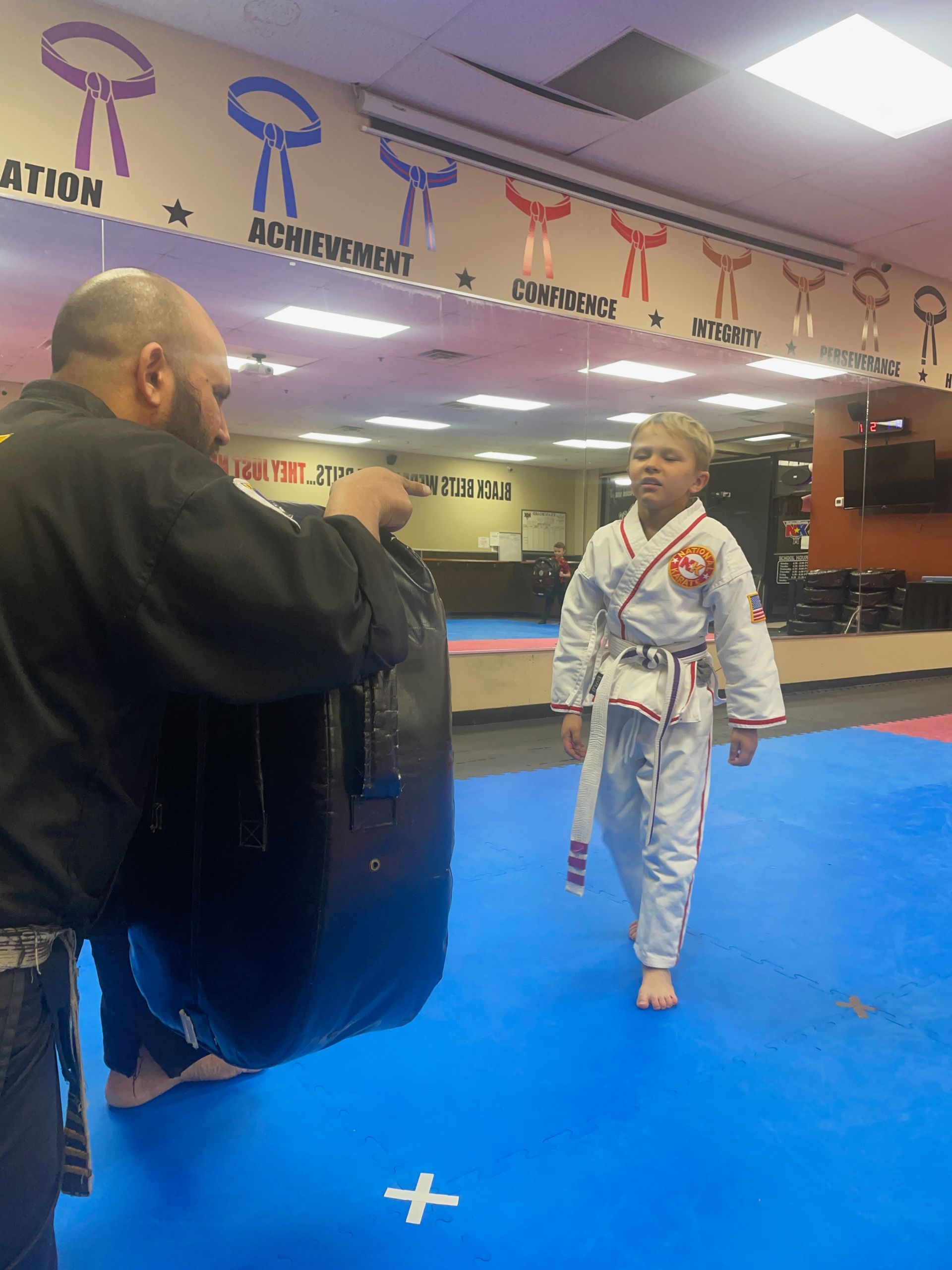
Kids learn best when they feel safe, challenged, and known. Our instructors make a point to learn names quickly and coach kids as individuals, not as a crowd. That personal attention matters when a child is shy, easily distracted, or convinced they “can’t do it.”
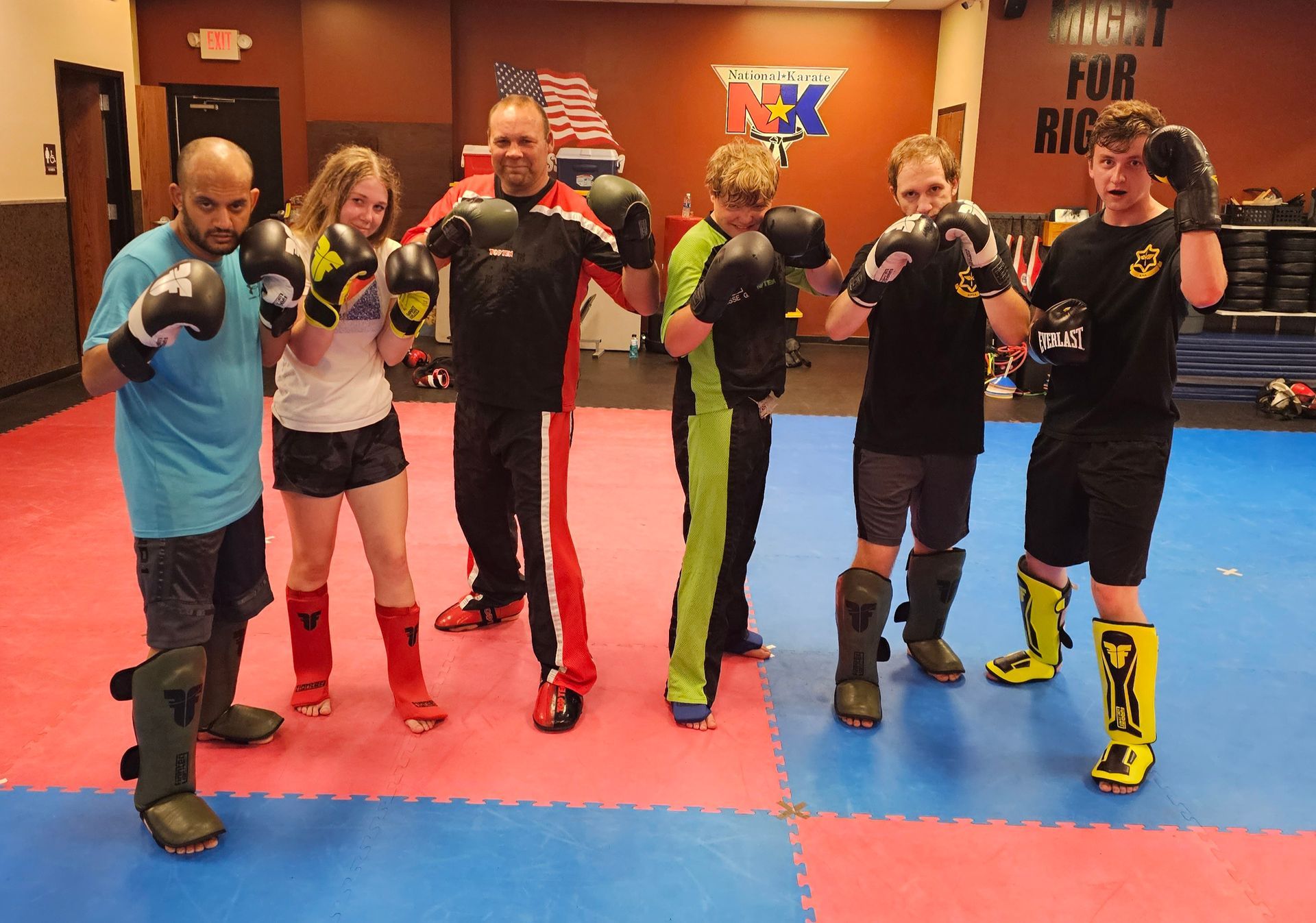
We also teach kids how to be good training partners, because peer culture can make or break a youth program. When kids encourage each other and follow rules together, the room feels welcoming. That’s when growth accelerates.
And yes, we keep expectations high. Kids rise to what’s consistent. If we let them slide when they’re frustrated, they learn to escape effort. Instead, we teach them how to work through frustration with practical tools: breathe, reset stance, listen, try again.
Take the Next Step
Building resilience and grit isn’t a lecture kids sit through. It’s a skill set kids practice, in motion, with real coaching and clear milestones. That’s what we focus on every day, and it’s why families often tell us they see changes that carry into school, home routines, and social confidence.
When you’re ready to explore Youth Martial Arts in New Berlin in a structured, supportive environment, we’d love to help your child get started. At Wisconsin National Karate Kickboxing & Krav Maga, our Karate program is designed to challenge kids at the right level while keeping progress safe, positive, and consistent.
Build stronger fundamentals and sharpen your technique by joining a Karate class at Wisconsin National Karate.