Can Karate Improve School Performance? Key Benefits for New Berlin Kids
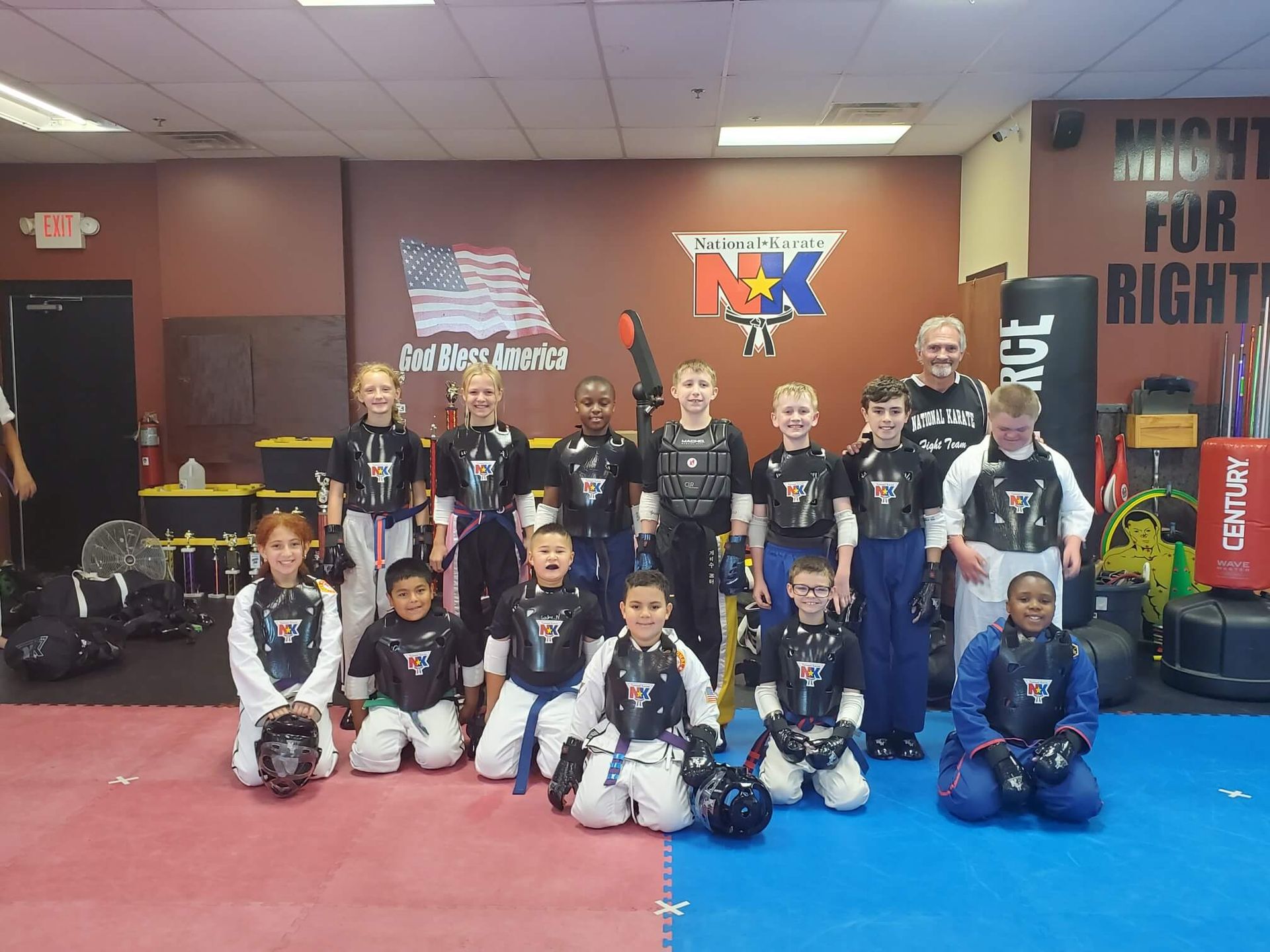
Karate can turn “I can’t focus” into “I’ve got this” by training attention, discipline, and calm under pressure.
Parents in New Berlin care about grades, of course, but school success is bigger than report cards. It is homework habits, classroom behavior, confidence during presentations, and the ability to handle stress when life gets busy. That is exactly where Karate can make a real difference, because the skills we practice on the mat translate surprisingly well to the desk.
We also know families are juggling a lot right now: screen time battles, packed schedules, and kids who feel pressure earlier than we did. Our youth classes are designed to give your child structure and positive momentum without adding chaos to your week. The goal is simple: help your child build the kind of focus and self-control that teachers notice and parents appreciate.
If you have ever wondered whether training actually helps school performance, the research is encouraging. A 2024 randomized controlled trial found a one-year school-based karate program significantly improved overall academic marks, reduced conduct problems, and improved cardiorespiratory fitness and balance compared to traditional physical education. We see those same “whole-child” changes when students train consistently in our program.
What the research says about Karate and academic success
When we talk about school performance, it is easy to focus only on tutoring or more study time. But learning also depends on brain health, emotional regulation, and the ability to sustain attention. Karate supports all three, which is why the academic benefits are more than a motivational poster idea.
In that 2024 trial, kids who participated in the karate intervention improved overall grades while also reducing conduct problems. That combination matters. Better marks without better behavior can still lead to classroom struggles, and better behavior without stronger learning skills can still leave a child frustrated. Karate targets both: we train kids to follow directions, control impulses, and keep working through challenging tasks.
There is also the fitness link, which sometimes gets overlooked. Physical activity boosts blood flow to the brain and supports memory and mood. The same study reported improved cardiorespiratory fitness and balance, with trends toward improved flexibility. When your child feels better physically, it often becomes easier to sit still, listen, and think clearly.
Why Karate helps kids focus in class
Focus is not a personality trait. It is a trainable skill. In class, focusing means noticing when attention drifts and pulling it back without melting down or checking out. Our training builds that “attention muscle” in a very practical way.
During Karate practice, we ask students to listen, watch, and repeat precise movements in the right order. That is sustained attention plus immediate feedback, over and over. If a student is distracted, the technique simply does not work as well, and our instructors correct it in a calm, structured way. Kids learn that attention has a payoff, not just a punishment for mistakes.
We also use clear routines. Bowing in, lining up, following class etiquette, and staying aware of spacing are small actions, but they create a pattern of self-management. Over time, many parents tell us their child starts finishing homework with fewer reminders, or at least starts faster, which is half the battle some nights.
What improved focus looks like outside the dojo
In real life, focus shows up in the little moments:
- Starting homework without negotiating for twenty minutes
- Listening to multi-step directions and actually doing them
- Staying calmer during tests instead of spiraling into anxiety
- Noticing distractions and choosing to reset
- Being more present in conversations with teachers and parents
Those changes do not happen overnight, but they are realistic when training is consistent.
Discipline and behavior: the “teacher notices” benefits
Karate has a reputation for discipline, and that part is well earned, but it is not about kids acting like tiny robots. It is about learning self-control in a setting where expectations are clear and fair.
In surveys of parents with martial arts children around ages 7 to 12, most report increased discipline, confidence, self-control, and social skills. In one survey, 25 of 26 parents reported better discipline. That tracks with what we see: kids get used to showing respect, waiting their turn, and managing frustration when something is hard.
The important point is how discipline is taught. We do not rely on yelling or intimidation. We rely on structure, repetition, and accountability. Students learn that effort matters, attitude matters, and being coachable matters. That same mindset tends to reduce classroom issues like talking out of turn, ignoring directions, or giving up on assignments.
Memory, learning, and test readiness
If your child struggles with memorization, Karate can feel like a secret advantage. Students memorize stances, combinations, and forms, and then recall them under mild pressure while moving. That is a powerful kind of learning, because it combines mental recall with physical action.
Research and educational observations around martial arts point to improved memory and cognitive skills through this type of repetitive, patterned learning. When kids practice sequences until they become familiar, the brain gets better at encoding and retrieving information. That does not replace studying for spelling tests or math facts, but it can make learning feel less overwhelming.
We also see students get more comfortable being “on the spot.” Being asked to demonstrate a technique in front of classmates is not identical to giving a presentation at school, but it trains similar skills: managing nerves, speaking clearly, following instructions, and recovering if you make a mistake.
Stress management for busy New Berlin kids
Even in a family-focused community like New Berlin, kids feel stress. Between homework, sports, social pressure, and constant notifications, it can be a lot. Karate gives kids a place to move, breathe, and reset in a structured environment, which matters more than most people realize.
Exercise can reduce anxiety and improve mood, and that helps learning indirectly. A child who feels calmer will usually absorb more in class and stay more resilient during setbacks. We intentionally coach emotional control: how to pause, how to listen, how to respond instead of react. For some students, that becomes a new default.
Stress management also connects to sleep and routines. When kids have a predictable training schedule, their week gains structure. That structure often spills over into better time awareness for homework and fewer last-minute scrambles.
Why kinesthetic learning works for many students
Not every child thrives in a desk-first environment. Some kids learn best by doing, moving, and repeating in real time. Martial arts are naturally kinesthetic, which is one reason Youth Martial Arts in New Berlin can be such a strong fit for families who feel like their child is “smart but restless.”
Karate provides immediate cause-and-effect learning. If foot placement is off, balance is off. If timing is late, the combination does not flow. Kids do not have to guess whether they understood; their body tells them. That kind of feedback can build confidence for students who struggle with worksheets but excel when learning is hands-on.
It also teaches patience. A student cannot rush a belt level the way someone can rush through a homework sheet. Progress takes repetition, and repetition builds grit, which is one of the most useful school skills there is.
Physical fitness and brain performance are connected
Academic performance is not only about “more studying.” It is also about energy, mood, and the ability to sit and think without feeling foggy. Fitness supports that, and Karate is a full-body activity that builds strength, coordination, and endurance.
The 2024 trial highlighted improvements in cardiorespiratory fitness, balance, and overall physical development. That matters for kids who feel sluggish after school or who struggle to regulate energy levels. When the body is trained to work and recover, the brain often follows with improved attention and better emotional stability.
We also keep safety and progression front and center. Beginners start with fundamentals and build confidence step by step. That makes Karate approachable for kids who are new to sports, as well as kids who are already active but want something that challenges them in a different way.
What kids learn in our Youth Karate in New Berlin program
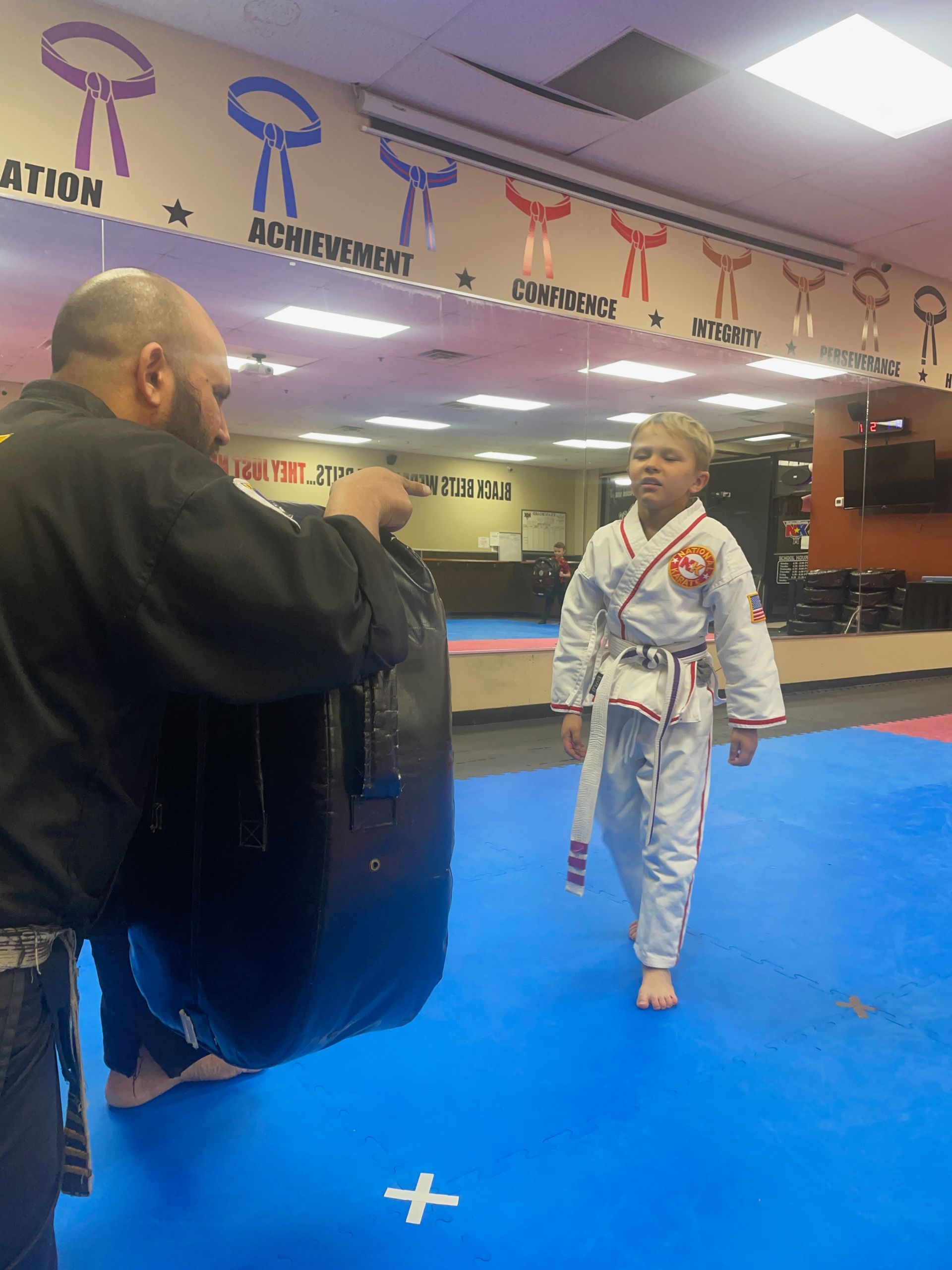
We keep youth training structured and age-appropriate, with a clear path forward. Students learn practical skills, but just as importantly, they learn how to learn: how to listen, how to correct mistakes, and how to keep going.
Here is what a typical curriculum focus includes:
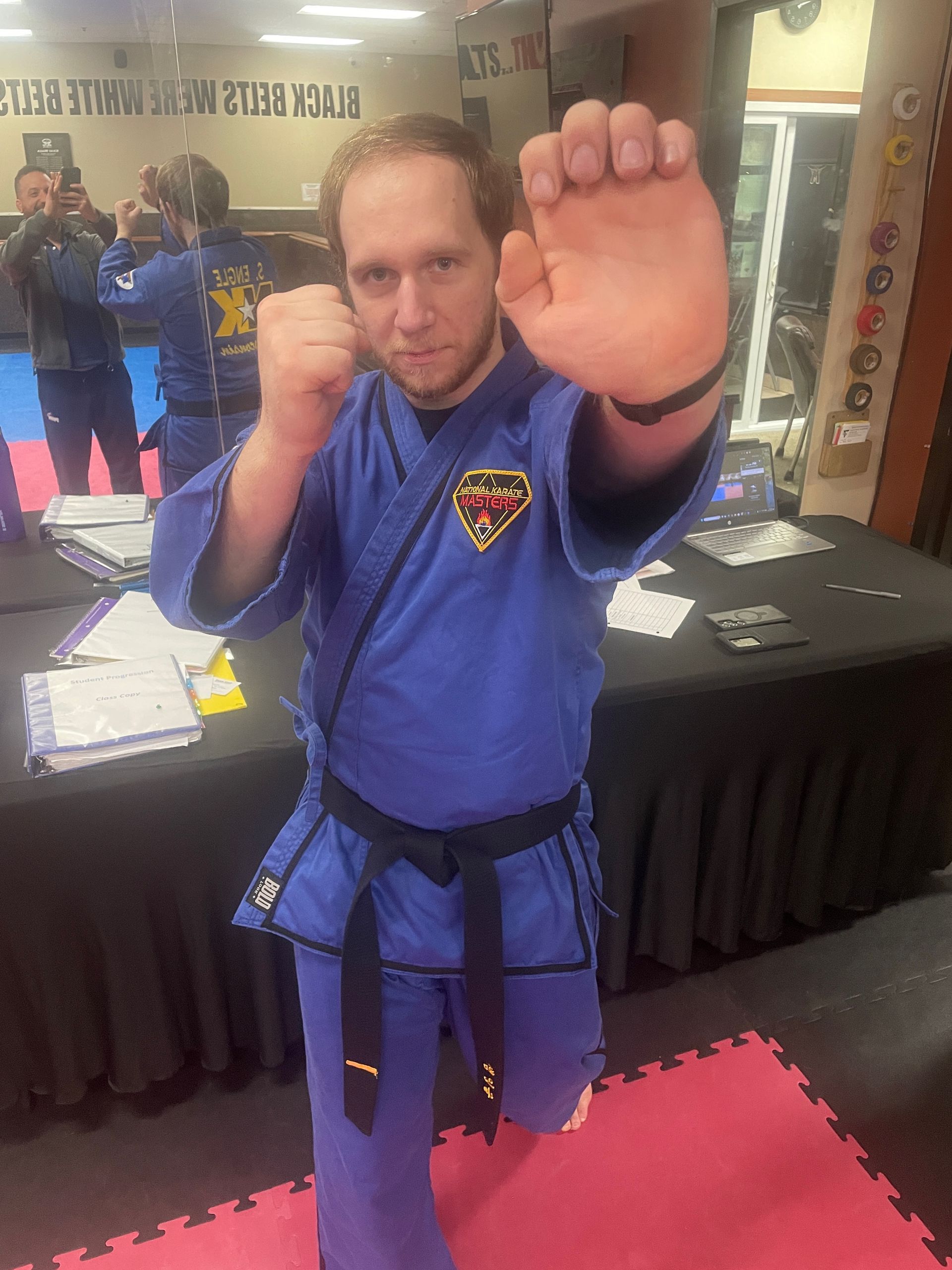
- Fundamental stances, footwork, and balance skills that improve body control
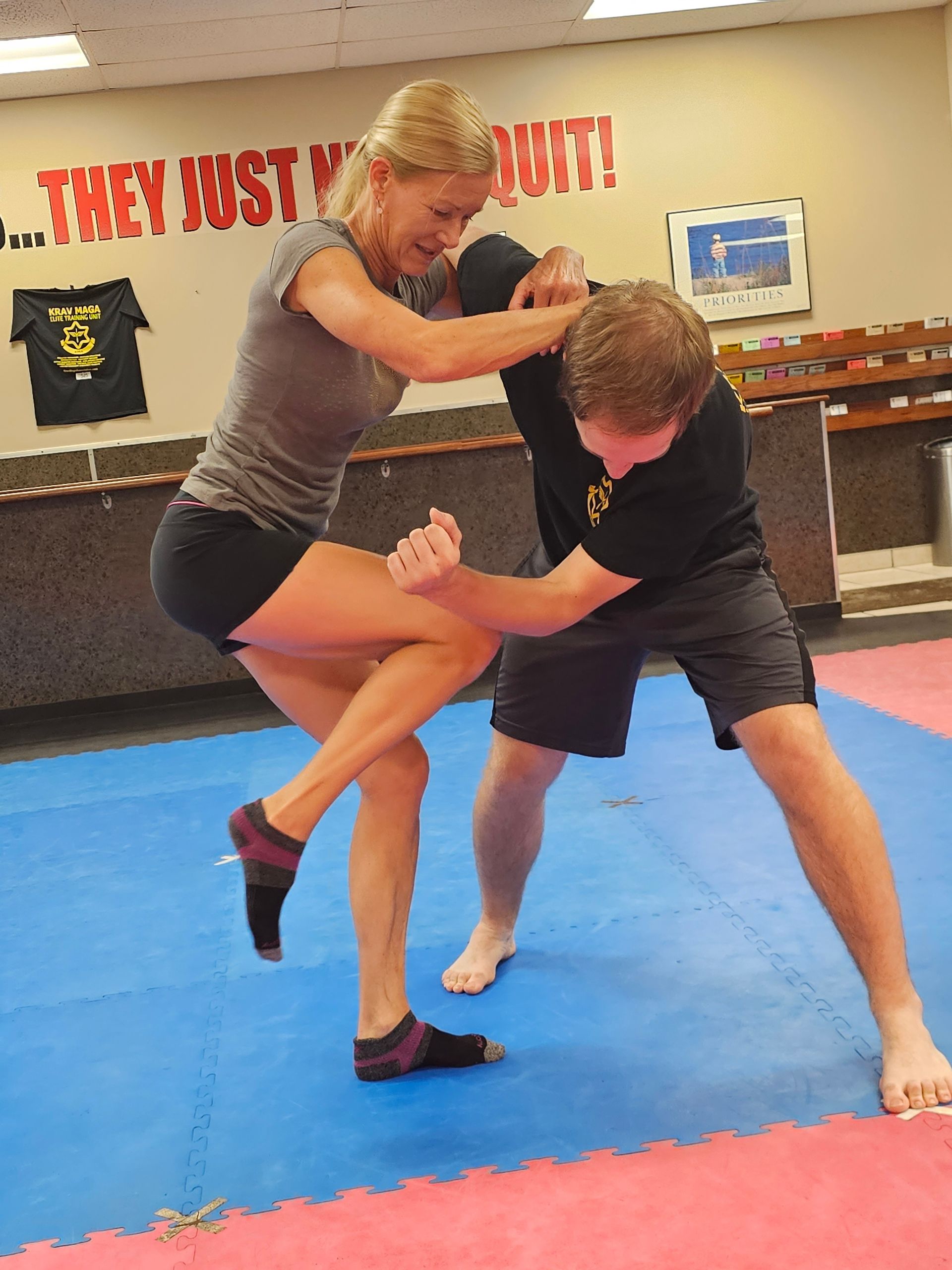
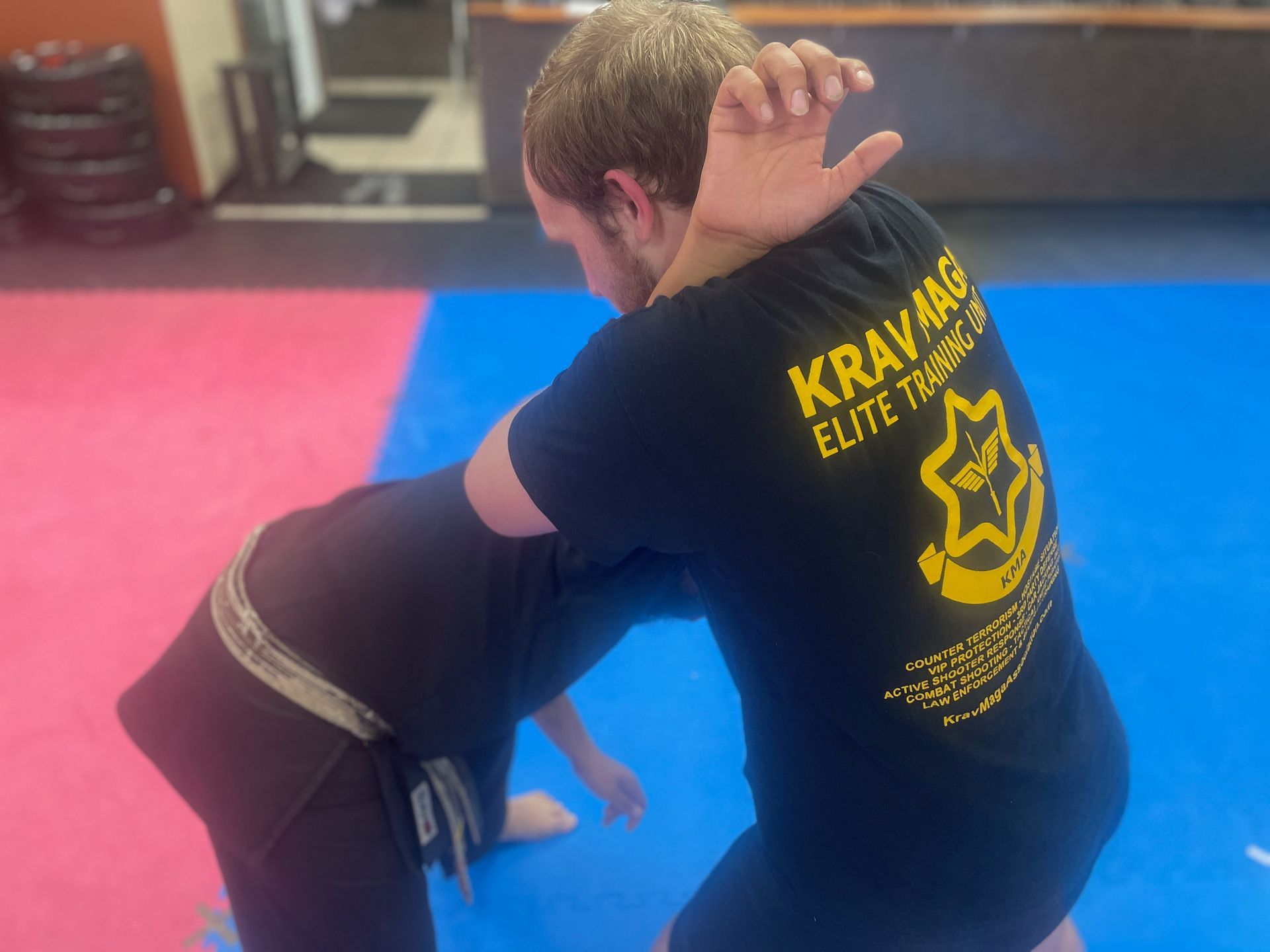
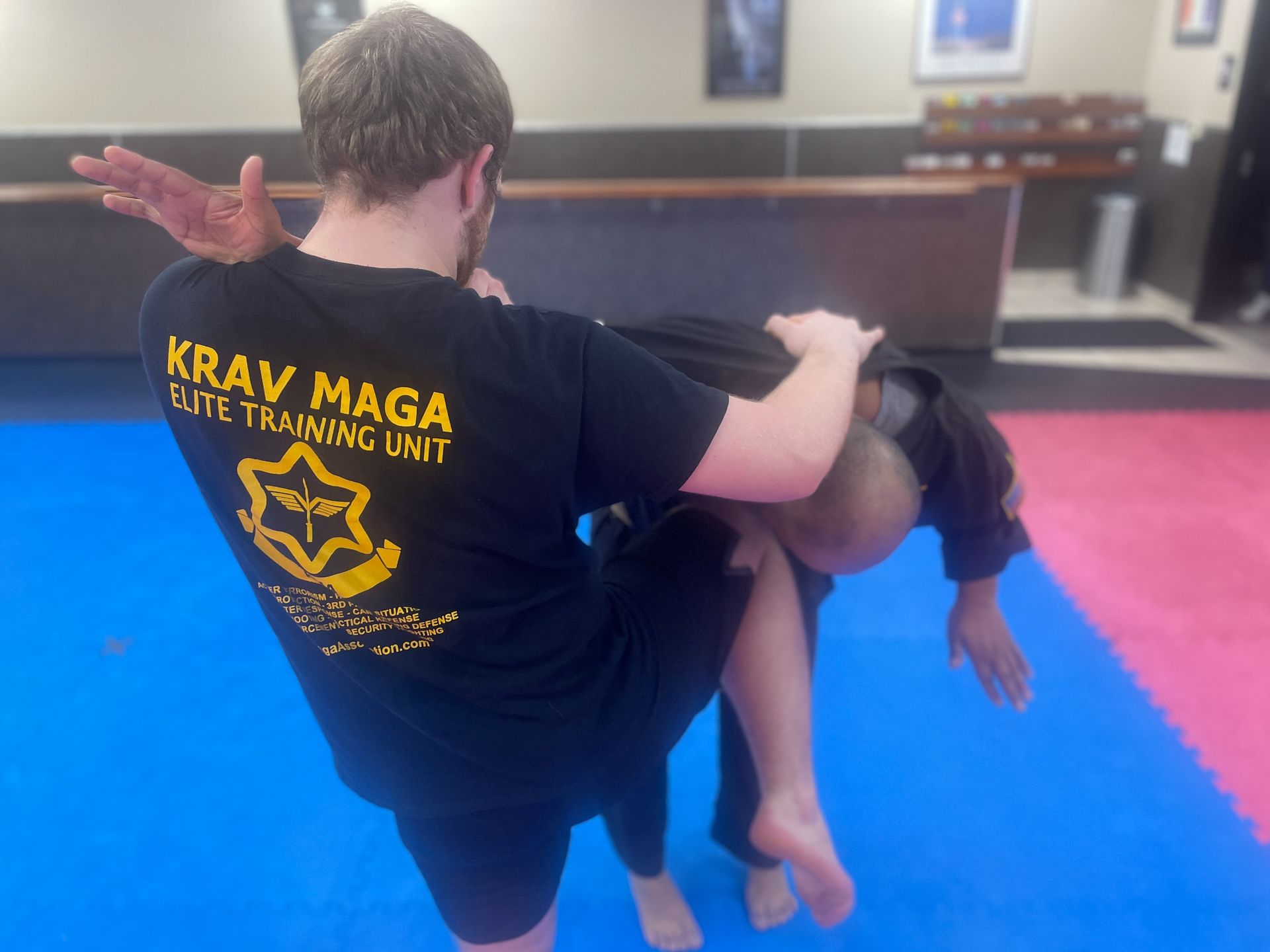
- Punches, kicks, and defensive movement taught with safety and precision
- Forms and combinations that build memory, sequencing, and confidence
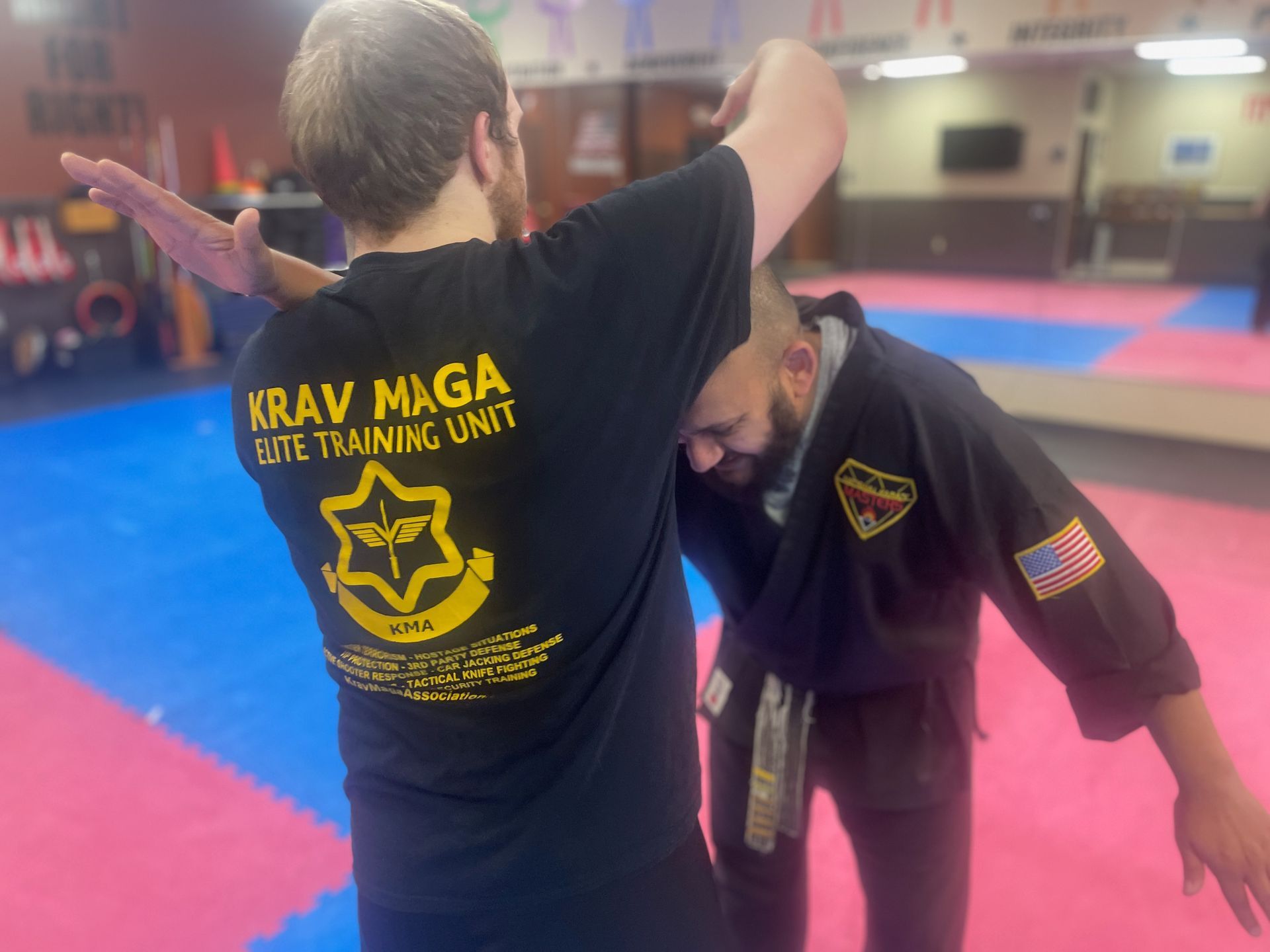
- Partner drills that teach respect, timing, and social awareness
- Goal-setting through belt progression that rewards consistency and effort
Those components are not random. Each one supports classroom skills like following directions, managing impulses, and remembering information under pressure.
How much training is needed to see school-related benefits?
We want to be realistic and helpful here. Some families notice changes in routine and attitude within a few weeks, especially if a child needs structure. More meaningful benefits, like improved focus during homework or better emotional control at school, typically build over a few months of consistent attendance.
The strongest research results showing academic improvement involved a longer, one-year intervention. That makes sense. Just like grades, skills compound. The key is consistency, not perfection.
A practical schedule for many families is one to two classes per week. That frequency is enough to create momentum without burning kids out. Our class schedule is designed to fit school calendars, with options that work on evenings and weekends.
A simple way to connect training to school goals
If you want to track whether Karate is helping your child academically, keep it simple and specific. We recommend picking two or three “school success” behaviors to watch over a semester, not ten.
For example, you might track:
1. Homework start time: how long it takes your child to begin after getting home
2. Teacher feedback: notes about listening, interrupting, or staying on task
3. Test confidence: whether your child prepares calmly or panics and avoids
Belt progression gives you an additional feedback loop. When a child improves in technique, it usually reflects better focus, better consistency, and better self-management, which is exactly what school requires too.
Take the Next Step
Building stronger grades usually starts with building stronger habits, and that is where Karate shines. When kids practice focus, discipline, memory, and emotional control in a structured setting, school becomes less of a daily battle and more of a challenge they can handle with confidence.
Our team at Wisconsin National Karate Kickboxing & Krav Maga in New Berlin, WI helps families turn those benefits into a steady routine with clear expectations and supportive coaching. If you want a program that strengthens both the body and the student mindset, we would love to help you get started.
Improve your skills step by step by joining a Karate class at Wisconsin National Karate.