5 Essential Safety Tips for Parents Considering Youth Karate in New Berlin

The safest martial arts training is the kind that builds smart habits first, then skills.
If you are looking into Youth Karate for your child, safety is probably the first thing on your mind, and it should be. We talk with New Berlin parents every week who want their kids to gain confidence and focus without getting hurt or picking up the wrong attitude. That is a healthy concern, and it is also very solvable with the right structure and expectations.
The good news is that youth karate tends to have a relatively low injury risk when it is taught the right way. One reported figure often cited in sports reviews is about 5.6 injuries per 100 athletes over a 12 month period, and most issues are minor and avoidable with proper coaching, progressive training, and age appropriate contact. Our goal is simple: keep your child safe while helping your child grow.
Below are five practical, parent friendly safety tips we recommend before and during Youth Karate in New Berlin, based on what works in real classes with real kids.
Tip 1: Make sure training is age appropriate, not just kid friendly
A class can look fun and still be poorly matched to a child’s stage of development. Age appropriate training means more than smaller uniforms and shorter classes. It means our drills, expectations, and even how we correct mistakes match the student’s coordination, attention span, and emotional maturity.
What age appropriate Youth Karate looks like in our program
We build skills in layers so students do not skip the basics. In a safe youth setting, we focus on control first, then speed and power later. That matters because most preventable injuries come from kids trying to do “big kid” techniques before their bodies are ready.
In practical terms, age appropriate instruction includes:
- Clear rules about personal space and when contact is allowed
- Simple combinations that build balance before high kicks
- More repetition and shorter bursts of intensity for younger students
- Frequent coaching reminders about posture, guard, and breathing
If your child is brand new, we also watch how your child handles corrections and frustration. A safe class is not just physically safe. It is emotionally steady, too.
Tip 2: Look for real supervision and a system, not chaos
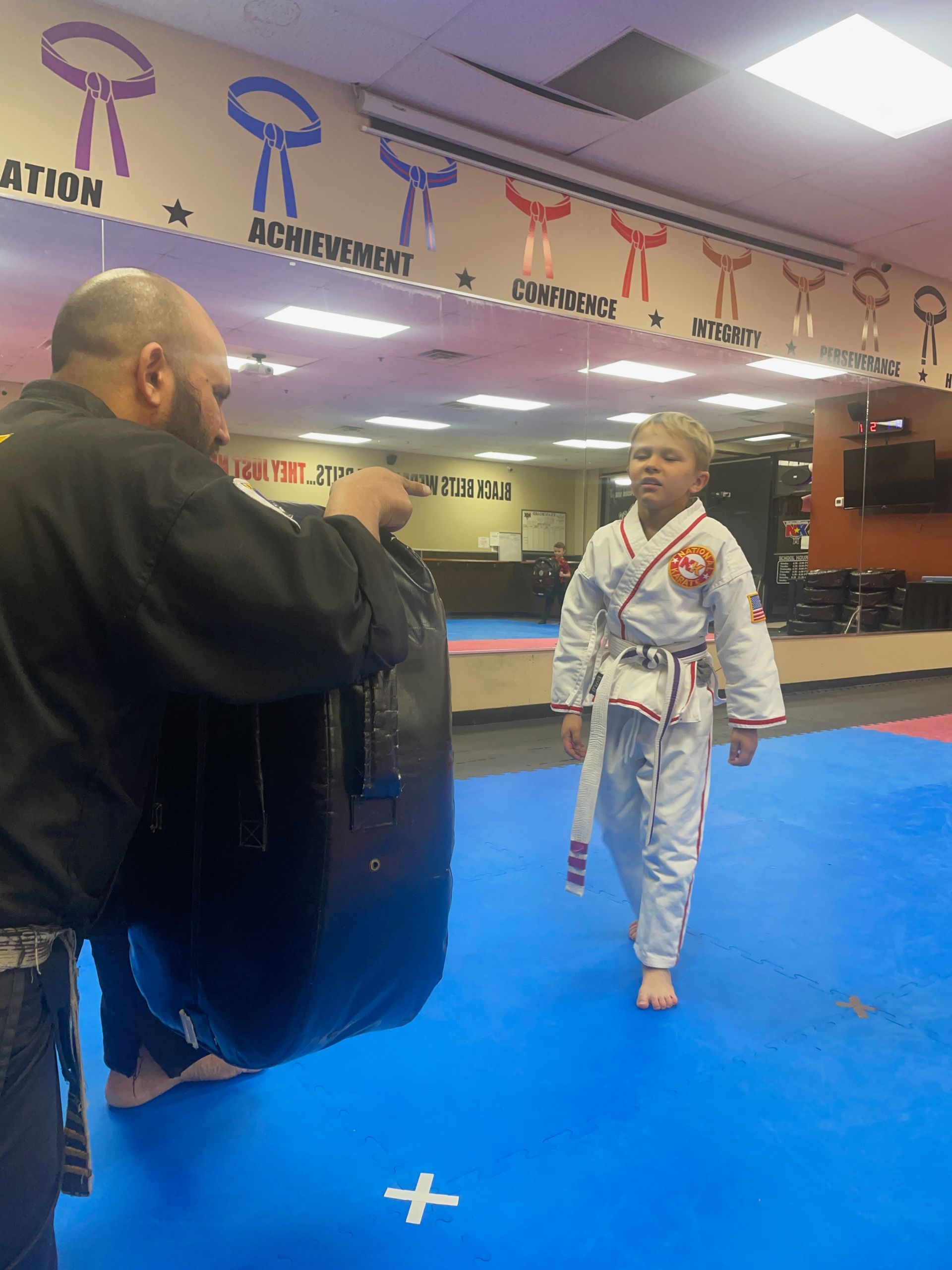
Kids move fast, and in martial arts classes, that means a coach has to be proactive, not reactive. Supervision is not just “an adult in the room.” It is an instructor noticing the small things before they become problems: a loose stance that could lead to a knee tweak, a student who is getting tired and sloppy, or a partner pair that is mismatched in size or intensity.
The safety value of progressive skill development
One big reason Youth Karate can stay low risk is that it can be taught in a progression. We treat techniques like building blocks. Students earn complexity. That keeps a class from becoming a free for all where kids imitate what they saw online and hope for the best.
A well supervised class also includes boundaries that are consistent, even on busy days. We keep students organized, rotating properly, and engaged, because bored kids tend to invent their own games, and that is when accidental collisions happen.
If you are a parent watching class, you should see instructors scanning, correcting, and guiding, not just calling out moves from across the room.
Tip 3: Prioritize control, not “toughness,” especially in partner work
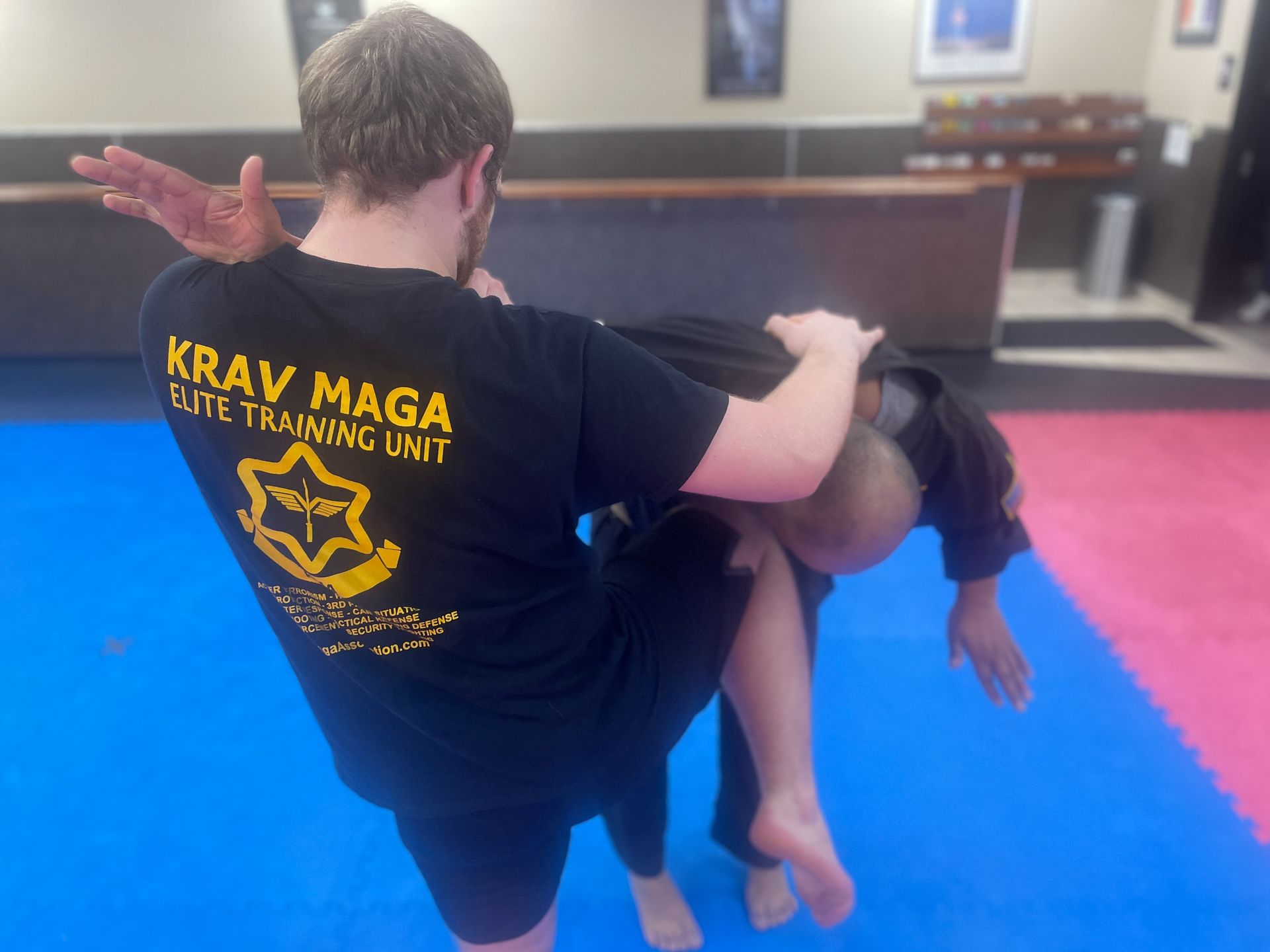
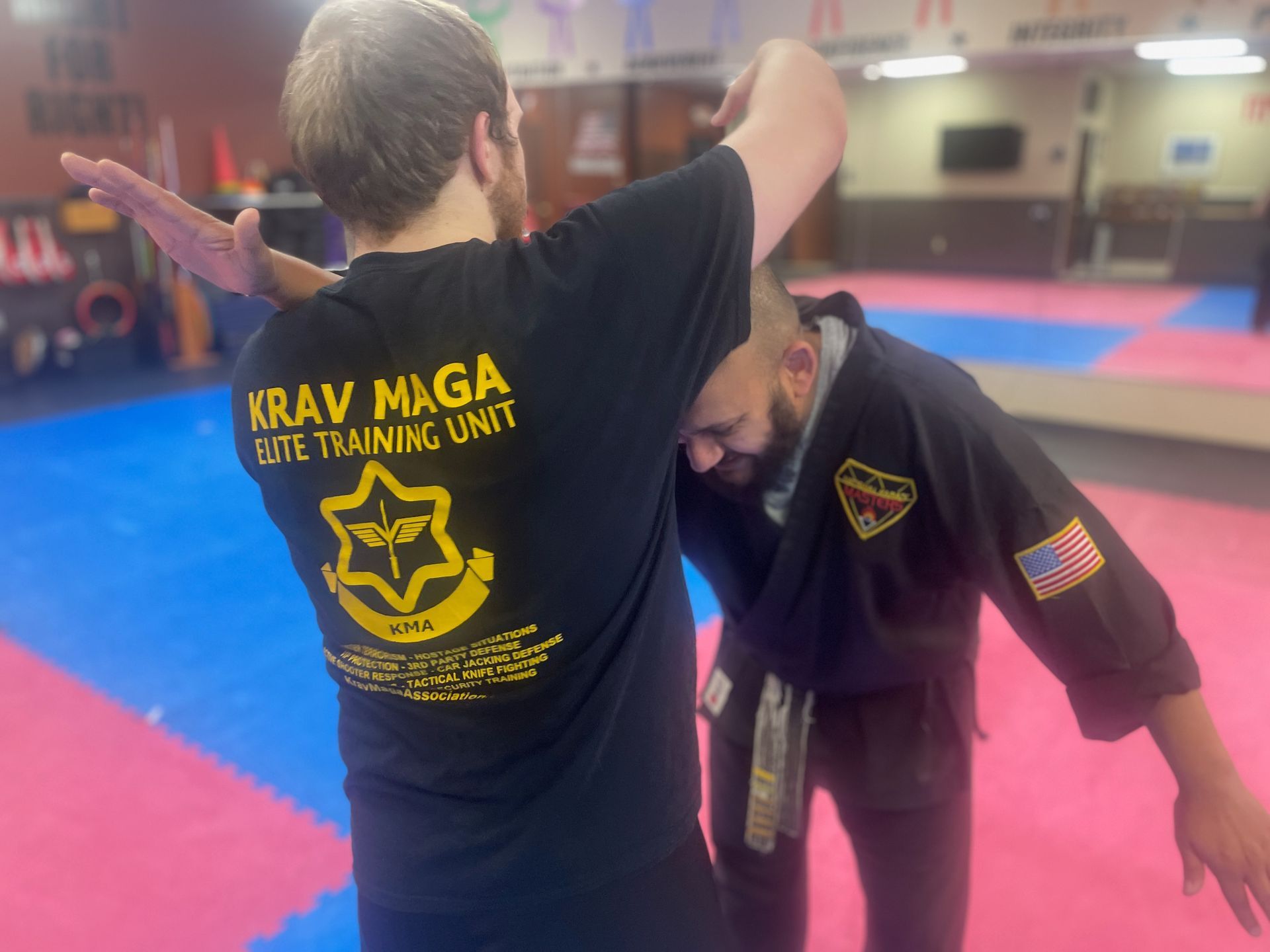
Parents sometimes worry that karate automatically means sparring and hard contact. In safe Youth Karate, contact is introduced carefully, and only when students have the control to handle it. Control is a skill, and it takes time.
How we keep partner drills safe
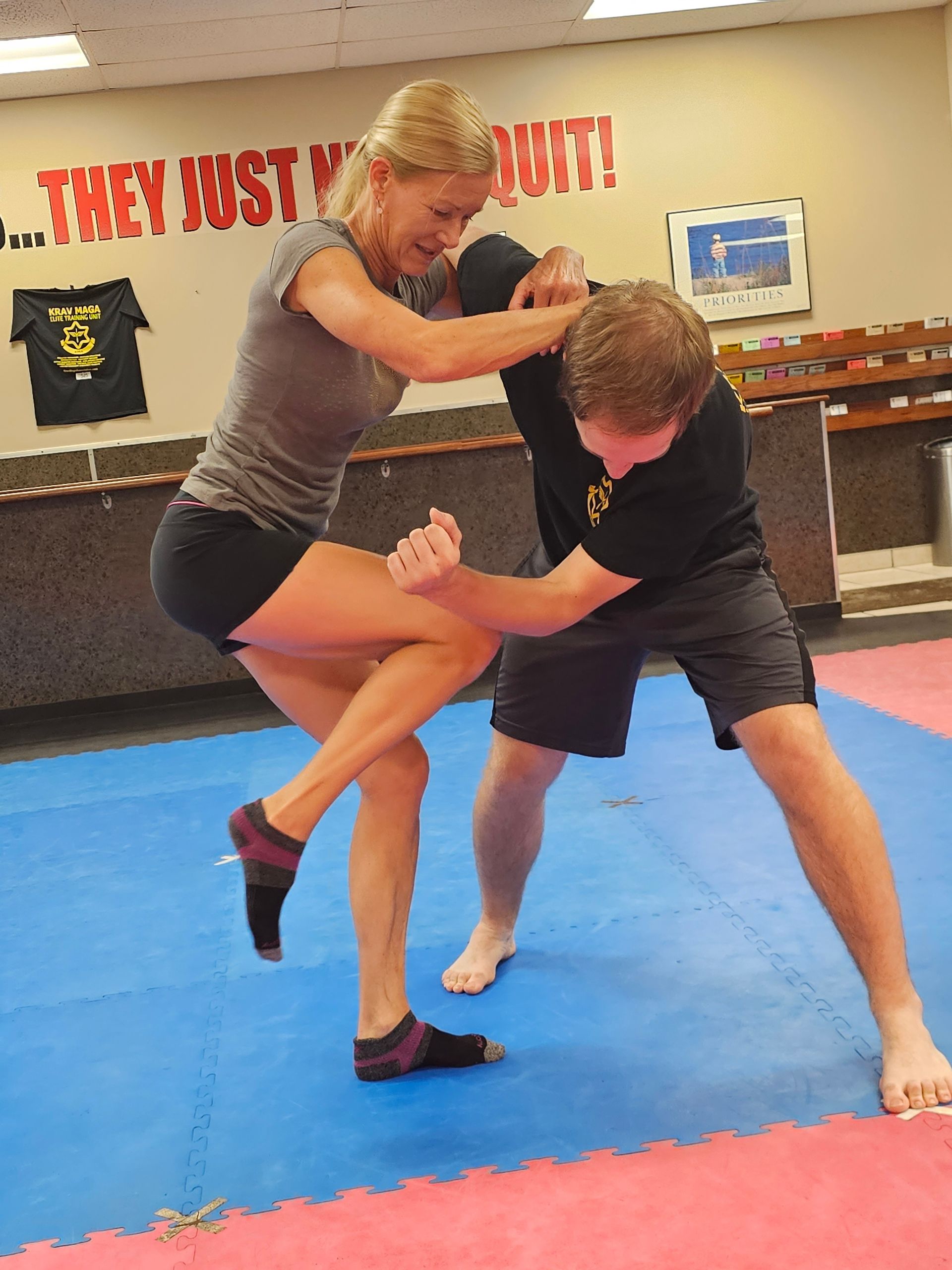
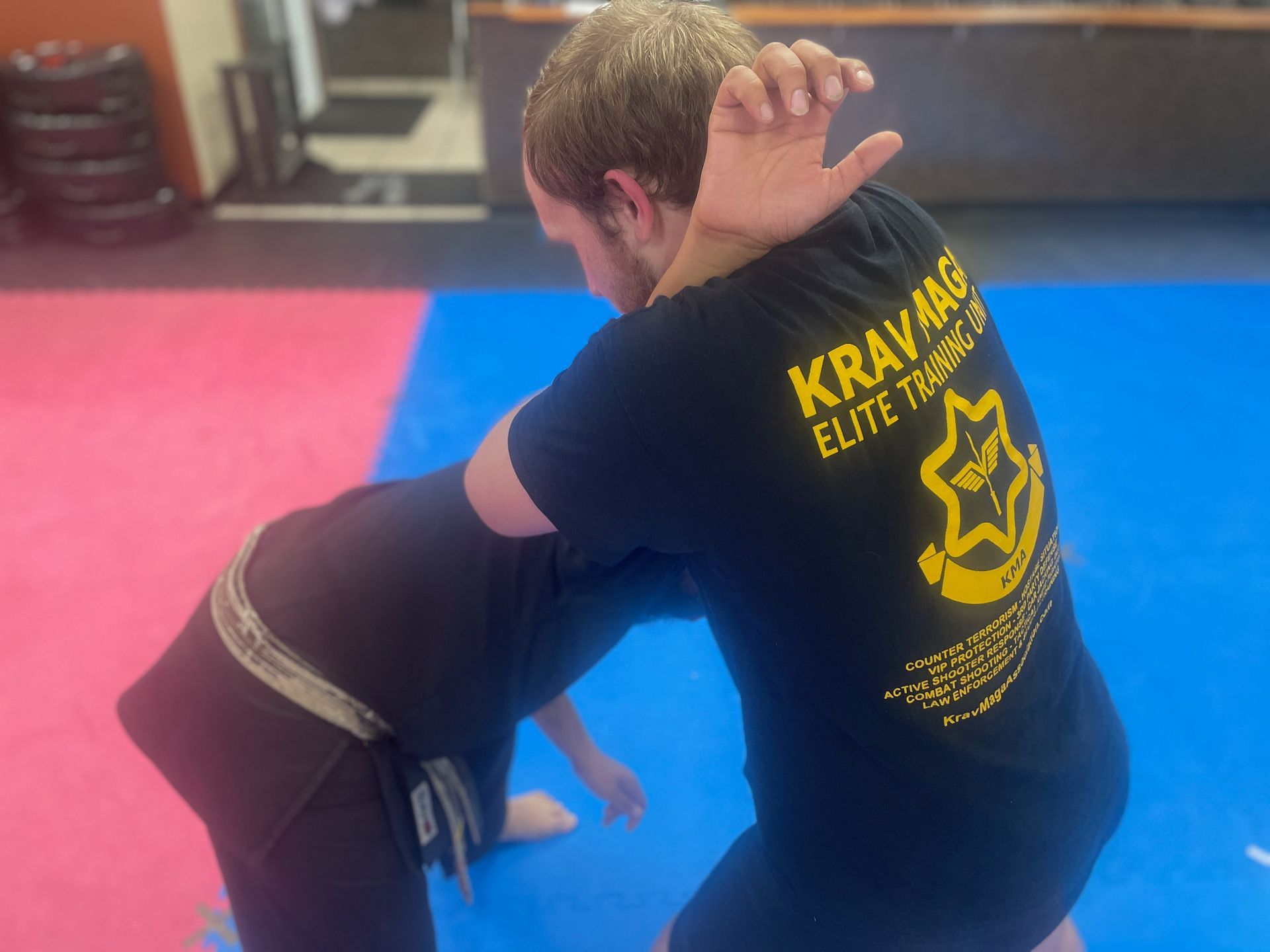
Partner drills are valuable because kids learn distance, timing, and how to stay calm around movement. But partner work also needs rules that are enforced every single time. When we pair students, we consider size, experience, and temperament, not just who is standing closest.
Here is what we emphasize for safe partner practice:
- Touch contact or light contact as a training tool, not a test of toughness
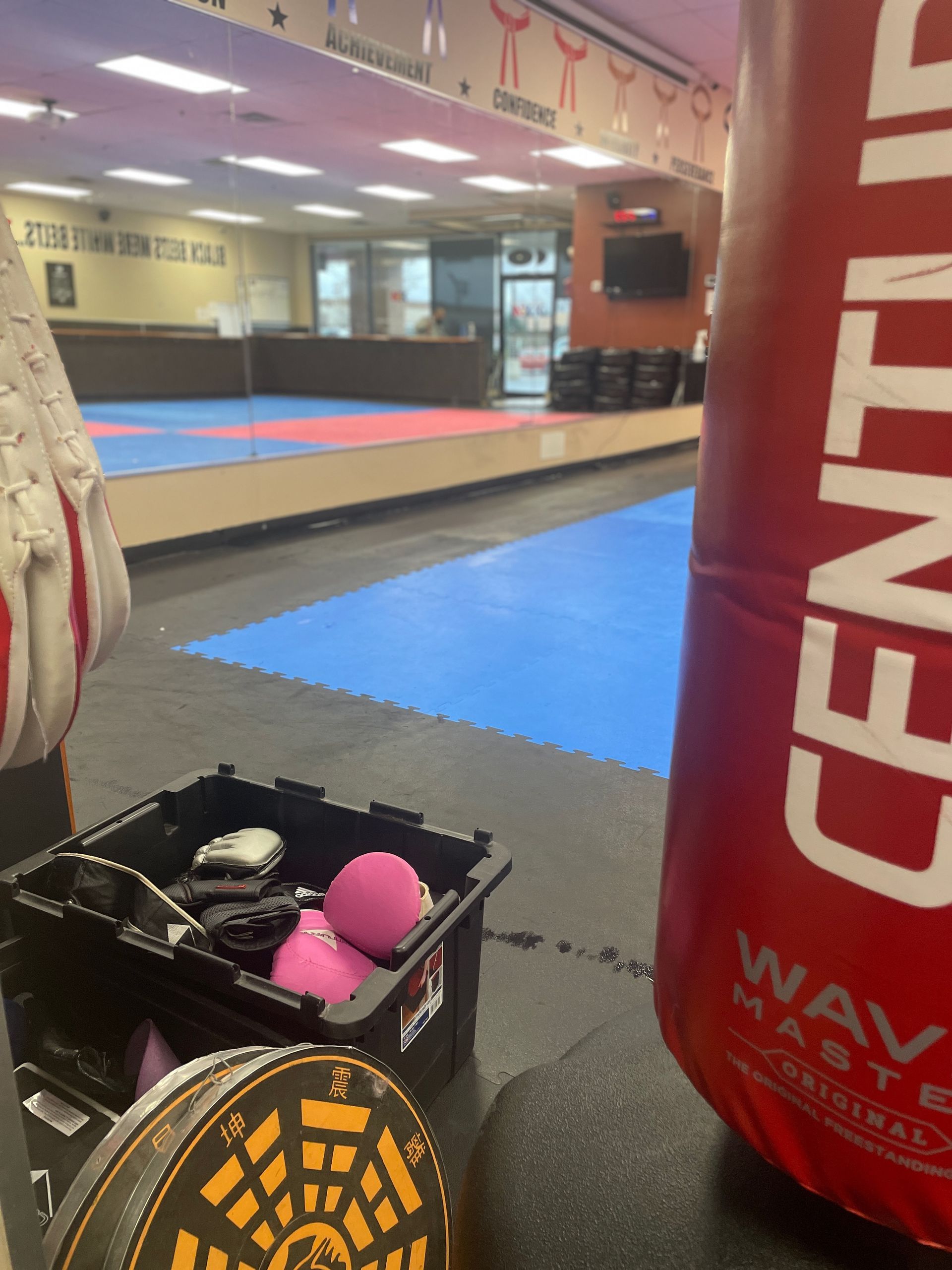
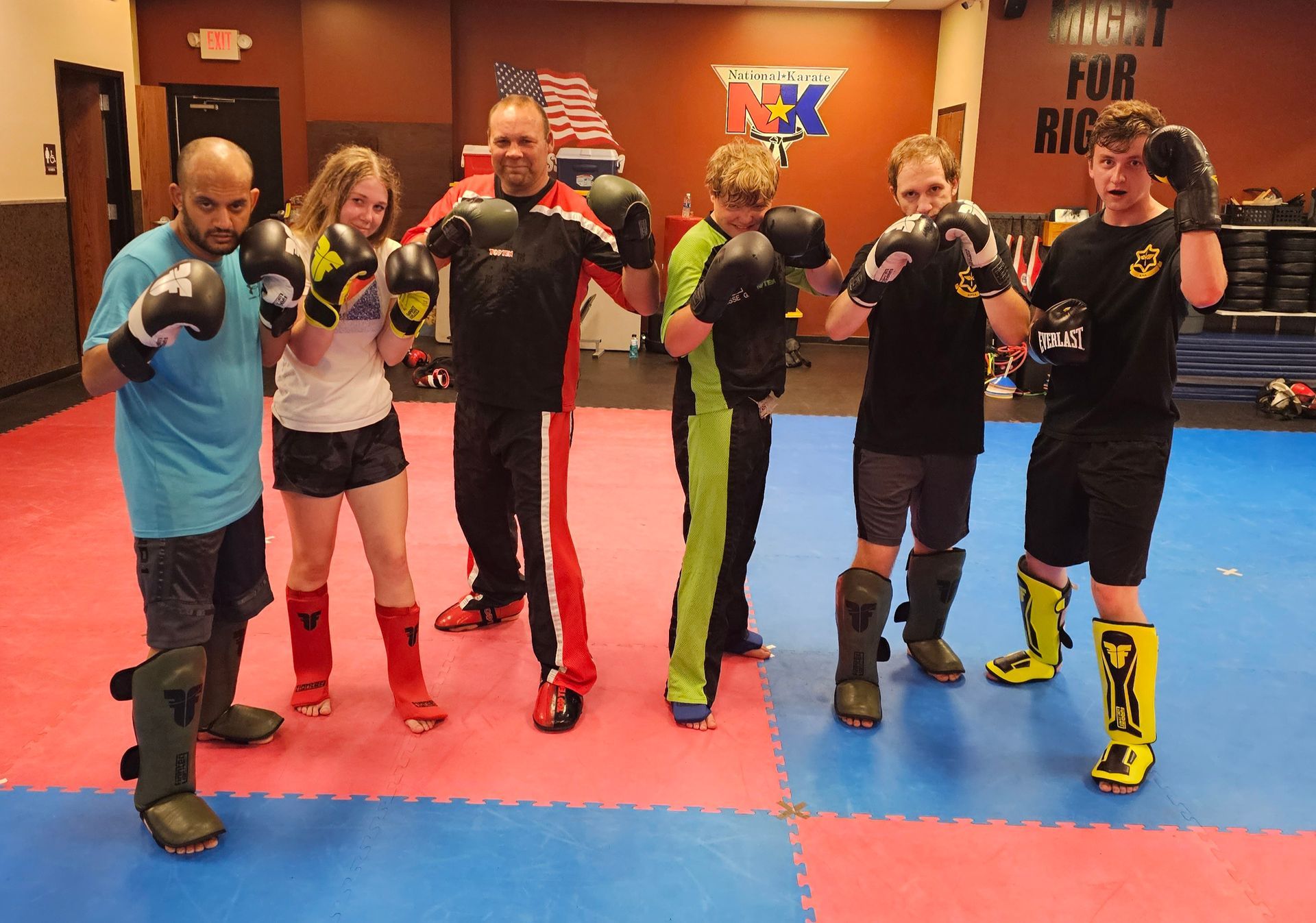
- Protective gear when appropriate, sized correctly and worn correctly
- Clear target zones and clear “no contact” zones
- Immediate pauses if a student looks overwhelmed, frustrated, or tired
- Coaching language that rewards restraint, not domination
When your child learns that self control is the standard, your child gets safer training and better character development. It also tends to reduce the impulse to show off.
Tip 4: Choose a program that teaches de escalation, not aggression
A big misconception about Youth Karate is that it teaches kids to fight. Done responsibly, it teaches kids to avoid fights, read situations early, and set boundaries with confidence. In fact, research around karate and youth safety education points to improvements in self control, calm decision making under stress, and reduced aggression when programs emphasize respect and structured practice.
What “real world” safety looks like for kids
Safety is not only about what happens on the mat. It is also about how kids carry themselves at school, at the park, or walking into a new place. We teach students to use their voice, posture, and awareness to avoid trouble before it starts. That may sound simple, but it is powerful, especially for kids who are shy or easily overwhelmed.
In Youth Martial Arts in New Berlin, we like to reinforce a clear message: the best win is the one you never have to fight for. That includes walking away, getting help, and staying with safe adults. Those are safety skills, too.
Tip 5: Ask about after incident protocols and how kids are coached to respond
Even in a well run program, kids can get bumped, surprised, or rattled. And outside the school, kids may face uncomfortable situations like bullying, boundary pushing, or rough play. A strong safety culture teaches students what to do after something happens, not just how to block or punch.
The “what next” plan every child should practice
We build confidence by giving kids a script they can remember under stress. When something happens, kids do better with simple steps that have been practiced, not just talked about.
We coach students to:
1. Create distance and get to a safer position
2. Use a clear voice to set a boundary or call for help
3. Find a trusted adult immediately and report what happened
4. Stay with safe people and avoid going off alone
5. Tell a parent or guardian as soon as possible, even if it feels awkward
This is where Youth Karate becomes bigger than techniques. Your child learns to stay calm, think clearly, and choose the safest next action.
A parent’s safety checklist for Youth Karate in New Berlin
If you want a quick way to evaluate whether a program is truly safety first, here is a practical checklist you can use while watching class and asking questions. This is not about being picky. It is about being informed.
• The class has a clear structure, not constant improvising and confusion
• Students are grouped thoughtfully for partner drills and movement games
• Instructors correct form and behavior early, before problems build
• Contact rules are specific, consistent, and age appropriate
• Kids are praised for control, focus, and respect, not aggression
• The program teaches awareness, boundaries, and de escalation alongside technique
When these boxes are checked, Youth Karate tends to be a steady, positive activity that supports fitness and confidence while keeping risks low.
Common safety questions we hear from parents
Is Youth Karate safe for kids who are not “athletic” yet?
Yes, when the program is truly beginner friendly and progressive. In fact, Youth Karate can be a great way to build coordination and body awareness in a controlled environment. We start with fundamentals that meet your child where your child is today.
Will my child get hurt sparring?
Sparring, when introduced, should be controlled and optional at the right stage, with clear rules and coaching. Many students spend a long time developing basics before any sparring is even relevant. The safest programs treat sparring as a learning tool, not a brawl.
What if my child is anxious or has trouble focusing?
That is more common than you might think. A structured class with consistent expectations can help kids settle in. We keep coaching simple, repeat key cues, and give kids small wins to build momentum. Over time, many parents notice better self regulation at home and school.
How safety and growth connect in Youth Karate
Safety is not a separate topic from progress. It is the foundation of progress. When your child feels safe, your child practices more confidently, listens better, and improves faster. When training is rushed or chaotic, kids tense up, and that is when mistakes and injuries show up.
A strong Youth Karate program also helps kids develop “quiet” safety skills that matter in daily life: noticing exits, recognizing when a situation is getting weird, staying calm when someone is rude, and knowing how to get help without freezing. Those habits are hard to teach in a lecture. They sink in through practice.
Take the Next Step
Building a safe, confident martial arts journey is easier when you know what to look for and what questions to ask. At Wisconsin National Karate Kickboxing & Krav Maga, we design Youth Karate around age appropriate progressions, close supervision, and a calm, respectful training culture that supports families here in New Berlin.
If you want to explore Youth Karate in New Berlin for your child, we invite you to use these tips as your guide, then come see how a structured class feels in person, how our instructors coach, and how safety gets built into the daily routine at Wisconsin National Karate Kickboxing & Krav Maga.
New to martial arts? Start your journey with a beginner-friendly class at Wisconsin National Karate.