Why Youth Karate in New Berlin Helps Kids Embrace Healthy Competition

Healthy competition is not about raising tougher kids, it is about raising steadier kids who know how to grow.
When parents ask us about Youth Karate, the question underneath is usually the same: How do we help our kids handle competition without the pressure, the tears, or the feeling that winning is the only thing that matters? In New Berlin, families are busy, schedules are full, and kids feel more stress than many adults realize. Our goal is to give your child a place where effort is noticed, progress is measurable, and competition stays healthy.
Youth Karate in New Berlin works because it shifts the scoreboard. Instead of defining success as beating someone else, we teach kids to compete with yesterday’s version of themselves. That might sound simple, but it is a big deal for confidence. It also fits what national participation trends keep showing: kids stay in activities longer when enjoyment stays at the center, not constant criticism or pressure.
There is a reason so many martial arts enrollments are driven by kids ages 7 to 12. That age group represents the largest segment of the market, about 26 percent, and we see why every week in class. It is the sweet spot where children are old enough to focus and follow structure, but young enough that the habits we build can shape how they approach challenges for years.
What healthy competition should look like for kids
Healthy competition is not passive, and it is not about handing out praise for nothing. It is about learning how to try hard without falling apart when the outcome is not perfect. In our Youth Karate classes, we teach kids to aim for a standard, take feedback, and keep going. That is the heart of resilience.
A healthy competitive mindset has a few clear markers. Your child can work hard without needing to be the best in the room. Your child can lose a round or miss a technique and stay respectful, focused, and willing to learn. Your child can win and still stay humble, because winning is not the identity, it is just information. That is the kind of competitor most parents want, even if we do not always say it that way.
We also like to remind families that competitive does not have to mean aggressive. Our training is structured, rule-based, and built around respect. Kids learn when to go, when to stop, and how to keep control of their body and emotions. That self-control is part of why martial arts training is linked with mental health benefits. A 2019 meta-analysis found martial arts programs are associated with reduced anxiety symptoms, with a moderate effect size around 0.48. In other words, this can help kids feel calmer, not more keyed up.
Why Youth Karate in New Berlin feels different from typical sports pressure
Team sports can be great, and we respect the value of teamwork. But many families also run into the same cycle: kids start excited, the season gets intense, roles get assigned, and a child who is still developing can end up feeling behind or overlooked. National research across dozens of studies has connected quitting youth sports to a loss of enjoyment, often driven by pressure, criticism, and repetitive training.
Our approach is deliberately built to protect enjoyment while still demanding effort. In Youth Karate, your child is not stuck with a single position or dependent on being picked for a role. Progress is personal and visible. When a child improves a stance, sharpens a punch, or learns to stay composed under pressure, that growth counts, and we make sure your child knows it counts.
In New Berlin, we also see a real after-school demand gap. Families need structured activities that start on time, are consistent, and actually teach something beyond burning energy. Youth Martial Arts in New Berlin can fill that gap when it is run with care, progression, and a clear culture. That is what we work hard to create.
The self-improvement scoreboard: belts, basics, and small wins that add up
Kids understand levels. That is one reason belt progression works so well. Belt promotions are not handed out randomly, and they are not based on popularity. They are tied to demonstrated skills, effort, and maturity. This helps kids embrace healthy competition because the target is clear: show up, practice, improve, and earn the next step.
In Youth Karate in New Berlin, we keep fundamentals at the center. Basics are not “boring” when kids understand that basics are what make them better. The moment a child realizes, “Wait, my balance is stronger than last month,” something changes. Confidence becomes grounded, not performative.
Here are a few ways we keep competition healthy through our structure:
• Clear expectations that match age and experience, so kids know what success looks like today, not someday
• Frequent feedback that focuses on what to do next, not what was “bad”
• Skill benchmarks that reward consistency, because showing up matters as much as talent
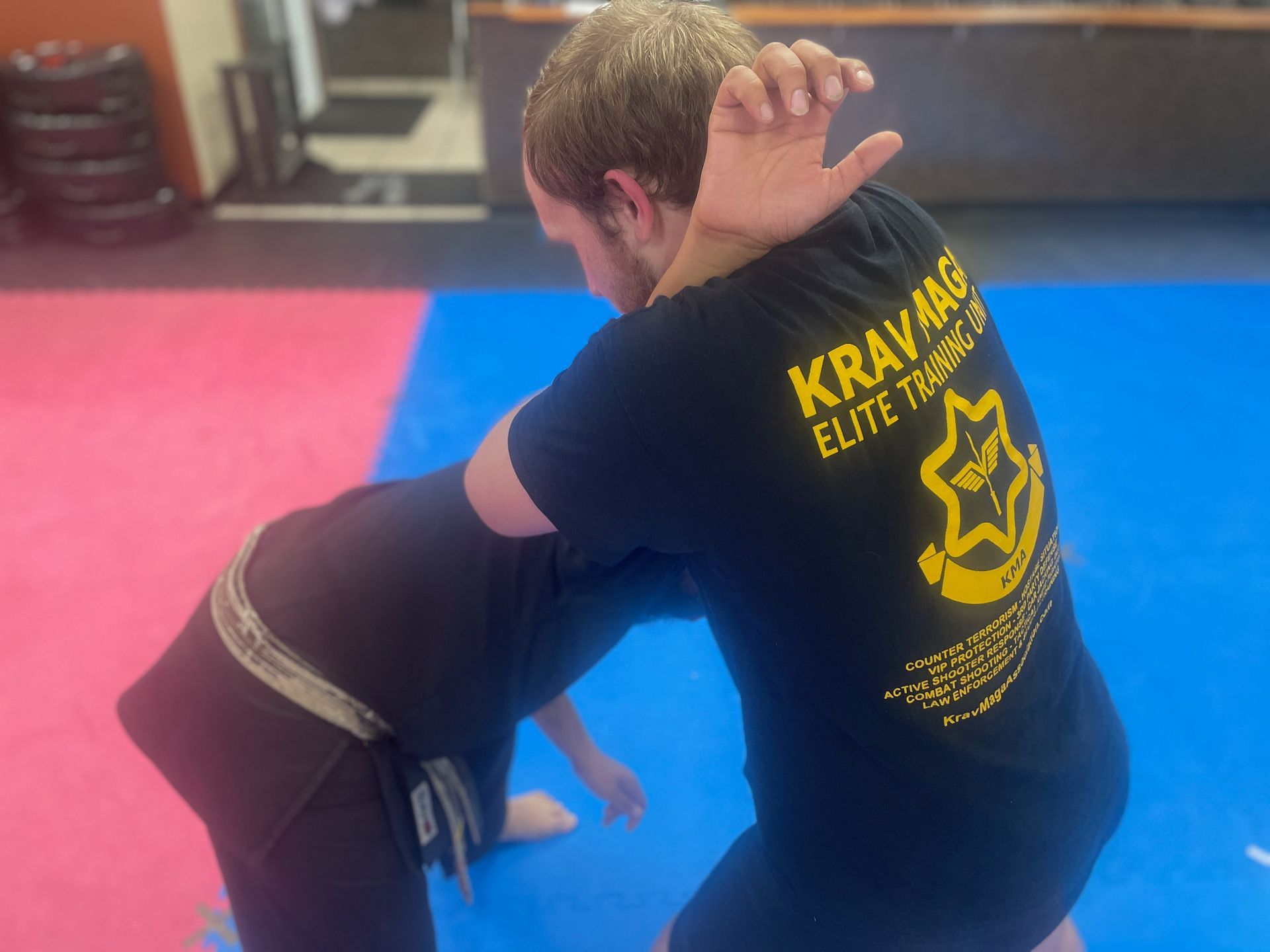
• Partner drills that teach cooperation and challenge at the same time
• Promotions that celebrate progress without turning the room into a rivalry
This is also why kids ages 6 to 12 are trending upward in regular sports participation nationally, reaching the highest level since 2015, even as teen core participation shifts. When kids feel competent and supported, they stay involved. We build that same retention mindset into Youth Karate.
Controlled sparring teaches respect, courage, and calm under pressure
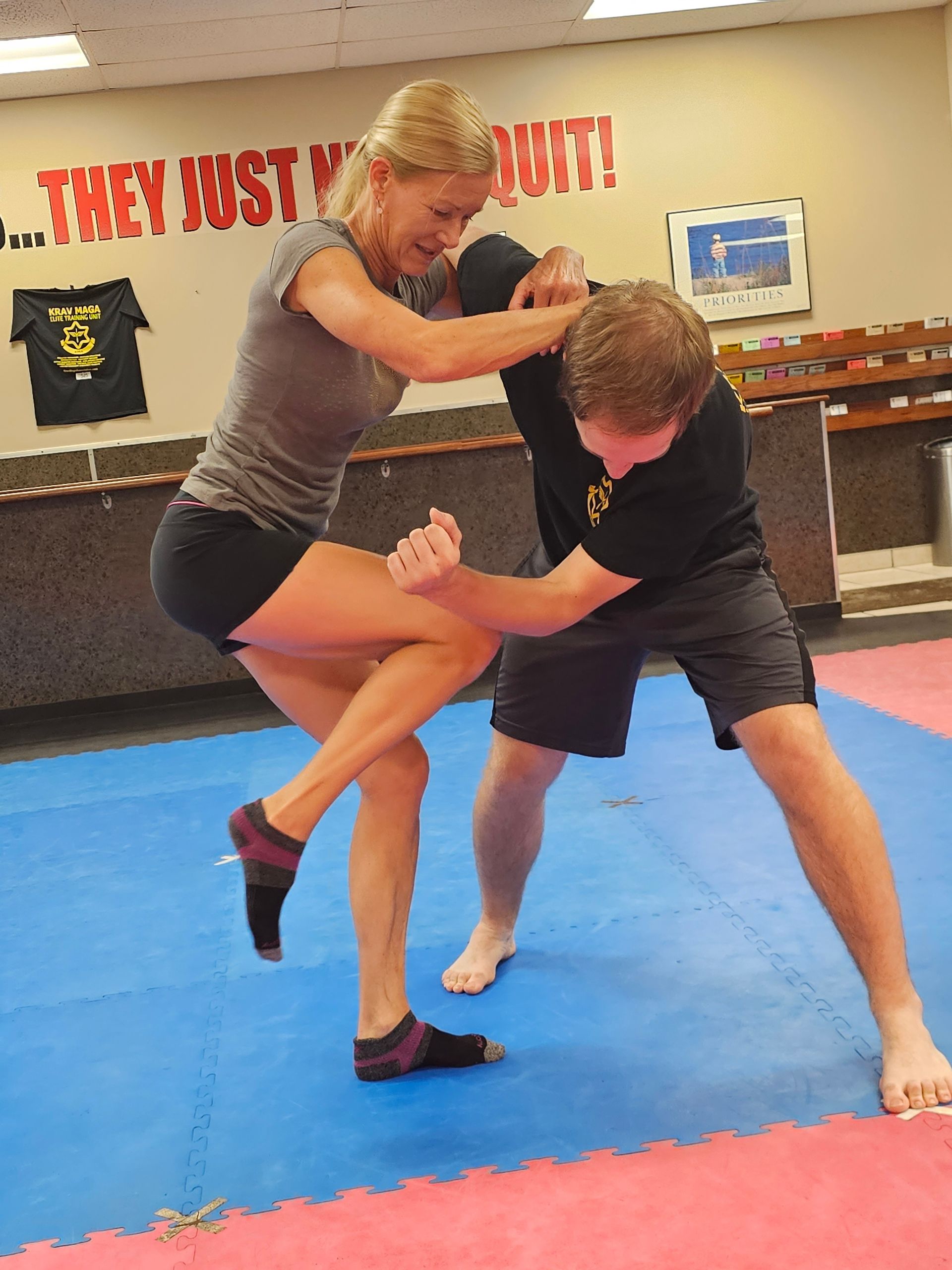
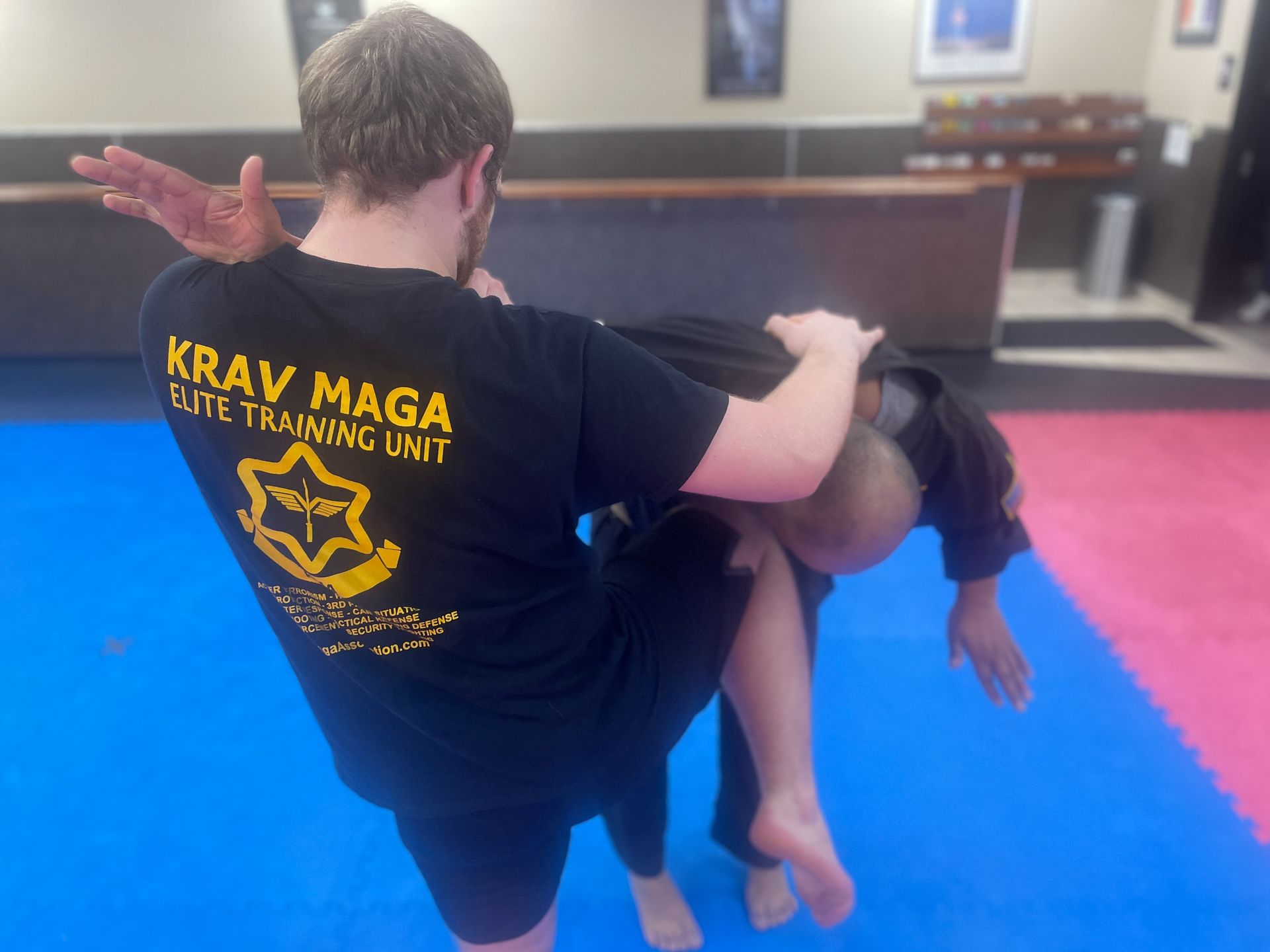
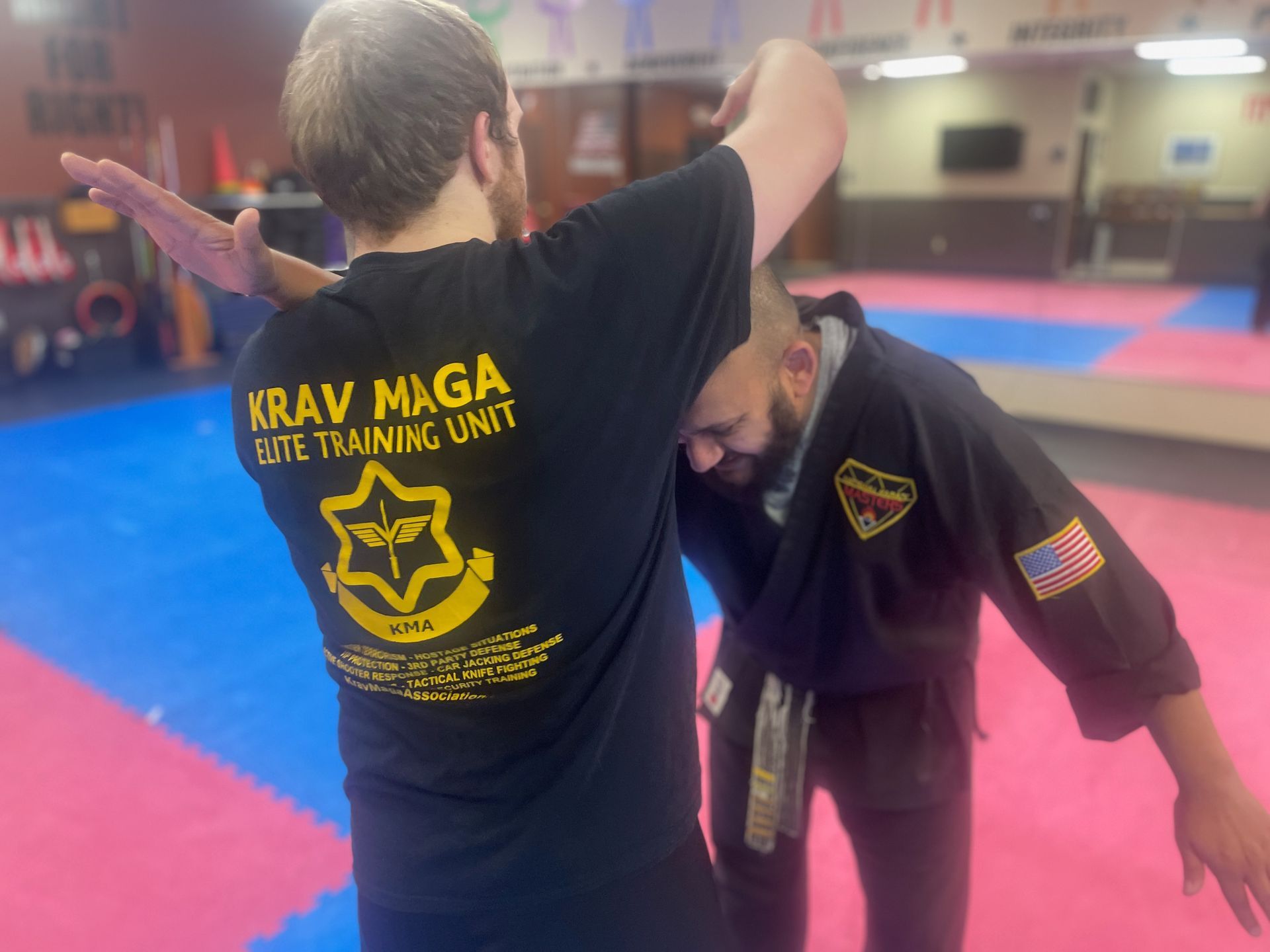
Let’s address the question we hear all the time: Is karate too aggressive for my child? No. Our training is controlled, supervised, and built around safety rules that are taught explicitly. Sparring, when appropriate for the student’s level, is a tool for learning composure. It is not a brawl, and it is never a free-for-all.
Healthy competition needs a little bit of pressure, but it needs the right kind. Controlled sparring gives kids a place to feel nerves, learn to breathe, follow rules, and make decisions while their heart is beating faster. That skill carries into school presentations, tests, social situations, and any moment where a child feels watched.
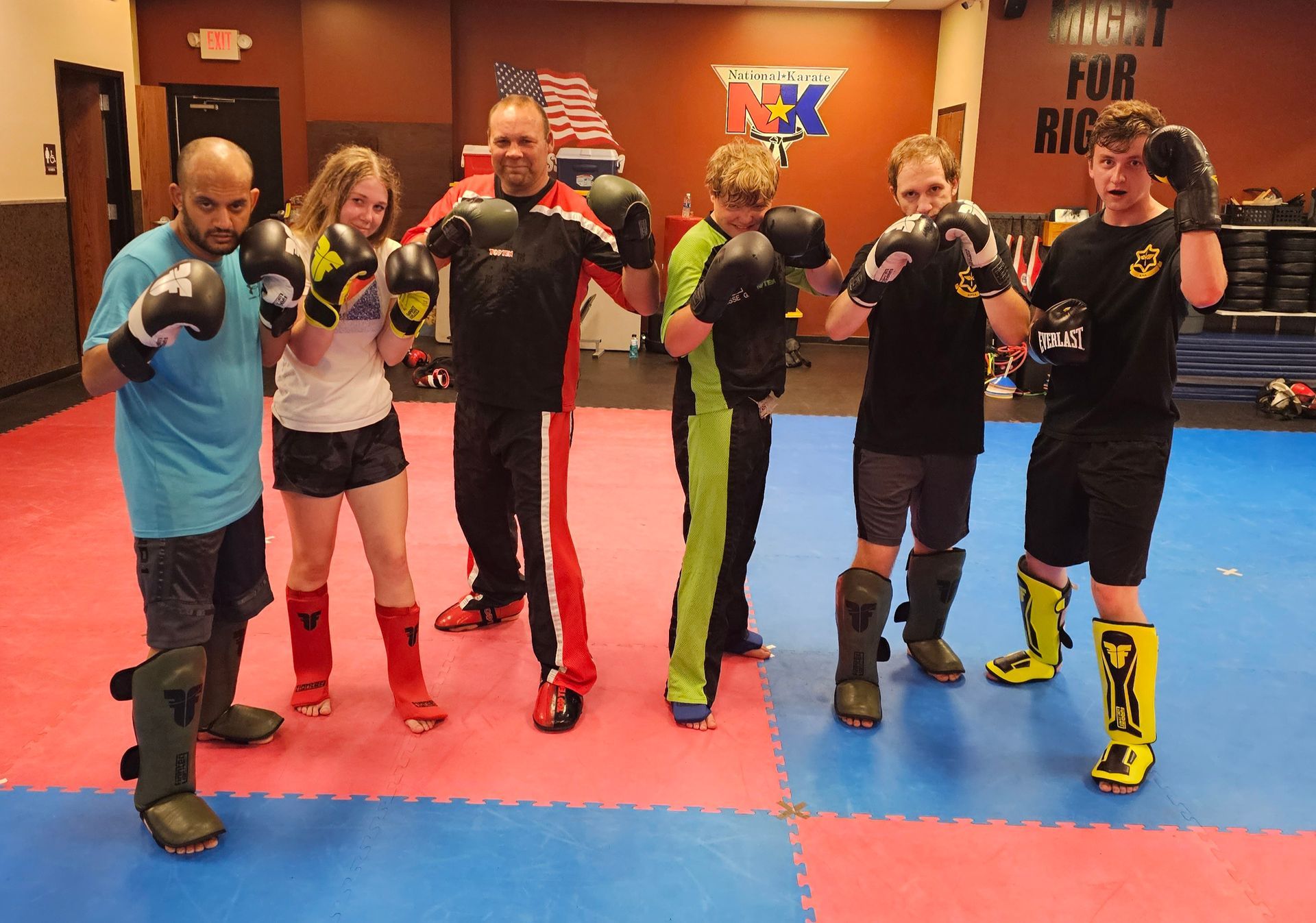
We also teach kids how to be good partners. A strong student learns to help a newer student improve. A newer student learns to ask questions without feeling embarrassed. That social learning is a quiet benefit of Youth Martial Arts in New Berlin that parents notice over time, especially when a child starts carrying themselves differently in everyday life.
Discipline without harshness: how we build consistency that lasts
Discipline is often misunderstood. People picture yelling, punishments, or rigid control. Our version of discipline is simpler: routines, standards, and follow-through. When kids know what is expected, and they trust that the environment is fair, they usually rise to it.
That is one reason martial arts studios that focus on quality youth programs can achieve retention in the 75 to 85 percent range, compared to a 60 to 70 percent average. The market is crowded, with studio counts nearly doubling since 2020 even while participation remains flat. That means the real differentiator is not flashy marketing, it is whether kids actually want to come back next week. Healthy competition supports that because kids feel challenged but not crushed.
We keep classes moving. We mix fitness with skill. We make space for repetition without making it mind-numbing. A class should feel like work, but it should also feel like momentum.
Resilience: learning to fail safely and try again
Kids do not need more ways to feel “behind.” What they need is a safe place to struggle, learn, and try again without shame. Youth Karate creates that environment by normalizing mistakes. Missing a block is not a disaster. Forgetting a sequence is not the end. It is simply feedback.
Resilience is built through reps. It is built through respectful correction. It is built through learning that discomfort is not danger. This matters because resilience is one of the main life skills healthy competition can create. Your child learns, in a very practical way, that effort is something you can choose even when you feel frustrated.
And yes, resilience can connect to mental well-being. When kids learn to regulate their nervous system through breathing, posture, and focus, it can reduce anxiety patterns. We do not promise karate replaces professional support when needed, but we do see that training often helps kids feel more capable and less overwhelmed.
Safety education: confidence that stays grounded
Parents want confidence, but not the kind that turns into bullying. We agree. Karate is validated as an effective tool for youth safety education because it teaches combat sport values, self-improvement, and self-defense within clear rules. That combination matters.
Our safety education focus includes awareness, boundaries, and practical responses. Kids learn when to speak up, when to move away, and how to use techniques responsibly. We teach that the goal is to stay safe, not to prove something. That is a healthy competitive mindset too: knowing when not to compete.
In Youth Karate in New Berlin, we also talk about respect as something you do, not something you demand. Bowing, listening, taking turns, and following instructions are not just traditions. They are skills that help kids operate well in structured environments, from classrooms to sports to future jobs.
How Youth Karate supports both boys and girls through fair standards
We love seeing more girls step into martial arts. Nationally, girls’ sports participation hit the highest level since 2012, and women now make up about 30 percent of martial arts participants. In our program, boys and girls train under the same standards, with progress based on skill, effort, and attitude.
This matters for healthy competition because it makes the environment feel fair. Kids notice fairness quickly. When a child believes the rules are consistent, the child can relax and focus on growth instead of comparison.
We also see families train together. With about 40 percent of martial arts participants under 18, it is common for parents and kids to share the journey. That creates a community feel in New Berlin that families appreciate, especially when schedules are tight and you want one activity that supports everyone’s goals.
What to expect in our Youth Karate classes
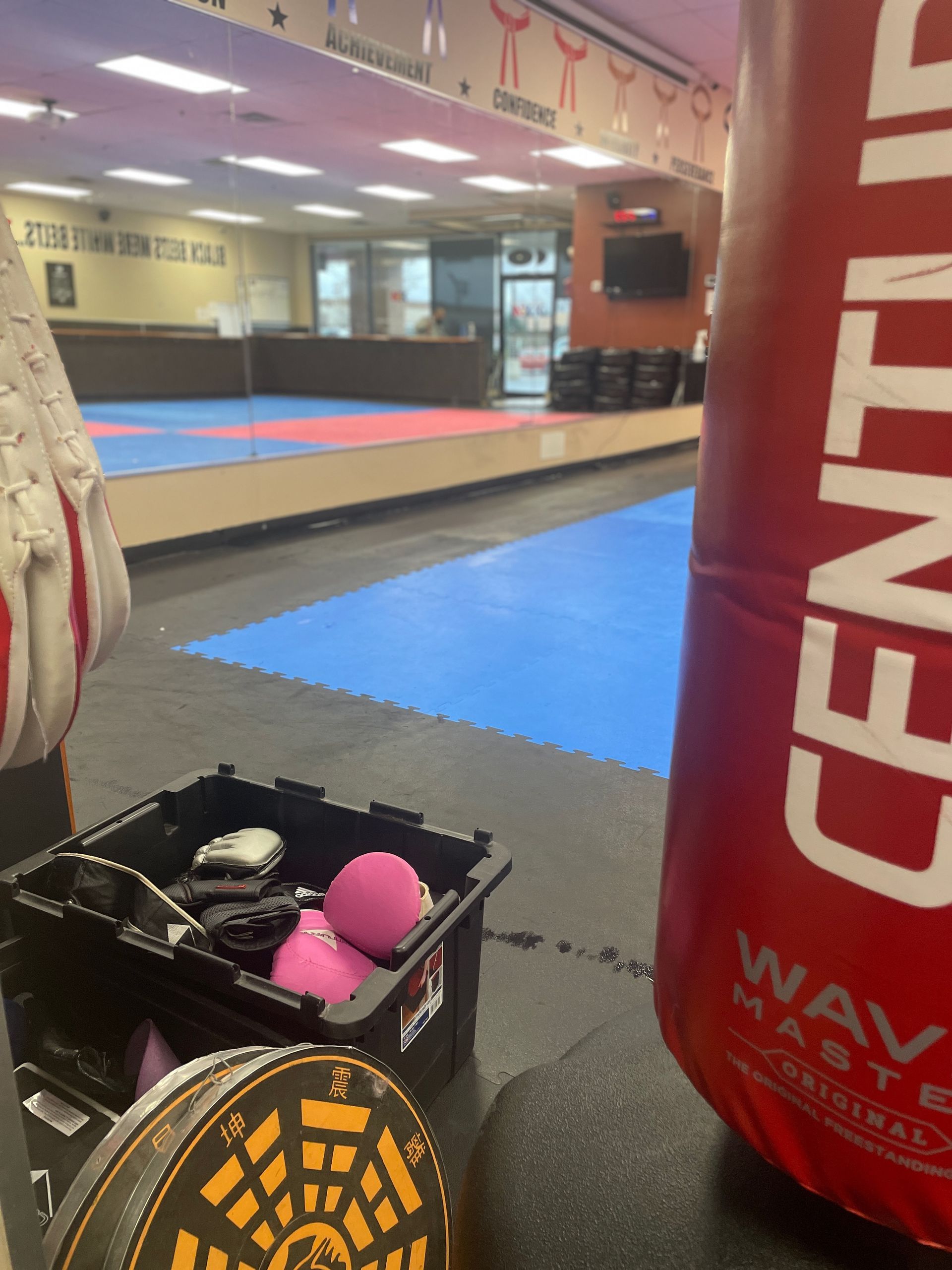
Parents often want a clear picture of what happens on the mat. While each class is paced for the age group and skill level, our Youth Karate sessions generally include conditioning, technique work, partner practice, and skill application.
A typical class progression looks like this:
1. Warm-up and movement training to build coordination, balance, and flexibility
2. Fundamental technique practice, including stances, punches, kicks, and blocks
3. Drills that build timing and distance, using safe structure and clear rules
4. Skill challenges that encourage focus under mild pressure
5. Cooldown and review, so kids leave knowing what improved and what to practice
That final step matters more than many people think. When a child leaves class with one specific win and one specific goal, motivation stays steady. That is how healthy competition becomes sustainable.
Take the Next Step
Building a healthy competitive mindset takes more than pep talks. It takes a system where effort is rewarded, mistakes are treated as part of learning, and progress is clear. That is exactly what we aim to deliver every day on the mat, especially for families looking for Youth Karate in New Berlin that feels structured, positive, and real.
When you are ready, Wisconsin National Karate Kickboxing & Krav Maga is here to help your child train with purpose, learn self-control, and grow into the kind of competitor who can handle both wins and losses. You can also explore how our Youth Karate program fits your schedule and your child’s personality on the website.
Give your child a positive outlet for growth and personal development through Karate classes at Wisconsin National Karate Kickboxing & Krav Maga.